NFPA 16 Section 2.2 Foam Water System References
Quick Answer: NFPA 16 Section 2.2 points readers to the key standards that support foam water sprinkler systems, from system design to installation and maintenance. For industrial, retail, and commercial sites across Australia, these fire protection code cross references help teams stay compliant, reduce risk, and keep foam systems ready when fire tries to make an unscheduled appearance.
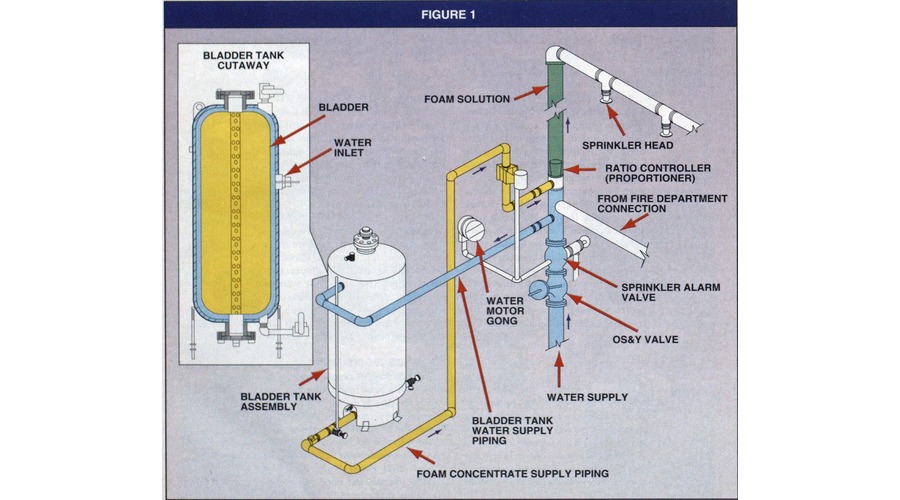
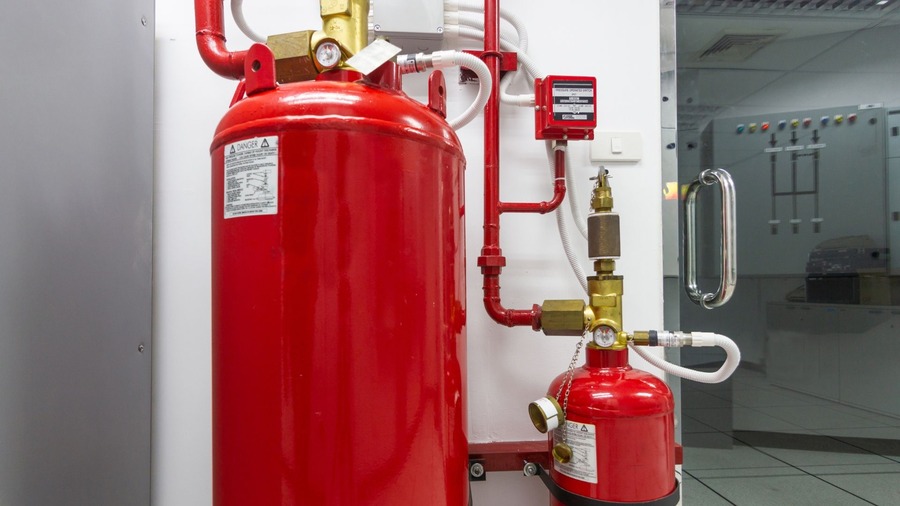
NFPA 16 Section 2.2 is the paper trail behind a serious job. It lists the NFPA publications list that support foam water sprinkler systems, and that matters because foam systems do not work in a vacuum. They depend on linked standards, careful installation, and good upkeep. In practice, those foam water system NFPA references and fire protection code cross references help industrial plants, retail centres, warehouses, and commercial facilities across Australia build safer, smarter fire protection plans.
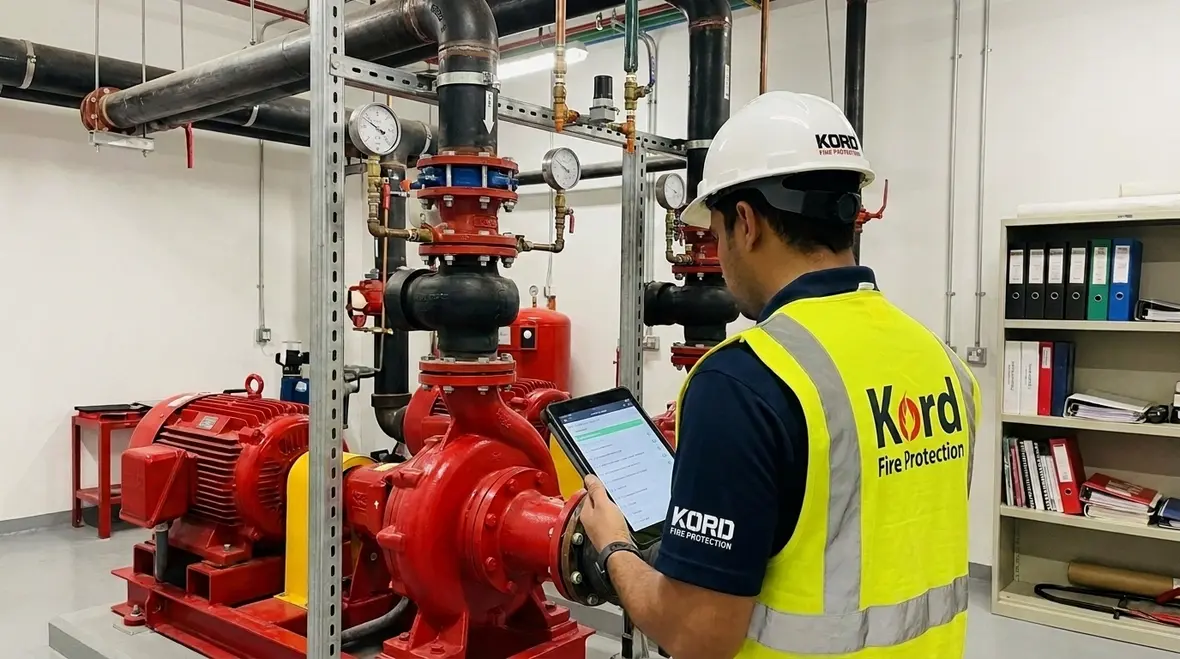
When a foam system is asked to perform, it has one job. Put out the fire before it writes a dramatic ending. That is where standards, clear design rules, and a capable partner like Kord Fire Protection become essential. For sites that also need coordinated fire pump testing requirements support, getting the pressure side of the protection plan right is just as important as getting the foam side right.
What NFPA 16 Section 2.2 includes
NFPA 16 Section 2.2 does not stand alone. Instead, it points to the standards that support the full foam water system life cycle. This helps engineers, facility managers, and fire protection teams connect the dots between design, equipment, installation, and ongoing service. In other words, Section 2.2 is less about one lonely rule and more about the company it keeps.
Core references on the first side of the list
- NFPA 11 for low expansion foam systems
- NFPA 13 for sprinkler system design and installation
- NFPA 20 for fire pumps
- NFPA 22 for water tanks
Supporting references on the second side
- NFPA 24 for private fire service mains
- NFPA 25 for inspection, testing, and maintenance
- NFPA 72 where detection and alarm interfaces apply
- NFPA 70 for electrical safety tied to system components
These references matter because a foam water sprinkler system is only as reliable as the weakest linked standard. If the tank, pump, piping, alarms, or maintenance plan slips, the whole protection plan can wobble. And nobody wants their fire protection strategy to act like a dodgy sequel.
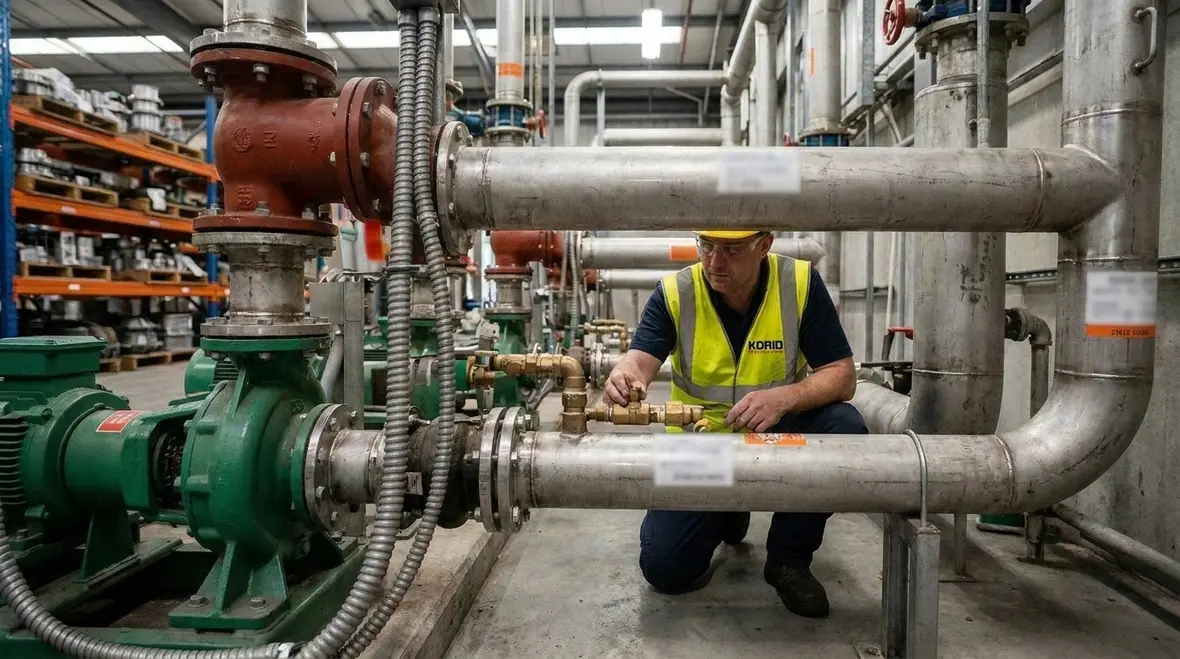
Why foam water system NFPA references matter for Australian sites
Australian industrial and commercial sites often face higher fire load risks than standard office buildings. Fuel storage, processing areas, logistics hubs, plant rooms, loading docks, and retail back of house zones all need the right level of protection. Therefore, the foam water system NFPA references help teams make sure the system fits the hazard, not the other way around.
For example, foam systems are often used where flammable or combustible liquids may spread fire fast. In those settings, a plain sprinkler approach may not be enough. Foam helps suppress vapours, cool surfaces, and cut oxygen from the fire zone. As a result, the cross referenced standards guide how the system should perform under real conditions, not just in a neat binder on a shelf.
Where the references make the biggest difference
- Hazard assessments for flammable liquid and mixed use environments
- Water supply planning that does not leave the system gasping at the wrong moment
- Coordination between foam equipment, sprinklers, pumps, and alarms
- Testing schedules that prove readiness instead of assuming it
- Documentation that keeps compliance from turning into a scavenger hunt
This is why Section 2.2 matters beyond theory. It gives teams a shortlist of the standards they need to treat as one connected system. A site can have excellent hardware and still struggle if the surrounding rules are handled in fragments. Fire does not care which contractor had which spreadsheet. It only cares whether the system works.
How the references support design, installation, and upkeep
The value of Section 2.2 lies in its structure. It directs the reader to the right rulebook for each part of the system. That means fewer gaps, fewer assumptions, and fewer “we thought someone else handled that” moments.
First, design standards help match the hazard with the correct foam type, flow rate, and discharge pattern. Next, installation rules help ensure the piping, valves, pumps, and nozzles are built properly. Then, inspection and testing standards keep the system ready over time. Finally, maintenance rules help catch small issues before they become expensive problems.
That chain matters because foam systems often protect valuable assets, staff safety, and business continuity. One missed test can turn into downtime, claims trouble, and a whole lot of paperwork that no one invited to the party.
A practical way to read Section 2.2
A useful way to read the section is to treat it like a map. NFPA 11 helps with the foam side of suppression strategy. NFPA 13 supports sprinkler layout and installation logic. NFPA 20 and NFPA 22 help ensure the system has the muscle and water reserve to perform. NFPA 24 connects the private main infrastructure, while NFPA 25 keeps the ongoing inspection, testing, and maintenance program from drifting off course. Then NFPA 72 and NFPA 70 cover important alarm and electrical relationships so nothing critical is left to luck.
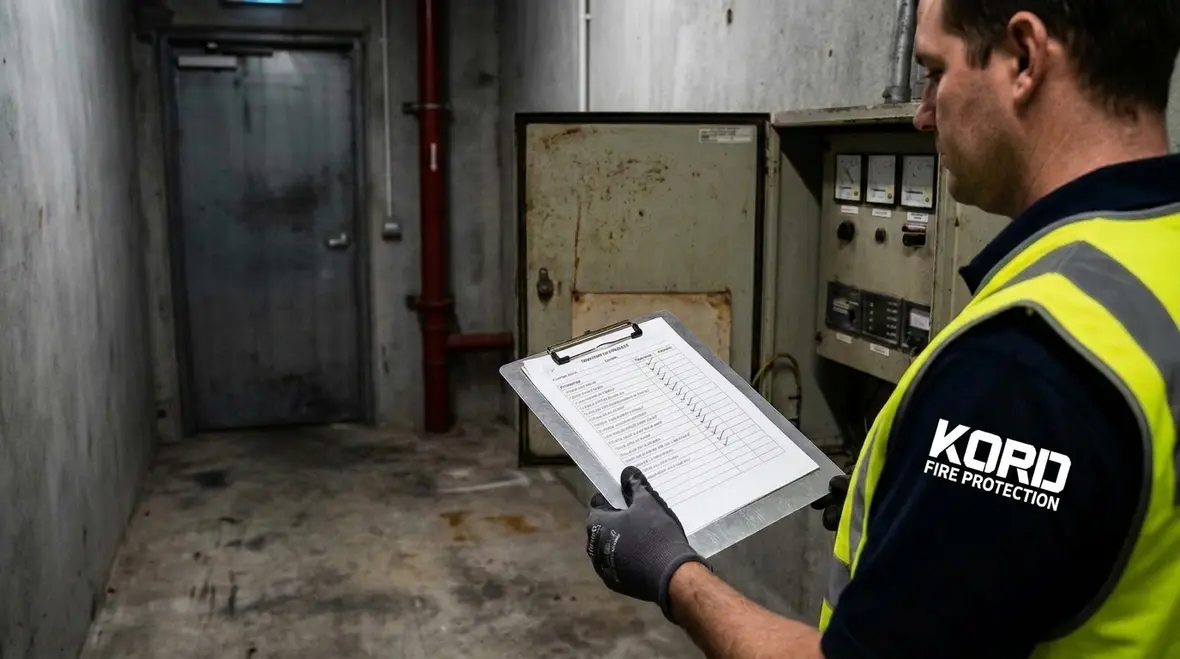
How Kord Fire Protection becomes a vital partner
Kord Fire Protection can play a vital role in helping businesses understand and apply NFPA 16 Section 2.2 requirements. More importantly, it can help translate the standards into practical solutions that suit Australian industrial, retail, and commercial sites.
Here is where that support becomes valuable:
- It helps assess the site risk and match the right foam water protection approach
- It supports design choices that align with the relevant NFPA references
- It assists with installation planning so the system performs as intended
- It provides inspection and maintenance support to keep systems ready
- It helps facilities stay organised with compliance records and service schedules
In short, Kord Fire Protection can help turn a code reference into a working fire protection plan. That is not just technical support. It is business protection with a hard hat on.
Facilities that are working through linked pump requirements may also find it useful to review NFPA 20 Chapter 14 fire pump acceptance testing requirements, especially where foam water systems depend on reliable pump performance to deliver the design intent. And if your team is specifically reviewing the wider standard context, this related guide on NFPA 16 standard requirements fits naturally into that bigger compliance picture.
What facilities should check before relying on foam systems
Before a site depends on a foam water sprinkler system, it should review the hazard type, water supply, pump capacity, storage needs, alarm links, and maintenance access. It should also confirm that the system design matches the right standards in the NFPA publications list and any local Australian requirements.
Additionally, teams should check whether staff know the inspection schedule, shutdown procedure, and emergency response steps. A system can only help if people know it exists, where it is, and how it should behave. Fire protection works best when the system and the humans are not having separate conversations.
Pre-reliance checklist for site teams
- Confirm the hazard classification and whether foam water protection is actually appropriate
- Verify tank capacity, refill planning, and pump performance against site demand
- Check private mains, valves, and discharge devices for compatibility with the system design
- Review alarm and detection interfaces so activation and supervision are not left fuzzy
- Make sure inspection, testing, and maintenance access is realistic for the life of the system
- Keep records, service reports, and schedules organised so compliance does not become archaeology

FAQ
Conclusion
NFPA 16 Section 2.2 gives facilities the roadmap behind reliable foam water sprinkler protection. For Australian businesses, the right standards, the right system design, and the right partner all matter. The references in this section help connect suppression strategy, water supply, pump support, alarm interfaces, and maintenance discipline into one protection plan that can hold together when the pressure is on.
Kord Fire Protection can help turn those references into real world protection. For a smarter, safer approach to foam system compliance and service, connect with Kord Fire Protection and keep risk where it belongs: far away from your site. Because when foam water systems are designed, installed, and maintained with the right standards in view, the ending gets a lot less dramatic, which is exactly what everyone wants from a fire.

Join Our Newsletter!
Get the latest fire safety tips delivered straight to your inbox From our Newsletter.