NFPA 15 Section 5.10 Fire Department Connections for Water Spray
Quick Answer: NFPA 15 Section 5.10 sets the rules for Fire Department Connections on water spray systems so crews can quickly add water during an emergency. For industrial, retail, and commercial sites across Australia, this means clear access, correct sizing, proper labeling, and reliable system flow. Done right, it supports faster response and safer operations.
If your site is reviewing broader protection strategy as well, Kord Fire Protection’s full fire protection services can fit naturally into the conversation before a small FDC problem becomes a large emergency problem. For a related technical read, see NFPA 15: Enhancing Fire Safety with Water Spray Fixed Systems.
Why NFPA 15 FDC requirements water spray systems matter
NFPA 15 FDC requirements water spray systems give fire crews a direct way to support a fixed water spray system when conditions turn ugly. In plain terms, the Fire Department Connection lets responders feed water into the system fast, without wasting time hunting for workarounds. That matters in warehouses, plant rooms, loading bays, and high risk commercial areas where seconds feel shorter than a coffee break at a Monday meeting.
Section 5.10 focuses on the connection point, but the real story is bigger. It helps the fire brigade deliver extra flow when a system needs it most. Therefore, a well planned FDC improves response, protects property, and supports safer shutdowns. For Australian facilities, especially those with varied fire loads, the connection must fit the site layout, local access rules, and the way the water spray system performs under pressure.
What Section 5.10 expects from an FDC
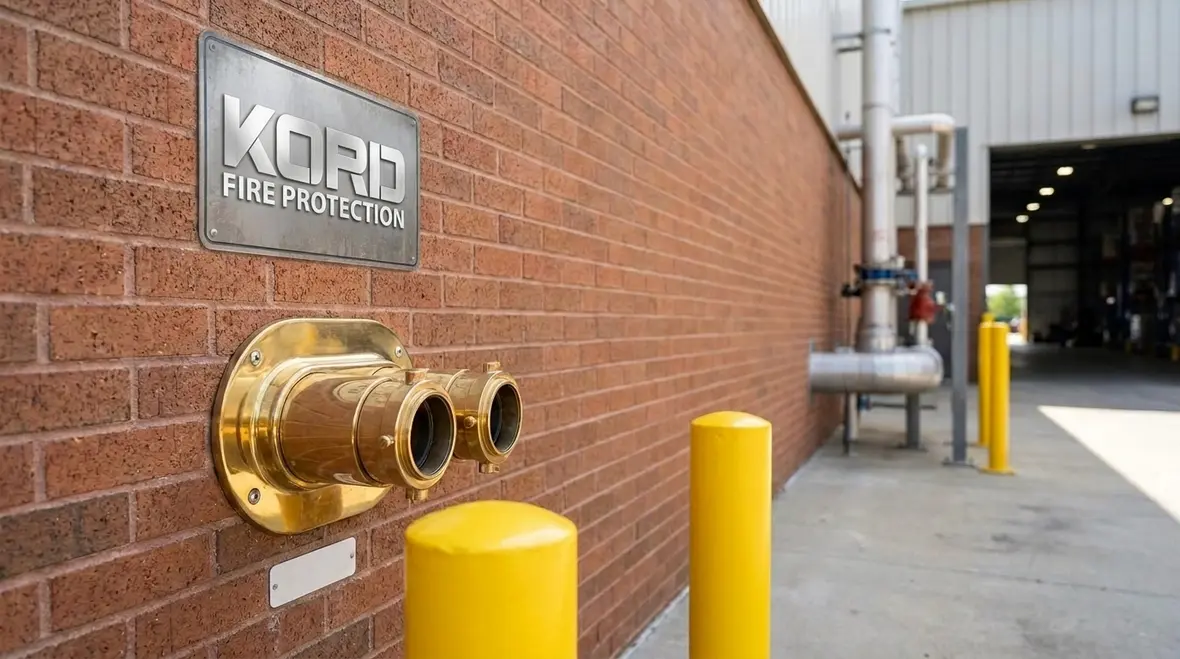
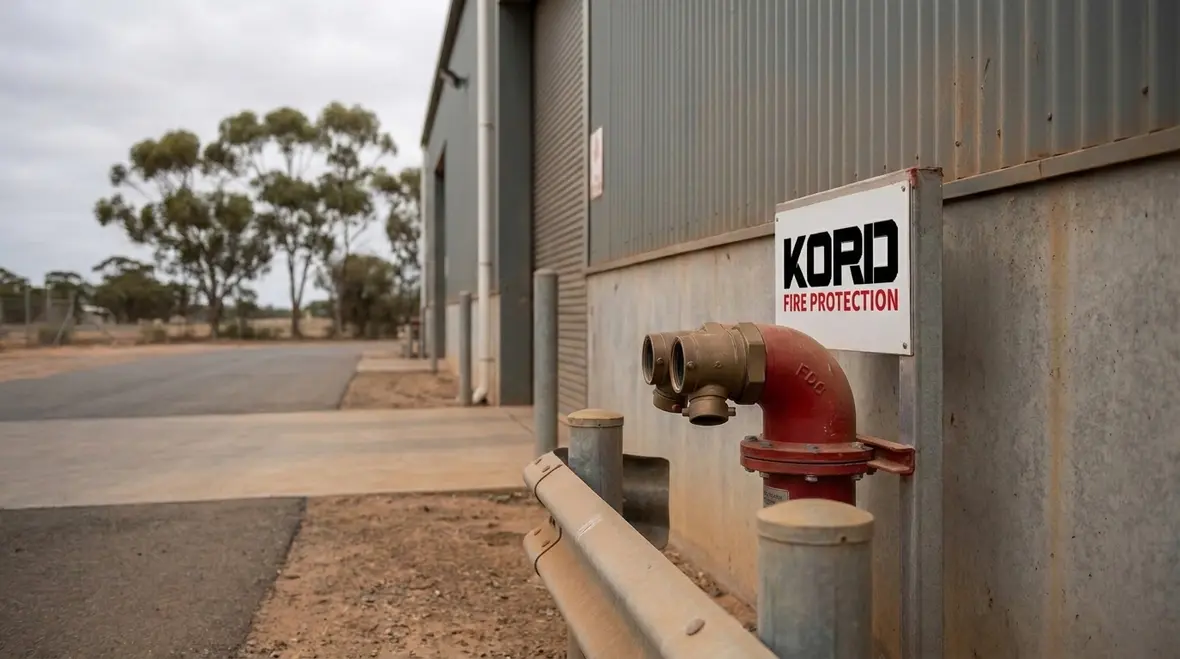
Section 5.10 makes one thing clear: the Fire Department Connection must work for the people who need it under stress. It should be easy to find, easy to reach, and easy to use. As a result, the design must support fast hookup without confusion. No one wants a fire truck driver playing hide and seek with a critical system.
The connection usually needs proper placement, clear signage, and protection from damage. It must also connect to the right piping so incoming water reaches the spray system as intended. Moreover, the arrangement should avoid obstruction from vehicles, stored goods, landscaping, or security barriers. If crews cannot access the point quickly, the system loses part of its value.
What practical compliance looks like on site
On a drawing, an FDC can look wonderfully tidy. On a real site, however, tidy means very little if the inlet sits behind a locked gate, beside a parade of delivery trucks, or under signage so faded it may as well be abstract art. Practical compliance means the connection is visible from approach routes, usable with normal brigade operations, and arranged so crews can get to work without a committee meeting.
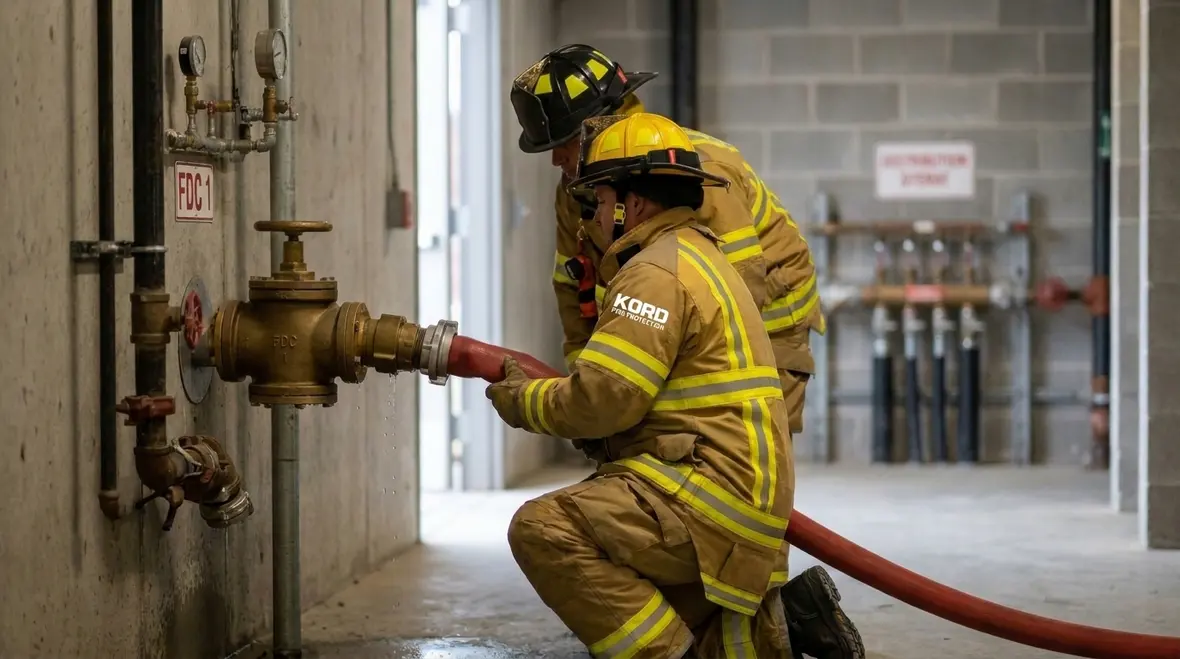
That is where facility teams often earn or lose precious time. A compliant FDC is not just present. It is obvious, durable, and supported by the rest of the installation. Caps should be intact, threads should be serviceable, valves should be maintained, and surrounding clearance should remain clear even after the site gets busier than originally planned.
How FDC design supports water spray performance
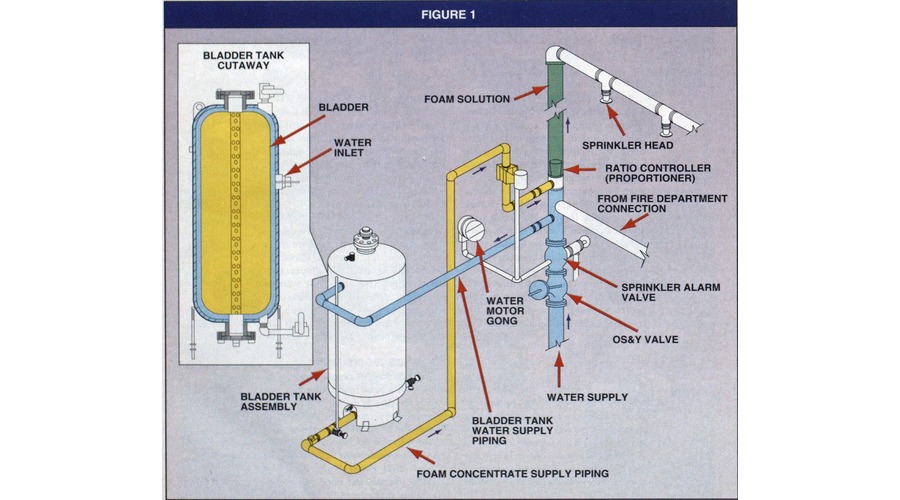
A Fire Department Connection is not just a metal fitting on a wall. Instead, it acts as part of the system’s backup muscle. When a water spray system already protects equipment, fuel areas, transformers, or process spaces, the FDC allows the brigade to boost supply if the fixed water source runs short or if the fire grows stronger than expected.
That support depends on sound design. First, the connection must match the system demand and pressure needs. Next, it must align with valves, piping, and water supply arrangement. Then, the site must keep the area clear for emergency access. In practice, this means engineers and fire protection teams must think beyond the drawing and test how the system will behave on the ground.
Design priorities
- Correct location
- Clear access
- Proper labeling
- System compatibility
Why it matters
- Helps crews find and use the FDC fast
- Prevents delays during a real fire event
- Removes confusion when time is short
- Ensures added water reaches the spray network
When those priorities line up, the water spray system gains useful resilience. When they do not, the FDC can become an expensive wall ornament with terrible timing. That is why layout, hydraulic intent, and site operations all need to play nicely together, even if the rest of the building has not learned that skill yet.
Where water spray strategy fits in the bigger picture
Sites that rely on special hazard protection often need to think in layers. Detection, isolation, shutdown planning, access routes, and water supply strategy all influence whether the spray system can do its job under real conditions. Kord’s related reads on water mist fire suppression system guidance and special hazard fire suppression in Australia help frame that bigger conversation without making it sound like a bedtime lecture from a hydraulic calculation sheet.

Common mistakes with NFPA 15 FDC requirements water spray systems
Many sites treat the FDC like a small detail. Unfortunately, that small detail can create a large headache. One common mistake is poor access. If a fence, parked vehicle, pallet stack, or garden bed blocks the connection, the brigade must waste time clearing space. Another mistake is weak labeling. A responder should not need a treasure map to find the right inlet.
Some facilities also install the connection in a location that looks neat on paper but fails in a real emergency. For example, a point placed near heavy traffic may suffer impact damage. Likewise, a connection placed too far from the protected hazard may create pipe routing issues. Finally, poor maintenance can leave caps, threads, or valves in bad shape, and that is a bad scene for a life safety system.
The mistakes that creep in after handover
Even when the original design was sensible, everyday operations can quietly sabotage it. A new bollard line might narrow access. A storage zone might inch toward the inlet over six months. A security change might put the connection behind a locked point that no one thought twice about during the upgrade. None of these choices look dramatic alone, but during an emergency they can stack delays like bad decisions at a late Friday meeting.
That is why routine site reviews matter. They reveal whether the FDC still functions in the world the facility actually operates in, not the cleaner, more optimistic world shown on the original drawings. If the site has changed, the protection strategy may need to change with it.
How Kord Fire Protection becomes a vital partner
Kord Fire Protection can become a vital partner because this work needs more than parts and paperwork. It needs practical experience, careful design sense, and a clear understanding of how NFPA 15 FDC requirements water spray systems apply in real facilities. In other words, Kord helps turn code intent into a system that makes sense on site.
For industrial, retail, and commercial properties across Australia, Kord can support assessment, design review, installation, testing, and ongoing maintenance. That matters because the best FDC setup does not happen by accident. It takes a team that understands flow, access, compliance, and the daily realities of busy sites. Moreover, Kord can help coordinate with site teams so the connection stays visible, usable, and ready when needed.
That partner role becomes especially useful when facilities are balancing competing priorities. Production wants space, operations want speed, security wants control, and the fire system wants everyone to stop moving things in front of critical equipment. A good protection partner helps those priorities coexist without letting safety lose the argument.
What facility teams should check next
Facility managers should start with a site walk. They should confirm that the FDC is visible, easy to reach, and protected from damage. Then they should check labeling, caps, connections, and clearance around the point. After that, they should review whether the water spray system and the fire brigade connection still match the current layout of the building.
It also helps to include the FDC in routine inspections and maintenance planning. Over time, site changes can quietly block access or alter the system’s performance. Therefore, a regular review keeps the connection useful instead of decorative. And yes, fire safety gear should work harder than the office printer on a deadline.
A simple field checklist
- Is the FDC clearly visible from the likely response approach?
- Is there enough clearance for firefighters to connect quickly?
- Are signage, caps, and threads in good condition?
- Has anything changed on site that affects access or protection strategy?
- Has the system been reviewed as part of ongoing maintenance?
FAQ
Keep the system ready when it counts
NFPA 15 Section 5.10 gives the Fire Department Connection a clear job: support the water spray system when pressure, flow, and time matter most. For Australian industrial and commercial sites, that means smarter design, better access, and routine checks that keep the system ready.
Kord Fire Protection can help sites stay compliant and prepared. When safety needs a steady hand, that is the partner worth calling. And unlike the office printer, a properly maintained fire protection system should choose reliability as a personality trait.

Join Our Newsletter!
Get the latest fire safety tips delivered straight to your inbox From our Newsletter.