
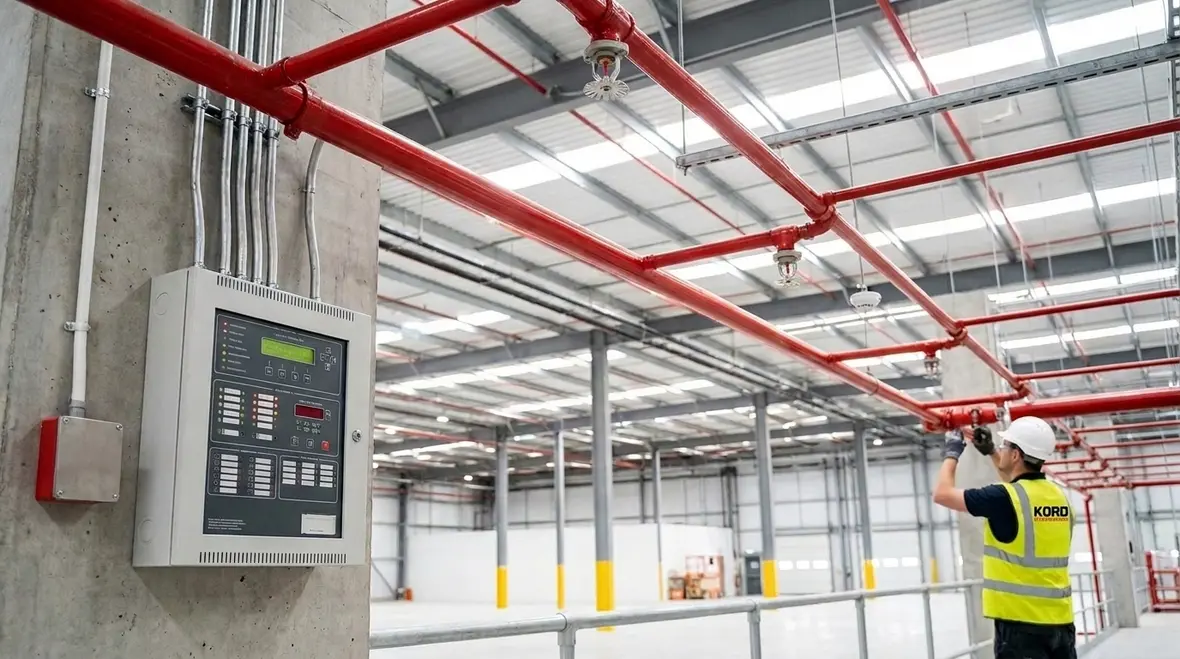
NFPA 15 Section 5.12 Detection Systems Water Spray Activation
Quick Answer
NFPA 15 Section 5.12 covers how detection systems must trigger water spray activation with speed, accuracy, and reliability. In plain terms, the system must spot trouble fast and start the spray without delay. For industrial, retail, and commercial sites, Kord Fire Protection can help design, install, test, and maintain these systems properly. Facilities that need broader support can also explore full fire protection services for coordinated inspection, testing, installation, and maintenance support.
NFPA 15 detection systems water spray activation matters because the first few moments of a fire event can decide the outcome. In industrial plants, warehouses, shopping centres, and commercial facilities, a water spray system must react the right way, at the right time, and for the right hazard. Section 5.12 sets the rules for detection, while the rest of the standard helps make sure the system works as intended. That may sound a bit like paperwork with a hard hat, yet it is the kind of paperwork that keeps people, assets, and operations safer.
When a facility uses NFPA 15 detection systems water spray activation correctly, it does more than turn on water. It creates a controlled response that helps cool equipment, reduce heat, and limit fire spread. As a result, the system becomes part of a broader risk strategy, not just a box on the wall that everyone hopes never gets tested. That is where skilled support matters, and Kord Fire Protection can become a vital partner in that work.
What NFPA 15 Section 5.12 expects from detection systems
Section 5.12 focuses on how the detection system starts water spray operation. It requires the detection method to suit the hazard and the layout. Therefore, the system must detect the right event and send the signal without confusion. A heat detector, flame detector, smoke detector, or other approved device may be used, depending on the risk.
The main idea is simple. The detector must match the danger. For example, a fast changing industrial process may need quicker detection than a slow moving storage area. In practice, that means design teams must think about temperature, airflow, ceiling height, obstructions, and the type of fire likely to occur. No one wants a system that acts like a sleepy security guard after lunch.
Matching detection to the actual hazard
This is where many projects either become smart or become expensive. A detector that performs well in one environment may struggle in another. High airflow can dilute smoke before it reaches a sensor. Hot equipment can create background conditions that make heat detection trickier. Tall spaces can stretch response times if devices are placed without real thought. The standard pushes teams to stop treating detection like a generic add on and start treating it like a deliberate hazard control tool.
How detection triggers water spray activation
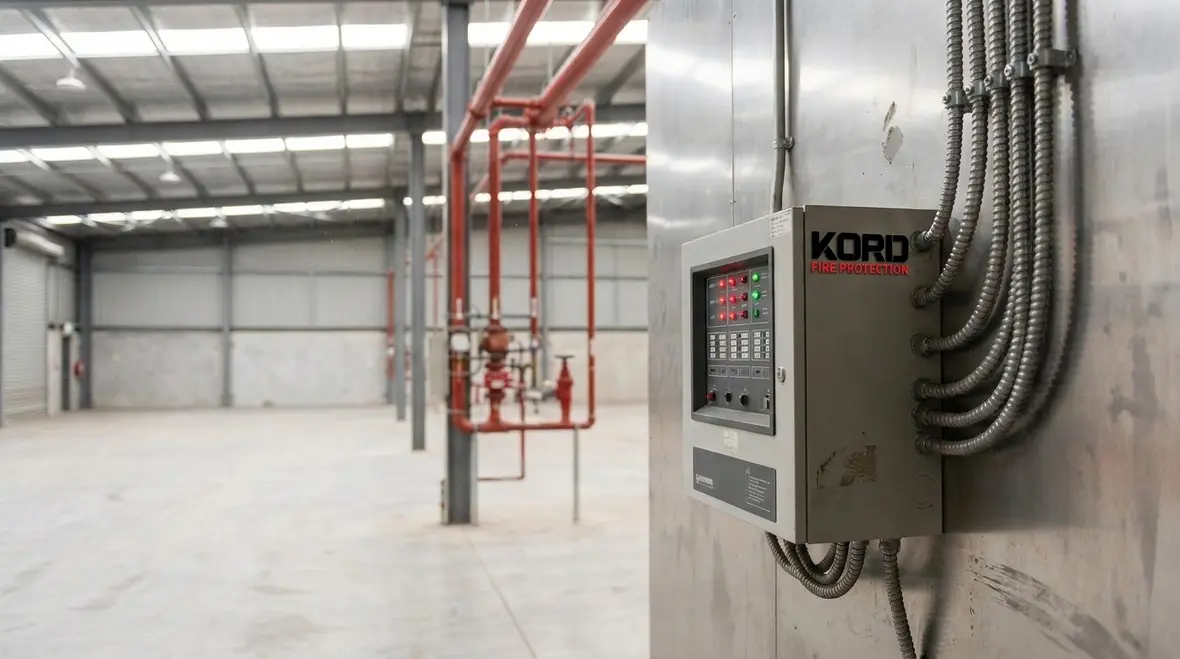
Detection systems do not work in isolation. Instead, they send a signal to the release mechanism or control panel that starts the water spray. This action must happen reliably and with enough speed to support the hazard control goal. In many facilities, the system also includes alarms, shutdown interlocks, and supervision signals.
Here is the basic flow in plain language:
Detection side
Heat, flame, or smoke is sensed
Control logic confirms the event
Signal is validated for the protected hazard
Action side
Signal goes to the control system
Release device opens or activates
Water spray begins and fire growth is controlled or reduced
This chain sounds simple, yet each step must work under real site conditions. Therefore, design and commissioning need close attention. A loose wire, wrong detector type, or poor location can slow the response. Fire protection does not forgive guesswork. It has a very short patience level, like a movie sequel nobody asked for.
In better designed systems, the activation sequence is not just fast. It is also organized. The correct zone opens, the right alarm functions operate, and connected equipment responds the way the fire strategy intended. That matters in facilities with conveyors, transformers, process skids, flammable liquid handling areas, or mixed use commercial operations where one hazard should not trigger chaos across the entire property.
Why release logic deserves attention
Release logic is one of those subjects that sounds boring until it is suddenly very interesting. If the logic is poorly configured, the system might activate too late, activate in the wrong area, or fail to coordinate with shutdown sequences. That is why commissioning needs to prove not only that detectors see the event, but that the event travels through the control path cleanly and ends with the right hydraulic response.
Where the standard affects industrial and commercial facilities
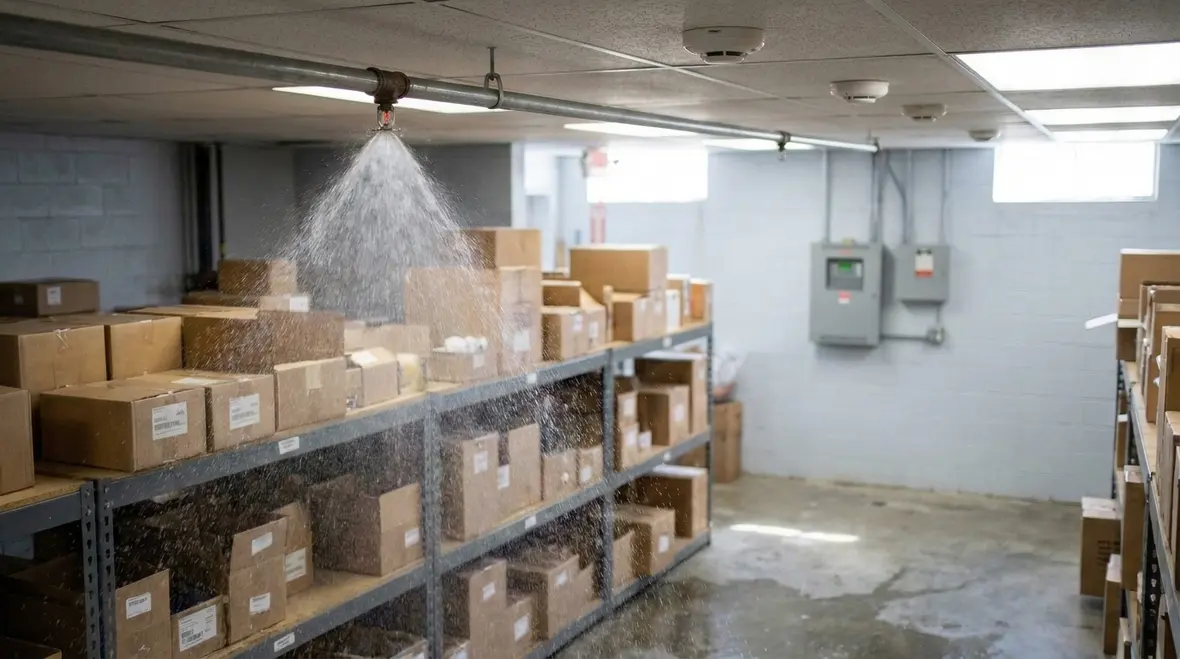
Industrial and commercial sites often use water spray systems for hazards such as transformers, process equipment, flammable liquid areas, conveyor systems, and special risk zones. NFPA 15 offers a strong design reference for many owners, engineers, and insurers when a project calls for fixed water spray protection tied to dependable detection.
Because these sites often run around the clock, downtime can be expensive. Therefore, detection must support business continuity as much as safety. A well planned system helps reduce unplanned shutdowns, protects key assets, and supports compliance goals. It also gives facilities teams a clearer path during audits, maintenance, and emergency planning.
That practical side matters more than people sometimes admit. A system that activates correctly can mean the difference between a controlled incident and a long recovery filled with repair schedules, insurance calls, and some very unhappy meetings. Reliable detection is not dramatic when it works. That is actually the point.
Common environments where detection quality matters most
Transformer protection areas where heat release can escalate quickly
Industrial process zones with changing temperatures, moving equipment, or vapours
Warehouses and storage spaces where height and obstructions affect detector performance
Retail and commercial buildings that need zoning without disrupting unrelated operations
Special hazard spaces that require coordinated alarms, shutdowns, and discharge timing
If your team is comparing approaches for upgrades or reviewing system performance, the related article on industrial fire protection upgrades in Australia for compliance adds useful context on detection, documentation, and readiness planning. For sites specifically dealing with fixed spray design guidance, it also makes sense to review NFPA 15 enhancing fire safety with water spray fixed systems as a natural next read.
Why system design, testing, and maintenance matter
A detection system only works well if the design fits the real hazard. That means the installer must choose the right detectors, place them correctly, and connect them to a dependable release arrangement. In addition, the system must be tested so the site knows it will activate when needed.
Testing should confirm:
Detector operation under expected conditions
Signal transfer to the control panel or release device
Water spray activation in the correct zone
Alarm and shutdown functions, where required
Ongoing supervision and maintenance readiness
Because facilities change over time, a system that once worked well may need review after equipment moves, layout changes, or process updates. A new rack, wall, or machine can affect detector coverage more than people expect. Fire systems are a bit like good stage lighting. Move one piece, and the whole scene changes.
Maintenance also has a discipline problem in many buildings. Everyone likes the idea of reliable protection, but not everyone likes scheduling tests during busy operations. Still, delayed checks have a way of becoming expensive lessons. Consistent inspection and maintenance give teams confidence that the system still reflects the site as it exists now, not as it looked three fit outs ago.
Questions testing should answer clearly
A proper test should answer a few plain questions. Did the detector react as intended. Did the signal travel without delay. Did the right release sequence occur. Did the spray discharge where it should. Did supporting functions such as alarms, supervisory signals, and shutdowns respond correctly. If any answer is vague, the system needs more attention, not more optimism.
How Kord Fire Protection supports NFPA 15 projects
Kord Fire Protection can become a vital partner when a site needs a practical and compliant approach to NFPA 15 detection systems water spray activation. Their role can include system design support, installation, testing, inspection, and maintenance across industrial, retail, and commercial facilities. Just as important, they can help facility teams match the detection method to the actual hazard instead of using a one size fits all setup.
That support matters because many sites need more than hardware. They need clear advice, careful setup, and reliable follow through. Kord Fire Protection can help bridge the gap between standards and day to day operation. In other words, they help turn a code requirement into a working protection plan, which is a lot more useful than a binder collecting dust in the office.
Teams that also need suppression specific support can naturally connect this work with commercial fire suppression system services, especially where detection, discharge, inspections, and ongoing maintenance all need to line up under one service path.
What facility managers should ask before installation
Before any project begins, managers should ask a few direct questions. What hazard does the system protect? Which detector type fits the area? How fast must the system react? How will the release signal travel? Who will test and maintain the setup over time?
These questions help teams avoid costly mistakes. They also support smarter budgeting and better coordination with operations staff, insurers, and contractors. Since water spray systems often protect critical assets, the upfront planning stage deserves serious attention. A calm decision now can prevent a frantic one later.
Has the hazard classification been reviewed against actual site conditions
Will airflow, obstructions, or equipment heat affect detector performance
Is the release logic simple, documented, and testable
Can the protected zone be maintained without disrupting the whole facility
Is there a realistic long term plan for inspection, testing, and maintenance
FAQs about NFPA 15 detection and water spray systems
Conclusion
For sites that depend on reliable fire protection, NFPA 15 detection systems water spray activation is not a side note. It is the point where detection becomes action. With the right design, testing, and maintenance, facilities can protect people and operations with far more confidence.
Kord Fire Protection can help make that happen, from planning through ongoing service. For industrial and commercial sites, that partnership can make all the difference. It is a practical way to make sure the system does not just exist on paper, but performs when the day gets difficult.

Join Our Newsletter!
Get the latest fire safety tips delivered straight to your inbox From our Newsletter.



