NFPA 15 Section 5.11 Alarm Requirements for Water Spray
Quick Answer
NFPA 15 Section 5.11 requires water spray fire protection alarms to give clear, reliable warning when a system activates or loses pressure. In practice, that means people and equipment stay safer, response times improve, and damage stays lower. Kord Fire Protection can help businesses design, test, maintain, and support these systems with steady, expert service.
Near the start of any compliance conversation, it helps to work with a team that already handles fire sprinkler system service across design support, inspections, repairs, and maintenance. For facilities using water spray protection around critical equipment, that kind of hands-on support makes the alarm side of the system much easier to keep dependable.

NFPA 15 alarm requirements water spray systems matter because they turn a hidden fire control tool into a visible warning system. In industrial, commercial, retail, and facility settings, those alarms help teams act fast when a water spray system opens, trips, or needs attention. And yes, that little alarm is not just a noisy box on the wall doing drama like it auditioned for a Marvel movie. It is a critical part of life safety and asset protection.
What NFPA 15 Section 5.11 Means in Practice
NFPA 15 Section 5.11 focuses on alarms for water spray fire protection systems. In simple terms, the system must tell people when water spray starts, when a valve operates, or when a trouble condition appears, depending on the setup. As a result, site teams do not have to guess whether the system has done its job.
For industrial and commercial sites, this matters because water spray systems often protect high risk assets such as transformers, conveyors, tanks, pumps, and process equipment. If an alarm fails, the system may still release water, but the delay in response can cost time, money, and business continuity. Therefore, NFPA 15 alarm requirements water spray systems support both safety and fast action.
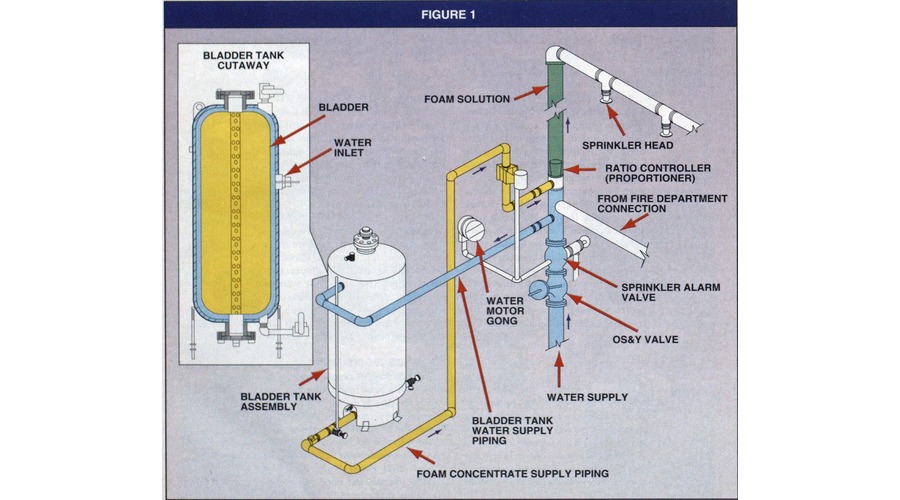
That practical side is why related guidance such as NFPA 15 enhancing fire safety with water spray fixed systems fits naturally into the conversation. Alarm performance is not a side note. It is part of how the whole protection strategy becomes visible, actionable, and useful when conditions change fast.
Why the Alarm Portion Carries More Weight Than People Expect
A lot of teams think first about spray nozzles, piping, valves, and discharge patterns, which makes sense because those are the parts people can picture. But the alarm function is what turns system operation into information. Without that signal, a discharge event can stay local for too long, especially in large facilities, noisy environments, or areas where equipment sits far from routine foot traffic. In other words, the alarm helps translate mechanical action into human response.
How Water Spray Alarms Support Fire Protection
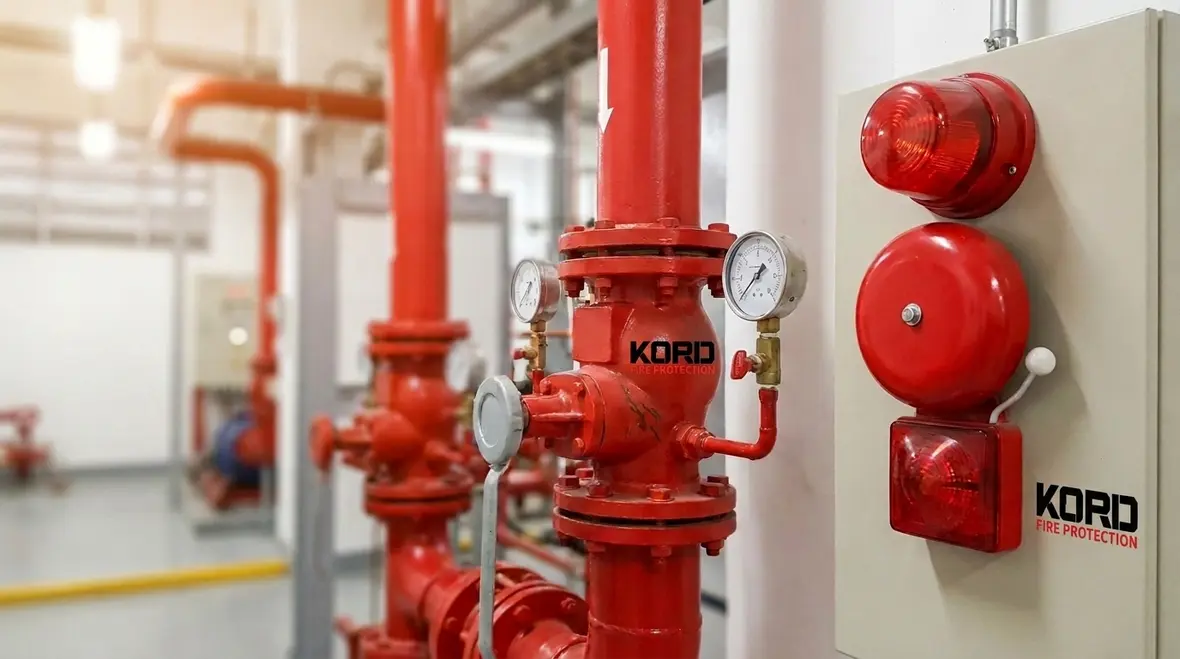
Water spray alarms do more than ring a bell. They help link the fire protection system to the people who need to respond. In many facilities, the alarm can trigger local alerts, monitoring signals, or control room notification. Moreover, that early signal can prompt evacuation, shutdown, or emergency checks before the situation grows larger.
They confirm system operation quickly
They warn staff during active discharge
They help identify faults or pressure loss
They support monitoring and incident response
They reduce the chance of silent system failure
In short, the alarm is the system’s voice. Without it, the protection may work, but the people in charge may be left in the dark. And that is never a great business strategy, no matter how bold the spreadsheet looks on Monday morning.
From Hidden System Action to Immediate Awareness
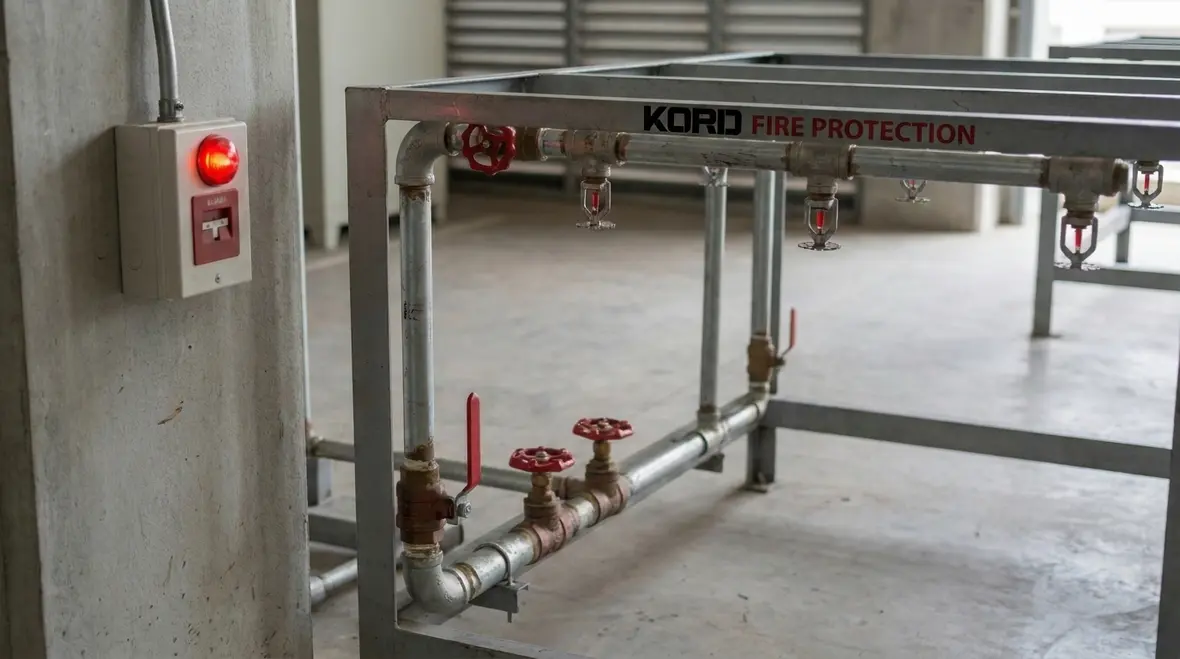
In many facilities, a protected hazard does not sit in the middle of an open office where everyone instantly notices a problem. It may be outside, inside a plant area, near process equipment, behind barriers, or surrounded by machine noise. That is exactly why alarm notification matters so much. The signal creates awareness beyond the hazard zone itself, helping supervisors, operators, security staff, and emergency contacts move from uncertainty to action without wasting precious time figuring out what happened.
What Facilities Should Check During Design and Installation
Facilities should treat alarm design as part of the full fire protection plan, not as an afterthought. To stay aligned with NFPA 15 alarm requirements water spray systems, teams should review the following early in the project.
Design Focus
Alarm type and location
Signal connection
Pressure or flow detection
Power and backup support
Accessibility for testing
Why It Matters
Helps staff hear or see the warning where action is needed
Supports monitoring, control room response, and fault reporting
Confirms the system actually operated
Keeps alarms working during outages or system faults
Makes inspections and service easier over the system life
In addition, the site should match alarm methods to the risk, the building layout, and the response plan. A warehouse with long aisles may need different coverage than a process plant with noisy machinery. Meanwhile, a retail site may need quick visual and audible alerts that cut through background noise like a studio audience reacting to a surprise plot twist.
It also helps to think through maintenance from day one. If alarm devices are hard to reach, hard to isolate, or hard to verify, the system may become harder to keep reliable over time. Good design does not just work on commissioning day. It stays workable for inspections, tests, repairs, documentation, and real-world service calls long after the install crew leaves.
How Testing and Inspection Keep the System Ready
Even a well designed alarm can fail if no one checks it. That is why testing and inspection matter so much. Regular checks confirm that the alarm activates, signals properly, and stays dependable under real conditions.
Functional alarm tests
Valve and water flow checks
Signal verification to panels or monitoring points
Inspection of wiring, devices, and power supply
Review of trouble signals and corrective actions
Furthermore, records matter. A facility that keeps clear logs can spot patterns early, such as nuisance alarms, weak signals, or failing devices. That makes repairs faster and helps avoid repeat issues. It also keeps the site ready for audits, insurer reviews, and internal compliance checks.
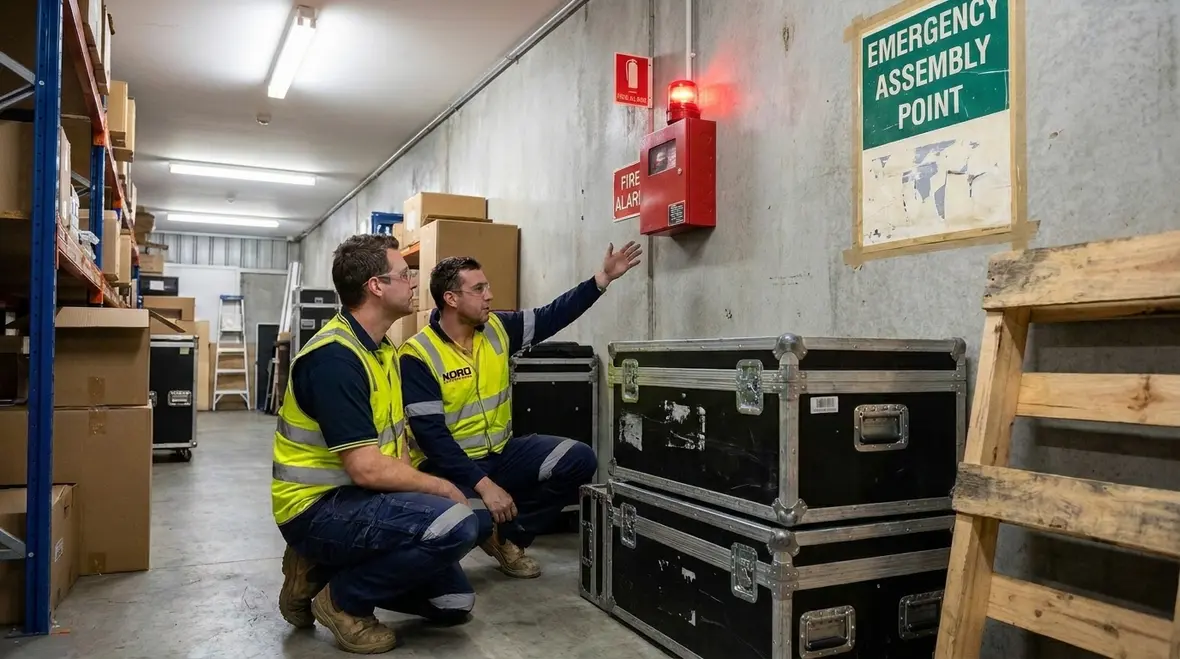
Testing Is What Separates Installed From Ready
There is a big difference between having an alarm on the plans and having an alarm that performs when site conditions get messy. Dust, vibration, wear, electrical issues, poor adjustments, and unnoticed faults can all chip away at reliability. Routine testing closes that gap. It proves the signal path, confirms notification, and gives facilities a chance to solve small problems before they become expensive surprises. Nobody wants to discover an alarm issue during the exact moment the system was supposed to be the hero.
Where Kord Fire Protection Adds Real Value
Kord Fire Protection can become a vital partner because it supports the entire life cycle of the water spray alarm system. That includes design guidance, installation support, testing, maintenance, fault finding, and ongoing service. As a result, facilities get one partner who understands both code intent and practical site needs.
Reviewing alarm placement and system fit
Supporting compliant installation and commissioning
Testing alarm function under real site conditions
Finding faults before they become failures
Keeping service records clear and useful
In busy industrial and commercial environments, that kind of support saves time and reduces risk. Also, it helps site managers stay focused on operations instead of chasing alarm faults like they are in a suspense series with eight seasons and no ending in sight.
That support also connects well with Kord Fire Protection’s broader full fire protection services, where sprinklers, alarms, extinguishers, and ongoing maintenance fit together instead of being treated like separate islands. For facilities managing multiple systems, that joined-up approach makes coordination easier and reduces the risk of something important slipping between vendors.
Why Facilities Should Care Now
Facilities face pressure to protect staff, keep operations running, and avoid costly shutdowns. Water spray systems serve a narrow but important role in that effort, especially around high hazard assets. Therefore, alarm performance should never sit in the background.
When alarm systems work well, teams respond faster, damage drops, and confidence improves. When they do not, small issues can turn into large losses. For that reason, owners and managers should treat NFPA 15 alarm requirements water spray systems as a key part of site risk control, not just a technical detail buried in a manual.
A Small Signal With Big Operational Consequences
This is one of those details that seems small until the day it is not. Alarm visibility affects response timing, coordination, shutdown decisions, incident investigation, and post-event recovery. For sites with critical assets, even a short delay can multiply cost and disruption. That is why treating alarm requirements seriously is not overkill. It is smart operations, plain and simple.
FAQ
Conclusion
NFPA 15 alarm requirements water spray systems play a direct role in safe and reliable fire protection. For industrial, retail, commercial, and facility sites, the right alarm setup can make all the difference. A visible, dependable signal helps teams react faster, coordinate better, and reduce the chance that a working system goes unnoticed when every minute counts.
Kord Fire Protection can help keep those systems ready, compliant, and effective through practical service, testing, maintenance, and support. So, if the goal is fewer surprises and better protection, it is time to bring in a partner who knows the job well and keeps alarm performance from becoming the weak link in an otherwise strong fire protection strategy.

Join Our Newsletter!
Get the latest fire safety tips delivered straight to your inbox From our Newsletter.