
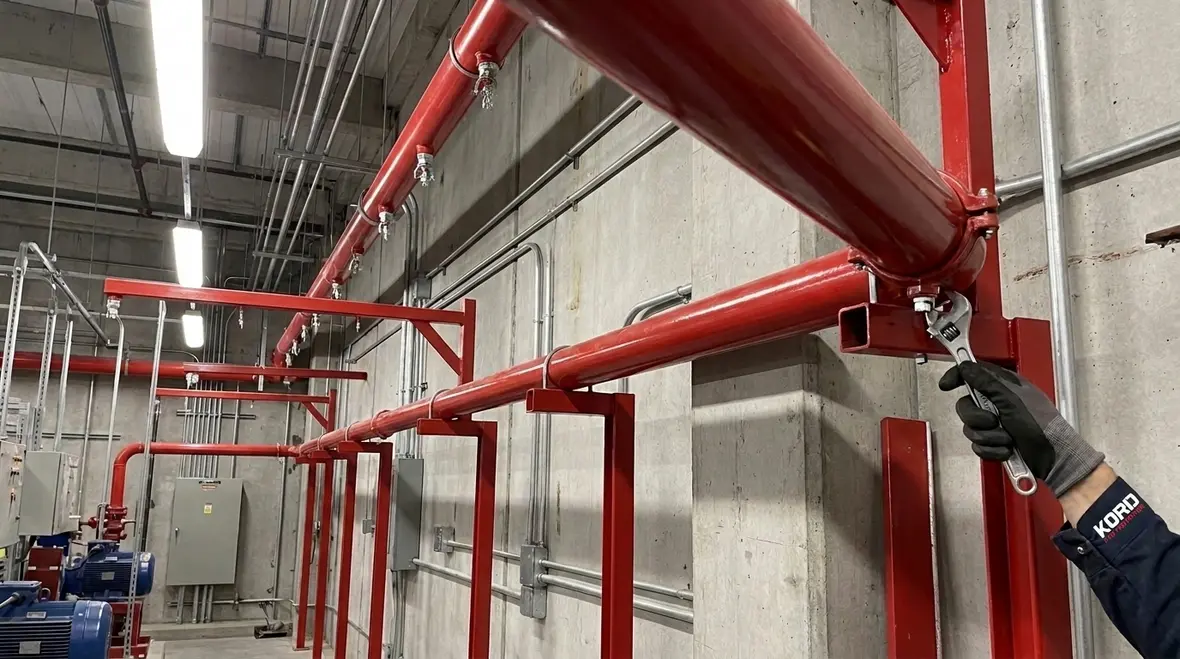
NFPA 15 Section 6.1 Installation Basics for Water Spray Systems
Quick Answer
NFPA 15 Section 6.1 sets the basic installation rules for water spray systems, and those rules protect people, property, and critical equipment when heat turns ugly fast. In simple terms, the system must be built, placed, and supported so it works exactly when needed. That is where Kord Fire Protection can step in as a steady, skilled partner.
Water spray systems do not get much glory. They sit quietly, do the heavy lifting, and wait for trouble like a very serious stage crew. Yet in industrial, retail, and commercial sites, NFPA 15 installation basics water spray systems matter because poor setup can make a good design fail at the worst time. Section 6.1 focuses on the foundation: where equipment goes, how it is supported, and how it connects to the rest of the fire protection plan. When that foundation is sound, the system can do its job without drama. And in fire protection, drama is for movies, not plant rooms.
Near the start of any project, it also helps to understand how this topic fits into broader fire suppression system services. A water spray setup is never a random pile of hardware with ambition. It is one part of a larger protection strategy that has to suit the hazard, the building, and the people responsible for keeping everything inspection ready.
What NFPA 15 Section 6.1 Covers
The basic rules that keep the system useful instead of decorative
Section 6.1 deals with the basic installation requirements for water spray systems. It guides the installer on how to place components so water reaches the hazard area quickly and in the right pattern. It also helps reduce damage from heat, flame spread, and exposure to nearby assets. In other words, this is the part where common sense gets written down so nobody can pretend a shrug counts as a method.
- Fit the hazard it is meant to protect
- Deliver water to the target area without delay
- Stay stable under service and emergency conditions
- Avoid conflicts with other building services
- Support reliable maintenance and inspection access
So, the rule is not just about pipes and nozzles. It is about making the whole setup work as one calm, coordinated response. That means layout, support, access, and connection points all need to pull in the same direction. If one part is installed like it belongs to a different project entirely, the system can lose efficiency fast.
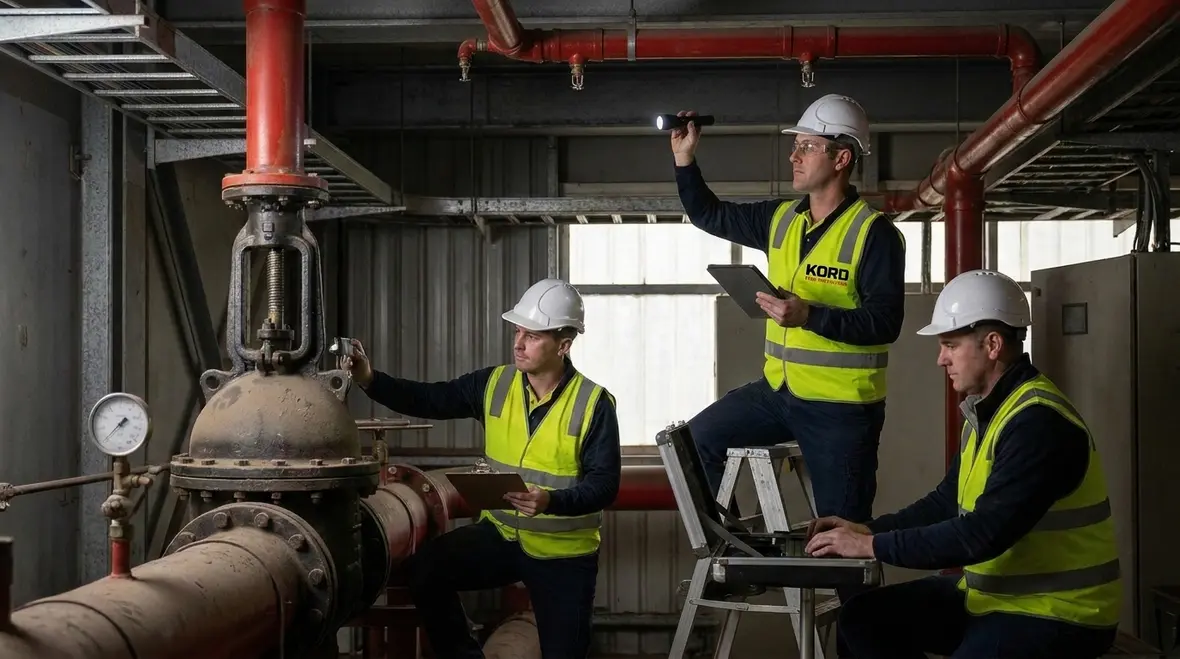
How a Water Spray System Should Be Installed
Match the installation to the hazard, not the other way around
A proper installation starts with the hazard itself. A transformer yard, conveyor line, fuel area, switchroom, or processing zone each needs a different approach. Therefore, the system layout must match the risk, the shape of the space, and the exposure points. Copy and paste is wonderful for emails and terrible for hazard protection.
Installers must position spray devices so they cover the intended surfaces evenly. At the same time, they must avoid blocked spray paths, poor overlap, or dead zones. That part matters more than people think. Water cannot read signs, and it will not politely move around a beam because a designer hoped it would.
Support and alignment also matter. Piping must stay secure, and nozzles must stay aimed correctly. Moreover, the system should connect cleanly with the water supply, control valves, alarms, and any associated detection equipment. When each part sits in the right place, the system behaves like a well trained team rather than a group chat full of mixed opinions.
This is also a smart place to connect the topic to Kord Fire Protection’s broader guide on NFPA 15 water spray fixed systems. That resource helps frame why installation is not an isolated task. It is part of a larger fire safety picture where pressure, coverage, detection, and hazard protection all need to agree with each other before anyone sleeps well.
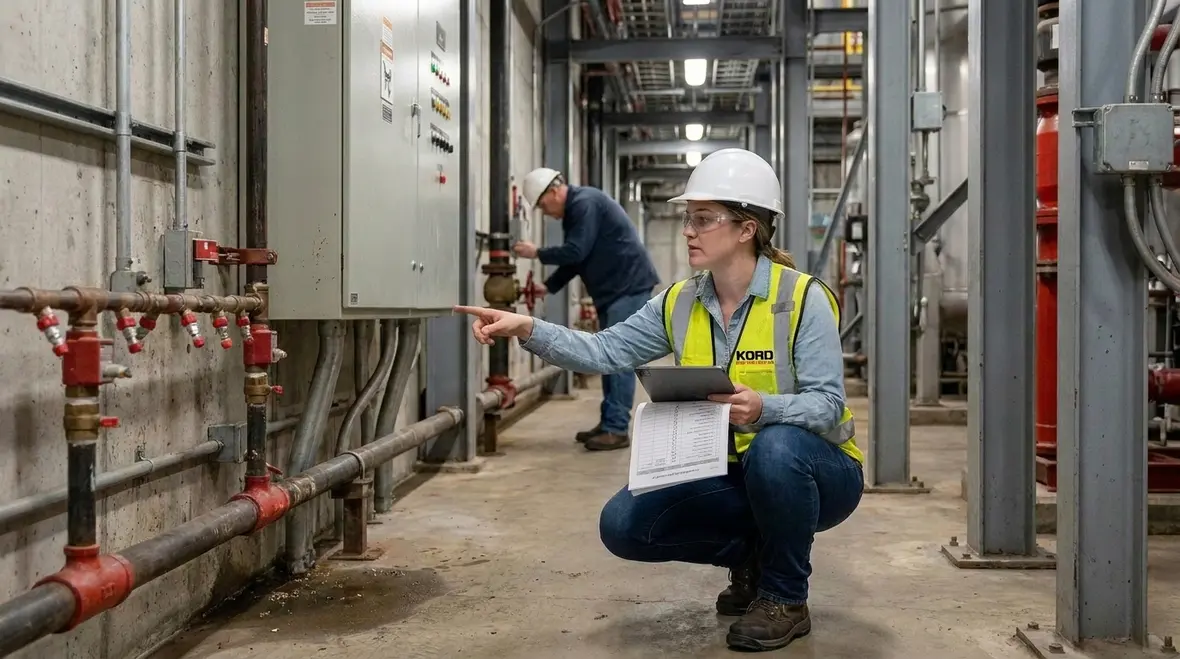
Why Installation Quality Affects Performance
A good design can still trip over a bad install
A water spray system only performs as well as its installation. If the pipework sags, the spray pattern shifts. If the nozzle spacing misses the hazard, coverage drops. If access is poor, maintenance becomes harder, and small issues can grow legs. None of that is exciting, but all of it is expensive.
- Coverage over the full hazard zone
- System response during activation
- Long term reliability and service life
- Inspection and testing efficiency
- Compliance confidence for site managers and owners
In busy facilities, that confidence matters. It helps reduce downtime, avoids rework, and supports safer operations across shifts, tenants, and contractors. A system that has been installed carefully tends to be easier to inspect, easier to test, and much less likely to surprise the site team with a hidden issue at the exact wrong moment.
Key installation priorities
- Correct nozzle placement
- Secure pipe support
- Clear access for service
- Compatible water supply
- Coordination with other services
Why each one matters
- It ensures the spray reaches the hazard with proper spread and coverage
- It keeps the system stable and protects alignment over time
- It helps teams inspect, test, and maintain the system without delay
- It gives the system the flow and pressure it needs during fire conditions
- It reduces clashes with electrical, mechanical, and structural elements
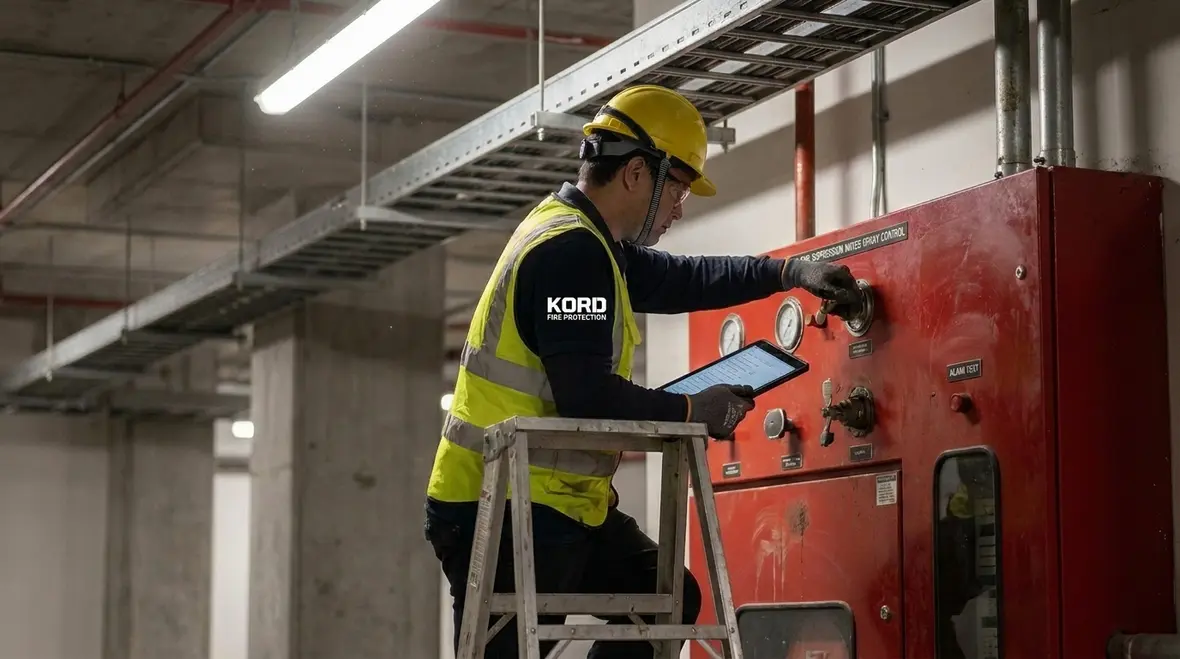
How Kord Fire Protection Supports the Job
Technical help that saves time, rework, and headaches
Kord Fire Protection can become a vital partner because water spray systems demand more than basic labour. They need planning, technical skill, and a careful eye for detail. That is especially true on industrial and commercial sites where operations cannot simply pause for a guess and a prayer.
- Interpreting installation requirements and site constraints
- Coordinating the system with plant layout and building services
- Delivering installation work that supports reliable performance
- Checking that the final setup suits the hazard and the application
- Supporting testing, commissioning, and ongoing service needs
In addition, a strong partner helps reduce rework. That saves time, protects budgets, and keeps projects moving. For facilities managers and project leads, that is a very fine thing indeed. It also means fewer awkward moments where everyone stares at an obstruction that somehow appeared after the design was approved and now acts like it has always lived there.
For sites with more complex hazards, Kord Fire Protection also provides specialized support across related suppression solutions, including water mist, foam, clean agent, and industrial fire suppression applications. That wider experience matters because installation decisions rarely live in isolation. They usually affect access, commissioning, future maintenance, and how the full protection strategy behaves under pressure.
What Sites Should Watch For Before Commissioning
Catch the practical problems before they become official problems
Facilities face a wide mix of risks. Some sites deal with heat, dust, and machinery. Others manage stock protection, power equipment, or critical service rooms. Therefore, the installation approach must suit the site, not a generic template borrowed from somewhere else and dressed up like it belongs.
- Changes in plant layout after design approval
- Obstructions that affect spray coverage
- Poor access around valves and nozzles
- Pipe support issues caused by vibration or movement
- Gaps between the fire protection design and real site conditions
When the installer addresses these issues early, the final system usually performs better and lasts longer. Before commissioning, the team should review the installation against the design intent and the relevant standard. They should confirm that devices sit correctly, controls operate as planned, and the water supply can support the system demand.
Furthermore, they should document any changes made during installation so the records match the final build. This step does more than tick boxes. It gives owners, insurers, and managers proof that the system was installed with care. And in the real world, proof tends to travel farther than promises.
FAQ
Conclusion
NFPA 15 Section 6.1 gives water spray systems their starting point, but expert installation gives them their real strength. For industrial, retail, and commercial sites, that difference matters. The standard sets the basics, yet the real result depends on whether the system is placed, supported, and coordinated to suit the actual hazard.
Kord Fire Protection can help turn design intent into a dependable fire protection asset. When the stakes are high, a steady partner is worth its weight in steel pipe. That is the kind of boring reliability people should absolutely brag about after the emergency never happens.

Join Our Newsletter!
Get the latest fire safety tips delivered straight to your inbox From our Newsletter.



