Special Hazard Fire Suppression in Australia by Kord
Quick Answer (40 to 60 words)
Special hazard fire suppression helps reduce risk in the toughest environments like chemical storage, data-heavy facilities, and high-value process areas. It works faster than many traditional methods and protects people, equipment, and uptime. With Kord Fire Protection as a partner, facilities in Australia can design, install, test, and maintain systems that stay ready.
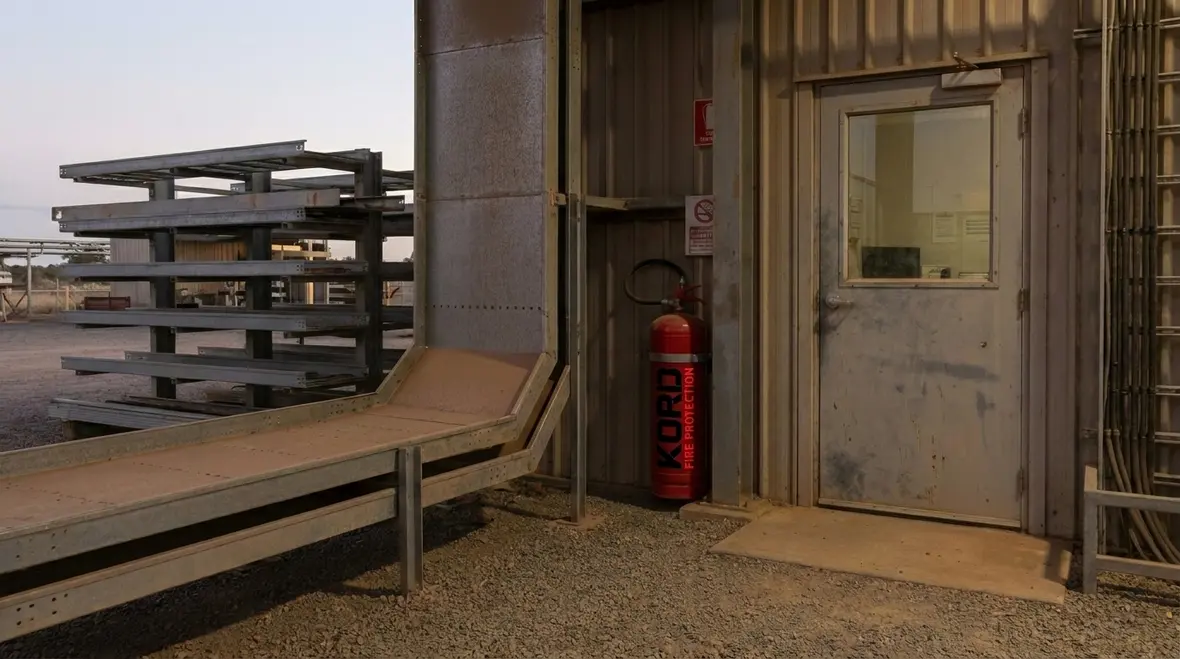
In specialized hazard areas, a fire can travel from “small problem” to “major incident” in minutes. That is why special hazard fire suppression matters early, not after smoke starts making announcements. These systems target the fuels, the energy sources, and the real ignition patterns found in industrial sites, retail backrooms, and commercial plant spaces. At the same time, they reduce downtime and help protect critical assets, from product to process control gear. And because nobody budgets for surprise closures, advanced suppression supports a practical risk plan.
Near the top of any protection strategy, it also helps to connect suppression planning with broader life-safety communication. Kord Fire Protection’s fire alarm monitoring systems service fits naturally here, because fast detection, reporting, and coordinated response strengthen what suppression is meant to accomplish once conditions turn serious.
Why specialized hazard spaces need more than basic sprinklers
In ordinary buildings, conventional sprinklers can be effective. However, specialized hazard areas often behave differently. For example, some zones involve flammable liquids, reactive materials, or high heat loads that can outpace standard coverage. Additionally, certain spaces may contain equipment that cannot get wet, or areas where smoke and residue create major recovery costs.
To keep risk under control, facilities must think beyond “will it activate.” They should ask whether the system matches the hazard class, the fire growth rate, and the operational constraints. Meanwhile, advanced suppression uses engineering choices that aim to control the fire fast, with less collateral damage. Because if the cure ruins the patient, the patient still has a problem.
Where the risk profile changes the whole conversation
That difference is exactly why specialized hazard spaces cannot be treated like standard occupancies with slightly worse manners. A room filled with sensitive controls, battery systems, solvents, packaging stock, or tightly packed process equipment creates a fire problem with its own pace and personality. The wrong suppression approach may arrive late, spread unevenly, or leave behind a recovery mess that keeps operations offline long after the flames are gone.
Kord’s broader service planning can also connect these protection goals with monitored alarm communication, especially when facilities want detection, notification, and emergency reporting to work as one coordinated response layer rather than a collection of expensive devices trying their best.
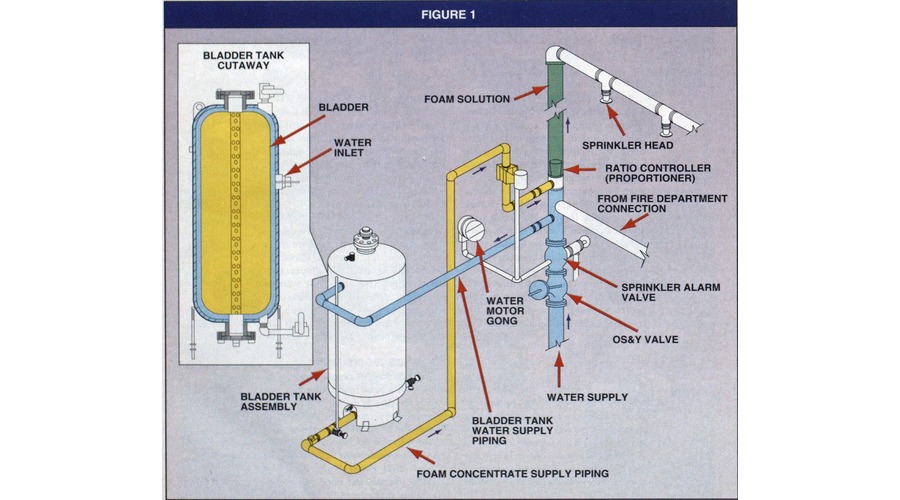
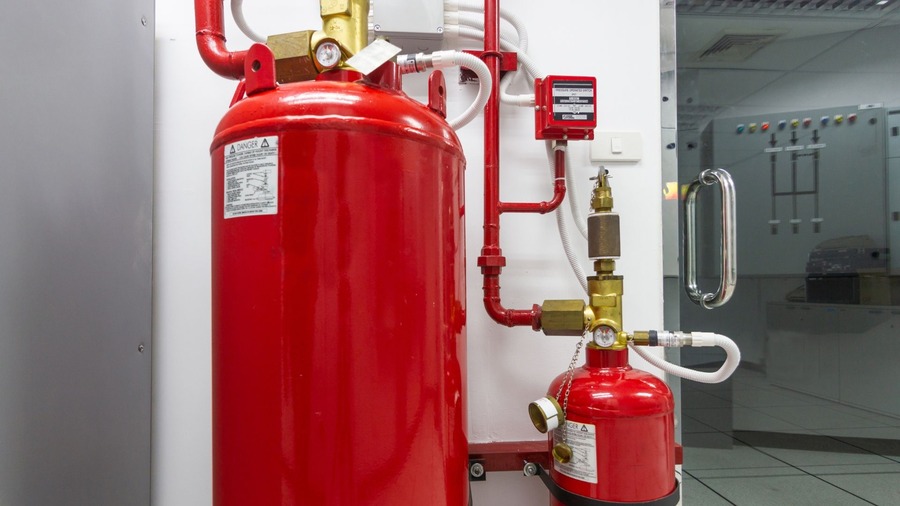
How advanced suppression mitigates risk at the source
Advanced suppression focuses on the fire conditions that cause escalation. First, it reduces the chance of ignition spread by rapidly applying an agent designed for the specific fuel type. Next, it limits heat and prevents the fire from sustaining itself. In many systems, the design also accounts for enclosure effects, airflow patterns, and human access routes.
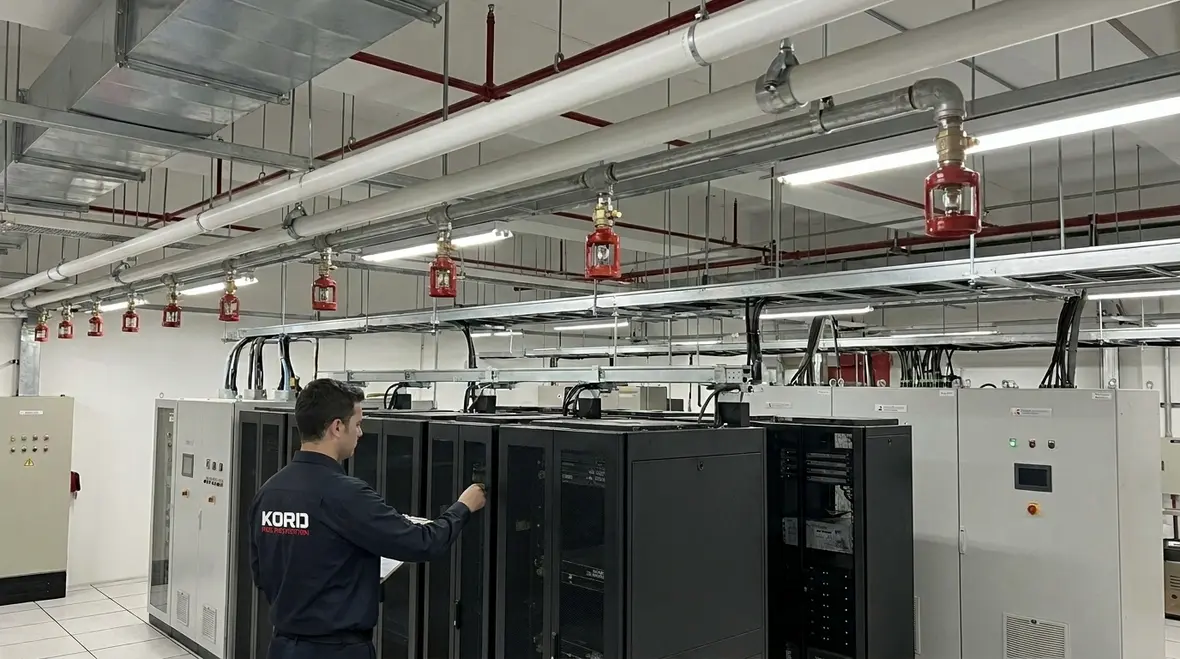
In facilities across Australia, these details matter. Industrial sites can include enclosed control rooms, service corridors with cable runs, and storage areas where materials load tightly. Retail and commercial spaces can include high-density back-of-house zones, packaging rooms, and maintenance areas that store cleaning chemicals. Therefore, a one-size approach often fails, and that is where risk mitigation needs precision.
Finally, advanced systems support faster response and clearer reporting. That means teams can coordinate safe evacuation and incident control with better information. And yes, nobody wants their fire plan to read like a mystery novel where the clues arrive late. The goal is action on time, not dramatic suspense.
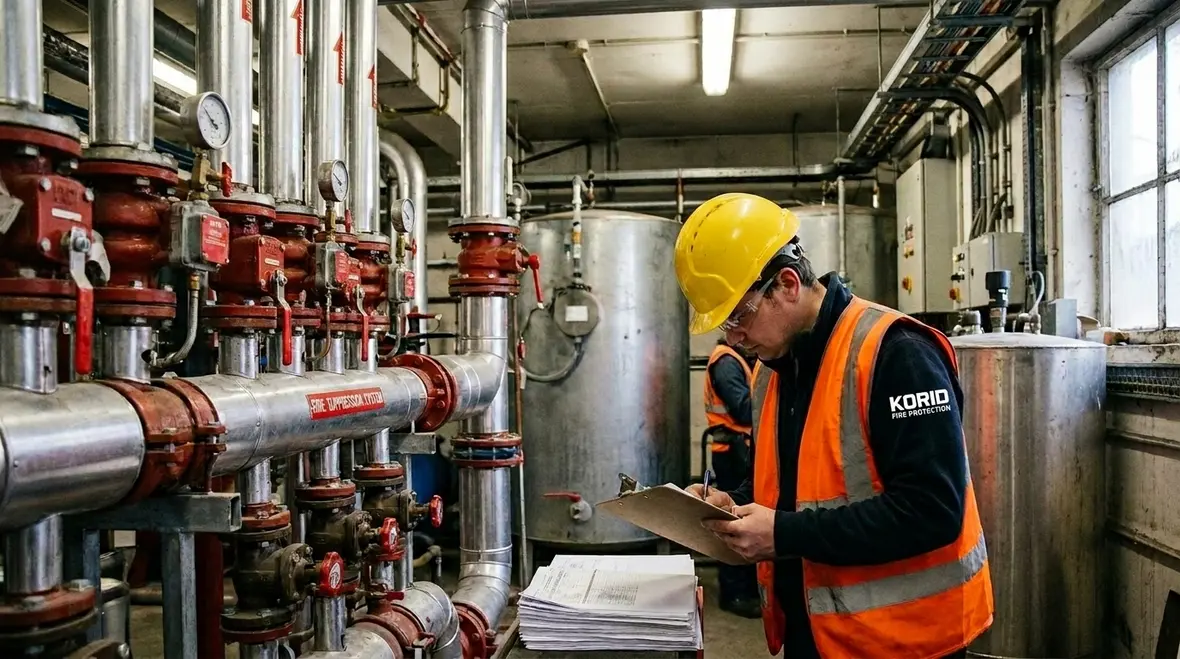
Fast control is really about buying good minutes
Those first minutes matter because fire grows on its own schedule, not yours. When an agent reaches the seat of the fire quickly and behaves the way the hazard demands, it buys time for evacuation, protects nearby assets, and keeps a controllable incident from becoming a facility-wide event. For sites where uptime matters, those saved minutes are often the line between a repair job and a months-long operational headache.
Key design steps that reduce failures during real incidents
Good suppression is engineered before a fire ever happens. Kord Fire Protection typically supports a structured design and verification process so the system performs under actual conditions, not theoretical ones.
- Hazard mapping: teams identify what can burn, how it burns, where it starts, and what could feed it. Then they match the agent strategy to those real scenarios.
- Coverage and discharge calculations: the system design considers enclosure size, ventilation effects, obstruction impacts, and expected agent distribution.
- Detection and control integration: proper detection avoids nuisance trips while still triggering quickly when conditions cross thresholds.
- Activation sequencing: controls coordinate delays and safety interlocks so the system discharges safely for occupants and responders.
- Hand-off and commissioning: installation verification and performance testing confirm the system behaves as designed.
Moreover, these steps reduce the odds of failure during maintenance and real events. Because if the system does not get tested like it will be used, it can drift out of readiness. Transitioning from “installed” to “effective” is where risk mitigation becomes real.
This is also where documentation earns its keep. Drawings, commissioning notes, alarm logic, enclosure assumptions, and maintenance records are not glamorous, but they are what allow a team to verify that the installed system still matches the real building months and years later. A neat binder may not stop a fire, but an accurate record can prevent a lot of very expensive guessing.
Design quality shows up long after installation day
Anyone can feel impressed when new equipment looks tidy and the tags are fresh. The harder test comes later, after layout changes, operational shortcuts, added storage, modified airflow, and a few rounds of “we only moved this temporarily” decisions. Strong design accounts for reality, and real facilities are never as still as the original plans suggest.
Agent selection for flammables, equipment constraints, and clean-up realities
Different hazards call for different suppression approaches. For example, some areas require agents that control fires without causing unacceptable water damage. Other locations involve flammable vapours where rapid knockdown matters most. Additionally, some sites aim to reduce residue that would interfere with sensitive operations or product handling.
As a result, agent selection becomes a business decision, not just a technical one. A facility might weigh clean-up speed, downtime impact, and recovery cost. Then it compares these factors against life safety needs and the practical limits of the space.
In a perfect world, teams never have to choose between “saving the building” and “saving the business.” Yet in the real world, the right special hazard fire suppression plan can support both when it targets the hazard correctly. And that is why experienced partners matter.
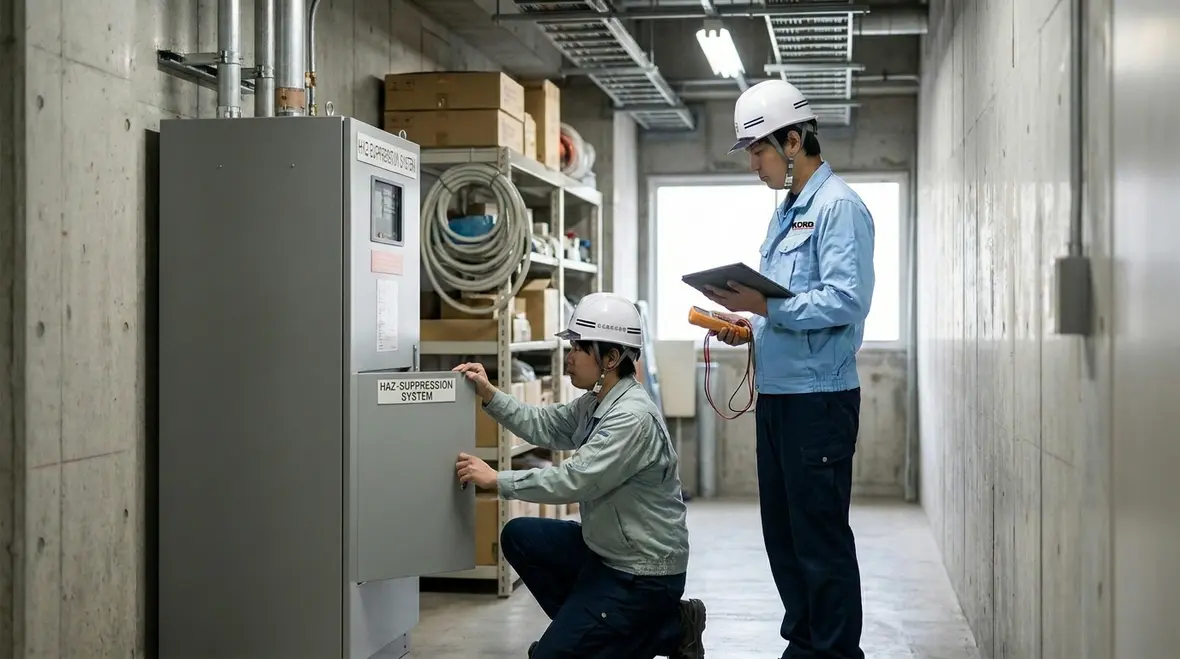
The right agent should protect recovery too
Suppression success is not only measured by whether the fire stops. It is also measured by what the site looks like afterward. If equipment survives, stock remains usable, clean-up stays manageable, and operations can restart without a saga worthy of its own documentary series, then the selection process has done its job. That practical view matters just as much as extinguishment performance.
Where Kord Fire Protection becomes a vital partner
In specialized hazard projects, the gap between good and great often comes down to ongoing support. Kord Fire Protection can act as a vital partner across the full lifecycle, from assessment to installation and maintenance. Instead of handing over a box of parts and hoping for the best, they support practical planning that fits site operations.
First, Kord Fire Protection helps align system design with the facility’s layout, workflow, and risk profile. Then, they coordinate commissioning so performance matches design intent. After that, they support inspection and testing schedules so the system stays in service condition, not shelf condition.
Finally, they support operational readiness. That can include documentation, staff awareness around alarm and discharge behavior, and guidance for keeping hazards controlled. Transition words like “therefore” and “however” often show up in safety documentation, but here’s the human version: when a system is maintained well, it works when everyone needs it most.
That same lifecycle mindset pairs well with Kord’s guide to what fire alarm monitoring is and how it works, especially for facilities that want better coordination between suppression, alarm signals, and emergency response procedures.
Maintenance, testing, and training that keep suppression trustworthy
Even the best system can underperform if maintenance slips. Advanced suppression needs planned inspection, functional checks, and documentation that reflects the current site condition. Facilities change over time: racking moves, storage expands, ventilation improves or fails, and processes evolve. Consequently, the risk profile shifts unless the suppression approach stays aligned with the site.
To reduce that drift, teams should build a maintenance rhythm that matches system requirements. They should also test key components, verify that detection stays calibrated, and confirm discharge paths remain clear. Meanwhile, training supports the people side: crews need to understand what alarms mean, what actions to take, and how to coordinate safe response.
And because people will be people, it helps to keep training clear and repeatable. Think of it like a fire drill, but with less chaos and fewer “why is this beeping?” moments. Training turns a complicated system into a confident one.
Readiness is a moving target
What was correct at commissioning can drift quietly over time. A blocked nozzle, an altered enclosure, a changed storage layout, or a detector that no longer reflects present conditions can all chip away at performance without making a dramatic announcement. Regular testing is how teams catch those small changes before they earn themselves a starring role in a real incident.
Dual-column overview: risk controls and what to verify
Risk control focus
- Match agent to hazard type
- Confirm detection coverage
- Validate discharge distribution
- Plan safe activation sequencing
What teams should verify
- Commissioning records and results
- Serviceability of components
- Maintenance test outcomes
- Updated site layout assumptions
FAQ
Next steps for risk-focused facilities
Special hazard environments demand more than guesswork. A well-designed suppression strategy protects people, assets, and operational continuity. If a facility in Australia wants advanced protection with dependable lifecycle support, Kord Fire Protection can help assess hazards, engineer the right approach, and keep systems verified through service and testing.
Reach out to start a practical risk review. The goal is not just to install equipment and hope for the best. It is to build a suppression strategy that stays ready, matches the real hazard, and supports your operation when the pressure is on.

Join Our Newsletter!
Get the latest fire safety tips delivered straight to your inbox From our Newsletter.