NFPA 15 Section 5.9 Strainer Requirements for Water Spray Systems
Quick Answer: NFPA 15 Section 5.9 requires water spray fire systems to use strainers that protect nozzles and piping from clogging. In practice, that means clean water flow, steady performance, and less downtime. For industrial, commercial, and facility teams, Kord Fire Protection can help design, inspect, and maintain these systems with confidence.
NFPA 15 strainer requirements water spray systems matter because a water spray system is only as good as the water reaching the nozzle. If debris, rust, or scale blocks that path, the system can lose coverage right when it matters most. In busy industrial plants, retail sites, and commercial facilities, that risk is not just inconvenient. It can turn into a very expensive lesson. Section 5.9 of NFPA 15 addresses this by making strainers a core part of system protection, and that simple detail carries a lot of weight.
When a facility team understands the strainer rule, it can reduce failures, simplify upkeep, and keep critical assets protected. And yes, it is one of those topics that sounds dry enough to put a coffee machine to sleep, until a blocked nozzle reminds everyone why standards exist. If your site also needs broader fire sprinkler system service, it makes sense to connect strainer care to the rest of your inspection and maintenance planning.
What NFPA 15 Section 5.9 Means
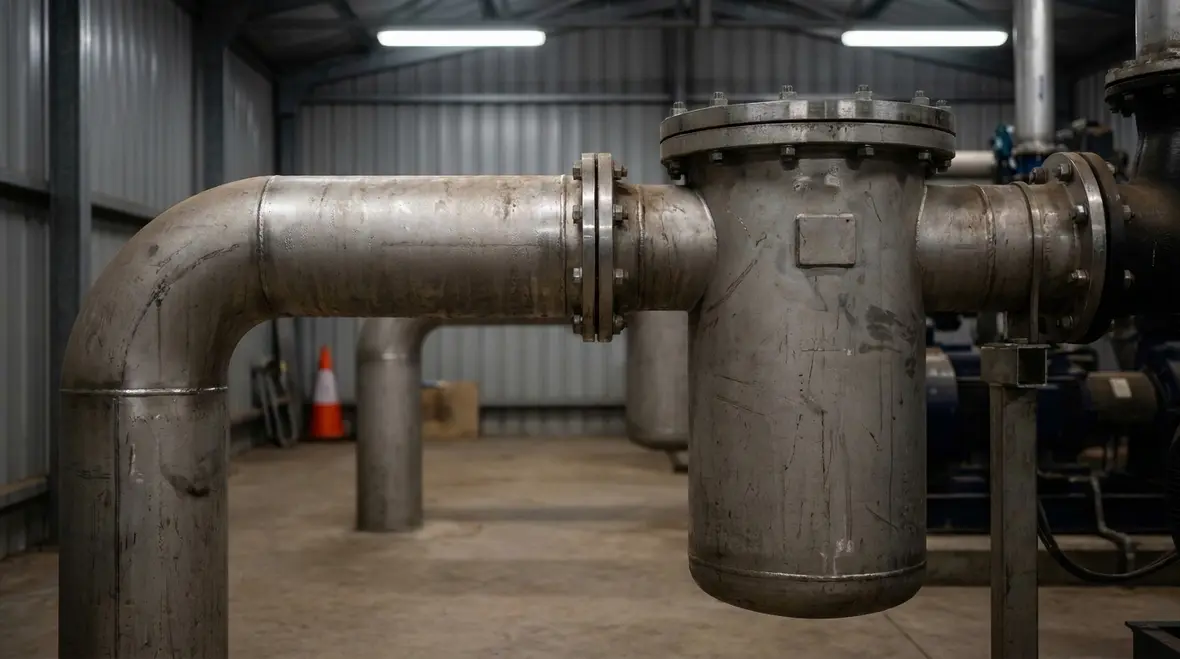
NFPA 15 Section 5.9 deals with strainers used in water spray fire systems. Its purpose is simple. The system must keep debris out of the spray nozzles and other small flow paths that need clear water movement. Because water spray systems often protect transformers, process equipment, conveyor areas, fuel hazards, and other high value assets, even a small blockage can reduce protection fast.
The section pushes designers and owners to treat strainers as essential, not optional. Therefore, the system should include the right type of strainer in the right place, with enough capacity to avoid pressure loss and with access for service. A strainer that nobody can reach for cleaning is like a superhero with no exit plan. It looks good on paper, then causes trouble later.
The practical meaning behind the rule
In plain language, the standard is trying to preserve discharge quality. Water spray systems are engineered around nozzle performance, pattern shape, and flow distribution. Once trash gets into those small orifices, the system stops behaving the way the design intended. So Section 5.9 is less about adding one more component and more about protecting the entire reason the system exists.
This is also why teams should think beyond installation day. A strainer does not solve anything if it is undersized, buried in a miserable access point, or forgotten until inspection time. Good compliance is not just about having the part. It is about making sure the part can actually do its job month after month.
Why Strainers Matter in Water Spray Fire Systems
Water spray systems depend on even discharge. However, piping can collect rust, weld slag, dirt, and other debris during installation or over time. If that material reaches the nozzle, spray pattern quality drops. As a result, the system may not cover the hazard area as designed.
Strainers help stop that chain reaction. They protect nozzles, improve reliability, and reduce maintenance surprises. They also support better testing outcomes because a clean system gives more accurate flow and spray results. For sites with harsh conditions, older pipework, or frequent maintenance work, strainers act like the quiet bouncer at the door. Not glamorous, but very effective.
Small blockage, big consequence
The trouble with blockage is that it rarely announces itself with a dramatic speech. More often, it shows up as reduced pressure, uneven spray, delayed water distribution, or test results that make everyone squint at the paperwork. That can be especially serious in systems protecting special hazards where consistent coverage is the whole strategy, not a nice bonus.
A good maintenance culture treats strainers as a reliability component, not a background accessory. Teams that inspect them regularly usually catch warning signs early: sediment buildup, corrosion flakes, pressure concerns, or recurring contamination after nearby pipe work. That kind of attention saves time, protects equipment, and helps avoid the all-too-familiar moment when a hidden issue turns into a loud problem.
How to Apply NFPA 15 Strainer Rules in Practice
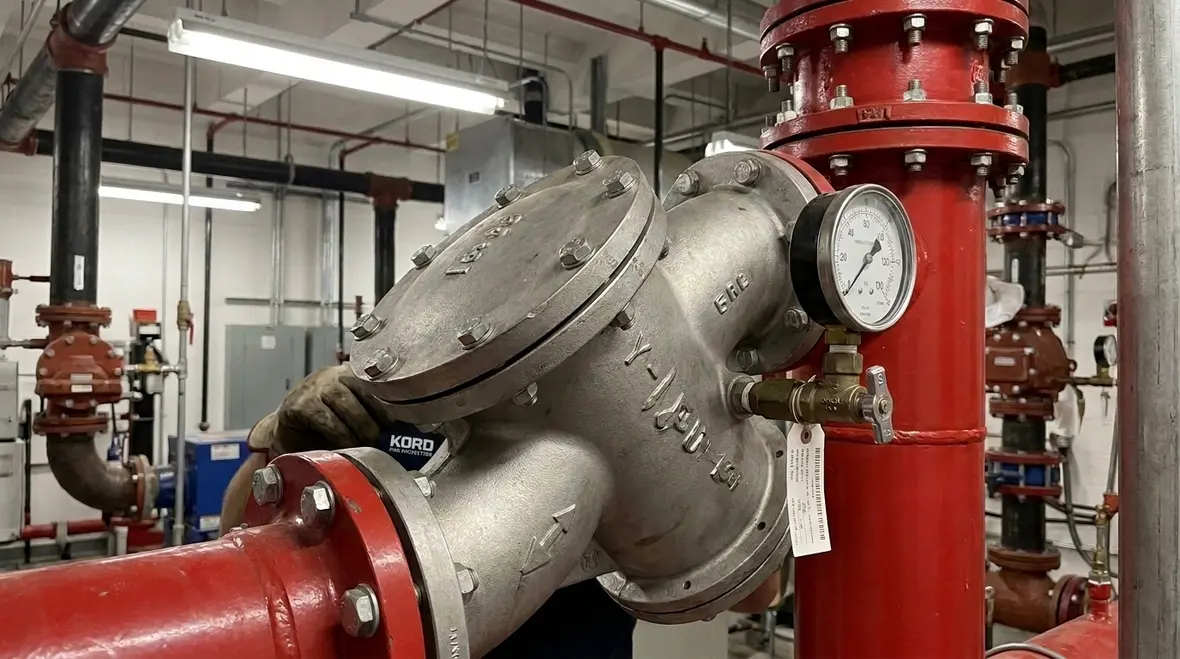
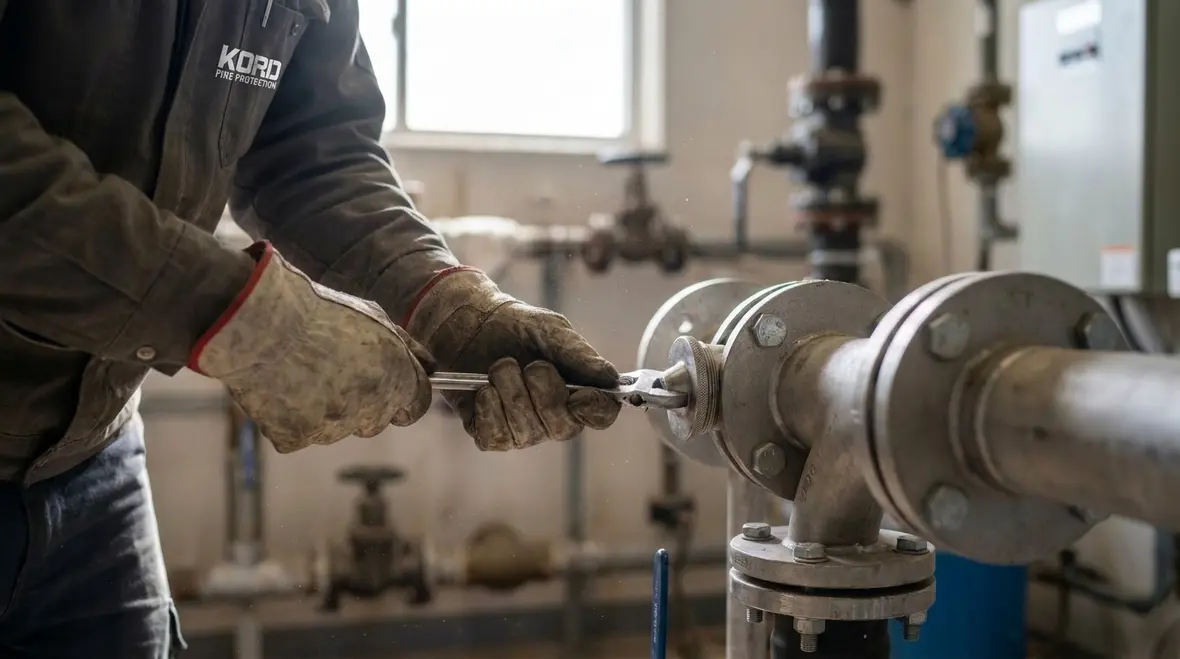
To apply the NFPA 15 strainer requirements water spray systems must have a clear service plan. First, the strainer should match the hazard and the expected debris load. Second, its placement should allow safe inspection and cleaning. Third, the system should give maintenance staff enough room to remove and service it without turning the job into a circus act.
Facilities should also keep records of inspections and cleaning. In addition, any changes to water source quality, pipe modifications, or plant upgrades should trigger a fresh review. That matters because a water spray system installed years ago may face new operating conditions today. In other words, yesterday’s clean system can become today’s blockage story.
A simple field checklist
- Confirm the strainer type suits the system and expected debris conditions.
- Verify access is safe and realistic for routine cleaning.
- Check that pressure loss through the assembly is acceptable for system demand.
- Review records after repairs, flushing, or water supply changes.
- Inspect nozzles and discharge quality during testing, not just the strainer body.
That checklist is not fancy, but it works. Reliable fire protection often comes down to boring consistency done well. The sites that stay ready are usually the ones that keep documentation current, schedule inspections before problems appear, and avoid treating system internals like a mystery box.
Dual Column View: Common Issues and Better Responses
Common Issue
- Debris builds up after installation or repair work.
- Water pressure drops because the strainer is too small or clogged.
- Maintenance teams cannot reach the strainer safely.
- Nozzle spray patterns weaken after long periods without inspection.
Better Response
- Flush the piping before commissioning and after major work.
- Select a strainer with proper flow capacity and a service plan.
- Place the unit where staff can inspect it without delays.
- Set routine inspection intervals and document the results.
What Facility Teams Should Check
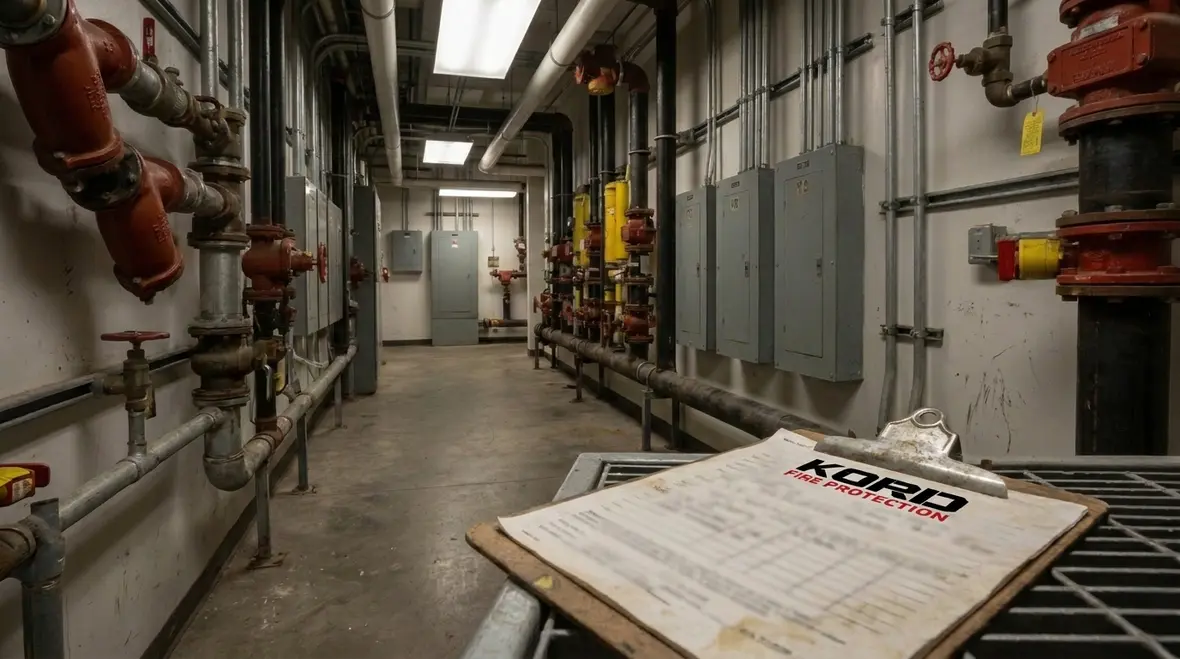
Facility teams often face local water quality issues, ageing infrastructure, and demanding operating schedules. Therefore, teams should check for corrosion, sediment, and pressure loss more often than they might expect. They should also review whether the strainer supports the full system demand during a fire event.
It helps to ask a few practical questions. Is the strainer installed where it can be serviced? Does the maintenance team know the cleaning schedule? Has the system been tested after any pipework changes? These checks sound basic, yet they catch many hidden problems before they become site drama worthy of a bad reality show.
Useful review points during inspections
- Visible signs of sediment, rust, or scale near the strainer assembly.
- Evidence that flushing was performed after construction or repair work.
- Maintenance access that does not require awkward shutdown gymnastics.
- Consistent documentation showing cleaning, testing, and follow-up actions.
- Alignment between current site hazards and the original system design basis.
How Kord Fire Protection Adds Real Value
Kord Fire Protection can become a vital partner because this work needs more than a quick visual check. It needs system knowledge, code awareness, and practical service planning. Kord can help assess whether the strainers meet NFPA 15 Section 5.9 expectations, review installation quality, and support ongoing maintenance for water spray fire systems.
For facilities, that support matters. Kord can also help coordinate inspections, identify blockage risks, and guide upgrades when assets or water conditions change. As a result, teams gain a partner that understands both the standard and the day to day reality of keeping systems ready. And in fire protection, ready is the whole game.
If you want a broader look at how special hazard protection fits into a full compliance strategy, Kord’s article on NFPA 15 and water spray fixed systems is a natural next read. It pairs well with this topic because strainers may be a small component, but they sit right in the middle of dependable system performance.
FAQ
Final Takeaway for Facilities
NFPA 15 strainer requirements water spray systems are not just a code detail. They are a practical safeguard for system reliability, asset protection, and compliance. The smartest move is to treat strainer care as part of regular fire protection planning, not as a footnote that gets attention only after something starts clogging.
Kord Fire Protection can help keep that planning sharp, simple, and ready for action through coordinated inspections, service support, and a practical understanding of how water-based protection systems behave in the real world. Because when the system needs to perform, clean flow is not optional.

Join Our Newsletter!
Get the latest fire safety tips delivered straight to your inbox From our Newsletter.