NFPA 15 Section 6.2 Water Spray Nozzle Installation
Quick Answer: NFPA 15 Section 6.2 sets the foundation for proper water spray nozzle installation by requiring correct placement, spacing, orientation, and secure support. In plain terms, the system must cover the hazard fully, work as designed, and stay reliable during fire conditions. For industrial, commercial, and retail sites, that means careful planning, skilled installation, and regular checks.
NFPA 15 nozzle installation water spray systems play a major role in protecting equipment, process areas, fuel hazards, and other high risk assets. In the first step, the design must match the hazard. Then the installation must follow the approved layout without guesswork or shortcuts. That matters because even the best nozzle can fail to perform if it sits in the wrong place, faces the wrong direction, or gets blocked by nearby structures. This is where a skilled fire protection partner becomes more than useful. Kord Fire Protection’s fire suppression services can help businesses install and maintain these systems with care, speed, and a clear focus on compliance. After all, fire safety is not the place for improvisation, unless the goal is a very expensive lesson.

What NFPA 15 Section 6.2 Means for Project Teams
Section 6.2 focuses on how water spray nozzles must be installed so they can do their job under pressure, literally. The standard expects the installer to follow the approved design drawings and to place each nozzle so the water spray reaches the full hazard area. It also calls for proper alignment, because a nozzle aimed at the wrong surface may protect less than intended. That sounds simple, yet in the real world, pipe runs, steel work, cable trays, access limits, and field changes can turn a neat layout into a puzzle.
For project teams, the key point is this. The installation must support the design, not fight it. Therefore, the contractor needs to understand spacing, spray pattern, and site conditions before the first fitting goes in. A careful approach saves time later and reduces the chance of failed inspections, rework, or poor fire performance. It also helps owners avoid the classic scenario where everyone points at the drawings, the field conditions, and each other while the deadline quietly catches fire.
Why the Drawings Cannot Be Treated Like a Suggestion
Approved drawings are not decorative paperwork. They show where the nozzles belong, how they should face, and how the system is expected to distribute water across the hazard. If installers drift from that layout without proper review, the result can be uneven coverage, blocked discharge, and performance that looks fine until the exact moment it cannot afford to be wrong. That is why smart teams compare the field installation against the design at each stage instead of waiting for the final inspection to reveal the bad news.
How to Install Water Spray Nozzles Correctly
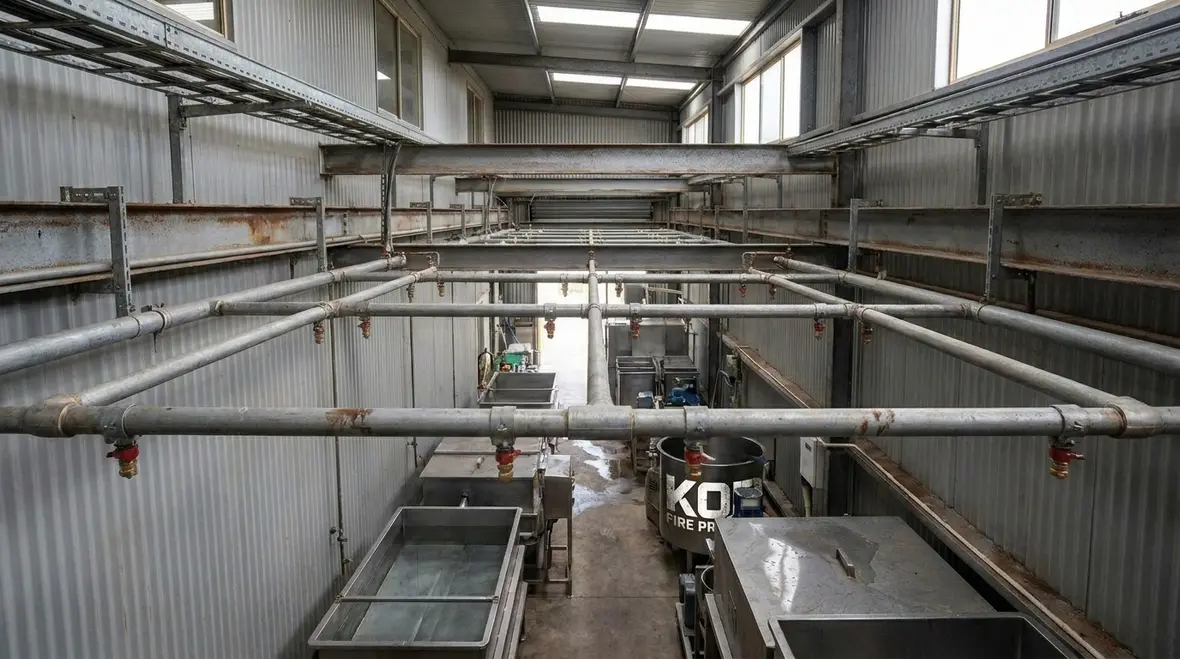
Proper installation starts with the drawings, but it does not end there. The team must verify nozzle type, orientation, elevation, and distance from the protected equipment. In addition, they must make sure the nozzle is secured against movement and that nearby items do not block the spray path. If a nozzle cannot throw water where it should, then the system loses value fast.
Installers also need to consider corrosion, vibration, and physical damage. Harsh industrial conditions can wear down supports, fittings, and exposed components over time, especially where moisture, chemicals, or machinery movement are part of daily life. As a result, many owners prefer a fire protection partner who can handle both installation and long term support. Kord Fire Protection can help ensure the system is not just fitted, but fitted for real world use. That distinction matters, because a system that looks tidy on day one still needs to stay dependable long after the ribbon cutting and the handshakes are over.
Key Field Checks Before the System Is Signed Off
- Confirm each nozzle matches the specified model and spray pattern.
- Check that nozzle direction and angle align with the approved layout.
- Measure spacing so protected surfaces receive complete coverage.
- Inspect nearby beams, ductwork, cable trays, and added services for obstructions.
- Verify pipe supports are secure and able to resist vibration or movement.
- Review access for future testing, inspection, and maintenance.
Dual Column Guide for Installation Checks
| Installation point | Why it matters |
|---|---|
| Nozzle position | Supports full coverage of the hazard |
| Spray direction | Keeps water on the target area |
| Spacing between nozzles | Helps avoid dry spots and overlap issues |
| Clear spray path | Stops beams, ducts, or equipment from blocking discharge |
| Secure support | Reduces movement from vibration or system pressure |
This checklist works best when it is used early and often. Teams should review these points during layout coordination, during rough in, and again before handover. Waiting until the end to notice an obstruction or a support issue is a bit like discovering you packed the parachute incorrectly after takeoff. Technically informative, but not especially helpful.
The practical value of a dual check process is simple. It catches mistakes while they are still cheap to fix. It also gives owners clearer documentation, smoother inspections, and more confidence that the installed system actually reflects the approved intent rather than a series of hopeful approximations.
Common Mistakes That Hurt Performance
Even strong systems can stumble if the installation slips. One common mistake is placing nozzles too close to obstructions. Another is using the right nozzle in the wrong location, which is a bit like putting a concert speaker in a cupboard and expecting arena sound. The water may flow, but the protection will not spread as intended.
Other issues include incorrect spacing, poor pipe support, and changes made after installation without review. Sometimes a site adds new racks, machinery, or services later and forgets the spray pattern. That creates a hidden risk. Therefore, teams should treat any layout change as a reason to review coverage again. Kord Fire Protection can assist with these reviews and help businesses avoid expensive surprises.
Post Installation Changes Can Quietly Undo Good Work
A system may leave the installer in excellent condition and still lose effectiveness later. New process lines, added storage, relocated machinery, larger duct runs, or even protective barriers can all interfere with spray discharge. Because those changes often arrive one project at a time, the risk grows quietly. Owners who build coverage reviews into site change management put themselves in a much better position than those who assume the old layout will somehow keep up with new realities through sheer optimism.

Why a Careful Compliance Approach Matters
Industrial, retail, and commercial facilities can face very different hazards, but they all need dependable fire protection. A warehouse may protect stored goods and plant, while a retail centre may need coverage for back of house services or special hazards. Meanwhile, process sites may rely on water spray systems to control heat, cool exposed equipment, or limit fire spread.
Because of that range, no site should treat NFPA 15 nozzle installation water spray systems as a simple fit and forget job. The installation must match the risk profile, site layout, and operating needs. In addition, owners should use a contractor who understands how compliance and practical site work fit together. For broader planning, teams can also review NFPA 15 and water spray fixed systems to connect nozzle placement with the bigger system picture.
How Kord Fire Protection Supports This Service
Kord Fire Protection can become a vital partner by managing the details that often make or break a project. First, they can help assess the site and confirm the correct nozzle arrangement. Next, they can support installation with a focus on accuracy and code alignment. Then, they can assist with testing, inspection, and ongoing maintenance so the system keeps working as intended.
That kind of support matters because fire systems live or die by the little things. A nozzle a few centimetres off can change coverage. A missed obstruction can cut performance. A loose support can cause trouble later. With Kord Fire Protection involved, owners gain a partner who helps reduce those risks and keeps the system on the right track. For sites that want a wider view of support options, full fire protection services can also fit naturally into inspection, testing, maintenance, and readiness planning.
FAQ
Conclusion
NFPA 15 Section 6.2 is not just about hanging nozzles on pipework. It is about making sure every spray point does its job when heat rises and risk moves fast. A well installed nozzle layout gives the system its chance to control exposure, cool surfaces, and protect valuable assets before a fire grows into a bigger and more expensive story.
For industrial, retail, and commercial sites, the smart move is clear. Work with a partner like Kord Fire Protection to install, verify, and maintain the system with care. That choice helps protect assets, reduce downtime, and keep compliance on solid ground. It is a lot easier to explain a well maintained system than a preventable failure with a very dramatic invoice attached.

Join Our Newsletter!
Get the latest fire safety tips delivered straight to your inbox From our Newsletter.