NFPA 15 Section 1.2 Water Spray System Purpose in Australia
Quick Answer
NFPA 15 Section 1.2 explains the purpose of water spray fire protection systems: to control, cool, suppress, or expose fire risks around industrial and commercial assets. For Australian facilities, this means better protection for critical equipment, safer operations, and less downtime. Kord Fire Protection can help design, install, and maintain these systems with steady expertise.
For facilities planning broader protection near the front end of a project, full fire protection services can fit naturally into the conversation because water spray planning works best when alarms, sprinklers, suppression equipment, and compliance support are treated like one connected strategy instead of several separate opinions in hard hats.
NFPA 15 Section 1.2 and the purpose of water spray fire protection systems
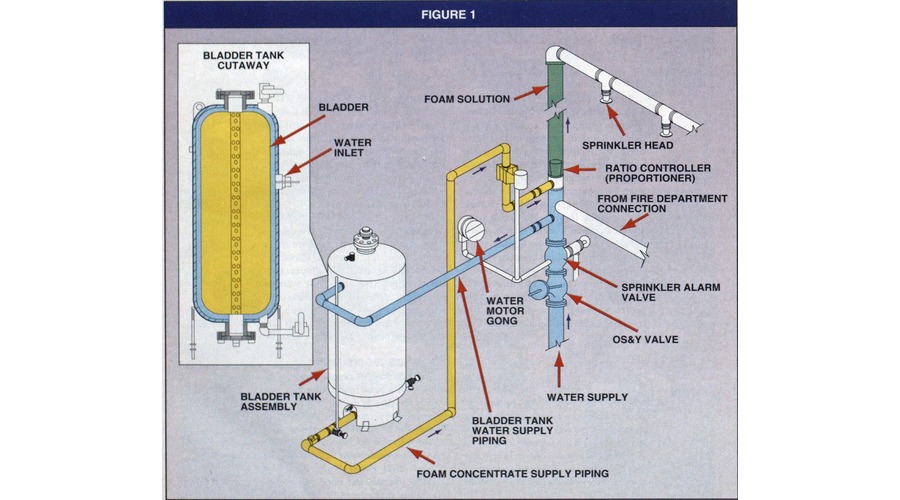
NFPA 15 Section 1.2 sets the stage with one clear idea: water spray systems exist to protect people, property, and essential operations from fire exposure and heat damage. In practical terms, the water spray system purpose NFPA 15 is not just to put water on a problem and hope for the best. It is to deliver water in a controlled way so equipment, structures, and high risk areas stay protected long enough for action to be taken. That matters a great deal in industrial, retail, and commercial sites across Australia, where one incident can quickly turn into a very expensive day. And yes, fire does not care about business hours, which is rude but consistent.
What the standard is trying to achieve
NFPA 15 focuses on systems that apply water over specific hazards, often where ordinary sprinkler coverage does not do the whole job. These systems help manage heat, reduce fire spread, and protect surfaces or equipment from flame exposure. As a result, they serve a different role from standard fire sprinklers. They do not simply flood a space. Instead, they target risk zones with purpose, much like a well aimed spotlight in a stage show, except the stakes are far less glamorous.
That difference matters because high value assets usually do not fail politely. Once heat exposure gets serious, damage can escalate quickly through electrical components, process lines, structural steel, or nearby combustible materials. A properly planned water spray system is meant to interrupt that chain of bad decisions by cooling, controlling, and protecting the area before a smaller incident grows into a larger one.
How water spray systems protect critical assets
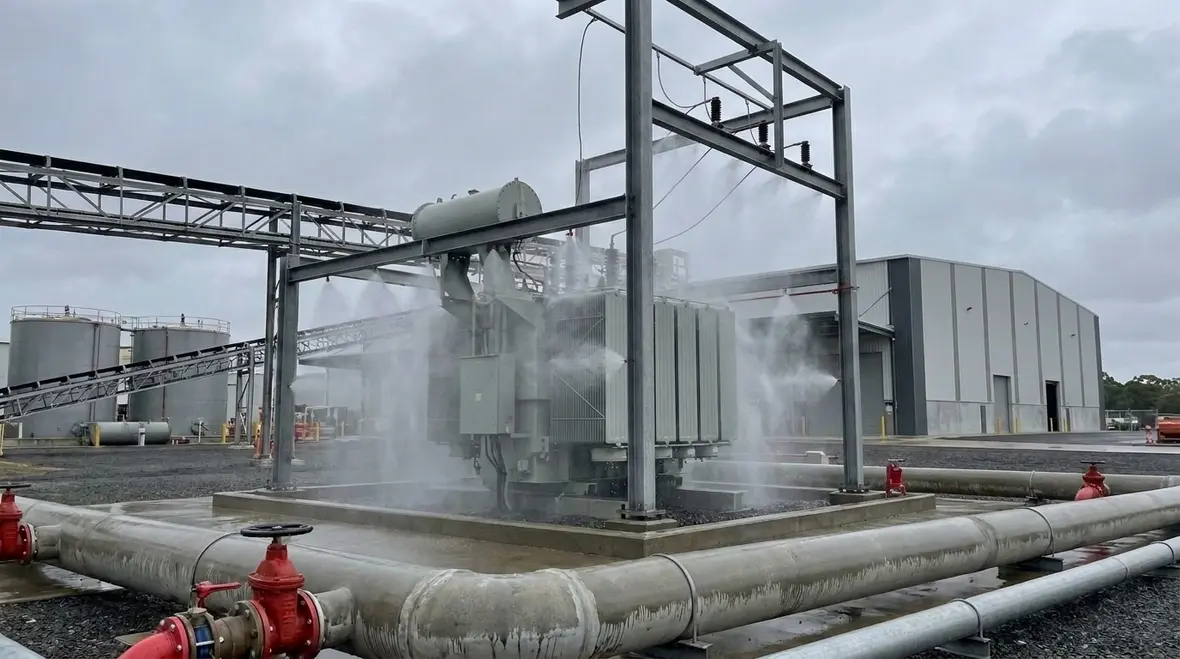
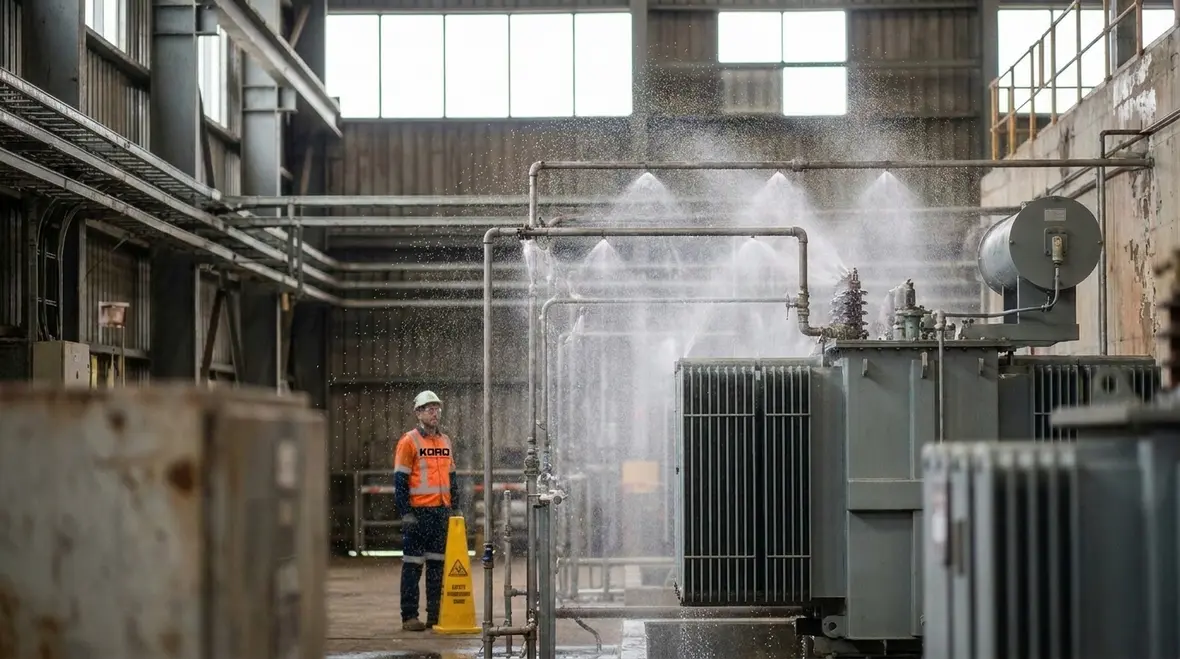
Water spray fire protection systems support a wide range of assets that face fire or heat exposure. For example, they may protect transformers, conveyors, fuel handling areas, process equipment, storage zones, and special machinery. They also help cool hot surfaces and nearby structures, which can slow damage and reduce the chance of fire spreading.
In many facilities, this protection gives teams a vital buffer. Therefore, if a fire starts in one area, the system can help contain the event before it grows into a larger outage. That means less production loss, less repair work, and less drama for everyone involved, including the people who would rather not explain a shutdown to head office.
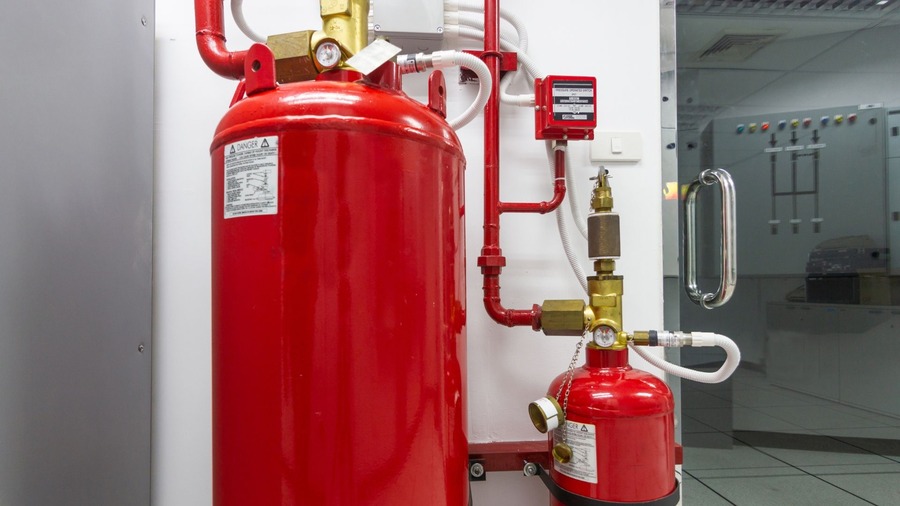
This is also why special hazard planning matters. In environments where ordinary protection may not be enough, special hazard fire suppression in Australia becomes a useful related topic, especially when the protected asset is expensive, sensitive, or absolutely central to keeping the site operational.
Why targeted application matters
Targeted application matters because the hazard is rarely spread evenly across a site. One section may carry heat intensive machinery, another may hold fuel sources, and another may sit close enough to become collateral damage if things go sideways. Water spray systems answer that reality by focusing flow where the exposure risk is highest. In other words, they are designed with intent instead of optimism, which is usually a safer engineering philosophy.
Why Australian facilities should care
Across Australia, many industrial and commercial sites work with high value assets, electrical systems, and complex operations. Because of that, the water spray system purpose NFPA 15 becomes especially useful in places where heat exposure could trigger major losses. Retail distribution hubs, manufacturing plants, logistics centres, and large plant rooms all benefit from the right fire protection approach.
Furthermore, local teams often need systems that suit site conditions, climate, and operational demands. A one size fits all setup can leave gaps. Therefore, a proper design review matters. It helps ensure the system matches the hazard, the flow demand, and the site layout. In short, the system should work in the real world, not just in a neat drawing on a desk.
That practical thinking also connects with broader Australia fire protection for compliance and readiness, because businesses do not just need a technically correct system. They need one that people can maintain, test, understand, and rely on when operations are under pressure.
Operational value beyond the code language
The standard may read like code language, but the business value is very straightforward. Better protection for core assets can mean fewer disruptions, lower repair exposure, stronger response windows, and better confidence from owners, managers, insurers, and site teams. Nobody wakes up hoping to test the limits of their fire protection plan during a chaotic afternoon, so the more prepared the site is, the better.
Where the standard fits in the fire protection plan
| Water spray system role | Practical result |
| Control heat exposure | Helps protect equipment and structures from damage |
| Suppress fire in key zones | Reduces fire growth and spread |
| Support safe response | Gives staff and responders more time to act |
| Protect business continuity | Limits downtime and repair costs |
This table shows the simple truth. The system is not just about fire. It is about keeping a business running when things get hot, literally and financially. Moreover, it helps connect fire safety with operational survival, which is the part executives tend to notice very quickly.

How this supports continuity planning
Continuity planning is where fire protection stops being a compliance box and starts becoming a business decision. If the system protects a transformer, conveyor path, process area, or essential service zone long enough to reduce wider damage, the facility may avoid a much larger shutdown. That can preserve inventory, contracts, timelines, tenant confidence, and everyone’s blood pressure.
How Kord Fire Protection becomes a vital partner
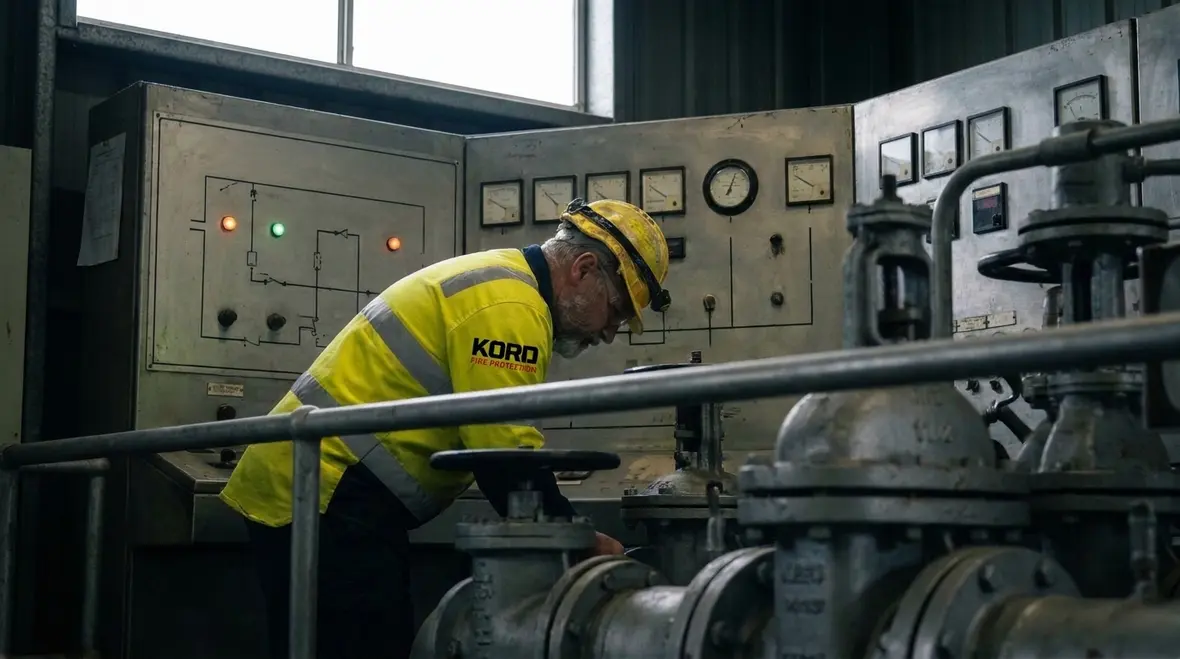
Kord Fire Protection can play a key role in helping facilities meet the intent of NFPA 15 Section 1.2. A strong partner does more than install hardware. It helps assess risk, design the right solution, and keep the system ready for service. That matters because water spray systems need the right layout, nozzle selection, pressure, and maintenance plan to do their job properly.
In addition, Kord Fire Protection can support project teams, facility managers, and operations leaders with practical guidance. They can help align the system with site needs, compliance goals, and day to day use. As a result, the client does not just get a fire protection system. They get a service partner that understands how to protect assets without slowing the business down. Think of it as having a calm expert in the room while everyone else is trying not to panic like extras in a disaster movie.
Facilities that expect system changes over time may also benefit from reading industrial fire protection upgrades in Australia for compliance, since upgrades, retrofits, and operational changes often affect how well a water spray strategy continues to match the hazard it is supposed to protect.
What a strong installation and maintenance plan should include
A reliable water spray system depends on more than a one time install. It needs careful testing, regular inspection, and ongoing maintenance. Therefore, facilities should look for checks that confirm flow, nozzle condition, valve operation, and system readiness. They should also review changes to equipment, layout, or hazard levels, because a site can evolve faster than a streaming service adds another season nobody asked for.
When Kord Fire Protection supports these tasks, it helps keep the system ready when it matters most. That kind of attention can reduce breakdowns, improve confidence, and support safer operations across the site.
Checks that help the system stay ready
A strong maintenance plan usually includes visual inspections, testing of valves and related controls, confirmation that nozzles remain unobstructed, and review of any layout or process changes that may have altered the hazard. It also helps to keep documentation current, because memory is not a maintenance program, no matter how confident someone sounds in a site meeting.
FAQ
Conclusion
NFPA 15 Section 1.2 gives facilities a clear path to stronger fire protection where heat exposure and asset loss matter most. For Australian businesses, the right system can protect operations, equipment, and uptime. Kord Fire Protection can help turn that standard into practical site safety.
When the goal is to stay safe and stay open, that partnership makes real business sense. For a closely related reference point, facilities can also review NFPA 15: Enhancing Fire Safety with Water Spray Fixed Systems to connect the purpose of the standard with broader system application.

Join Our Newsletter!
Get the latest fire safety tips delivered straight to your inbox From our Newsletter.