NFPA 15 Section 1.1 Water Spray Fixed Systems in Australia
Quick Answer
NFPA 15 Section 1.1 defines where water spray fixed systems apply, and that scope matters for industrial, commercial, and facility teams across Australia. It covers systems used to protect specific hazards with open spray nozzles and controlled water distribution. Kord Fire Protection can support design, installation, testing, and maintenance, helping sites stay compliant and ready.
For facilities that need broader support across inspections, coordination, upgrades, and long term compliance planning, full fire protection services can fit naturally into the bigger picture without turning fire safety into a juggling act with too many moving parts. And for deeper background on this standard itself, it also helps to review NFPA 15 and water spray fixed systems as part of the planning process.
NFPA 15 Section 1.1 Explained for Water Spray Fixed Systems
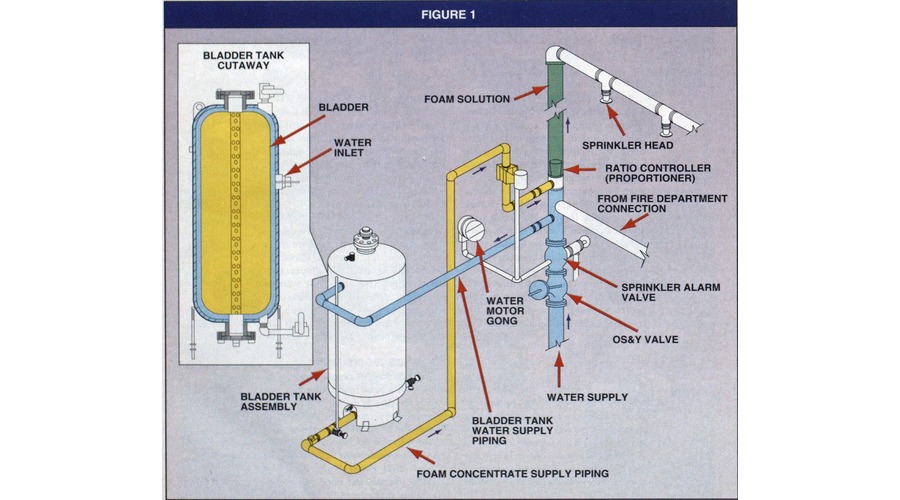
NFPA 15 water spray system scope requirements tell a site what falls inside the standard and what does not. In simple terms, Section 1.1 sets the boundaries for fixed water spray systems used to protect hazards that need rapid cooling, exposure protection, or fire control. These systems do not serve as general building sprinklers. Instead, they target equipment, process areas, tanks, transformers, conveyors, and other high risk assets. That difference matters, because one system plays defense for the whole building, while the other steps in like a specialist brought off the bench in the final minute. And yes, that specialist often saves the day.
What Section 1.1 Means in Plain English
Section 1.1 explains the purpose and limits of the standard. It focuses on fixed systems that apply water by spray or open nozzles to a defined hazard. As a result, the standard helps engineers and facility managers decide when a water spray system is the right tool. It also helps avoid confusion with other fire protection methods, which can lead to poor design or wasted money. No one wants to install the wrong system and discover it during an audit, because that is the fire safety version of buying a cape and forgetting the superhero powers.
That plain English distinction is important on real sites. A sprinkler system is usually there to protect broader occupied areas, control building wide fire spread, and support life safety across rooms or floors. A water spray fixed system, by contrast, is aimed at a specific hazard profile. It is there because a certain asset, process, or exposure needs a fast and deliberate application of water. If the hazard is specialized, the protection strategy should be too.
Why Scope Sets the Tone for the Whole Project
Scope is not boring paperwork hiding at the front of a standard just to make everyone sleepy before the useful pages arrive. It sets the tone for every major decision that follows. Once the team knows whether a hazard belongs within the NFPA 15 framework, they can move into layout, water demand, nozzle positioning, and activation logic with far more confidence. Without that clarity, it becomes very easy to overdesign one area, under protect another, and spend money where it adds very little value.
Where NFPA 15 Applies in Industrial and Commercial Sites
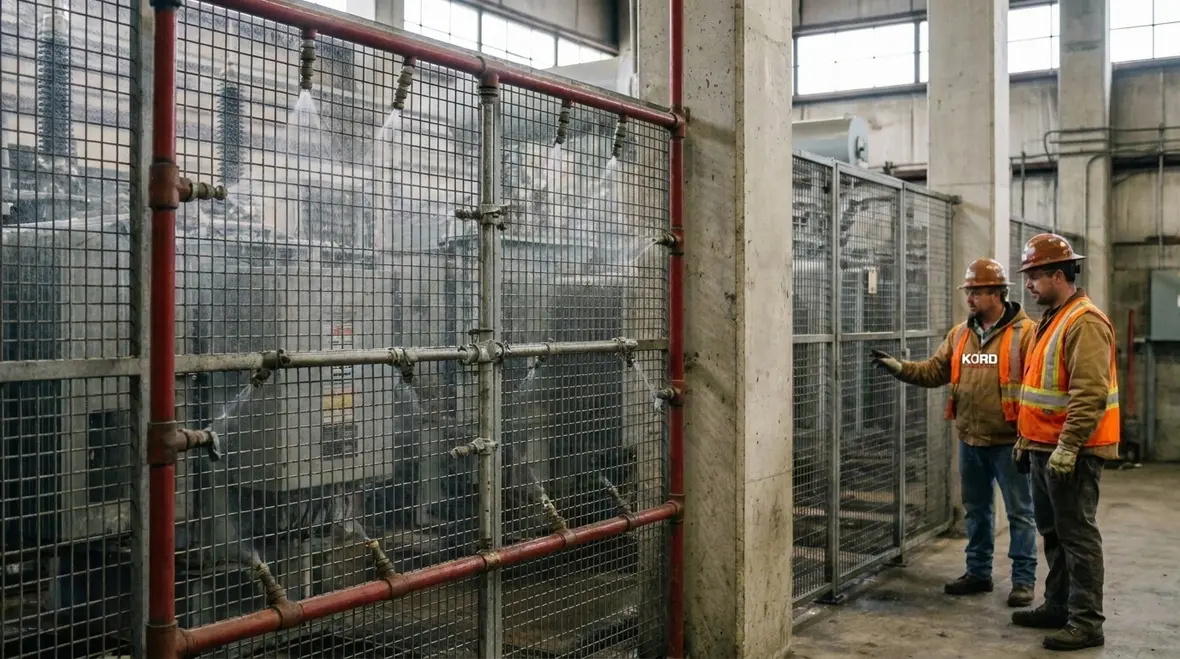
NFPA 15 water spray system scope requirements often apply to high value or high risk assets across Australia. These may include:
- Electrical equipment and transformers
- Flammable liquid processing areas
- Storage tanks and pressure vessels
- Conveyor and manufacturing lines
- Loading bays and exposed process equipment
- Special hazards in warehouses, plants, and facilities
Because each hazard behaves differently, the system must match the risk. Therefore, the design must consider heat release, water demand, nozzle placement, drainage, and activation method. A retail distribution hub may need a different approach from a chemical plant, even if both sit under the same roof and both have very little patience for downtime.
Typical Hazard Scenarios That Call for Targeted Protection
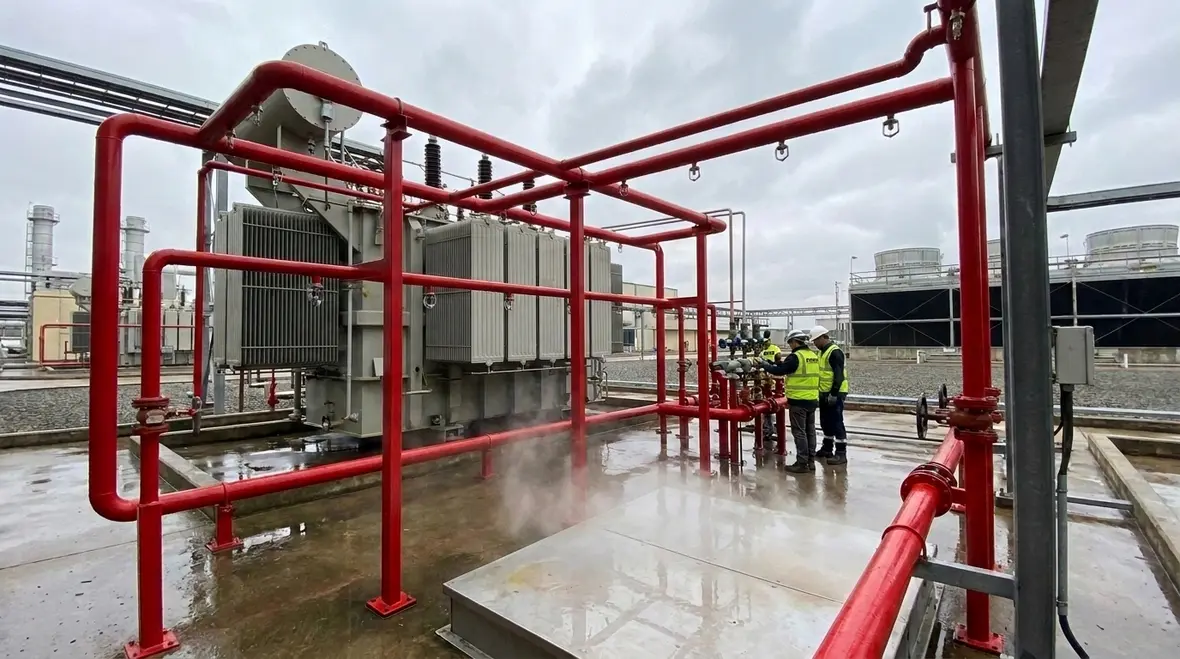
Transformers are a classic example because they can involve both intense heat and exposure concerns around nearby equipment. Tank farms and process vessels may need cooling to reduce escalation potential. Conveyors and manufacturing lines can spread fire along a process path, which makes localized, purposeful water application a much smarter move than a one size fits all response. In each of these cases, the hazard drives the design, not the other way around.
Scope Item
- Fixed water spray systems
- Open nozzle spray pattern
- Specific hazard focus
- Design based on hazard
Why It Matters
- They deliver water to a set hazard without hand held response.
- They cool equipment and control heat over a targeted area.
- They protect critical assets instead of the whole building.
- They reduce over design and support better performance.
This is also where early hazard review pays off. If the team understands exposure risk, asset criticality, shutdown implications, and physical layout from the start, the final system is more likely to work as intended and less likely to become an expensive guessing game dressed up as engineering.
How the Standard Shapes Design Decisions
Section 1.1 does more than define a box. It guides the whole design path. First, it helps teams identify the hazard class. Then, it supports the choice of nozzle type, flow rate, and system layout. After that, it informs control valves, alarms, and activation logic. In practice, this means the standard pushes teams to design with purpose, not guesswork. That matters because a fixed water spray system must work fast, cover the right surface, and avoid flooding areas that do not need it. Precision counts, even in fire protection. Especially in fire protection.
Design Starts With the Hazard, Not the Hardware
It is tempting for projects to start with products, parts, and equipment lists. Yet water spray system design works best when it starts with a close look at the hazard itself. Teams should understand what is burning, how heat may transfer, where exposed surfaces sit, how nearby equipment could be affected, and whether the goal is cooling, control, or protection from fire spread. Once those answers are clear, equipment selection becomes much more logical.
Why Nozzle Placement and Water Distribution Matter
Open nozzles do not leave much room for lazy planning. The spray pattern, discharge density, obstructions, wind or ventilation effects, and drainage conditions all shape how effective the system will be when it operates. Good design aims for consistent, useful water application across the intended hazard surfaces. Bad design can leave blind spots, poor cooling, or runoff problems that create a mess without delivering the protection the site actually needs. Nobody wants a system that performs like a dramatic entrance and then forgets its lines.
Why Compliance Matters for Australia Based Facilities
Industrial and commercial sites across Australia face pressure from insurers, auditors, and internal safety teams to show strong fire protection control. NFPA 15 water spray system scope requirements help teams prove that the chosen system suits the hazard. Moreover, compliance supports uptime, lowers risk, and improves confidence during inspections. For facilities with complex operations, the standard also creates a shared language between owners, consultants, contractors, and maintenance teams. That shared language avoids confusion, which is useful because fire safety projects already come with enough drama for a streaming series.
Compliance Also Supports Business Continuity
A compliant system is not just about ticking a box for the next inspection. It also supports continuity for production, logistics, utilities, and property protection. When teams can show that the hazard was assessed properly and the chosen method aligns with a recognized framework, everyone from operations leaders to insurers has a clearer picture of the site risk posture. That usually leads to better decisions, fewer ugly surprises, and less chance of discovering weaknesses only after an incident or near miss.
How Kord Fire Protection Can Become a Vital Partner
Kord Fire Protection can play a vital role from the first concept review through ongoing service. For sites that need a water spray fixed system, Kord Fire Protection can help assess the hazard, shape the design, and deliver the system to suit the site. In addition, the team can support installation, testing, inspection, and maintenance so the system stays ready when it matters most. That kind of partnership is valuable because these systems are not set and forget. They need real care, like a strong engine or a good coffee machine on a Monday morning.
What Good Ongoing Service Looks Like
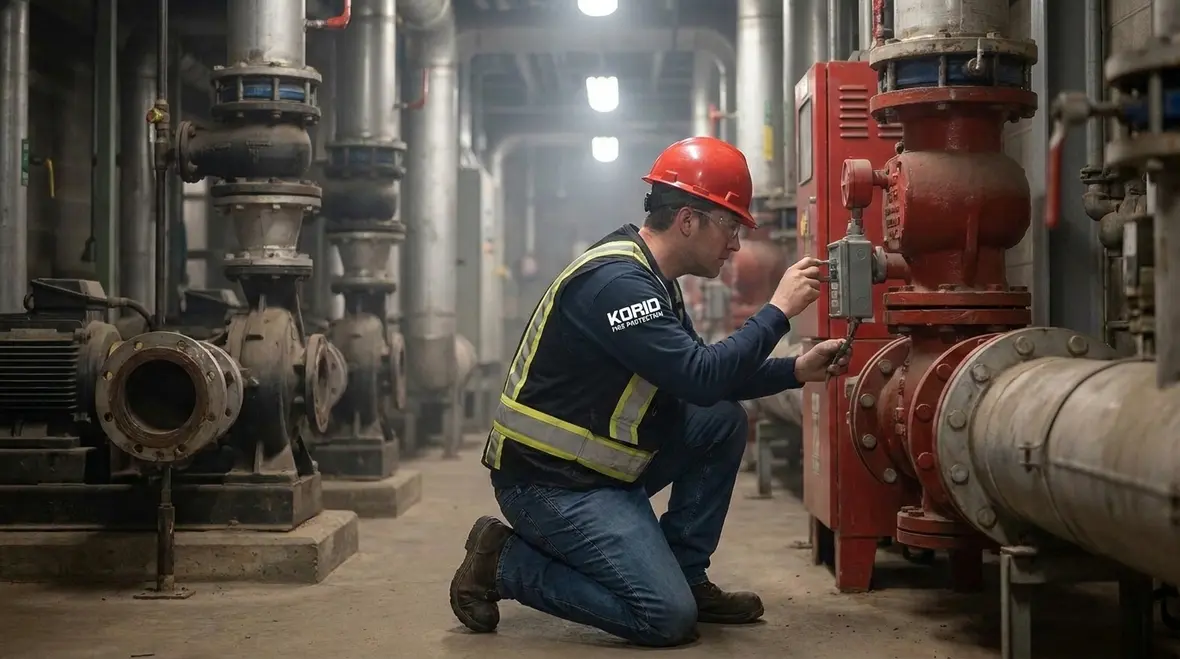
A proper service plan keeps the system dependable. It should include regular checks of valves, nozzles, pumps, detection interfaces, and water supply capacity. It should also confirm that obstructions, corrosion, or changes to the plant have not weakened coverage. Furthermore, maintenance records should stay clear and easy to follow, because documentation often decides whether a site passes review without fuss. Kord Fire Protection can support that process with practical service work that helps reduce risk and downtime.
Strong support also means looking beyond the obvious hardware. A good partner helps facilities coordinate testing windows, review changes to plant layout, track recurring faults, and keep records usable for audits and internal review. That practical side matters just as much as the technical side, because even a well designed system can slowly drift out of readiness if site conditions change and nobody updates the plan.
FAQ
Final Thoughts and Next Step
NFPA 15 Section 1.1 gives facilities a clear starting point for water spray system planning. When teams understand the scope, they make smarter choices, reduce risk, and protect critical assets with more confidence. It is the kind of clarity that improves design conversations early and reduces awkward surprises later, which is always a welcome outcome in fire protection.
If a site needs expert guidance, Kord Fire Protection can help shape a compliant, practical solution that fits the hazard and the operation. That is where solid protection meets steady service, and that is where the real value begins. For busy facilities, that blend of technical clarity and dependable support can make all the difference when readiness actually matters.

Join Our Newsletter!
Get the latest fire safety tips delivered straight to your inbox From our Newsletter.