NFPA 15 Section 1.3 Water Spray Application Criteria
Quick Answer
NFPA 15 Section 1.3 sets the rules for where water spray systems apply, and that matters for industrial, retail, commercial, and facilities work. It guides protection for hazards that need fast cooling, suppression, or exposure control. With the right design and installation partner, such as Kord Fire Protection, compliance becomes safer, smoother, and far less stressful.
If your team is reviewing broader fire protection needs beyond water spray alone, Kord Fire Protection’s full fire protection services page is a useful starting point for planning inspection-ready support across commercial and industrial sites.
NFPA 15 Application Criteria Water Spray in Plain Terms
NFPA 15 application criteria water spray tells a project team when a water spray system fits the job and what the system must protect. In simple terms, it helps define the use case before any pipe is cut or nozzle is set in place. That matters because a system built for the wrong hazard is about as useful as a screen door on a submarine.
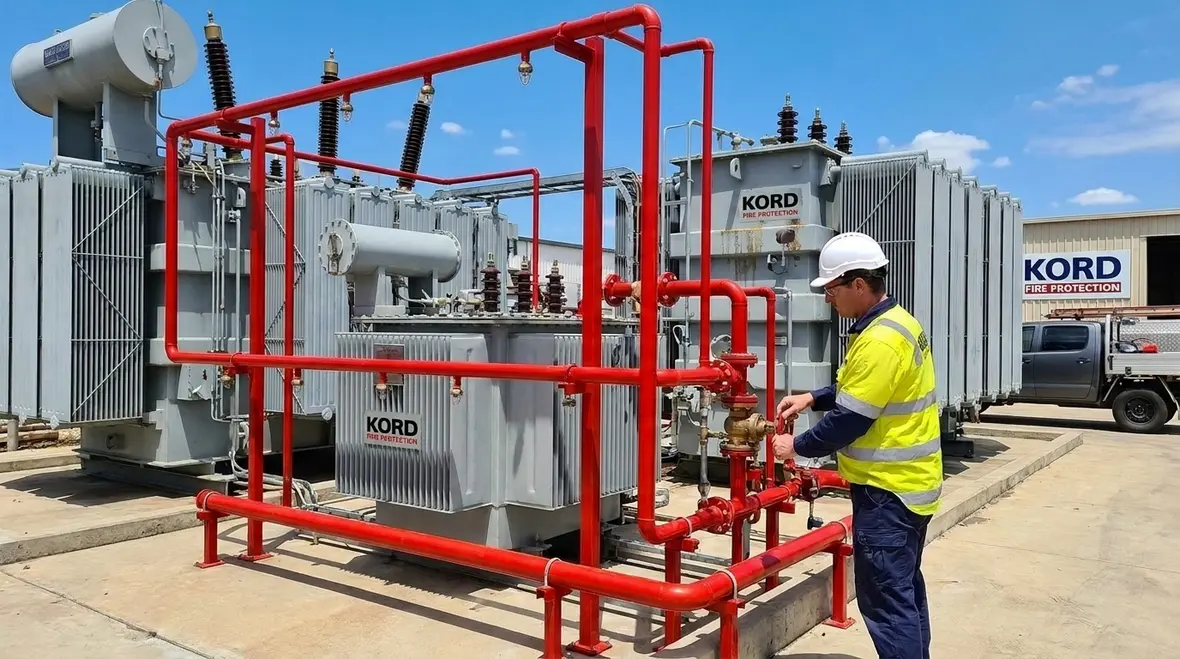
Section 1.3 focuses on application requirements, which means it helps separate the sites and risks that water spray can handle from those that need another solution. Therefore, it becomes a key planning tool for assets such as transformers, process equipment, flammable liquid areas, conveyors, and other exposure risks common in industrial and commercial sites.
For facility managers, the main lesson is clear. The system must match the hazard, the layout, the water supply, and the expected fire scenario. As a result, proper early review can save time, reduce redesign, and help avoid expensive changes later. Nobody enjoys a project restart. Not even the coffee machine.
Where Section 1.3 Fits in a Fire Protection Plan
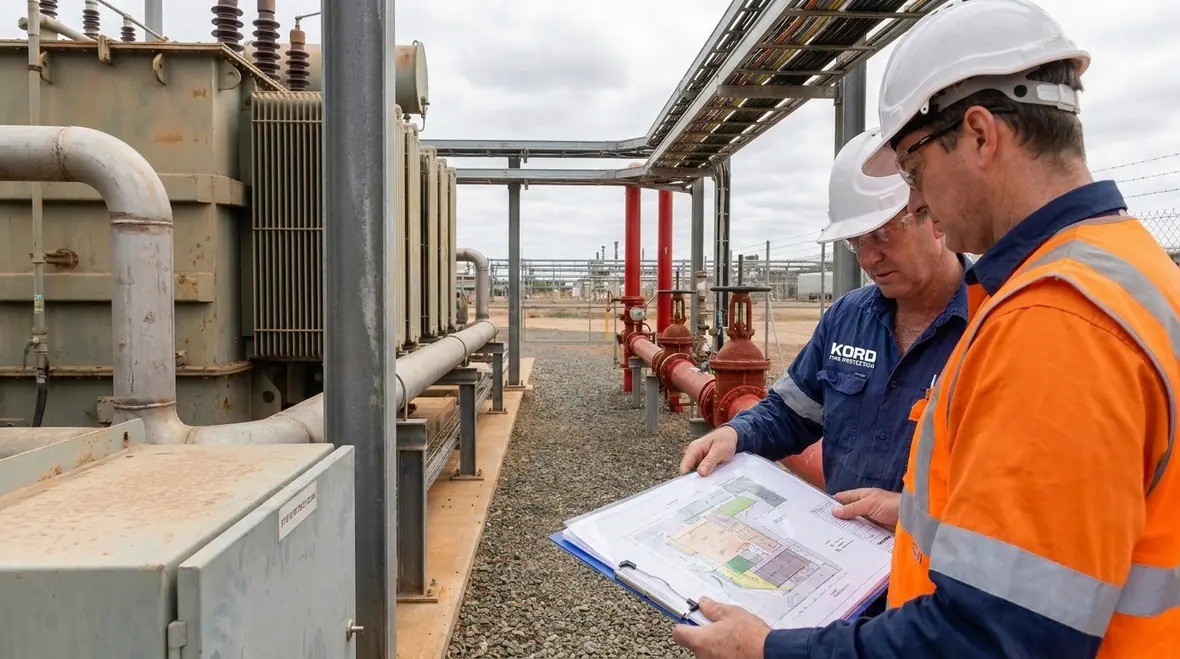
Section 1.3 sits near the front door of the standard, so to speak. It does not just say what a water spray system is. Instead, it helps decide when the system should be used at all. That makes it vital during concept design, risk review, and compliance checks.
In practice, the section helps project teams answer a few key questions:
Is the hazard suitable for water spray protection?
Will the system cool equipment fast enough?
Does the layout allow effective coverage?
Can the site support the water flow and pressure needed?
Because of that, the section supports better decisions before construction starts. It also helps consultants, builders, and site operators speak the same language. That sounds simple, yet on a busy job site, simple can feel like a luxury item.
Early planning beats expensive surprises
One of the biggest advantages of Section 1.3 is that it gives teams a filter at the start of the project, not after design money has already been spent. If the hazard needs exposure protection, equipment cooling, or focused suppression, water spray may be a strong fit. If the risk profile points somewhere else, that discovery is much better made during planning than after procurement, installation sequencing, and site coordination have already rolled ahead.
This is also where coordination with the rest of the fire strategy matters. Teams often need to line up system intent with alarms, shutdown procedures, drainage, emergency access, and maintenance pathways. If one piece gets treated as an afterthought, the whole plan can wobble. Fire protection has a funny way of punishing casual assumptions.
How the Standard Guides System Use
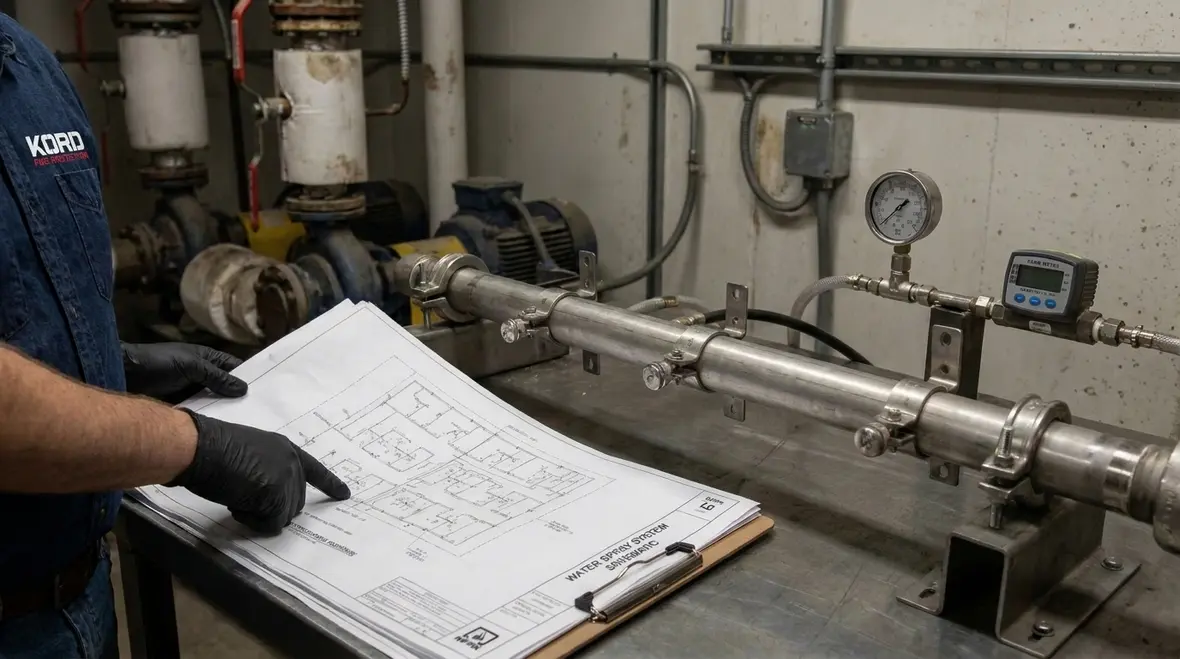
NFPA 15 application criteria water spray supports a practical goal: use water where it performs well. Water spray systems work best where heat control, surface cooling, or protection of nearby equipment matters more than soaking the entire area. Therefore, the standard helps teams avoid overuse and underuse at the same time.
For example, a water spray system may help limit heat transfer to critical assets during a fire exposure. It may also reduce the chance of equipment failure, product loss, or fire spread to nearby structures. However, it does not replace every other fire protection method. Instead, it works as one part of a wider protection plan.
That is why a detailed site review matters. A site with mixed hazards may need water spray in one area, sprinklers in another, and other controls elsewhere. In other words, fire protection is not a one size fits all jacket. It is more like tailoring for a very expensive suit.
This is also a good point to revisit Kord Fire Protection’s related article on NFPA 15 water spray fixed systems, which adds useful context for how these systems support broader fire safety goals when they are selected for the right hazard.
What “right hazard” really means
The phrase sounds obvious, but it deserves a closer look. The right hazard is not just a dangerous area. It is a hazard where water spray can actually produce the intended result. That includes nozzle reach, obstruction concerns, thermal exposure, equipment geometry, and whether the water can reach and cool the surfaces that matter most. A beautiful drawing means very little if the real-world installation leaves blind spots where heat can still do serious damage.
Operational reality matters too. Some facilities cannot tolerate unnecessary downtime. Others need protection that supports safe shutdown of equipment before a small event turns into a very expensive headline. Section 1.3 helps keep those practical questions in view instead of letting the design drift into theory.
What Sites Should Check First
Industrial and commercial facilities often face heat, dust, machinery, storage risks, and high value equipment. So, the first step is to study the hazard, not just the building. A good review should look at asset type, fire load, access, drainage, weather exposure, and operations during a fire event.
Site Factor
Hazard type
Water supply
Equipment layout
Operation impact
Why It Matters
Shows whether water spray can control heat or exposure risk
Confirms the system can deliver the flow needed for proper performance
Helps achieve full coverage without dead spots
Reduces downtime and supports safer shutdown planning
As a result, project teams can spot problems early. They can then adjust the design, plan the install, and avoid rushed fixes after the first site walk. That approach also supports smoother approval and better long term reliability.
Questions worth asking before design locks in
Before a system layout gets treated like gospel, teams should ask whether water delivery will remain effective under actual operating conditions. Will access platforms, cable trays, guards, or later site modifications interrupt coverage? Is drainage ready to handle discharge without creating secondary hazards? Can maintenance crews inspect and test the system without climbing through a maze of equipment and regrets? These are not glamorous questions, but they are the ones that keep systems useful after handover.
Why Kord Fire Protection Matters on These Projects
Kord Fire Protection can become a vital partner because water spray systems demand more than a basic install. They need correct interpretation of the standard, careful system design, and field work that matches the site condition. That is where a strong partner matters.
With Kord Fire Protection involved, a project gains a team that can help with assessment, design support, installation, and compliance focused delivery. Therefore, the risk of poor coverage, weak performance, or avoidable rework drops fast. On complex sites, that support can make the difference between a clean handover and a project with more drama than a season finale.
For industrial, retail, and commercial facilities, this kind of partnership also helps align fire protection with daily operations. That means less disruption, clearer planning, and a system that fits the real world, not just the drawing board.
That practical approach lines up well with Kord Fire Protection’s broader fire sprinkler system service support, especially for facilities that need long term inspection, repair, and readiness planning after installation is complete.
Common Mistakes with Water Spray Systems
Many issues start with assumptions. A team may assume any water spray system will suit any hazard. However, NFPA 15 application criteria water spray exists to stop that kind of shortcut. Another common mistake is ignoring how the system will perform during the actual event, not just during inspection day when everything looks charming and well behaved.
Other mistakes include poor nozzle placement, weak water supply review, and missing coordination with electrical or process equipment. In addition, some projects fail to account for maintenance access. If a system cannot be tested or serviced, it will not age gracefully.
To avoid these problems, teams should build compliance into the project from the start. That means early design review, clear scope, and a partner who understands both the code and the site.
A short checklist teams can actually use
Confirm the hazard is suitable for water spray, not just generally hazardous.
Review water supply early, before detailed layout work creates false confidence.
Coordinate nozzle locations with structural, electrical, and process elements.
Check that testing, inspection, and maintenance access remain practical after installation.
Make sure the system supports the site’s real emergency procedures, not an imaginary perfect day.
FAQ
Final Takeaway for Facilities and Project Teams
NFPA 15 Section 1.3 gives project teams a clear path for using water spray systems the right way. When sites apply the standard early, they protect assets better and avoid costly mistakes. That alone can improve design confidence, field coordination, and long term system performance.
For industrial, retail, and commercial sectors, Kord Fire Protection can help turn that standard into a working solution. Reach out early, plan well, and let the system do its job when it matters most. That is a much better strategy than hoping the emergency behaves politely.

Join Our Newsletter!
Get the latest fire safety tips delivered straight to your inbox From our Newsletter.