NFPA 13 Section 30.1 — Existing Sprinkler System Modifications: General Guidelines
Quick Answer: NFPA 13 Section 30.1 sets minimum expectations when modifying existing sprinkler systems. It focuses on preserving system performance, coordinating with the original design intent, and applying current requirements where the scope of work affects hydraulic calculations, installation practices, and inspection readiness.
If your project includes retrofit work, tenant improvements, or system updates, a commercial fire sprinkler service plan helps keep design, installation, testing, and restoration aligned from the start.
What Section 30.1 covers when sprinkler systems are modified
NFPA 13 Section 30.1 addresses how designers, contractors, and fire protection professionals should approach sprinkler system changes in buildings where a system already exists. For facilities, the goal is not simply “getting sprinklers installed.” The goal is maintaining the fire protection function of the entire system while controlling risk introduced by new work.
This matters especially during tenant improvements, storage reconfigurations, warehouse expansions, equipment swaps, and retrofit upgrades common in commercial, industrial, and retail occupancies. In practical terms, NFPA 13 existing sprinkler system modifications general guidance drives decisions about what can remain, what must be updated, and how the revised system gets verified through inspection, testing, and documentation.
Start with system intent: how existing conditions control the modification plan
Before any layout changes occur, the modification process must align with the original system intent, including water supply performance, design criteria, and the operational behavior of components. Many compliance problems originate when teams treat the existing system as “unknown legacy” rather than as a controlled, measurable design basis.
Typical field realities include:
- Uncertainty in as built drawings versus current installed conditions.
- Changes to ceiling construction, obstructions, and piping routes since the system was commissioned.
- Altered hazard classification in the modified area, plus the risk of affecting adjacent protection.
- Pressure reducing devices, pump controls, backflow assemblies, and flow switches that may not match the original record.
- Older sprinkler models with different temperature ratings, spray patterns, or listings than what crews install today.
Section 30.1 effectively pushes the project team to confirm what is still correct, what must be evaluated, and what needs upgrading to preserve system effectiveness. Commercial owners also need a clear plan for managing downtime, coordinating ceiling access, and maintaining life safety protection during construction.
For broader context on installation expectations that often come up during modifications, refer to: NFPA 13 overview of automatic fire sprinkler system installation.
Scope and triggers: when a “local change” becomes a system wide verification
In real projects, modifications range from adding sprinklers in an infill space to relocating mains, adjusting hangers, or changing the water supply configuration. The more the work impacts hydraulic performance, water distribution, and system controls, the more likely the project needs deeper evaluation and more extensive compliance updates.
Key triggers that commonly drive additional requirements
- Hydraulic impact: Adding branches, changing pipe sizes, changing number or location of sprinklers, or modifying elevations can alter discharge density and demand at remote areas.
- Water supply changes: Any adjustment that affects static pressure, residual pressure, pump operation, or available flow requires coordinated verification.
- Hazard changes: Upgrading storage, changing commodities, or reclassifying areas can require revised design criteria rather than direct “like for like” installation.
- Control and monitoring impacts: Changes involving alarm devices, supervisory circuits, flow switches, water motor alarms, or remote signaling can affect inspection and performance outcomes.
- Obstruction and coverage changes: Ceiling changes, new beams, soffits, ductwork, and racks can alter spray reach and create density gaps if not corrected.
These triggers are where NFPA 13 existing sprinkler system modifications general guidance becomes operational. Fire protection teams frequently use revised hydraulic calculations, detailed layout comparisons, and targeted field validation to demonstrate that the modified system maintains required performance. That approach reduces the likelihood of repeat rework after inspection finds deficiencies.
What “general guidelines” typically require in the field
Section 30.1 does not treat existing systems as optional. It expects modifications to follow sound engineering and installation practices so the system continues to function as intended. The general guidelines typically translate into clear workflow requirements that crews and project managers can execute consistently.
1) Document and verify the existing system
Professional modifications begin with a verification package. That commonly includes current pipe routing mapping, sprinkler type identification, valve and device location confirmation, and water supply assessment. Where documentation is incomplete, the modification plan must fill those gaps using field verification rather than assumptions.
2) Maintain compatibility between new and existing components
Compatibility failures often appear in older systems that were installed with different component generations. Common problem points include:
- Sprinkler temperature ratings that do not match the design basis for the space.
- Threading, coupling method, and listing compatibility between new and existing piping.
- Spacing and deflector orientation mistakes near corners, soffits, and structural steel.
- Inconsistent obstruction rules when ceilings or equipment have been modified.
3) Apply current installation and workmanship standards where required
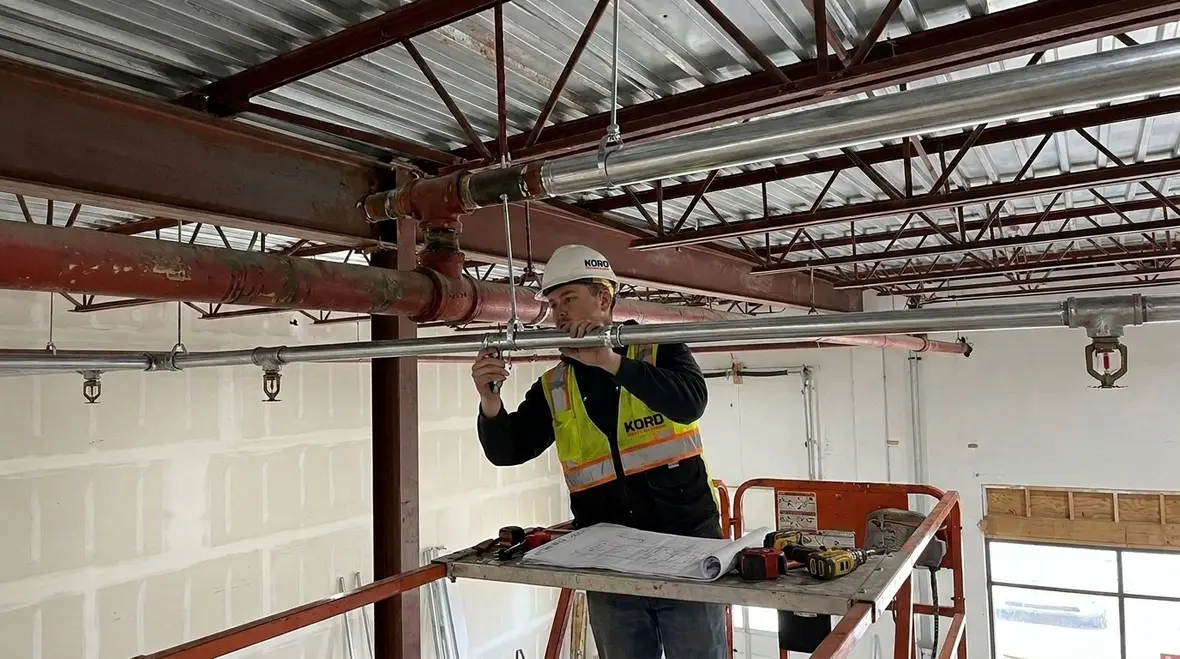
Even when the original system remains in place, new work should meet current installation expectations. That includes proper hanger spacing, secure attachment to structural members, correct pipe supports, and correct device installation orientation. In commercial and industrial facilities, these details also support long term inspection readiness and prevent recurring impairment events.
4) Re evaluate system performance through appropriate calculations
Where modifications change discharge demand, the revised hydraulic design must show compliance. Even when the modification seems minor, a change in remote area selection, flow distribution, or elevation can create measurable performance impacts. Fire protection professionals should coordinate calculations early so that material procurement and layout decisions do not create later redesign.
For supporting industry perspectives on water supply and design fundamentals during system updates, organizations such as Fire Pumps can help teams align water supply considerations with field operational realities.
Operational compliance challenges: inspections, impairments, and maintenance
Most modification projects succeed on paper and struggle in operations. Section 30.1 expectations carry into how the system is preserved, inspected, and returned to service. Commercial owners and facility managers typically need clear guidance on impairment procedures, testing schedules, and documentation control.
Common compliance and failure points during modifications
- Wall and ceiling access gaps: Sprinkler placement near finishes can drift after framing changes, reducing effectiveness.
- Valve supervision and signaling interruptions: Work on control valves without proper restoration causes monitoring failures and delays acceptance.
- Deficiencies found at inspection: Missed approvals for ceiling void conditions, incorrect protection patterns, or improper obstructions treatment.
- Incomplete test readiness: Forgetting that inspectors need documentation, access, and calibrated devices for verification.
- Unmanaged impairments: Extended sprinkler impairments due to schedule conflicts increase risk and can create repeat corrective actions.
Kord Fire Protection supports ongoing compliance and the practical steps that keep inspections moving forward. Teams that rely on a single install contractor without an ongoing maintenance partner often encounter recurring impairment events, delayed test readiness, and preventable retesting costs. For commercial service coverage and documentation support, Kord Fire Protection can coordinate the right sequence for commissioning, acceptance testing, and long term care.
How to plan an NFPA 13 modification project step by step
A reliable project process reduces rework and helps teams demonstrate compliance with NFPA 13 existing sprinkler system modifications general expectations. The following workflow reflects what commercial facilities typically require for schedule control, inspection success, and operational continuity.
Step 1: Pre design verification
- Collect existing drawings, then validate key elements in the field.
- Confirm sprinkler types, design areas, remote area information, and water supply configuration.
- Identify ceiling construction and obstructions that affect spray performance.
Step 2: Engineering and layout coordination
- Perform revised layout and hydraulic evaluation where warranted.
- Coordinate ceiling trades and mechanical ductwork routes to avoid obstructed coverage.
- Confirm compatibility and listing for new and existing materials.
Step 3: Installation execution controls
- Use verified pipe support details and correct hanger placement.
- Maintain quality checks for sprinkler orientation and coverage geometry.
- Control valve and device wiring impacts with proper restoration plans.
Step 4: Acceptance testing, inspections, and documentation
- Prepare inspection packets and as built updates for record control.
- Coordinate acceptance tests for flow and alarm devices as applicable.
- Confirm the system returns to service with correct supervision and monitoring.
For related commercial guidance on coordinating installation requirements with current practices, Kord Fire Protection also provides service aligned information through kordelectric.com and additional regional resources at kordfire.com.au.
Frequently Asked Questions
Conclusion and call to action
NFPA 13 Section 30.1 existing sprinkler system modifications general guidelines help teams keep existing protection effective while managing the real-world risks of retrofit work. To avoid schedule slips, inspection failures, and unnecessary retesting, facility owners should verify existing conditions, coordinate engineering early, and plan acceptance testing and documentation from day one. Engage Kord Fire Protection for modification planning support, compliance verification, and ongoing inspection and maintenance readiness so your system performs as intended long after the retrofit.

Join Our Newsletter!
Get the latest fire safety tips delivered straight to your inbox From our Newsletter.