
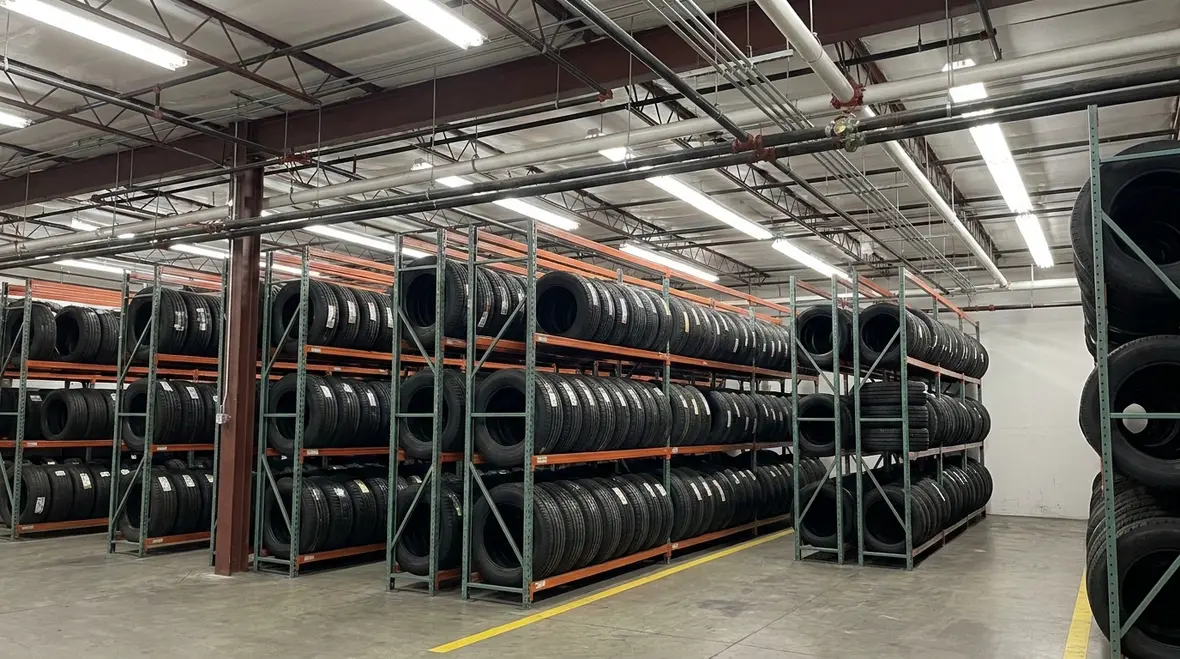
NFPA 13 Section 21.7 — CMDA Sprinkler Protection for Rubber Tire Storage
NFPA 13 Section 21.7 CMDA Sprinkler Protection for Rubber Tire Storage
Quick Answer: NFPA 13 CMDA rubber tire storage sprinkler protection criteria provide a zone based approach that balances life safety with minimized collateral water damage. It requires careful zoning, appropriate sprinkler coverage, reliable water supply, and rigorous inspection. Effective compliance hinges on thorough hydraulic calculations and disciplined maintenance programs managed by a qualified partner such as Kord Fire Protection.
For a broader foundation on sprinkler design principles before diving into tire storage specifics, review NFPA 13 automatic fire sprinkler system installation requirements. It fits naturally here because Section 21.7 does not live in a vacuum, and understanding the wider standard makes the tire storage rules much less likely to feel like a code book ambush.
Overview of CMDA in NFPA 13 Section 21.7
In tire storage facilities, CMDA refers to a modular protection strategy that partitions the storage area into distinct sprinkler protected zones. Each zone receives water from an independent source or dedicated section of the system, limiting water damage while maintaining rapid fire control. NFPA 13 Section 21.7 specifies how CMDA applies to rubber tire storage to meet life safety and property protection goals.
Key criteria in NFPA 13 CMDA rubber tire storage sprinkler protection criteria
The NFPA 13 CMDA rubber tire storage sprinkler protection criteria set expectations for hazard classification, zone sizing, and coverage density. Designers must determine the appropriate density and area of operation per CMDA zone, select sprinkler types that achieve required coverage without excessive water, and provide reliable water supply to each zone. The criteria emphasize detection integration, drainage, and compatibility with tire storage characteristics such as heat generation and pile conditions.
Design and equipment considerations for CMDA tire storage
Practical design begins with a layout that minimizes cross contamination between zones and avoids obstruction of sprinkler spray patterns by pallets and tire stacks. Zone boundaries should align with typically stored tire types, stacking heights, and rack configurations. Selection of ESFR or response fast sprinklers, along with hydraulic head loss and pressure margins, supports consistent coverage across zones. Include micro-detection, alarm initiating devices, and coordination with building management systems.
Because reliable delivery matters just as much as layout, facilities with pump supported systems should also stay current on fire pump testing requirements. A beautifully designed sprinkler zone does not do much good if the water supply decides to phone in a weak performance.
Inspection testing and maintenance requirements
Compliance relies on ongoing verification of water supply, traceable maintenance records, and regular testing. NFPA 25 compliant inspection cycles include valve functionality checks, sprinkler head condition, and tamper and supervisory circuits. For CMDA tire storage systems, verify that each zone maintains independent hydraulics, test interlocks, and confirm no obstructions impede spray patterns during routine walkthroughs.
Common failure points and troubleshooting
- Obstructed spray patterns caused by improper tire stacking or pallets blocking sprinkler deflectors.
- Inadequate clearance around sprinkler heads and storage racks reducing coverage.
- Debris, dust, or rubber particles fouling sprinkler heads and orifices.
- Water supply interruptions or pump failures compromising zone isolation.
- Improper hydraulic calculations leading to under protected zones or excessive water damage.
Compliance challenges for commercial facilities
Retail tire stores, auto dealers, and tire distribution centers face challenges including space constraints, evolving inventory practices, and frequent reconfiguration of tire stacks. Meeting NFPA 13 CMDA rubber tire storage sprinkler protection criteria requires rigorous design reviews, updated documentation, and a proactive maintenance program. Engaging a trusted partner like Kord Fire Protection helps ensure code compliant installations, regular testing, and rapid remediation when issues arise.
Frequently Asked Questions
Conclusion: The NFPA 13 CMDA rubber tire storage sprinkler protection criteria demand meticulous design, rigorous testing, and disciplined maintenance. Kord Fire Protection offers end to end support from design and installation through ongoing testing and service. To achieve compliant, reliable tire storage protection, contact Kord Fire Protection now to arrange a CMDA assessment and a tailored maintenance program.
Call to Action: For a proven path to compliance and reliability, contact Kord Fire Protection today to schedule a CMDA tire storage protection assessment, receive a tailored plan aligned with NFPA 13 Section 21.7, and set up ongoing inspection, testing, and maintenance programs for your commercial tire storage facility.

Join Our Newsletter!
Get the latest fire safety tips delivered straight to your inbox From our Newsletter.


