NFPA 13 Section 21.3 — CMDA Sprinkler Criteria for Plastic and Rubber Storage
NFPA 13 Section 21.3 — CMDA Sprinkler Criteria for Plastic and Rubber Storage
Quick Answer: NFPA 13 Section 21.3 defines the NFPA 13 CMDA plastic rubber storage sprinkler protection criteria. It governs sprinkler placement, storage height, cabinetry, and obstruction allowances for plastic and rubber goods, requiring specific protection strategies and documented maintenance to ensure reliable performance in commercial facilities.
If you want a broader code foundation before diving into storage-specific criteria, Kord Fire’s NFPA 13 overview of automatic fire sprinkler system installation is a helpful companion read. For facilities that need hands-on support with layout reviews, inspections, or upgrades, Kord Fire also offers dedicated fire sprinkler system service for commercial properties. ([kordfire.com](https://kordfire.com/nfpa-13-overview-automatic-fire-sprinkler-system-installation/?utm_source=openai))
Section Overview: What CMDA Means for Plastic and Rubber Storage
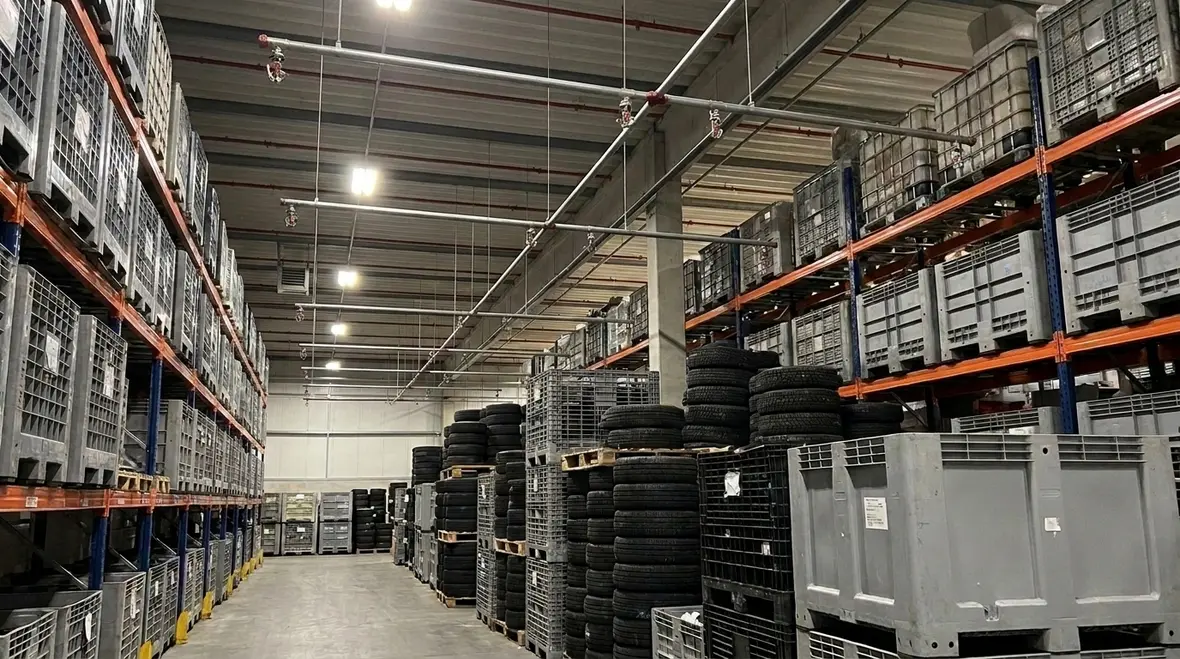
CMDA criteria address how sprinkler systems must perform when plastic and rubber storage presents high fuel loading and evolving layouts. The 21.3 section provides the framework for evaluating head placement, coverage patterns, and allowances for obstructions introduced by pallets, bins, and mixed materials. This guidance helps designers and facility managers anticipate protection gaps and plan mitigations before occupancy or major changes occur. The result is a clearer path to meeting the NFPA 13 CMDA plastic rubber storage sprinkler protection criteria in real world commercial environments.
Key Design Requirements under NFPA 13 Section 21.3
- Sprinkler placement and orientation must account for high pile configurations common with plastic and rubber stock, ensuring effective coverage without excessive dead zones.
- Obstruction allowances address how storage layouts and container supports impact spray patterns and spray reach, with specific mitigation strategies when obstructions are unavoidable.
- Protection strategies may include increased sprinkler density in high risk zones or targeted protection around vulnerable storage goods to sustain rapid heat release control.
- Coordination with detection, alarm, and drainage schemes to ensure rapid notification and reliable system operation during a fire event.
- Documentation requirements align design intent with field conditions, including design calculations, layout drawings, and cross references to the existing fire protection program.
Compliance Documentation and Submittals
Facilities must maintain comprehensive records that demonstrate adherence to Section 21.3. Key elements include design calculations showing head spacing and coverage for plastic and rubber storage, proposed storage layouts, and any deviations justified by risk assessment. As built drawings should reflect actual storage configurations, with changes tracked and re-submitted for review when modifications occur. Regular alignment between design intent and field conditions supports ongoing compliance during facility changes or renovations.
Practical Compliance Challenges in Commercial Facilities
- Retail and warehouse facilities frequently reconfigure storage to maximize space, creating dynamic obstruction profiles that challenge CMDA criteria.
- High pile storage of plastic and rubber goods can outpace standard protection strategies, necessitating targeted design adjustments and enhanced maintenance oversight.
- Budget constraints can pressure schedule-driven changes, underscoring the need for a documented, risk-based approach to maintain protection while enabling operational flexibility.
- Coordination among design teams, facility management, and the local AHJ (Authority Having Jurisdiction) is essential to resolve ambiguities in interpretation and to approve field modifications.
- Ongoing maintenance and inspection programs must be integrated with daily operations to prevent drift from the original CMDA design intent.
Inspection, Testing, and Maintenance Practices
- Implement routine visual inspections to confirm that storage configurations remain within protection zones and that clearances around sprinkler deflectors are preserved.
- Document changes to storage layouts and revalidate design calculations whenever pallets, bins, or equipment are relocated.
- Schedule periodic functional tests of the water-based system and ensure deflectors, sprinklers, and alarms operate within expected parameters.
- Maintain a robust maintenance log that tracks inspections, corrective actions, and any field deviations from the original CMDA criteria.
- Coordinate with a trusted fire protection partner to perform annual reviews, update drawings, and verify compliance with NFPA 13 Section 21.3.
That maintenance-first mindset lines up with Kord Fire’s broader inspection and preventive maintenance approach, which emphasizes scheduled testing, routine service, and code-focused readiness across commercial fire protection systems. ([kordfire.com](https://kordfire.com/?utm_source=openai))
Why CMDA Compliance Matters in Commercial Facilities
For commercial, industrial, and retail sites, adherence to CMDA criteria minimizes the risk of inadequate sprinkler coverage in high fuel load environments. Proper design and disciplined maintenance reduce the likelihood of late activation, incomplete drainage, or spray pattern failures that could escalate losses. Proactive management supports safer operations, faster incident response, and lower total cost of ownership over the life of the system.
Partnering with a Trusted Fire Protection Expert
Kord Fire Protection specializes in CMDA compliant design, inspection, testing, and maintenance for plastic and rubber storage environments. By leveraging NFPA 13 Section 21.3 expertise, Kord helps commercial facilities maintain continuous compliance, optimize protection strategies, and minimize disruption during system upgrades or relocations. Ongoing service ensures protection remains aligned with evolving storage practices and code requirements. ([kordfire.com](https://kordfire.com/?utm_source=openai))
Frequently Asked Questions
Conclusion and call to action: To ensure your plastic and rubber storage areas meet NFPA 13 CMDA criteria and remain protected as layouts evolve, engage a dedicated partner. Contact Kord Fire Protection to schedule an on site assessment, review CMDA implications for your facility, and implement a proactive maintenance plan that keeps your system compliant and reliable.

Join Our Newsletter!
Get the latest fire safety tips delivered straight to your inbox From our Newsletter.