NFPA 13 Section 15.3 Dry Sprinkler Installation Requirements
NFPA 13 dry sprinkler installation requirements in Section 15.3 govern dry pipe system design, installation and testing in commercial facilities. They specify piping materials, valve placement, drain arrangements, and freezing protection strategies. Following these rules ensures reliable operation, reduces freeze damage, and supports ongoing inspection and maintenance.
If your project also touches broader sprinkler code requirements, review NFPA 13 automatic fire sprinkler system installation requirements for a wider compliance baseline across commercial systems.
What NFPA 13 Section 15.3 Covers
Section 15.3 addresses the core elements of dry sprinkler systems used in climate controlled spaces that experience freezing temperatures. It outlines the purpose of dry pipe systems, the roles of key components such as the dry pipe valve, air charging methods, and the interaction between supply water and system air. The section also highlights the importance of proper drainage, access for testing, and ensuring that the system remains operable in commercial, industrial and retail settings. Adherence to these provisions reduces the risk of water damage due to frozen lines and supports reliable alarm signaling and water delivery to the head protection zone.
Where dry pipe systems fit best
Dry pipe systems are commonly selected for spaces where water filled piping would be vulnerable to freezing, including exposed loading areas, cold zones, unheated sections, and similar commercial environments. That is exactly why careful drainage, valve setup, and maintenance discipline matter so much in real world operation.
Material and Component Standards for Dry Sprinkler Installations
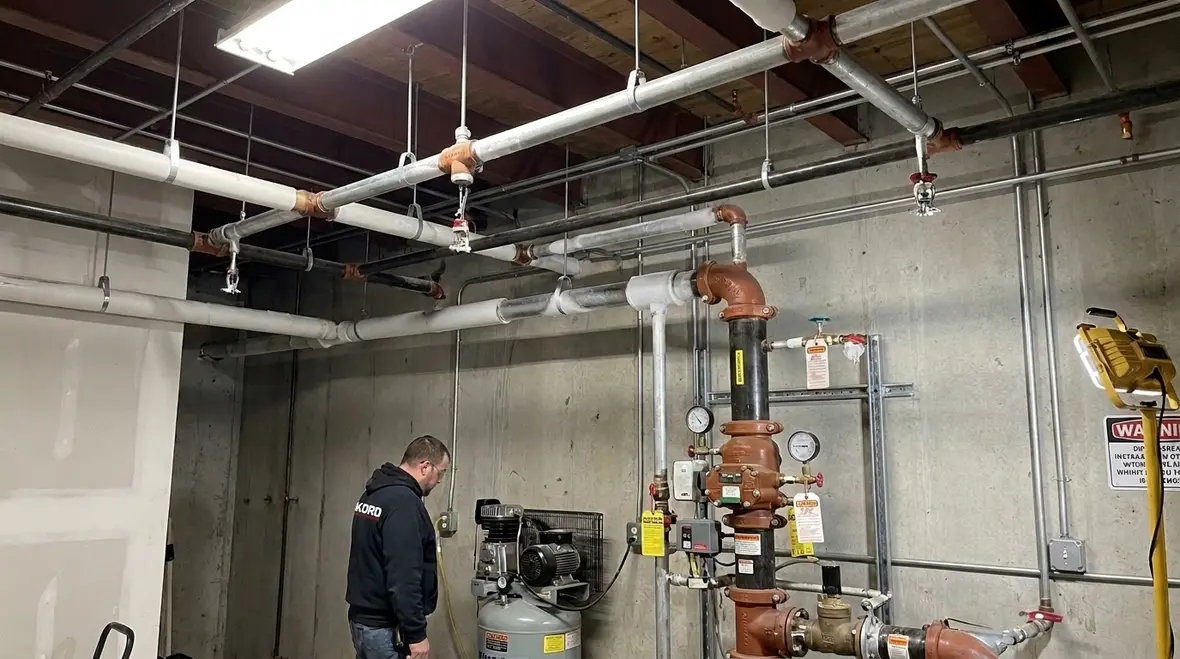
Dry sprinkler installation requirements emphasize using code compliant piping and fittings, appropriate valves, and compatible appurtenances. Materials should resist corrosion, handle anticipated temperatures, and support proper insulation where necessary. Support hardware and hangers must maintain alignment and reduce stress at joints. In addition, proper drain arrangements are required to allow complete drainage during maintenance and to prevent residual water that could freeze and impede operation. Commercial facilities must verify that all components meet NFPA 13 requirements and are compatible with the local authority having jurisdiction.
Why component compatibility matters
A dry system is not the place for mystery parts, optimistic substitutions, or the classic “this should probably be fine” approach. Matching components properly helps preserve performance, simplifies inspections, and avoids painful surprises during testing or an actual fire event.
Design and Installation Practices You Need to Know
Effective design under NFPA 13 dry sprinkler installation requirements includes clearances for service access, appropriate elevations to facilitate gravity drainage, and consideration of climate exposure. The layout should minimize air entrapment and ensure reliable air charge management, since air in the system is a critical component of dry pipe operation. Piping should be sized to maintain prompt water delivery while avoiding excessive noise and vibration. Installers must account for potential freeze zones such as unheated spaces, cranes on mezzanines, and exterior walls where insulation is insufficient. Kord Fire Protection partners with building teams to translate these design principles into practical, audit ready installations for commercial properties.
Facilities looking for hands on support with this type of work can also explore dry pipe sprinkler system services to connect design intent with installation, inspection, and maintenance planning.
Common design details that get overlooked
Small installation details can create big headaches later. Access that is too tight, drains that are hard to reach, and pockets where trapped water can sit quietly plotting against your winter operations all tend to become compliance and reliability problems at the worst possible time.
Testing, Commissioning and Maintenance Requirements
Testing and maintenance are central to the integrity of NFPA 13 dry sprinkler installation requirements. The commissioning process typically includes verification of valve operation, water supply adequacy, and proper air charging. After installation, hydrostatic and functional tests confirm system integrity before occupancy. Routine inspections and annual tests are essential for detecting leaks, corrosion, or misaligned components. Documentation should track inspection dates, test results, and corrective actions. Regular maintenance actions reduce the likelihood of delayed water release during a fire event and help ensure compliance with NFPA 13 and related standards in commercial facilities.
Documentation is part of compliance
If the work happened but nobody can prove it, inspections get awkward fast. Clear records of testing, corrective actions, and maintenance history make it easier to demonstrate compliance and keep future service decisions grounded in something better than guesswork.
Common Compliance Challenges in Commercial Settings
Commercial, industrial and retail facilities frequently encounter challenges such as frozen lines in poorly insulated zones, drainage obstruction, and improper valve access. Modifications to occupied spaces can impact sprinkler layout or create obstructions that violate clearances. In older buildings, legacy equipment may not meet current standards, requiring upgrades or retrofits to Section 15.3 only. Coordination among facilities teams, code officials, and contractors is essential to maintain continuous protection while minimizing disruption to operations. Regular training and documented change management help prevent installation drift and ensure ongoing compliance.
Why change management matters
A renovation crew can unintentionally create sprinkler problems faster than anyone wants to admit. Even minor layout changes, insulation gaps, or blocked access points can chip away at compliance if nobody is checking fire protection impacts as the building evolves.
Practical Guidance for Commercial Facilities
For practical compliance with NFPA 13 dry sprinkler installation requirements, facilities should begin with a comprehensive design review that includes a detailed CAD model of piping and valves. Establish a robust maintenance program with scheduled inspections, functional tests, and clear ownership responsibilities. Ensure access to all drainage points, valves, and air release devices, and verify that insulation and weatherproofing meet local climate requirements. Schedule regular coordination meetings with the building owner, local AHJ, and contractors to address any changes that could affect dry pipe performance. Kord Fire Protection provides proactive design validation, field installation oversight, and a sustained maintenance plan to keep systems compliant and ready. This service reduces downtime and extends the life of commercial fire protection investments.
Frequently Asked Questions
Conclusion and Call to Action
Maintaining compliance with NFPA 13 dry sprinkler installation requirements is an ongoing process that encompasses design, installation, testing, and maintenance. For commercial properties, a proactive partner like Kord Fire Protection delivers design validation, installation oversight, and a sustained maintenance program to keep dry pipe systems reliable and code compliant. Contact Kord Fire Protection today to schedule a site assessment, develop a customized maintenance plan, and ensure your facility meets NFPA 13 Section 15.3 requirements through every phase of operation. Timely engagement now prevents costly downtime later and supports a safer, compliant building portfolio.

Join Our Newsletter!
Get the latest fire safety tips delivered straight to your inbox From our Newsletter.