NFPA 1 Section 20.5 for Board and Care Fire Safety
Quick Answer
NFPA 1 Section 20.5 sets the fire safety baseline for board and care occupancies, especially where people need help with daily living and a fast exit may be hard. It guides alarms, exits, protection systems, and staff readiness. For Australian facilities, it offers a strong model for safer care spaces, with Kord Fire Protection ready to support compliance and practical fire protection planning.
Board and care settings do not get the luxury of guessing right later. They need layered protection now. Facilities looking to strengthen that layer near the top of the process can also explore Kord Fire Protection’s full service fire protection support, which fits naturally with the planning, inspection, and readiness demands discussed here. The point is simple: if occupants may need help getting out, the building and the people inside it both need a plan that works before smoke starts making terrible decisions for everyone.
NFPA 1 Section 20.5 matters because board and care environments carry higher life safety risk than many ordinary workplaces. In these settings, the board and care fire code, residential care fire safety NFPA, and boarding home fire protection principles all point to the same goal: protect people who may need help getting out fast. While the standard comes from NFPA, many industrial, retail, commercial, and facility teams across Australia use it as a smart benchmark for stronger fire safety planning. In other words, it is not just about rules. It is about calm, clear action when seconds feel like a plot twist in a bad movie.
What NFPA 1 Section 20.5 Covers in Simple Terms
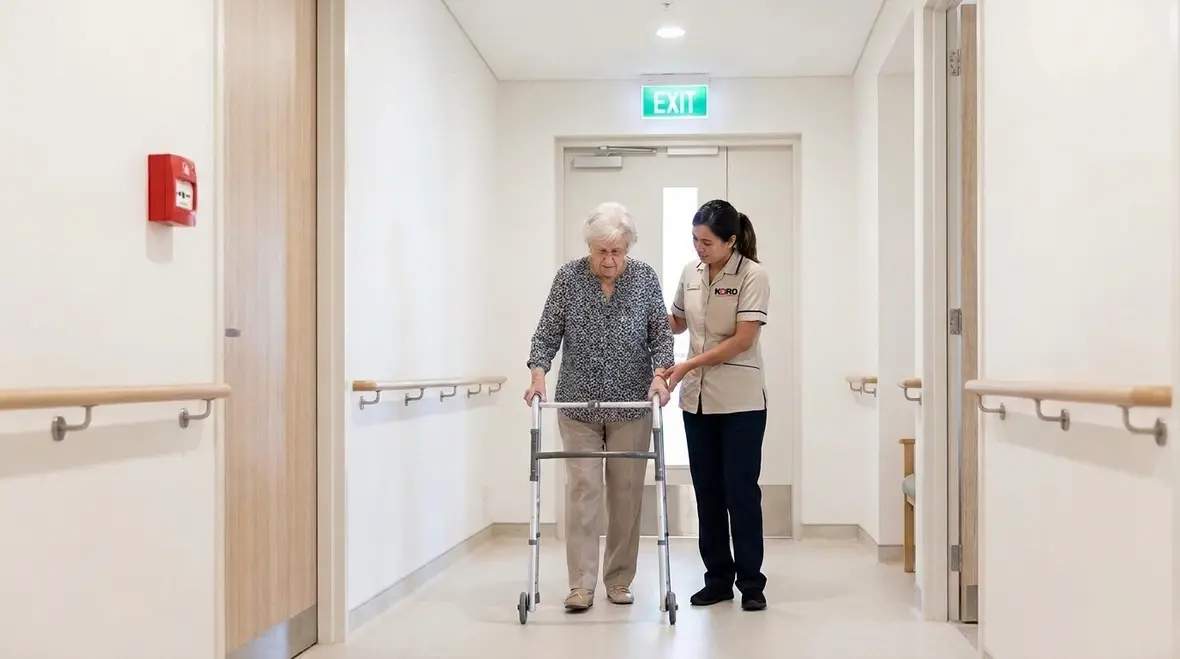
NFPA 1 Section 20.5 focuses on board and care occupancies, which are buildings where occupants receive supervision or care. These sites often have mobility limits, sleeping risk, staff handover needs, and higher smoke danger. Therefore, the code pushes for strong detection, reliable alarms, clear exits, and disciplined maintenance.
It also expects the building to support a safe response before panic takes over. That means fire systems must work together, staff must know their roles, and the layout must help people move out without confusion. As a result, the code acts less like paperwork and more like a life safety script that everyone must know by heart. That same systems working together mindset lines up well with Kord Fire Protection’s article on how commercial building fire safety systems work, because isolated devices are helpful, but coordinated protection is where the real muscle lives.
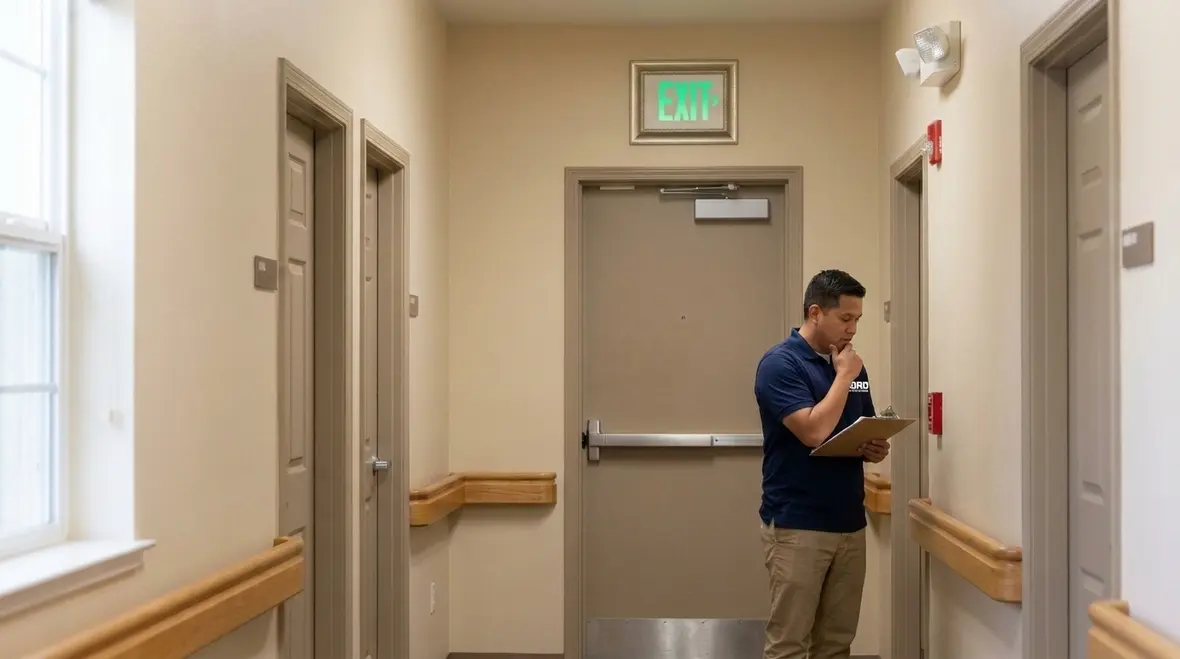
Why This Matters for Australian Facilities
Even though NFPA 1 is not an Australian code, it gives facility teams a useful lens for risk control. Many commercial operators, care providers, property managers, and multi site businesses use it to strengthen their own fire plans. This is especially true for buildings with vulnerable occupants, visiting families, shared services, or mixed use spaces.
In practice, the board and care fire code approach helps teams think beyond minimum habits. It encourages a layered system: prevention, early warning, safe movement, and trained response. That mindset supports better outcomes during inspections, upgrades, insurance reviews, and emergency planning. And yes, it also helps avoid the kind of fire drill that makes everyone pretend they know where the stairwell is.
Why the occupancy type changes everything
A warehouse may prioritize asset continuity. An office may focus on orderly evacuation. A board and care environment has to do both while accounting for people who may be asleep, disoriented, mobility limited, or dependent on staff assistance. That changes the speed of response, the design of exits, the value of compartmentation, and the importance of routine training. Put plainly, the building cannot expect every occupant to react like a sprinter hearing a starter pistol. The fire strategy has to meet people where they are.
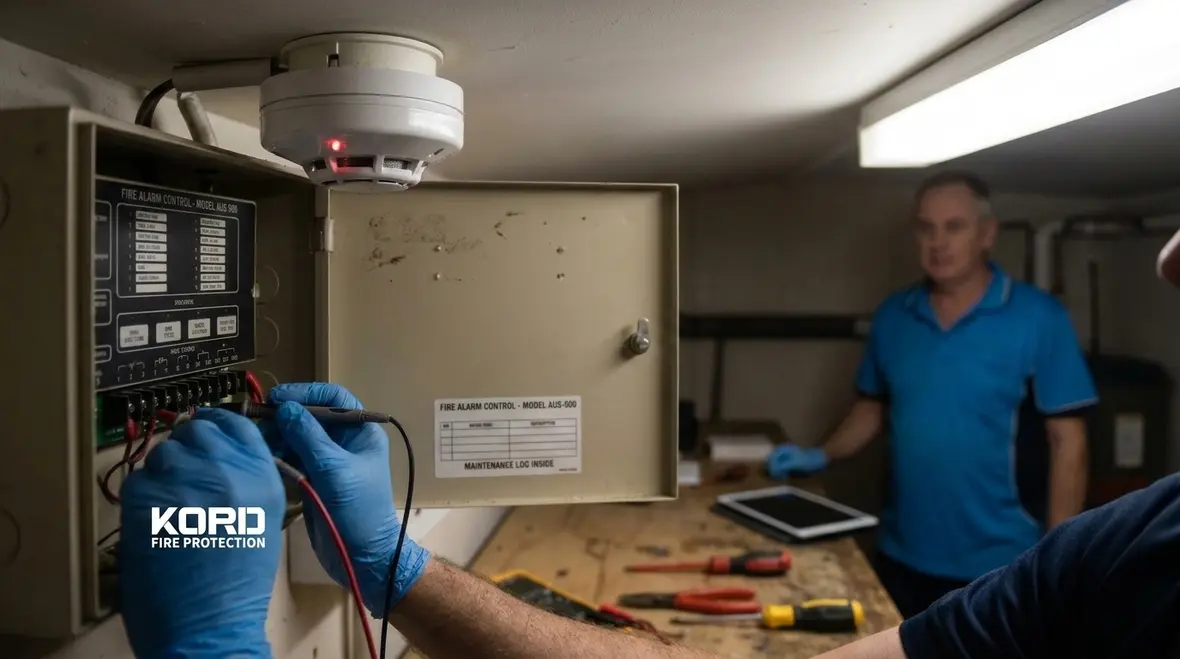
Key Fire Safety Expectations for Board and Care Settings
NFPA 1 Section 20.5 places strong emphasis on features that protect life first. These often include:
- Working fire detection and alarm systems
- Clear and well marked escape routes
- Doors and exits that open fast and stay usable
- Emergency lighting and exit signs
- Regular testing and maintenance of systems
- Staff training for evacuation and response
These controls matter because fire does not wait for a convenient moment. Moreover, smoke can spread faster than many people expect. That is why residential care fire safety NFPA guidance pays close attention to early warning and fast evacuation support.
The small failures that become big problems
Most serious fire safety breakdowns do not begin with cinematic explosions. They begin with smaller failures that stack up quietly: a blocked exit, a missed inspection, a device fault nobody chased, a staff member who was never fully shown the evacuation sequence, or a maintenance record that exists mainly in someone’s memory. In board and care environments, those little misses can snowball fast because response windows are tighter and occupant needs are greater. That is why disciplined routines matter more than heroic improvisation.
Dual View: Compliance Needs and Real World Risk
Compliance view: The site needs fire systems that meet the standard, records that prove maintenance, and clear procedures that staff can follow.
Risk view: The site needs systems that work during stress, power loss, late shifts, visitor traffic, and reduced staffing. That is where good design beats wishful thinking every time.
The smartest facilities hold both views at once. Passing inspection is necessary, but it is not the finish line. The building still has to perform when staffing is thin, when an alarm activates at the least charming hour of the night, or when visitors create extra confusion in corridors and common areas. If the plan only works on paper, then paper is about the only thing being protected.
How Kord Fire Protection Supports Board and Care Fire Safety
Kord Fire Protection can become a vital partner by helping facilities turn fire code ideas into practical action. Their support can include system checks, fire protection upgrades, scheduled inspections, and guidance that fits the building’s actual use. Because no two sites behave the same, this kind of support helps teams avoid one size fits all mistakes.
For board and care environments, Kord can help keep alarms, detection, extinguishers, and other fire protection measures aligned with the site’s risk. In addition, they can assist facility managers with documentation and servicing routines that reduce gaps. That matters because fire safety failures often start with small delays, missed testing, or broken trust in a system that should have worked. Kord helps close those gaps before they turn into headline material.
Facilities that want stronger planning discipline can also borrow ideas from Kord Fire Protection’s building fire safety emergency planning guidance, especially around role clarity, documentation, and calm execution. In care related occupancies, that kind of planning is not bureaucracy for bureaucracy’s sake. It is the difference between a coordinated response and a hallway full of guesswork.
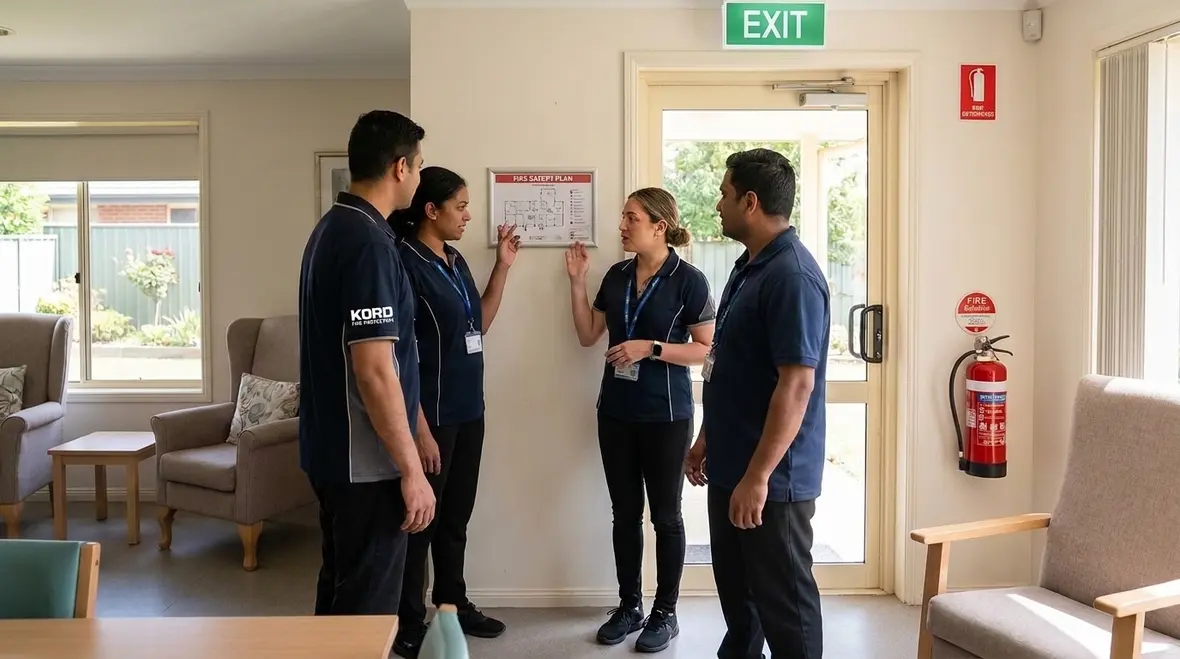
What Facility Managers Should Check First
When reviewing a site against boarding home fire protection principles, managers should start with the basics and then move deeper. A smart review should look at:
- Alarm coverage in sleeping and shared areas
- Exit access that stays clear at all times
- Staff awareness of evacuation steps
- Maintenance logs for fire systems
- Special needs for occupants who need assistance
- Coordination with local emergency planning
These checks help a site move from paper compliance to real readiness. Furthermore, they give management a clean picture of where risks sit and where investment will matter most. A review like this also makes future upgrades more targeted, which is a much nicer outcome than replacing things in a panic because nobody looked closely when there was still time to think.
A practical way to audit without losing the plot
A useful approach is to walk the building in the same way an emergency would unfold. Start where occupants sleep. Move through shared areas. Check how alarms are heard, how exits are reached, and how assistance would actually be provided to people who cannot self evacuate quickly. Then compare that lived path with the written plan, the training records, and the maintenance history. If those pieces do not match, the site has found a real issue, not just an administrative inconvenience wearing a fake mustache.
Why Training Matters as Much as Equipment
Even the best equipment can fail in practice if staff do not know how to respond. That is why NFPA 1 Section 20.5 supports routine training and drills. Staff must know how to raise the alarm, guide people to safety, and stay calm under pressure. Calm, after all, is contagious. So is panic. One of them should be invited to the drill, and the other should be kept outside.
Training also helps with handover risk, which is common in care settings and shared facilities. When shifts change, people can miss details. However, regular practice keeps the response sharp and the message clear.
This is also where broader fire prevention thinking helps. Teams that want a bigger picture view can reference Kord Fire Protection’s NFPA 1 comprehensive guide to fire prevention and safety for added context on how prevention, maintenance, and emergency response connect. In care occupancies, those connections are not academic. They are what keep a difficult situation from becoming a tragic one.

FAQ
Final Takeaway and Next Step
NFPA 1 Section 20.5 gives facility teams a clear path to stronger board and care fire safety. For Australian operators, it offers a solid benchmark for planning, maintenance, and staff readiness. Kord Fire Protection can help turn that benchmark into a working system that supports safety, compliance, and peace of mind.
If the site needs a fire safety review, now is the time to act, not after the alarm has already done the talking. The best outcome is always the boring one: systems work, staff respond, occupants get protected, and nobody has to explain later why obvious risks were treated like tomorrow’s problem.

Join Our Newsletter!
Get the latest fire safety tips delivered straight to your inbox From our Newsletter.