NFPA 1 Section 20.4 Health Care Fire Safety Compliance
Quick Answer
NFPA 1 Section 20.4 sets the fire safety standard for health care occupancies, where patient care, staff flow, and emergency response must work together without delay. It guides protection for hospitals, clinics, and care facilities. Kord Fire Protection can support compliance, reduce risk, and help keep people safe when every second counts.
For facilities that need broader support beyond paperwork, Kord Fire Protection’s full fire protection services bring inspections, testing, repairs, and ongoing system readiness together in one practical compliance focused approach.
NFPA 1 Section 20.4: What It Means for Health Care Sites
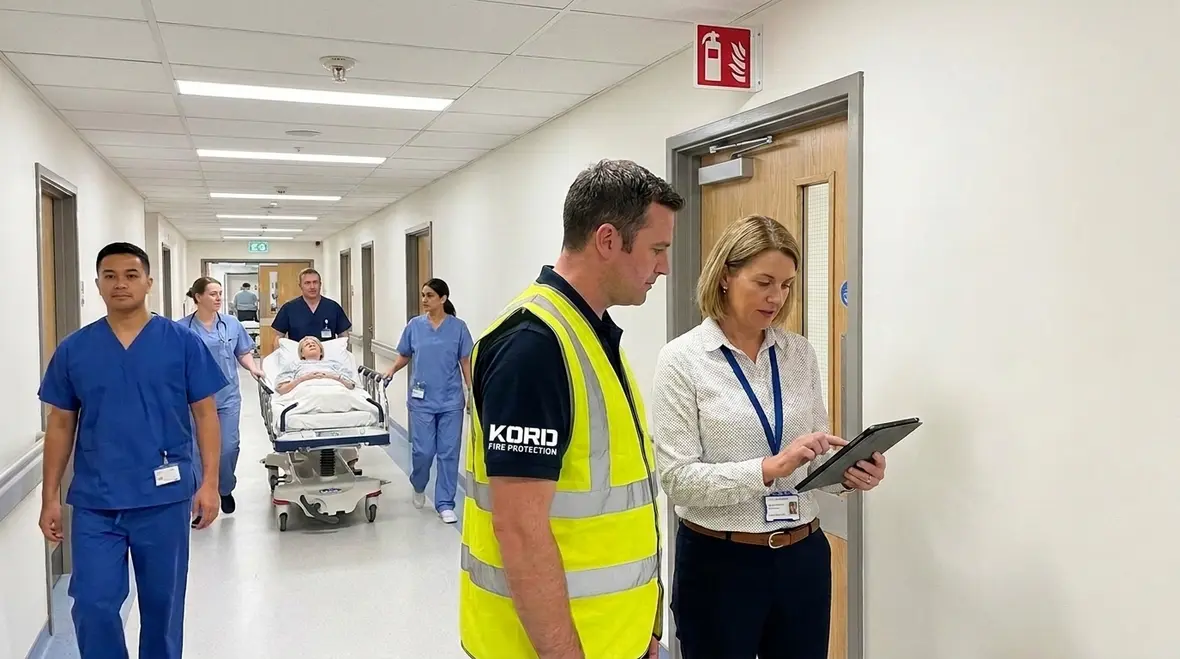
NFPA 1 Section 20.4 focuses on health care occupancy fire safety, and that matters because these buildings do not run like ordinary workplaces. In a hospital or medical centre, people may not move fast, may not hear alarms clearly, and may depend on staff, power, and equipment to stay safe. That is why healthcare fire safety NFPA rules exist with a very clear goal: protect life first, then protect operations.
For businesses managing hospitals, day surgery units, aged care connected sites, and specialist medical buildings, the lesson is simple. A hospital fire code approach must support patient care, not interrupt it. At the same time, medical facility fire protection must cover alarms, evacuation paths, smoke control, suppression systems, staff training, and regular checks. In other words, the building must be ready before trouble shows up. Fire rarely sends a calendar invite.
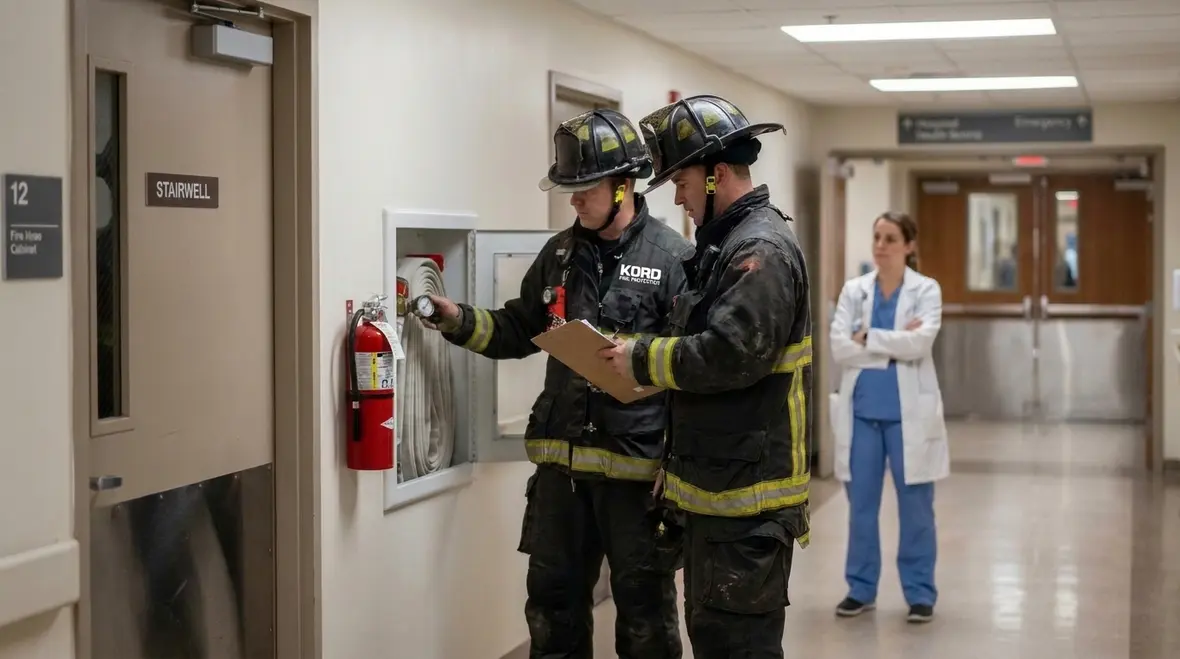
Why the occupancy classification changes the whole strategy
That distinction matters because health care occupancies are built around people with limited mobility, complex treatments, and constant movement between departments. A standard office style evacuation concept simply does not fit. Staff may need to defend in place, move patients horizontally, protect treatment spaces, and keep key systems running while an incident is still unfolding. That makes planning more layered, more technical, and much less forgiving of sloppy maintenance.
Why Health Care Fire Safety Needs a Different Playbook
Health care sites face unique risks. First, many occupants cannot self evacuate. Second, critical equipment may fail if fire, smoke, or water spreads. Third, some areas store oxygen, chemicals, or other hazards that raise the stakes. Therefore, the fire plan must match the real building use, not a generic template pulled from the internet and blessed with hope.
NFPA 1 Section 20.4 helps set that structure. It supports safe exits, fire barrier integrity, alarm readiness, and staff response. It also pushes facilities to review how doors, corridors, and protected rooms work during an emergency. As a result, the site can manage fire risk without turning patient care into chaos.
Patient care cannot stop just because the alarm did its job
In practical terms, compliance is not just about checking whether devices exist. It is about whether the whole building can respond while treatment continues. That includes who moves whom, which spaces become temporary refuge points, how smoke is limited, and whether staff can trust the systems protecting them. In health care, delay is expensive, confusion is dangerous, and guessing is not a strategy.
What NFPA 1 Section 20.4 Covers in Practice
This section does more than list rules. It shapes how a health care facility should think about daily safety. Key areas usually include:
- Safe means of egress for staff, visitors, and patients
- Fire alarm and detection systems that work quickly and clearly
- Smoke control and compartmentation to slow fire spread
- Protection of hazardous areas and special equipment rooms
- Regular inspection, testing, and maintenance of fire systems
- Clear emergency planning and staff readiness
These measures create layers of protection. Moreover, they help the facility keep operating when pressure rises. A well designed medical facility fire protection plan does not rely on luck. It relies on systems, checks, and people who know what to do when the alarm sounds and the room gets very unfunny, very fast.
Facilities looking for a broader code perspective can also review Kord Fire Protection’s NFPA 1 comprehensive guide to fire prevention and safety, which helps connect this section to the larger compliance picture rather than treating it like an isolated box to tick.
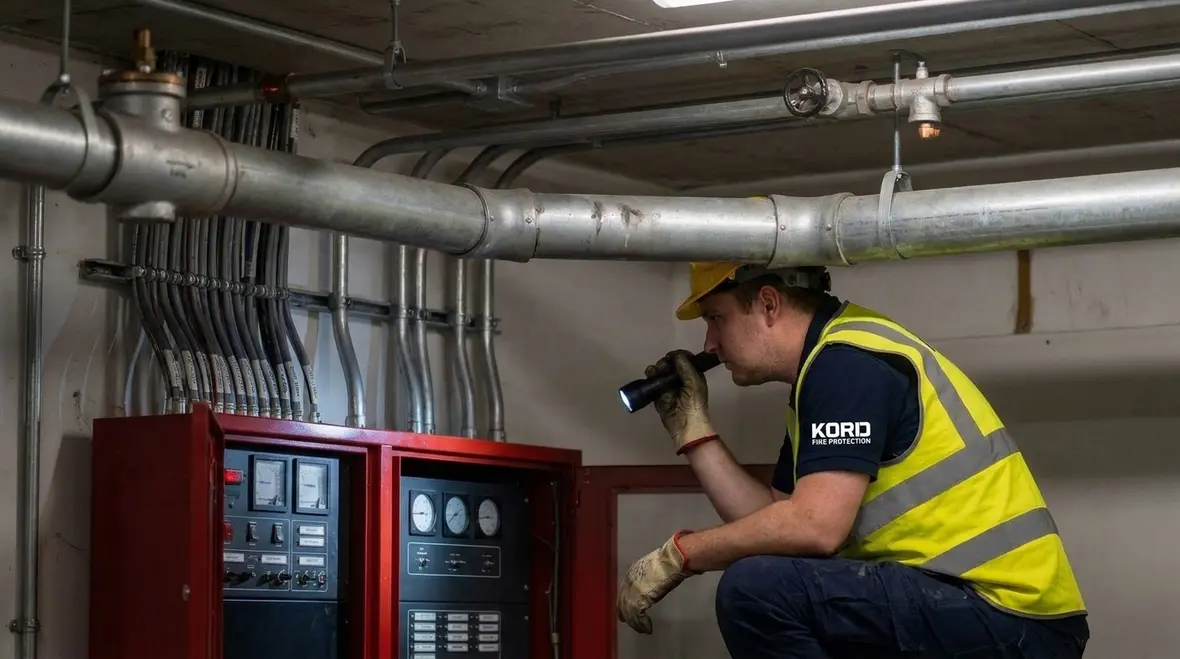
Daily readiness matters more than rare heroics
The strongest fire safety programs in health care are usually the least dramatic. Doors latch properly. Detection devices are tested. Routes stay clear. Staff know where to move people and how to report trouble fast. That kind of consistency is not flashy, but it prevents small issues from becoming headlines, inspections from becoming panic, and maintenance notes from becoming very expensive lessons.
How to Apply the Standard Across Hospitals and Clinics
Health care facilities should review their fire safety program in a practical way. First, they should map the building by risk zone. For example, patient rooms, operating areas, stores, plant rooms, and chemical storage each need different controls. Next, they should confirm that fire doors, alarms, extinguishers, emergency lighting, and suppression systems all match the site risk and current use.
Operational focus
- Patient movement
- Critical care rooms
- Storage and plant spaces
- Daily operations
Fire safety action
- Keep corridors clear and verify evacuation routes
- Protect with early detection and stronger compartment control
- Inspect ignition risks and maintain suppression systems
- Train staff and test emergency steps often
In addition, leaders should tie fire safety into routine maintenance. If a door fails, a detector is missed, or a sprinkler line has an issue, the risk grows quietly. That is how problems build. Not with drama, but with neglect, which is honestly the least glamorous villain in building safety.
A practical rollout beats a perfect plan that never leaves the meeting room
The smartest rollout usually starts with the real floor plan, real staffing pattern, and real equipment dependencies. From there, teams can identify what must stay operational, where evacuation would bottleneck, which areas need stronger compartmentation, and what maintenance tasks are falling behind. A living compliance program always works better than a beautiful binder nobody opens until inspection day.
Where Kord Fire Protection Becomes a Vital Partner
Kord Fire Protection can play a vital role in helping health care sites meet the demands of NFPA 1 Section 20.4. The company can support audits, system checks, maintenance planning, and compliance based fire protection work. More importantly, it can help facilities reduce gaps before they become urgent, expensive, or dangerous.
For hospitals, clinics, laboratories, and large commercial medical sites, that kind of support matters. Kord Fire Protection can help assess risk, service fire systems, and guide fire safety improvements that suit the building and its operations. In this field, partnership matters because downtime hurts care, and missed compliance can hurt even more. A dependable fire partner keeps the facility prepared, calm, and ready for scrutiny from regulators, insurers, and reality itself.
That broader support model is also reflected in Kord Fire Protection’s hospital focused guidance on hospital fire suppression system safety and compliance, which fits naturally with facilities that need coordinated alarms, suppression, inspection planning, and emergency readiness instead of one off fixes.
How Compliance Supports Safety and Business Continuity
Good fire compliance does more than satisfy a code. It protects patients, staff, visitors, assets, and reputation. It also supports business continuity, which means the site can keep serving people even after a fire event or system fault. That matters for commercial health care operators, private facilities, and multi site organisations that cannot afford long interruptions.
Furthermore, a strong fire safety program can lower the risk of avoidable incidents, improve response times, and show due care to insurers and stakeholders. In a sector built on trust, that is not a small thing. It is the whole game.
Compliance protects reputation because people notice preparation after the worst day
When a facility responds well under pressure, that result rarely comes from luck. It comes from maintained systems, realistic drills, responsible leadership, and vendors who understand how safety and operations affect each other. Health care organisations do not just need equipment that exists on paper. They need equipment that works, staff who can act, and records that prove neither of those things was left to chance.
FAQ
Final Word
NFPA 1 Section 20.4 gives health care sites a clear path to safer operations. However, real protection depends on action, not paperwork. Kord Fire Protection can help hospitals, clinics, and medical facilities strengthen compliance, improve readiness, and protect the people who depend on them.
For operators, that is not just smart. It is essential. When systems are maintained, staff are prepared, and responsibilities are clear, compliance stops feeling like a burden and starts doing what it was always meant to do: keep people safe while the building keeps working.

Join Our Newsletter!
Get the latest fire safety tips delivered straight to your inbox From our Newsletter.