NFPA 1 Section 20.6 for Ambulatory Healthcare Fire Safety
Quick Answer
NFPA 1 Section 20.6 sets the fire safety baseline for ambulatory health care spaces, where patients receive care without overnight stays. It focuses on clear exits, alarms, suppression, staff readiness, and regular checks. For facilities that need dependable inspection, testing, and ongoing system support, local fire protection services can help keep systems compliant, tested, and ready when it counts.
NFPA 1 Section 20.6 matters because ambulatory care sites move fast, handle vulnerable people, and must stay calm under pressure. In the world of ambulatory healthcare fire code, outpatient facility fire safety, and medical clinic fire protection, there is little room for guesswork. A small fault can become a large problem, and in a place full of people who need help, that is not a scene anyone wants to direct. The good news is that strong planning and steady maintenance can keep these spaces safe without turning them into a maze of rules and alarms.
What NFPA 1 Section 20.6 Covers
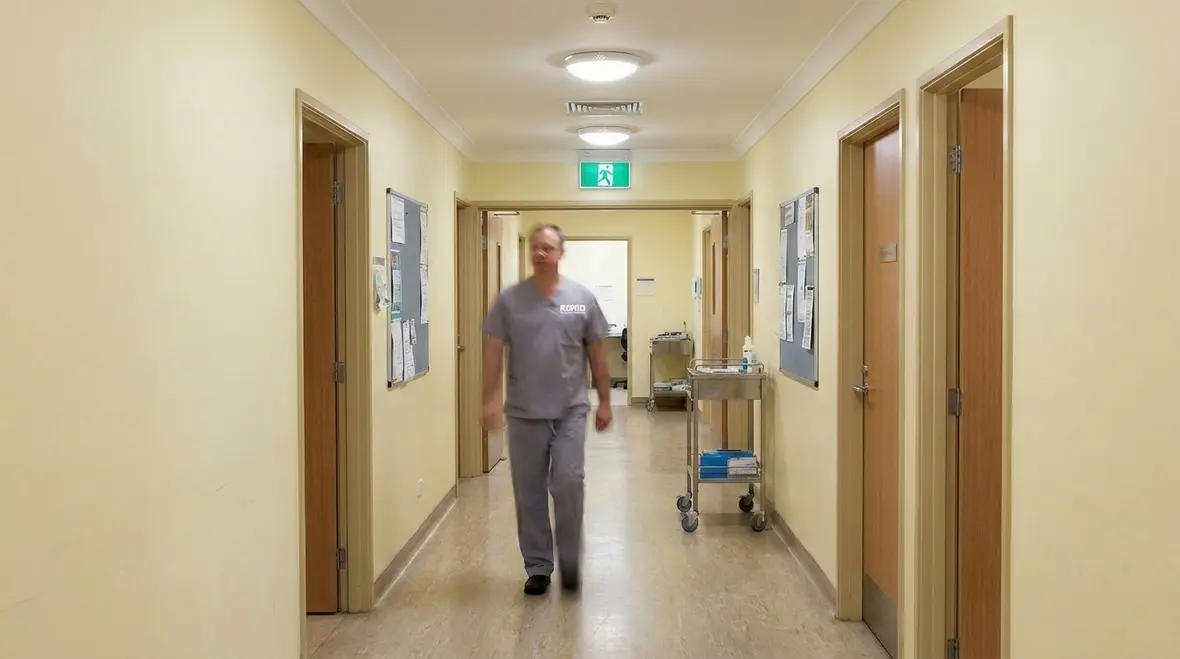
NFPA 1 Section 20.6 focuses on fire protection in ambulatory health care occupancies. These are places where patients receive treatment, testing, or minor procedures and leave the same day. Because these sites often serve people who may not move quickly, the code expects a higher level of care around life safety.
It looks at exit access, alarm systems, sprinkler coverage where required, compartmentation, staff response, and the upkeep of fire protection equipment. In practice, that means the site must not only install the right systems, but also keep them in working order. Even the best system becomes theatre props if no one tests it.
Why the section matters in real outpatient settings
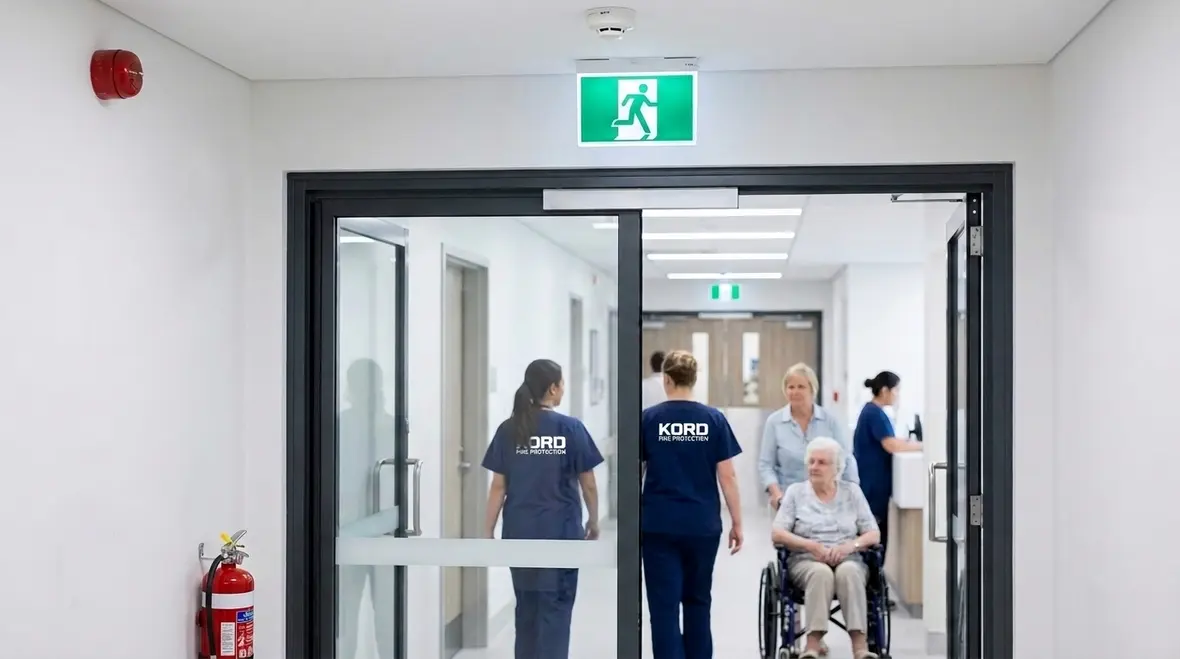
Ambulatory spaces can look calm on the surface, but they often juggle patient intake, treatment turnover, medical storage, support staff movement, and a constant flow of visitors. That mix changes the evacuation picture. A standard office drill mindset is not enough when the people in the building may be elderly, recovering, anxious, or temporarily limited by treatment. Fire safety has to match the occupancy, not the paint colour on the walls.
That is why facility teams need a code based program that connects life safety systems with daily operations. A hallway that stays clear, an alarm panel that gets serviced on time, and emergency lighting that actually works during a power loss are not glamorous wins, but they are the kind that keep a rough day from becoming a disastrous one.
Why Outpatient Sites Need a Higher Safety Standard
Outpatient clinics and day procedure spaces have a different risk profile than a standard office or shop. Staff often work with patients who may be stressed, sedated, elderly, or physically limited. At the same time, the building may include exam rooms, waiting areas, treatment spaces, storage, and support zones, all with different hazards.
For that reason, outpatient facility fire safety is not just about code boxes and paperwork. It is about making sure the building can support a calm, fast, safe move if an alarm sounds. In other words, the goal is not to impress the fire inspector with shiny gear. The goal is to make sure people can get out safely while the building does its job in the background like a good stage crew.
The hidden pressure points facility managers should watch
Some of the biggest problems in medical clinic fire protection are painfully ordinary. Storage migrates into corridors. Devices get blocked by furniture. Documentation lags behind service dates. Staff turnover leaves gaps in emergency roles. None of that looks dramatic until the moment the system has to perform. Then everyone suddenly discovers that routine neglect has excellent timing and terrible manners.
The answer is not panic and it is not paperwork for paperwork’s sake. It is discipline. Regular inspections, sensible housekeeping, and a realistic response plan keep the site functional under stress. That is the kind of boring excellence every clinic should be proud of.
Core Fire Safety Elements That Matter Most
| Life Safety Element | What It Supports | Why It Matters |
|---|---|---|
| Fire alarm system | Early warning | Gives staff time to act before smoke spreads |
| Sprinkler protection | Fire control | Helps slow fire growth and protect evacuation paths |
| Exit routes | Safe movement | Lets patients and staff leave without confusion |
| Emergency lighting | Visibility | Keeps hallways and exits clear during power loss |
| Staff drills | Fast response | Builds confidence and reduces delay under stress |
How these elements work together
Each item on that list supports the others. Alarm systems create time. Sprinklers help control growth. Exit routes and emergency lighting make movement possible. Drills turn a plan into something staff can actually use. Remove one layer, and the whole response gets shakier. Keep them aligned, and the building gains resilience without needing a dramatic speech in the staff room.
This is also where broader code knowledge helps. Facilities that want a wider view of how fire prevention and life safety requirements connect across occupancies can review NFPA 1: A Comprehensive Guide to Fire Prevention and Safety. It gives useful context for how system maintenance, egress, emergency planning, and occupancy specific expectations fit into one larger compliance picture.
How Kord Fire Protection Becomes a Vital Partner
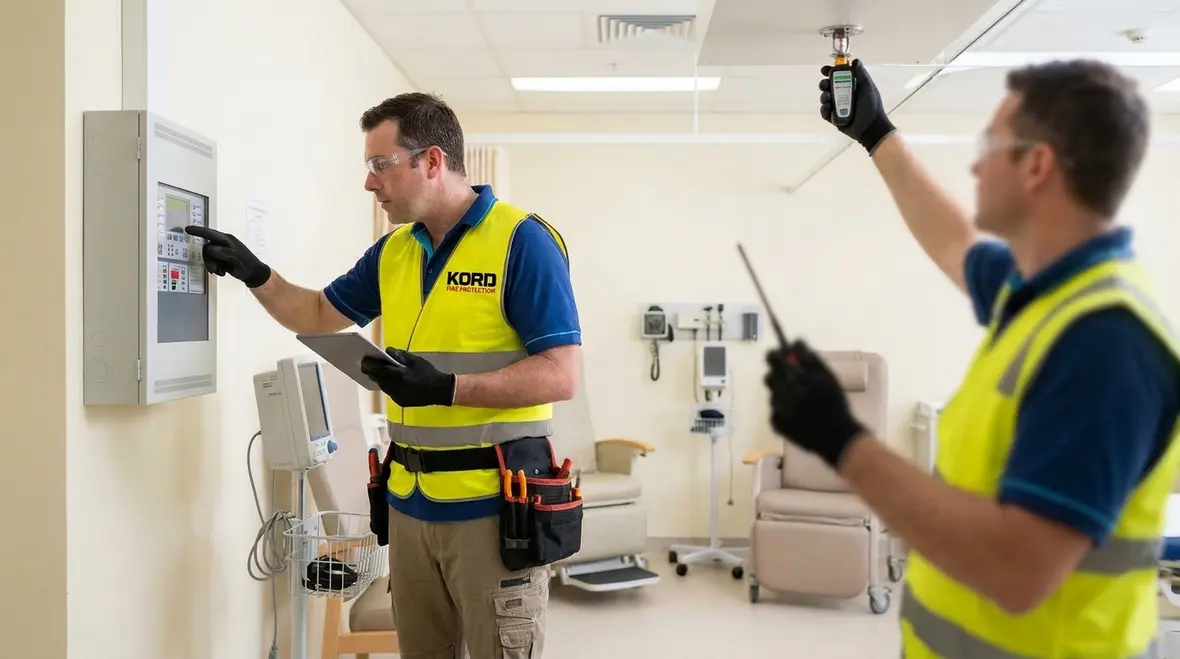
Kord Fire Protection can play a key role by helping facilities design, inspect, test, and maintain fire systems that match the demands of ambulatory care spaces. For commercial sites that include clinics, day procedure rooms, allied health spaces, or medical suites, that support is not a luxury. It is a practical shield.
First, Kord can help identify gaps before they become trouble. Then, it can support routine inspection and testing so alarms, sprinklers, extinguishers, and related systems stay ready. Just as important, it can help teams keep records in order, which matters when compliance checks arrive and everyone suddenly remembers how much they hate missing paperwork.
Because Kord works across commercial and industrial settings, it can also support complex sites where a clinic sits inside a larger facility. That means fire safety planning can align with site operations, tenant needs, and building limits instead of forcing a one size fits all fix.
Why one partner helps reduce compliance drag
Healthcare related occupancies rarely have the spare time to coordinate five different vendors while also chasing inspection dates, service records, and corrective work. A single capable fire protection partner helps reduce that friction. Systems get tracked more consistently, deficiencies are easier to resolve, and the site spends less time playing administrative hide and seek.

How a Clinic Can Stay Ready Every Day
Daily readiness begins with simple habits. Staff should keep exits clear, store items away from panels and alarms, and report faults right away. However, simple habits only go so far. A proper plan also needs regular inspection, maintenance, and training.
That plan should cover alarm devices, sprinkler heads, emergency lighting, fire doors, and extinguishers. It should also include staff roles during an alarm, because in an emergency, people do not need a team that improvises like a reality show cast. They need clear actions, calm voices, and a process that already works.
A practical daily and monthly readiness mindset
A useful way to think about compliance is to split it into visible habits and scheduled tasks. Visible habits include keeping egress paths open, making sure extinguishers stay accessible, reporting damaged devices, and not stacking supplies where they should never be stacked. Scheduled tasks include formal inspections, testing intervals, documentation reviews, and staff refreshers. Both matter. One keeps the site tidy and responsive. The other proves the protection program is real.
When teams build those checks into ordinary operations, fire safety stops feeling like a disruptive event and starts working like part of the facility’s rhythm. That is exactly where it should live.
How Compliance Supports Business Continuity
Fire safety in ambulatory health care is not only about life safety. It also protects business continuity, patient trust, and site reputation. A fire event, even a small one, can disrupt appointments, damage equipment, and shut down revenue for days or weeks.
For facilities, strong medical clinic fire protection helps reduce that risk. It also supports insurers, building managers, and duty holders who must show that they take safety seriously. In a busy commercial environment, that level of control can make the difference between a manageable issue and a very expensive headline.
Why continuity planning belongs in the fire safety conversation
Too many teams think of compliance as something separate from operations, when in reality it protects operations directly. If a clinic closes unexpectedly, the impact reaches patients, staff schedules, referrals, records access, and revenue. Fire protection is part of keeping the business open, trusted, and functional. That makes it a management issue, not just a maintenance issue.
What Facility Managers Should Ask Next
Facility managers should ask whether their current systems match the building use, patient type, and occupancy load. They should also ask whether inspections happen on time, whether staff know their duties, and whether records are easy to produce.
Most of all, they should ask whether the site would still perform well during a real emergency. If the answer feels shaky, then the system needs attention now, not later. Fire safety rarely sends a polite calendar invite.
FAQ
Final Takeaway
NFPA 1 Section 20.6 sets a serious standard for ambulatory care sites, and that standard protects people, property, and operations. In a setting where patients may need extra time, help, or direction, the basics matter a lot: clear exits, dependable alarms, functioning suppression, trained staff, and records that are not scattered across three inboxes and a mystery folder.
For clinics and outpatient facilities, Kord Fire Protection can help turn compliance into a working daily system. The next move is simple: review the site, close the gaps, and keep the protection ready. That is less exciting than heroics, but much better for everyone involved.

Join Our Newsletter!
Get the latest fire safety tips delivered straight to your inbox From our Newsletter.