NFPA 1 Section 14.12 Egress Illumination and Exit Lighting Requirements
Quick Answer
NFPA 1 Section 14.12 sets the baseline for means of egress illumination so people can move out safely during an emergency. For industrial, retail, and commercial sites across Australia, strong egress illumination NFPA planning, reliable exit lighting requirements, and solid means of egress lighting fire code compliance reduce risk, support safe evacuation, and keep operations steady.
Facilities that want practical support with system readiness can also review Kord Fire Protection’s full fire protection services, which naturally fits emergency lighting into a broader compliance and maintenance strategy. ([kordfire.com](https://kordfire.com/full-fire-protection-services/?utm_source=openai))
NFPA 1 Section 14.12 means of egress illumination explained
NFPA 1 Section 14.12 focuses on one simple idea with serious weight: when a building needs to empty, people must be able to see the path out. That sounds obvious. Yet in a real emergency, smoke, power loss, confusion, and panic can turn a normal hallway into a bad scene fast. So, this section matters.
The rule expects exits, exit access paths, stairways, and other parts of the escape route to stay lit well enough for safe movement. In practical terms, means of egress lighting fire code duties help prevent people from stumbling, stopping, or heading the wrong way. For large warehouses, shopping areas, factories, and office sites, that is not just compliance. It is calm under pressure. And calm, as any good safety manager knows, beats chaos every time.
Why visibility becomes a life safety issue so quickly
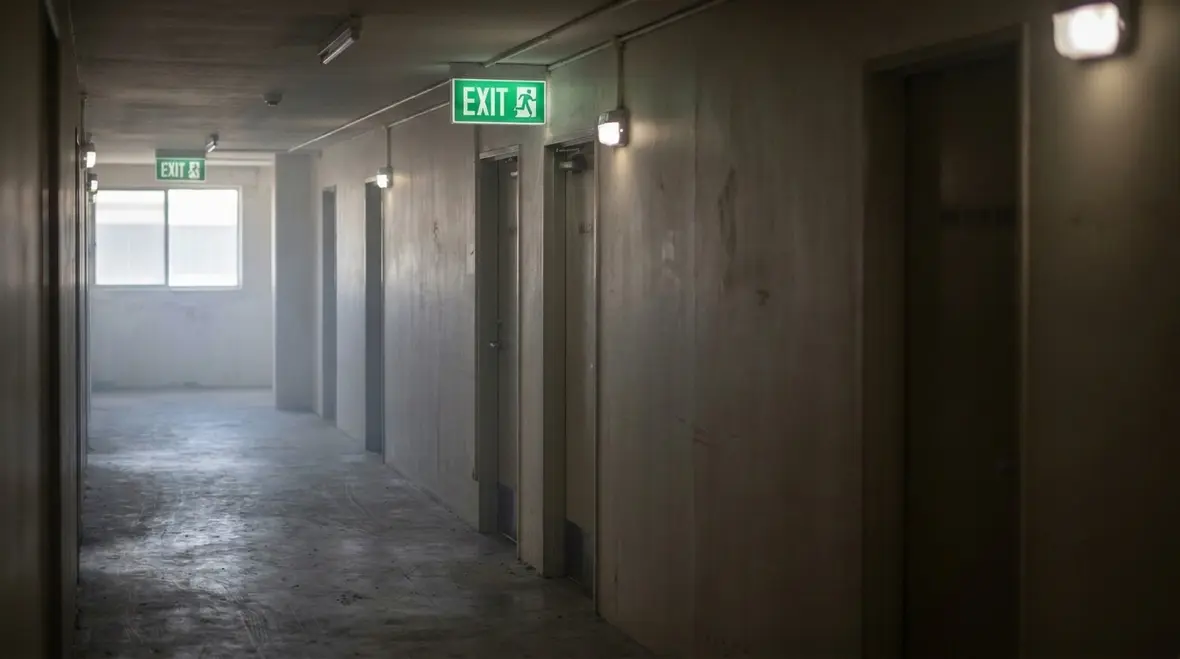
People do not make their best decisions while dealing with alarms, smoke, and a sudden loss of normal lighting. They look for obvious visual cues, clear door locations, and routes that feel certain. That is exactly where proper egress lighting earns its keep. It removes hesitation, supports flow, and helps occupants move with something close to confidence instead of doing that awkward half-jog half-freeze thing nobody wants during an emergency.
Kord Fire Protection’s related article on emergency egress lighting design standards from day one reinforces that early planning around spacing, sign placement, battery health, and inspection routines is what helps lighting perform in the real world, not just on paper. ([kordfire.com](https://kordfire.com/emergency-egress-lighting-design-standards-from-day-one/?utm_source=openai))
What exit lighting requirements mean for business sites
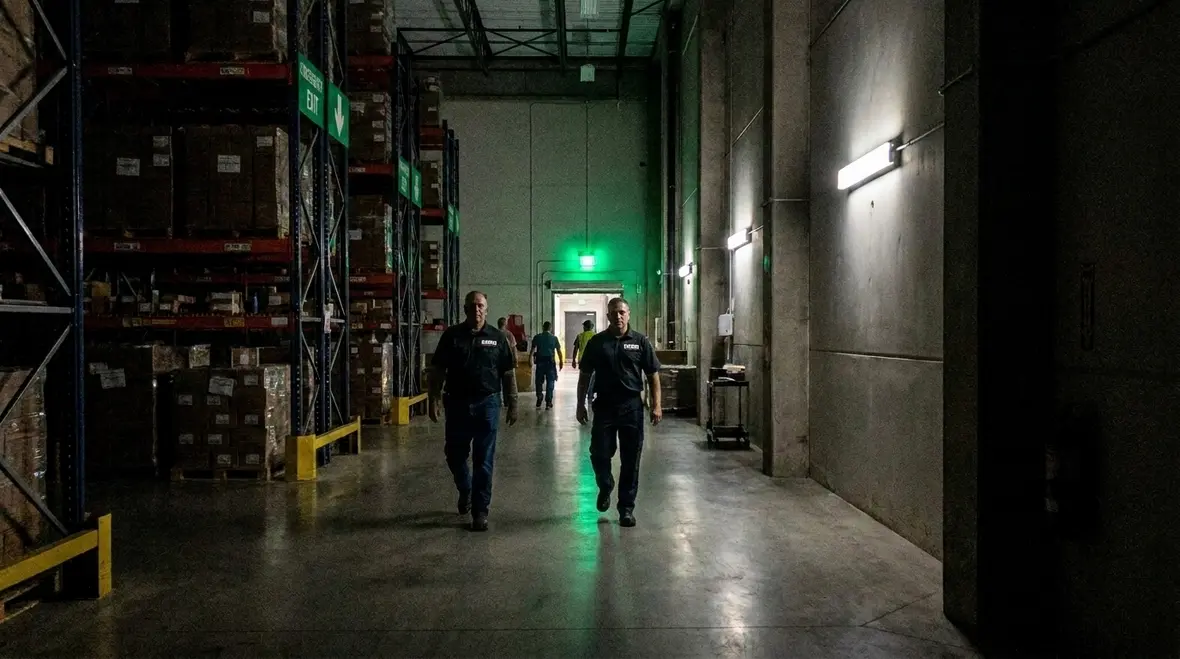
Exit lighting requirements cover the lights that guide people from the point of risk to the point of safety. These lights must work when normal power fails, which is why emergency supply, battery backup, or another approved source matters. They also need to stay visible and placed where people can actually follow them. A sign in the wrong place is like a GPS that says “turn left” into a brick wall.
For industrial and commercial sites, this often means checking loading docks, production floors, mezzanines, stockrooms, corridors, and large open spaces. Retail spaces need the same care around sales floors, back of house paths, and service exits. The rule is not about decoration. It is about guidance when people have seconds, not minutes.
Kord Fire Protection’s article on emergency lighting for exits placement and coverage fits neatly here because it emphasizes a blunt but useful truth: if occupants cannot see the light, the light cannot do its job. ([kordfire.com](https://kordfire.com/emergency-lighting-for-exits-placement-and-coverage-guide-kord-fire-protection/?utm_source=openai))
How egress illumination NFPA supports safe evacuation
Egress illumination NFPA guidance works because it reduces confusion at the exact moment confusion gets expensive. During fire, smoke can block low mounted lights, so placement and brightness matter. During a blackout, reliable backup keeps exits visible. During a drill, the system proves whether the site is ready or simply hopeful. Hope is fine for football. It is not a safety plan.
To meet the intent of the code, facilities should treat egress lighting as part of the full life safety system. That means testing it, documenting it, and fixing faults fast. It also means checking that paths stay clear. After all, even the best light cannot help if a pallet, display rack, or cart blocks the way out.

Testing tells the truth faster than assumptions do
A system might look perfectly fine during a normal workday and still disappoint everyone the moment power drops. Batteries age. Fixtures fail quietly. New storage layouts block coverage. Maintenance slips. That is why periodic testing matters so much. It is the difference between knowing and guessing, and guessing is a poor hobby when building safety is involved.
Kord Fire Protection’s post on what a proper emergency lighting test includes explains how thorough checks uncover battery, fixture, visibility, and coverage issues before they become nasty surprises. Its article on common emergency lighting failures and prevention adds a practical look at what tends to go wrong over time. ([kordfire.com](https://kordfire.com/emergency-lighting-service-what-a-proper-test-includes/?utm_source=openai))
How a compliant egress lighting plan should work
A strong plan does more than install fittings and walk away. First, it identifies every exit access route. Then it maps each light, sign, and backup source. After that, it checks coverage in normal and emergency conditions. In many sites, that includes high bays, corridors, stairs, ramps, and doors that serve as part of the route.
Next comes testing. Regular checks confirm that batteries hold charge, fittings work, and lamps or LED units still meet the needed performance. Finally, a good plan keeps records. That paper trail helps during audits, inspections, and internal safety reviews. It also shows a site takes the means of egress lighting fire code seriously, which tends to impress inspectors more than a shrug and a confident smile.
Planning details that usually separate solid systems from shaky ones
The best layouts think beyond the obvious corridor and main exit door. They account for corners, changes in floor level, stair landings, large open production areas, and any route where people may suddenly need directional clarity. They also consider the way a facility actually operates, not just how it looked on the original drawing set ten renovations ago.
That practical coordination also shows up in Kord Fire Protection’s article on coordinating emergency lighting and fire safety controls, which ties emergency lighting to broader system readiness and ongoing service support. ([kordfire.com](https://kordfire.com/coordinating-emergency-lighting-and-fire-safety-controls/?utm_source=openai))
What facilities across Australia should check during inspections
Facilities across Australia should look at both compliance and real world use. The right inspection should ask whether lights activate during power loss, whether signs remain easy to read, and whether escape routes stay visible from any point where people may need to move quickly. It should also check for damage, blocked fixtures, dead batteries, and poor placement.
What to inspect
- Exit route coverage
- Backup power
- Fixture condition
- Sign placement
- Testing records
Why it matters
- Keeps the full path visible during an emergency
- Maintains light when normal power fails
- Reduces failure at the worst time
- Helps people move fast without confusion
- Supports compliance and audit readiness
This kind of review matters in warehouses, shopping centres, plants, and office complexes alike. Different sites may have different layouts, but the goal stays the same: keep people moving toward safety with no guesswork.
Why Kord Fire Protection becomes a vital partner
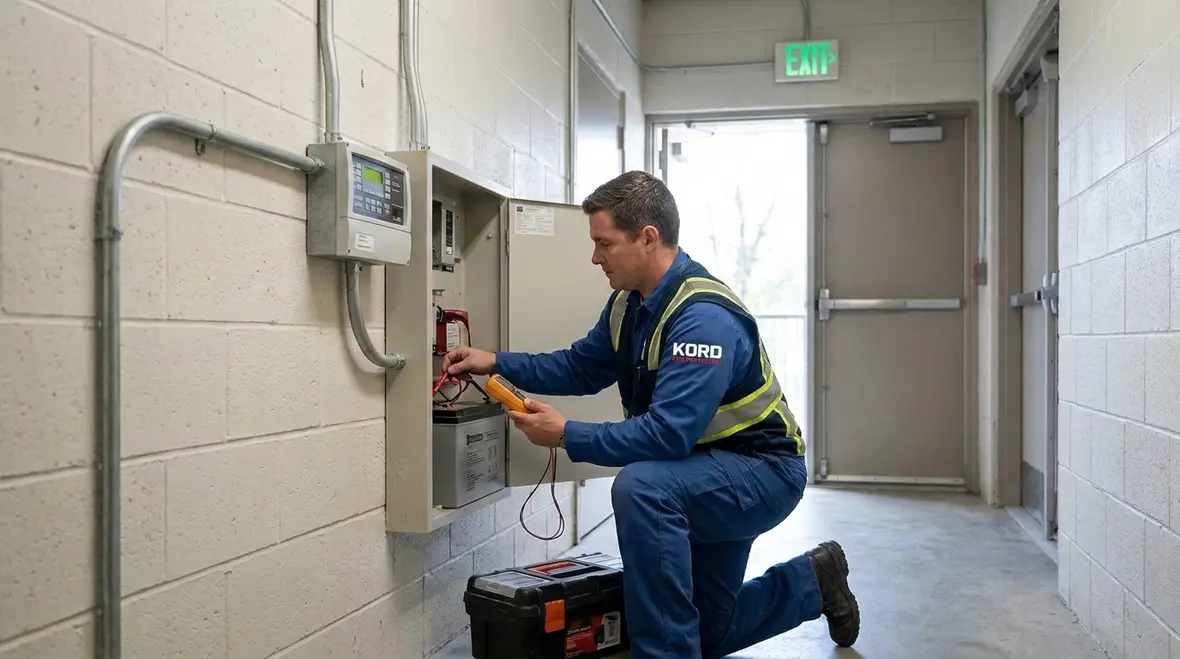
Kord Fire Protection can become a vital partner because compliance works best when experience meets precision. A good provider does not just install emergency lighting. It helps assess the site, confirm the right coverage, plan for maintenance, and keep systems ready for inspection. That saves time, cuts risk, and helps teams stay focused on their actual work instead of chasing fault lights like they are in a crime drama.
For industrial, retail, and commercial sites, Kord Fire Protection can support the full cycle of service: design input, installation, testing, repairs, and ongoing checks. That matters because egress lighting is not a one time job. It is an ongoing duty. With the right partner, sites can better meet exit lighting requirements and strengthen overall safety performance.
For broader context, Kord Fire Protection’s homepage outlines its compliance-focused approach across fire alarms, sprinklers, extinguishers, suppression systems, pumps, inspections, and preventive maintenance, which supports the idea that emergency lighting works best as part of a connected fire protection strategy. ([kordfire.com](https://kordfire.com/?utm_source=openai))
FAQ
Keep your egress lighting ready before it is needed
Strong egress lighting protects people, supports compliance, and keeps operations more resilient. The smart move is not waiting for an outage, inspection, or emergency to reveal weak points. Review the system, confirm coverage, test backup performance, and keep the route clear so the lighting does its job when the pressure rises.
For teams that want expert support, Kord Fire Protection offers practical help with planning, service, testing, repairs, and long-term readiness. If this topic is part of a wider compliance review, it also makes sense to explore Kord Fire Protection’s NFPA 1 comprehensive guide to fire prevention and safety for related code context. ([kordfire.com](https://kordfire.com/emergency-lighting-for-fire-safety-and-reliable-service/?utm_source=openai))

Join Our Newsletter!
Get the latest fire safety tips delivered straight to your inbox From our Newsletter.