NFPA 1 Section 14.11 Exit Discharge Requirements Explained
Quick Answer
NFPA 1 Section 14.11 sets the rules for safe exit discharge, so people can leave a building and reach a safe public way without confusion or delay. It covers clear travel paths, proper lighting, safe surfaces, and open access. For Australian industrial, retail, and commercial sites, Kord Fire Protection can help turn those rules into practical, compliant results.
When facilities start tightening up evacuation planning, it often helps to connect exit discharge strategy with broader full fire protection services so alarms, lighting, inspections, and path management support the same outcome instead of operating like distant cousins at a family reunion.
Why Exit Discharge Matters in Fire Safety
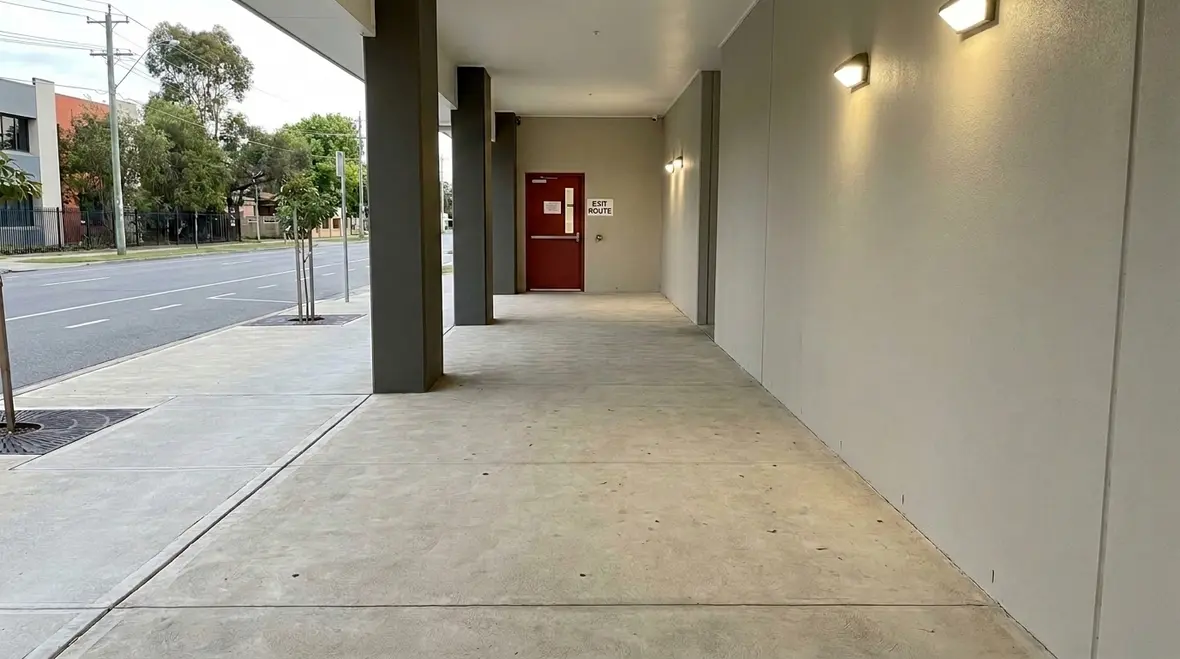
When a fire alarm sounds, no one wants a maze, a locked gate, or a dark slab of concrete pretending to be a safe route. That is why exit discharge requirements NFPA matter so much. They guide how a person moves from the exit door to a place of safety outside the building. In plain terms, the path of egress travel must stay clear, direct, and safe from the final exit to the public way. This is where the exterior exit discharge fire code steps in and makes sure the last leg of escape does not turn into the danger itself.
For industrial plants, shopping centres, warehouses, and office sites across Australia, this is not just paperwork. It is about crowd control, safe movement, and fast evacuation under stress. And stress, as any fire warden knows, can make even a simple door feel like a plot twist in a disaster movie.
What NFPA 1 Section 14.11 Requires
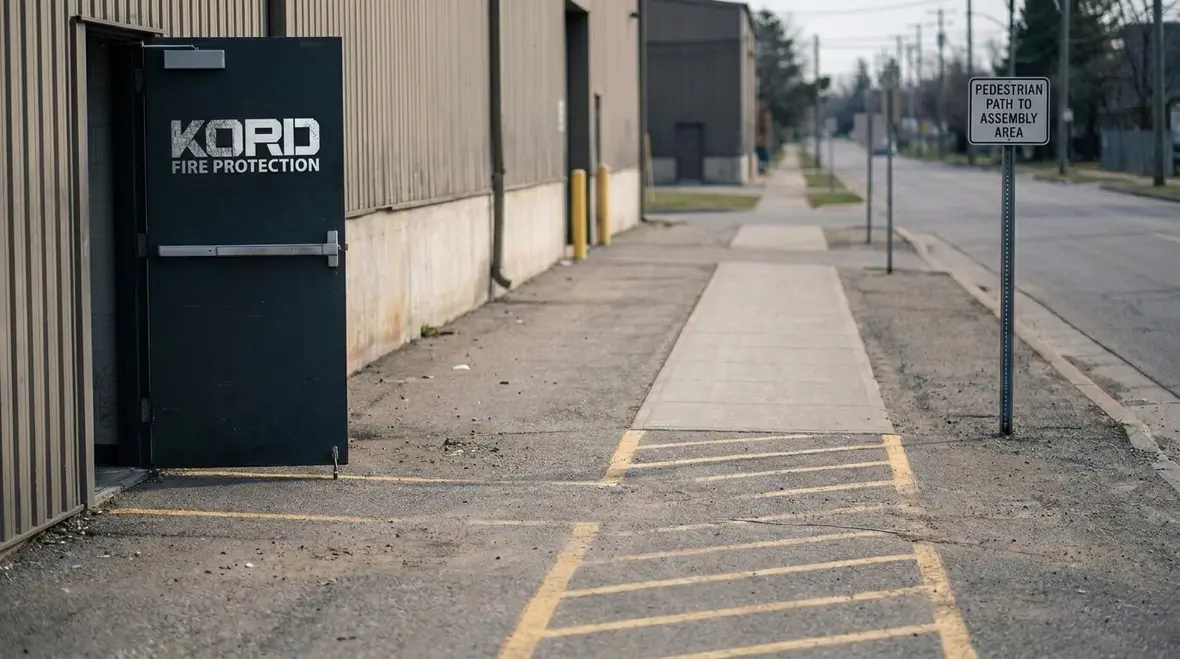
NFPA 1 Section 14.11 focuses on the area outside the exit door where people leave the building and move to safety. It expects that area to support smooth movement, not create a new hazard. The main idea is simple. The exit must lead to a safe discharge point, and that route must stay usable during an emergency.
In practice, this means the route should remain unobstructed, properly marked, and designed so people can move away from the building without delay. It also means the discharge area should not dump evacuees into another danger zone, such as traffic lanes, loading areas, poor lighting, or unsecured storage yards. Even the best exit door loses value if the route outside becomes a bottleneck.
That broader egress thinking also pairs naturally with Kord Fire Protection’s guide to NFPA 1 fire prevention and safety, especially for teams trying to understand how one short code section fits into a much larger compliance picture.
The Common-Sense Goal Behind the Rule
At its core, the rule is trying to prevent a deeply frustrating and very dangerous scenario: people do everything right inside the building, then get stalled, scattered, or funneled into trouble the moment they step outside. A compliant exit discharge route should continue the logic of the escape path, not interrupt it with chaos, confusion, or a forklift casually parked where common sense went to die.

How Path of Egress Travel Must Work Outside the Building
The path of egress travel does not end at the door. It continues until people reach a safe point that connects with a public way or other approved safe area. That outside route must be wide enough, stable enough, and clear enough to support movement during an emergency. If pallets, bins, hose reels, parked vehicles, or equipment block the way, the whole discharge plan weakens.
Good design also considers how people move under pressure. Some will move fast. Others will freeze. A few will ask questions at the worst possible moment. So, the route should be direct, easy to see, and free from confusion. This is especially important in large Australian facilities where staff, contractors, customers, and visitors may all evacuate at once.
What a Strong Outdoor Egress Route Looks Like
- A direct line from the exit to a safe area without unnecessary turns or dead ends
- Surfaces that stay stable under foot traffic, weather exposure, and emergency conditions
- Clear separation from loading docks, reversing vehicles, and service traffic
- Lighting that supports visibility when normal power is interrupted
- Access control that releases safely without trapping evacuees behind gates or barriers
Key Site Features That Support Compliance
Several details shape a safe exit discharge area. These details often seem small until an emergency turns them into the main event.
The Features Worth Paying Attention To
Lighting helps people see the way after power loss or smoke spread. Emergency lighting should support the discharge path, not just the indoor corridor.
Surface condition matters because uneven ground, puddles, ramps, or slippery concrete can slow evacuation and cause falls.
Width and clearance should allow people to move freely without crowding at the final exit.
Signage and direction should point evacuees toward the safest route, especially in large commercial sites with multiple exits.
Security controls should never trap people outside. Gates, bollards, and fencing must allow safe release in an emergency.
Common Problem
- Blocked discharge area
- Poor lighting
- Unsafe ground surface
- Locked external gate
- Loading bay traffic
Why It Creates Risk
- Slows evacuation and builds panic
- Reduces visibility and increases falls
- Causes slips, trips, and delays
- Prevents safe movement to the public way
- Creates conflict between vehicles and evacuees
How Australian Facilities Benefit from a Strong Exit Plan
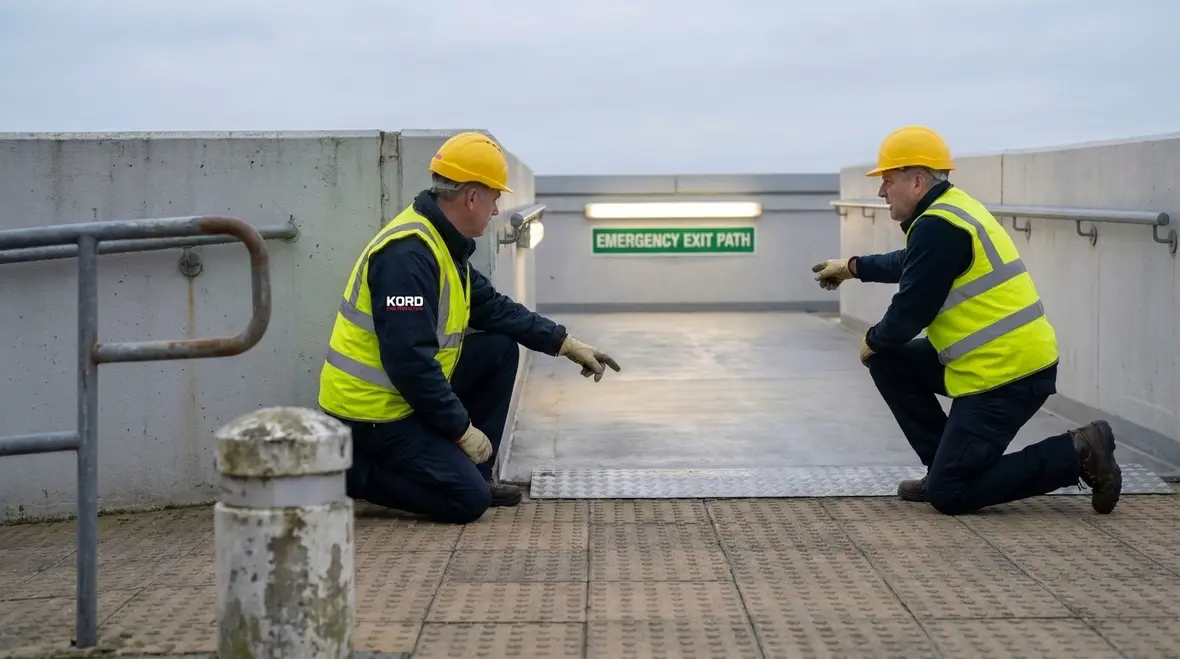
Many Australian sites operate in busy, mixed use environments. Retail centres handle customer traffic. Warehouses manage forklifts and stock. Industrial sites deal with machinery, service yards, and shift changes. Because of that, exit discharge planning must match real site conditions, not just a drawing on a wall.
Strong discharge planning helps reduce evacuation time, supports fire warden duties, and lowers risk during inspections. It also helps businesses show they take safety seriously, which matters to staff, insurers, and regulators. In short, compliance is not only about avoiding trouble. It is about avoiding tragedy, which has a habit of being far less forgiving than an auditor with a clipboard.
Why Real-World Site Conditions Matter More Than Wishful Thinking
A clean compliance drawing can suggest everything is fine, while the actual site tells a very different story. A route that looks open on paper may be narrowed by temporary storage, seasonal stock, contractor equipment, fencing changes, or vehicle activity. That is why discharge planning works best when someone reviews how the building breathes during normal operations, peak occupancy, deliveries, shutdowns, and the occasional moment when everyone seems to be standing exactly where they should not.
Why Kord Fire Protection Becomes a Vital Partner
Kord Fire Protection can play a vital role in turning code requirements into practical site solutions. Their service can help businesses review discharge routes, identify hazards, and improve compliance across industrial, retail, and commercial spaces. That support matters because a code line on paper does not fix a dark yard, a blocked gate, or a weak evacuation path.
With the right partner, a facility can assess the full escape sequence, from the final exit door to the safe exterior point. Kord Fire Protection can help businesses align site conditions with exit discharge requirements NFPA while also adapting the approach for Australian operations. That may include site reviews, fire safety advice, and practical recommendations that fit the building use, layout, and daily workflow.
And yes, that kind of help can save time, money, and a fair bit of stress. Because no one wants to explain to management that the emergency exit led straight into a storage cage. That is not a safety plan. That is a sequel nobody asked for.
FAQ
Final Takeaway
Exit discharge is more than the space outside a door. It is the last critical step in a safe evacuation. For businesses across Australia, a clear discharge path protects people and strengthens compliance.
Kord Fire Protection can help assess the risks, close the gaps, and build a safer, smarter fire strategy. When the alarm sounds, the exit should lead to safety, not suspense.

Join Our Newsletter!
Get the latest fire safety tips delivered straight to your inbox From our Newsletter.