Lynwood Fire Sprinkler Maintenance Guide
In every building, there is a quiet guardian waiting in the ceiling. It does not boast. It does not blink. Yet when heat rises and danger spreads, it answers without hesitation. That is why Lynwood fire sprinkler maintenance deserves steady attention. Property owners who invest in routine service protect more than drywall and wiring. They protect people, livelihoods, and years of hard work.
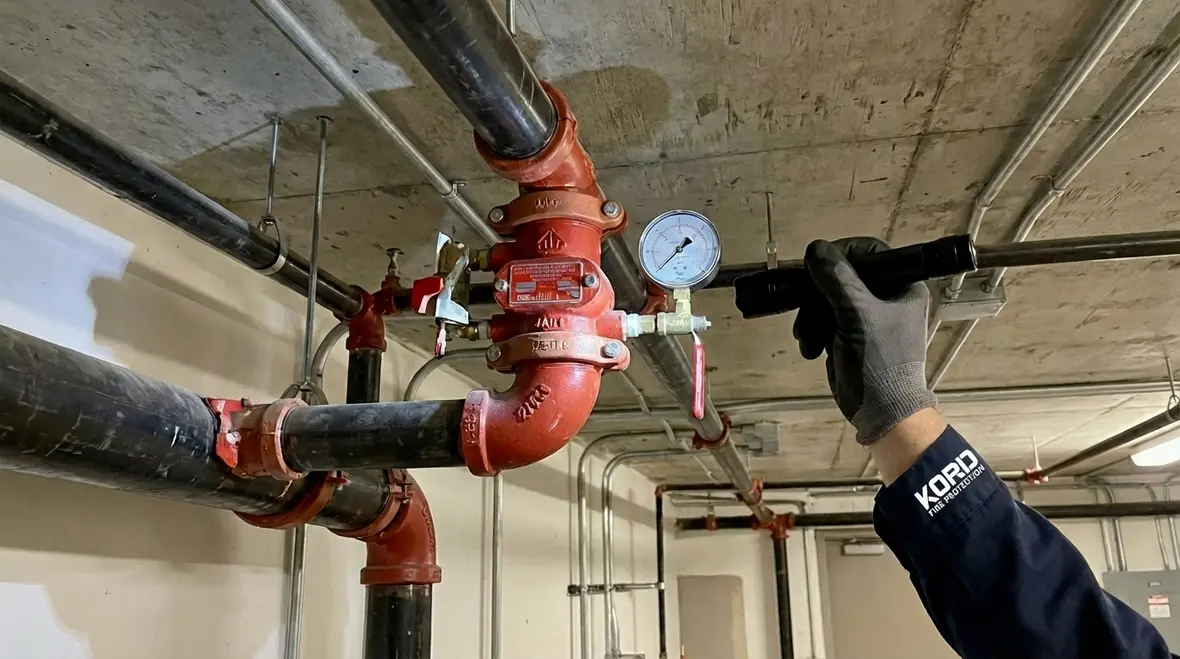
Across warehouses, offices, schools, and retail spaces, Kord Fire Protection technicians walk through mechanical rooms and hallways with calm focus. They explain each valve, gauge, and pipe in plain terms. They show building managers what works, what needs care, and why it matters. Because when it comes to fire protection, clarity builds confidence.
Why Fire Sprinkler Systems Matter in Lynwood Buildings
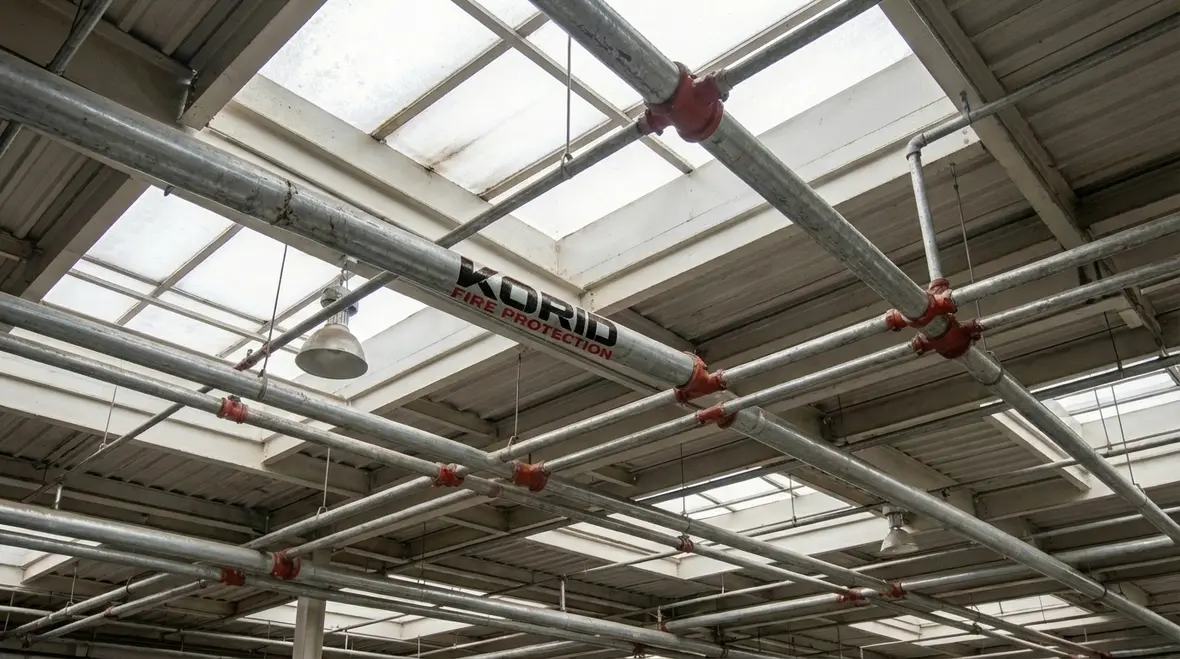
Lynwood properties face real risks. Electrical loads increase. Storage fills up. Equipment runs long hours. Although many owners rarely think about their sprinkler systems, those systems think about them every day. They stand ready.
However, a sprinkler system is not a magic spell from a fantasy movie. It is mechanical. It relies on pressure, flow, and clean components. Therefore, regular inspection keeps it reliable. Without attention, corrosion builds. Valves stick. Gauges drift out of range. And while everything may look fine from below, hidden problems can grow above the ceiling tiles.
Kord Fire Protection technicians often explain it this way. A sprinkler system is like a seatbelt. Most days, no one notices it. But when it is needed, it must work perfectly. There is no rehearsal.
Moreover, local codes require routine inspections. Fire departments expect documentation. Insurance providers often request proof of service. So, consistent care is not just smart. It is required. For property owners who want a broader look at citywide support, the dedicated Lynwood Fire Protection Services page shows how sprinklers, alarms, and other systems all work together to protect a building.
Sprinklers as Part of a Complete Protection Strategy
Sprinkler systems do their best work when they are supported by healthy fire alarms, fire pumps, and hydrant service. That is why many Lynwood businesses treat sprinkler maintenance as one layer of a full protection plan, not a standalone chore. Coordinated service across systems keeps emergency response smooth from the first alarm to the final drop of water.
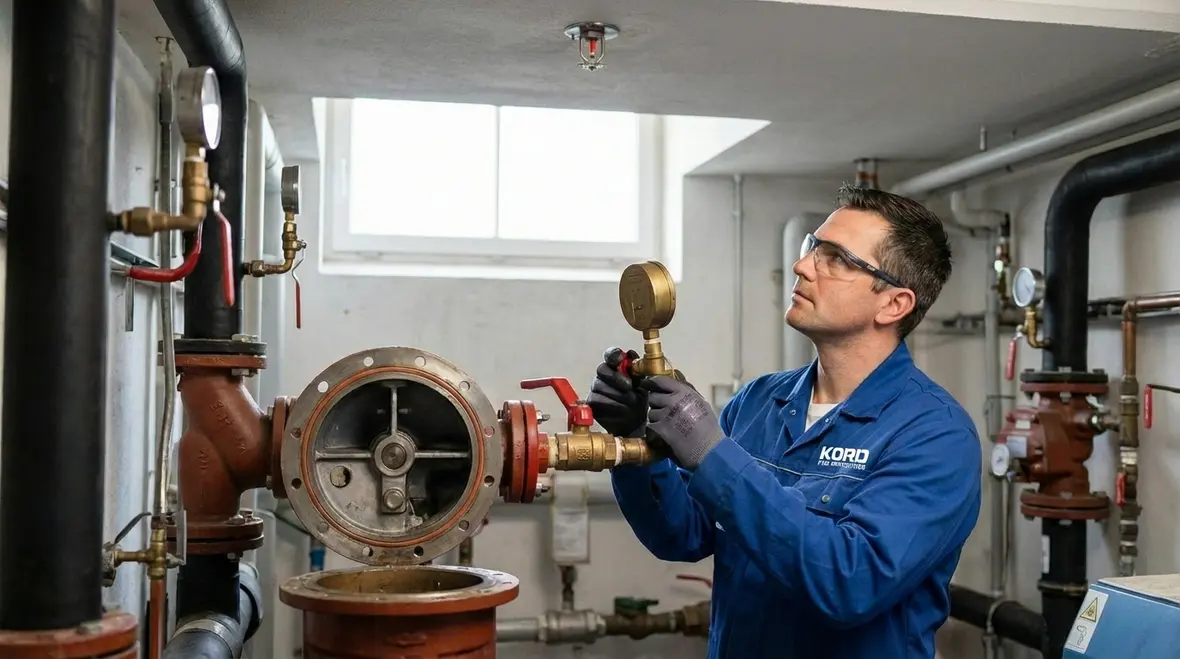
What Does Lynwood Fire Sprinkler Maintenance Include?
Building owners often ask what actually happens during service visits. The answer is simple yet detailed. A proper maintenance program covers inspection, testing, and repair.
Core Inspection Tasks
During inspections, technicians check:
- Control valves to confirm they are open and sealed correctly
- Pressure gauges to verify accurate readings
- Sprinkler heads for corrosion, paint, or obstruction
- Piping for leaks or visible damage
- Alarm connections to ensure signals transmit properly
Testing and Performance Checks
During testing, they:
- Flow water through the system to confirm pressure levels
- Test alarm devices and supervisory switches
- Inspect fire department connections
- Evaluate backflow prevention devices
If something looks off, they fix it or provide a clear action plan. In addition, they document every step. That paperwork becomes proof of compliance and peace of mind. For owners who want to understand the broader rules behind these tasks, Kord Fire’s NFPA 25 maintenance breakdown explains how national standards shape routine inspection and testing.
Kord Fire Protection technicians take time to explain findings on site. They do not rush through jargon. Instead, they show property managers exactly what they see. When a valve needs replacement, they explain why. When a system passes inspection, they explain what makes it strong. It feels less like a lecture and more like a guided tour of the building’s hidden safety network.
Tenant Communication and Access
In multi-tenant buildings, technicians often coordinate timing around business hours and sensitive operations. They communicate clearly with occupants before testing audible alarms or flowing water so everyone knows what to expect. That respectful approach keeps maintenance from feeling disruptive while still protecting the entire property.
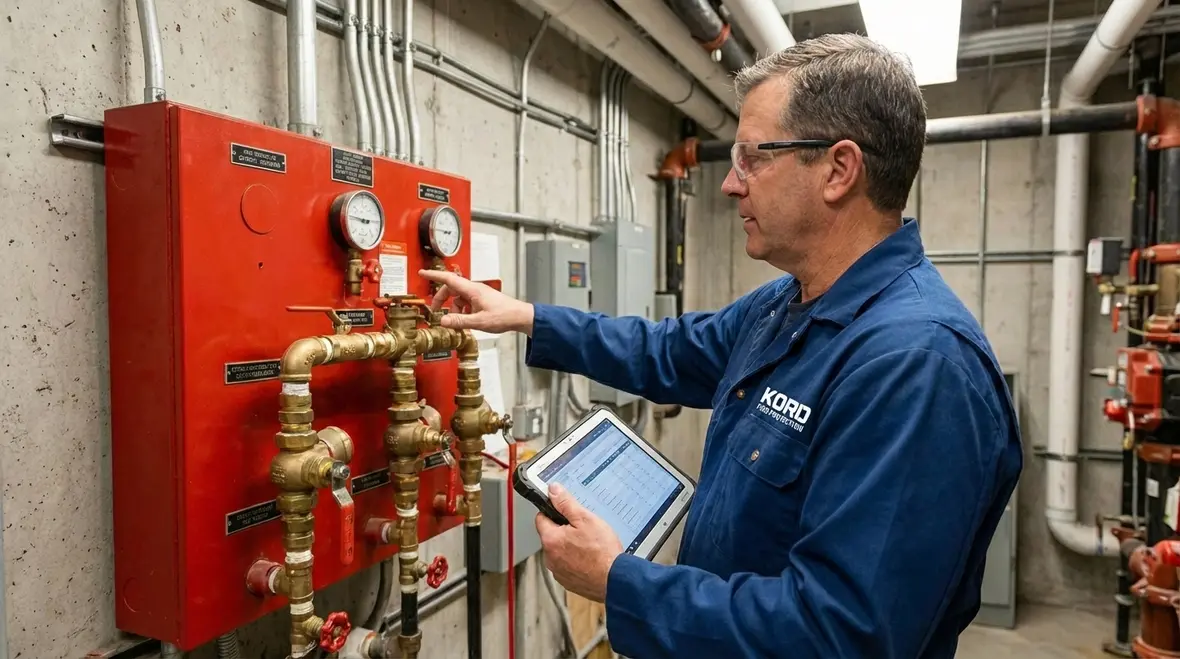
How Often Should Commercial Systems Be Serviced in Lynwood?
This is the question many owners type into search bars at midnight. The answer depends on system type and occupancy, yet there are standard guidelines.
Typical Fire Sprinkler Service Intervals
Most commercial sprinkler systems require:
- Monthly visual valve checks
- Quarterly inspections for alarms and supervisory devices
- Annual full system inspections and testing
- Five year internal pipe inspections in many cases
Additionally, high risk facilities may require more frequent oversight. Warehouses with high piled storage, for example, demand careful monitoring. Restaurants with commercial kitchens also face unique concerns.
Because codes evolve, staying current matters. Fortunately, experienced technicians track those updates. They guide building owners through compliance without turning it into a legal maze. After all, no one dreams of spending Friday night reading fire code manuals.
Aligning with NFPA 25 and Local Requirements
In Lynwood, many inspection frequencies trace back to NFPA 25 and local interpretations of those standards. Partnering with a team that lives and breathes this code work means you do not have to memorize chapter and verse. Instead, you receive a clear calendar of required tasks and reminders before deadlines arrive.
Common Problems Found During Routine Inspections
Even well maintained buildings can develop issues. Time and environment affect everything.
Frequent Deficiencies in Lynwood Sprinkler Systems
Technicians in Lynwood frequently encounter:
- Painted sprinkler heads that block proper heat response
- Corrosion inside older piping systems
- Closed or partially closed control valves
- Damaged gauges that give false readings
- Obstructed sprinkler heads blocked by new shelving or equipment
Although these issues may seem minor, they reduce system effectiveness. For instance, a painted sprinkler head may delay activation. A closed valve can disable an entire zone. That is not the kind of surprise anyone wants during an emergency.
Kord Fire Protection technicians often use a simple comparison. A sprinkler system is like a chain. If one link weakens, the strength of the whole system drops. Therefore, routine checks protect every link.
Spotting Early Warning Signs
Regular walkthroughs by building staff can catch many of these problems between formal inspections. If you notice rusty piping, painted heads, or new storage creeping up toward the ceiling, it is time to call in professionals before those small changes become major liabilities.
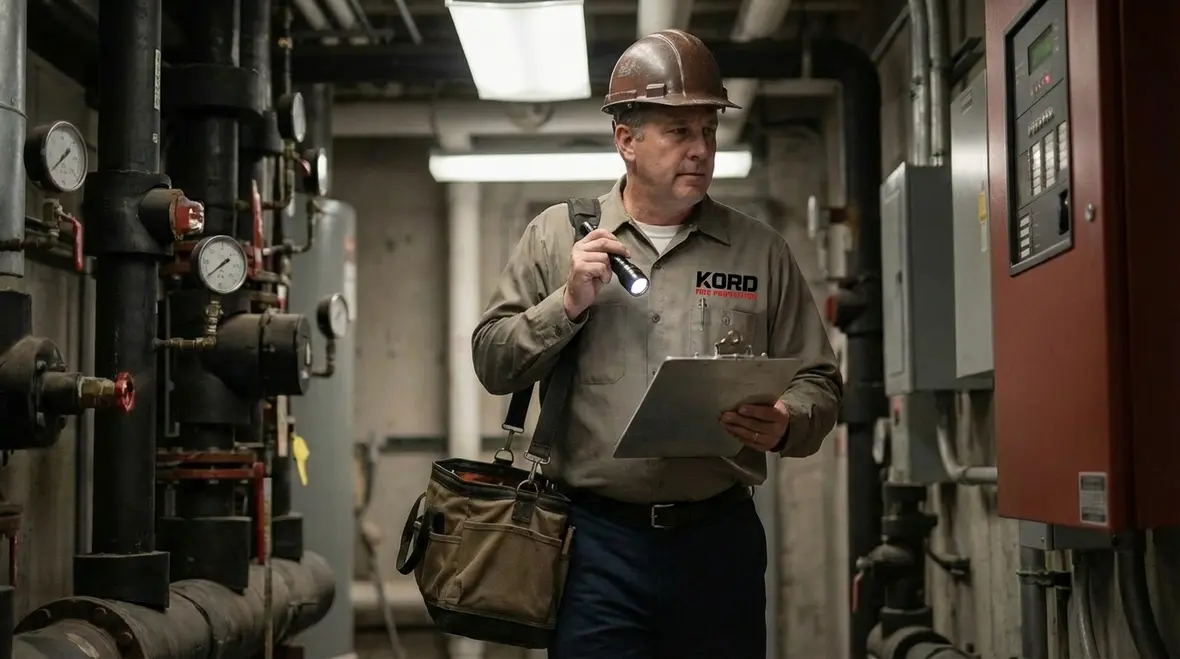
Inside the Work of Kord Fire Protection Technicians
There is something steady about a seasoned technician walking into a mechanical room. Tools in hand. Flashlight ready. Clipboard tucked under one arm. It is not dramatic. Yet it is important work.
First, they review previous inspection reports. Then, they move through the building methodically. They check risers, inspect valves, and confirm alarm signals. Meanwhile, they answer questions from property managers who may not know a tamper switch from a pressure regulator. And they do it without a hint of impatience.
Because communication matters, they translate technical findings into plain language. If a backflow device needs service, they explain how it protects the city water supply. If internal corrosion appears, they describe how buildup can restrict flow over time.
There is also a human side to the job. Technicians understand that building owners juggle budgets, tenants, and deadlines. Therefore, they recommend practical solutions. They prioritize safety without pushing unnecessary upgrades. It is professionalism with a steady hand.
What a Typical Lynwood Visit Feels Like
On a typical visit, you can expect clear arrival windows, a walk-through of planned work, and a final recap when the inspection wraps up. Many owners appreciate leaving with a simple list: what passed, what needs attention soon, and what should be budgeted for in the future.
Inspection Focus and Long Term Benefits
Key Inspection Areas
- Water supply reliability
- Valve accessibility
- Sprinkler head spacing
- Alarm communication
- Pipe condition
Long Term Benefits
- Reduced repair costs
- Fewer surprise violations
- Lower risk of system failure
- Improved insurance standing
- Greater tenant confidence
When these elements align, buildings operate with quiet confidence. Moreover, tenants feel safer knowing the property owner takes protection seriously. In competitive markets, that reputation matters.
Planning Ahead for System Upgrades and Retrofits
While maintenance keeps systems healthy, some buildings require updates. Older properties in Lynwood may have outdated components. In other cases, renovations change occupancy or layout, which affects sprinkler coverage.
Therefore, forward thinking owners schedule evaluations before problems arise. They review system design when adding storage racks or remodeling offices. They confirm that water supply meets current demand.
Kord Fire Protection technicians guide these conversations carefully. They assess whether existing systems meet present codes. If upgrades are needed, they outline options with clear timelines and cost considerations. Instead of overwhelming clients, they break projects into manageable phases.
And yes, sometimes that means explaining why a shiny new espresso machine cannot block a sprinkler head. Safety first. Caffeine second.
Budgeting for Future Improvements
Thoughtful planning turns sudden “surprise” projects into predictable line items. Many owners in Lynwood coordinate sprinkler upgrades with other improvements like lighting, HVAC, or alarm modernizations so ceilings are opened once and disruption stays low.