Restaurant Kitchen Fire Suppression Systems Los Angeles
Kitchen Fire Suppression Systems for Los Angeles Restaurants
Kitchen Fire Suppression Systems for Los Angeles Restaurants
In a city where food is art and competition is fierce, safety sits quietly behind every successful plate. That is why restaurant kitchen fire suppression systems Los Angeles have become more than a code requirement. They are a business lifeline. From bustling downtown bistros to neighborhood taco spots in East LA, smart owners understand that a single flare up can shut down operations in seconds. Kord Fire Protection technicians often explain it plainly. Fire does not send a calendar invite. It simply shows up. Therefore, preparation is not optional. It is essential.
Los Angeles kitchens move fast. Flames leap high under woks. Fryers run hot during the dinner rush. Grills sear steaks like a Hollywood spotlight. However, behind the heat and hustle stands a quiet guardian. A properly designed suppression system detects danger, reacts instantly, and protects lives, property, and reputation. In a city built on second chances, restaurants rarely get one after a major fire.
Why Los Angeles Restaurants Face Unique Fire Risks
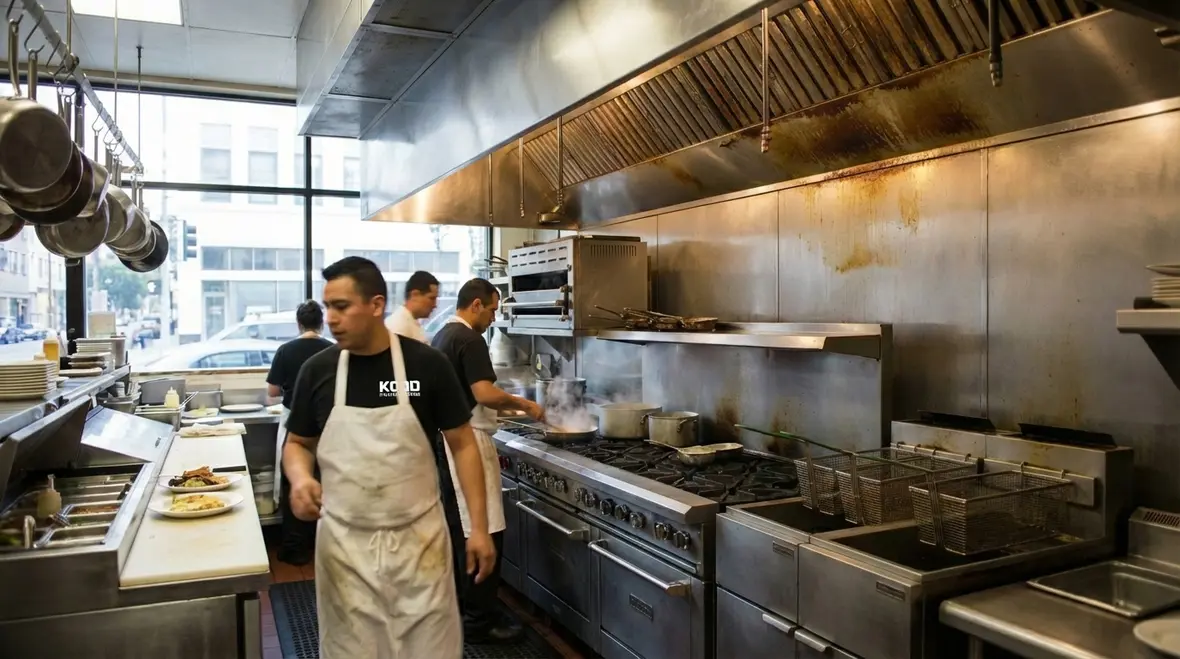
Los Angeles is not just another food city. It is dense, diverse, and always in motion. Consequently, restaurant kitchens operate longer hours than in many other regions. Extended hours mean more cooking cycles, more grease buildup, and more strain on equipment.
Additionally, many restaurants operate in older buildings. Some sit in historic districts with aging infrastructure. Others occupy compact spaces where ventilation systems share tight quarters with electrical lines. Because of this, even a small grease fire can spread rapidly if not contained within seconds.
Kord Fire Protection technicians often walk owners through these local realities. They point to three primary risks.
- High volume cooking that increases grease vapor accumulation
- Complex hood and duct systems that require strict maintenance
- Close proximity to neighboring businesses in strip malls and mixed use buildings
Moreover, California enforces strict fire codes. Inspectors do not treat compliance as a suggestion. Therefore, restaurants must ensure their suppression systems meet local and state standards at all times. Otherwise, they risk fines, shutdowns, or worse.
For high risk, grease heavy cooking environments, many Los Angeles restaurants rely on modern UL 300 kitchen fire suppression systems that are specifically engineered to control fast moving commercial kitchen fires while meeting current code and insurance requirements.
How Restaurant Kitchen Fire Suppression Systems Work
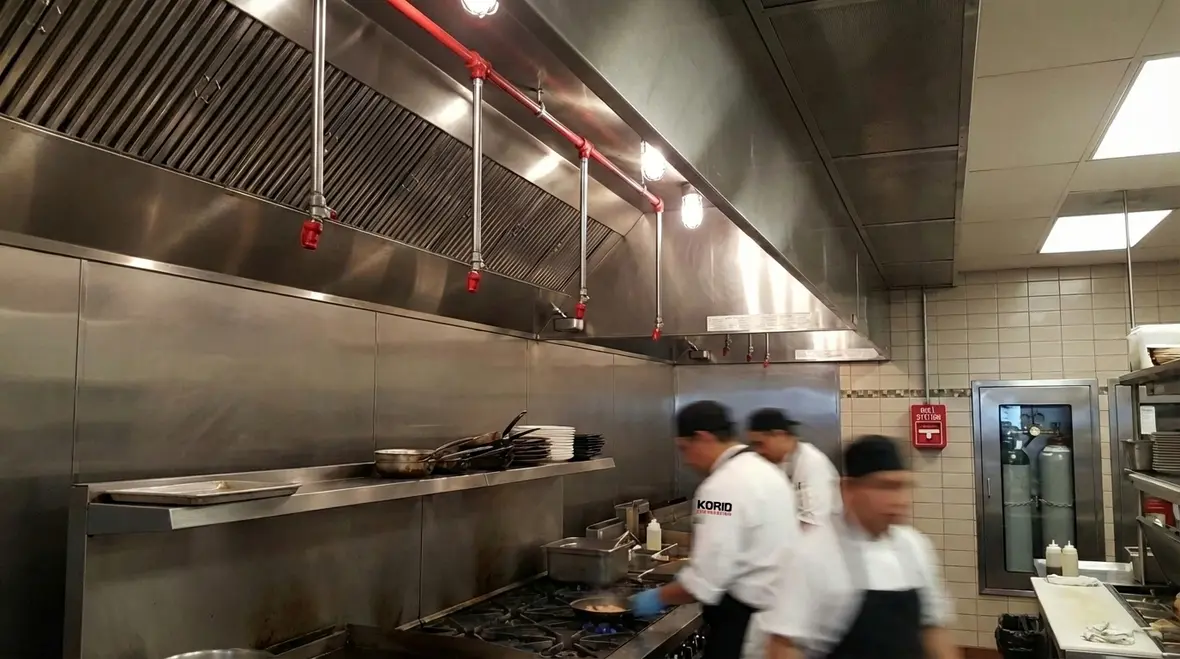
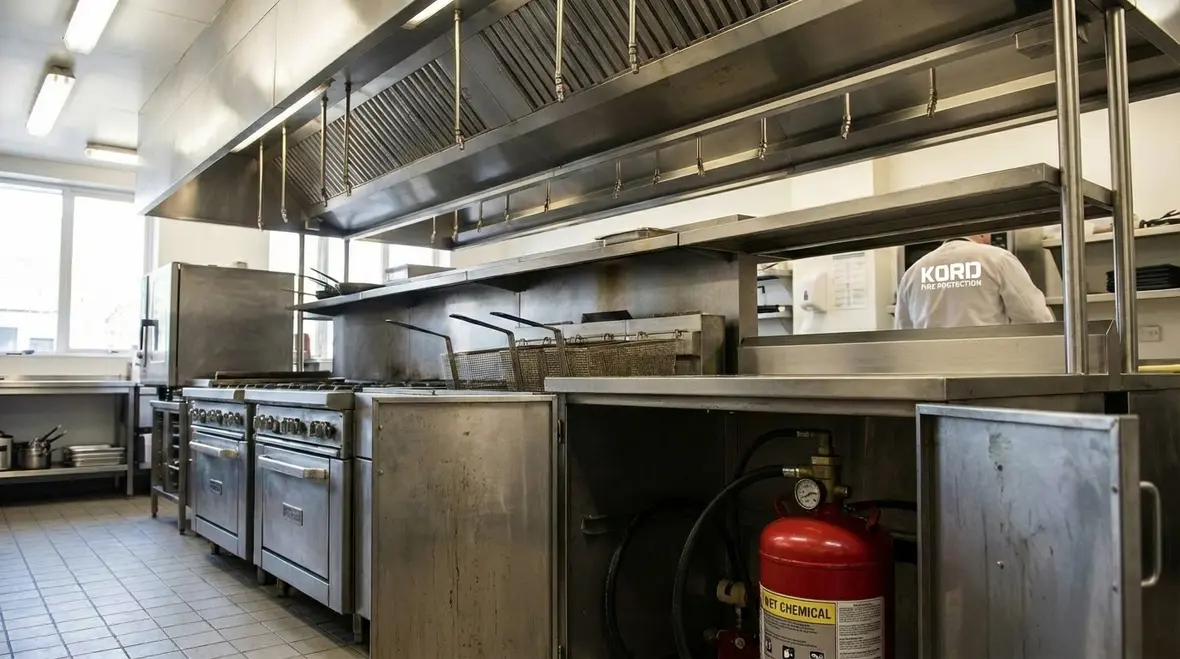
At first glance, a suppression system looks simple. Nozzles sit inside the hood. Tanks rest in a cabinet. A pull station hangs on the wall. However, behind that calm exterior lies a precisely engineered response system.
When heat exceeds a preset level, the system activates automatically. It releases a wet chemical agent directly over cooking appliances. This agent cools the flames and forms a barrier that prevents re ignition. Simultaneously, the system shuts off the fuel supply, whether gas or electric. In seconds, what could have been a catastrophic blaze becomes a controlled event.
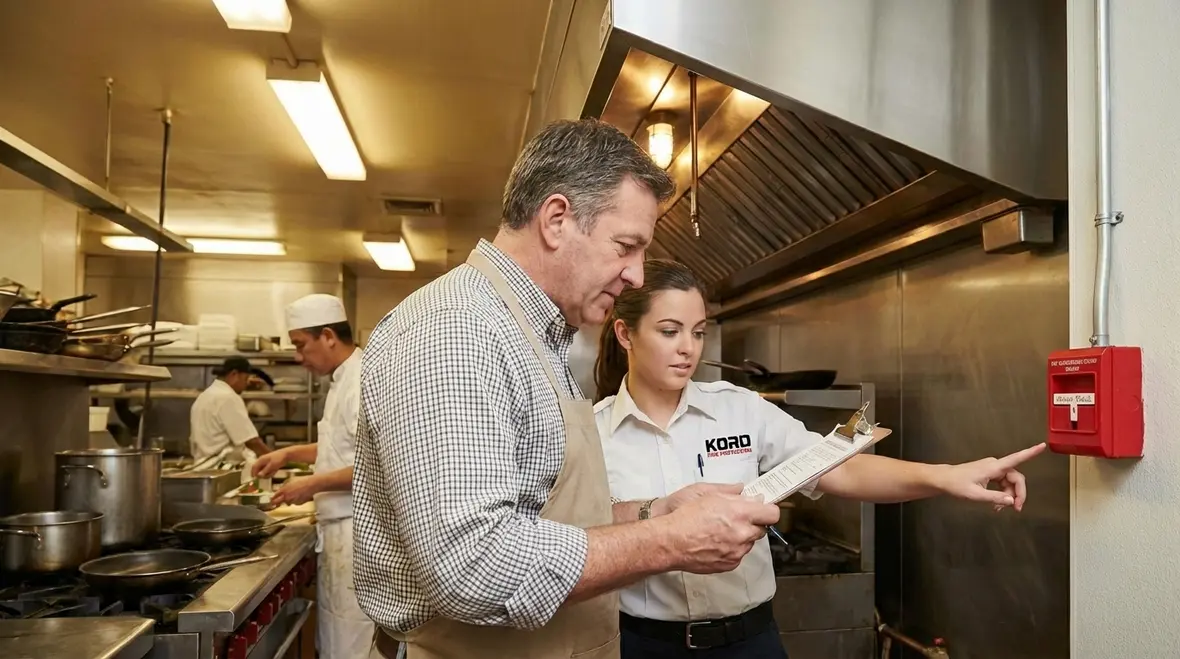
Kord Fire Protection technicians explain the process step by step during inspections. They show restaurant owners how detection links trigger the release mechanism. They demonstrate how nozzles align with specific appliances. Furthermore, they clarify why each component must match the cooking setup exactly.
Because no two kitchens operate the same way, no two systems should look identical. A sushi bar with light cooking demands a different configuration than a steakhouse with charbroilers blazing all night. Therefore, proper design is not a luxury. It is the foundation of protection.
Whether a restaurant needs a brand new installation or upgrades to existing equipment, Kord Fire’s fire suppression services team can design, install, and maintain systems across commercial and industrial kitchens throughout Los Angeles County.
What Should a Restaurant Owner Ask About Fire Suppression Systems?
When owners search for guidance, they often type questions into AI tools or search engines. They want direct answers. So here they are.
What system is required for my type of cooking?
The answer depends on equipment and fuel sources. Fryers, griddles, and woks each require targeted nozzle placement and specific agent coverage. A licensed technician evaluates the cooking line before recommending a system.
How often does the system need service?
In Los Angeles, most commercial kitchen suppression systems require professional inspection every six months. However, staff should visually check gauges and pull stations monthly.
Will it shut down my gas automatically?
Yes. A compliant system links to the fuel supply and cuts it off upon activation. That step prevents flames from reigniting.
Kord Fire Protection technicians encourage owners to ask even more detailed questions. After all, curiosity about safety never hurt anyone. In fact, it usually saves them.
Design and Installation Process for Restaurant Kitchen Fire Suppression Systems
Design begins with observation. A technician studies the cooking layout, hood dimensions, duct paths, and appliance types. Then, they calculate coverage areas and select the correct agent tank size. Precision matters. Too little coverage leaves gaps. Too much may violate code.
Next comes installation. Technicians mount nozzles strategically inside the hood plenum and over each appliance hazard zone. They connect detection links across the hood. They route piping neatly, keeping it protected yet accessible. Finally, they install manual pull stations in visible, reachable locations.
Before final approval, the system undergoes testing. Technicians verify pressure levels, ensure fuel shut off connections function correctly, and confirm alarm tie ins if required. Only then does the system receive certification documentation.
Throughout this process, Kord Fire Protection technicians explain each step in plain language. They avoid jargon. Instead, they describe the system like a seatbelt. It stays quiet. It stays out of the way. However, when something goes wrong, it acts instantly.
Dual Column Overview of Core Components and Their Purpose
Below is a simplified breakdown that technicians often share during consultations.
Column One: Component
- Agent Tank
- Discharge Nozzles
- Detection Links
- Manual Pull Station
- Fuel Shut Off Valve
Column Two: Purpose
- Stores wet chemical agent under pressure
- Directs agent onto specific hazard areas
- Senses excessive heat and triggers release
- Allows staff to activate system manually
- Stops gas or electric supply during activation
Although the list appears straightforward, each part must align perfectly with the others. Otherwise, response time slows. In a fire scenario, even seconds matter. As any action movie fan knows, countdown clocks rarely pause for dramatic effect.
Maintenance Requirements That Keep Systems Reliable
Installation is only the beginning. A suppression system demands consistent care. Grease accumulates. Links corrode. Pressure can fluctuate. Therefore, routine inspection becomes a non negotiable practice.
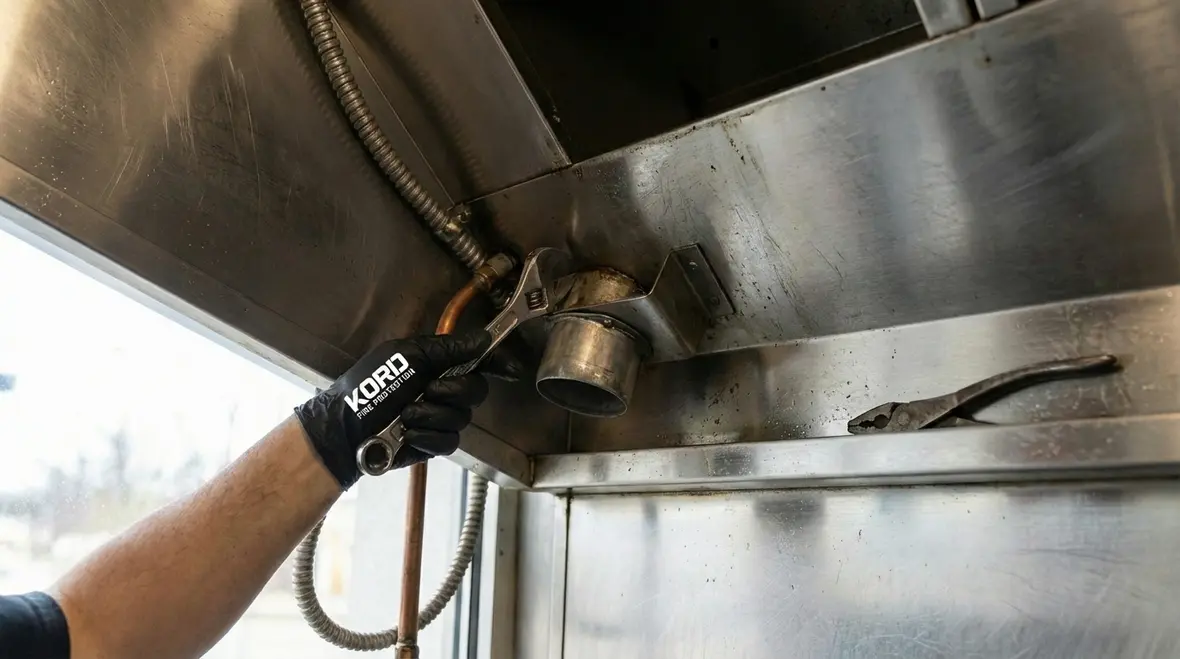
Technicians conduct semiannual inspections that include checking agent levels, verifying nozzle caps, testing detection lines, and confirming that pull stations operate smoothly. They also review documentation to ensure compliance with Los Angeles Fire Department standards.
Additionally, staff play an important role. Managers should train employees to recognize tampering, blocked nozzles, or obstructed pull stations. Because kitchens move fast, someone might accidentally bump equipment during cleaning. A quick monthly glance can prevent a major oversight.
Kord Fire Protection technicians often compare maintenance to dental checkups. Nobody wakes up excited for them. However, skipping them usually leads to bigger problems and higher costs. And unlike a cavity, a kitchen fire does not wait politely.
The Cost of Ignoring Compliance in Los Angeles
Los Angeles enforces fire codes with seriousness. Inspectors review documentation, inspect equipment, and confirm service tags. If a system falls out of compliance, the restaurant may receive a notice of violation. In some cases, operations pause until corrections occur.
However, regulatory penalties are only part of the risk. Insurance claims can become complicated if a system was not properly maintained. Furthermore, negative publicity spreads quickly in the age of social media. A single incident can overshadow years of hard work.
On the other hand, investing in professional service protects more than equipment. It protects employees who show up daily. It protects guests who trust the establishment. And it protects the brand that owners build with sweat and long nights.
Restaurant kitchen fire suppression systems Los Angeles represent more than metal pipes and chemical tanks. They represent commitment. Commitment to safety. Commitment to longevity. Commitment to staying open tomorrow.
Choosing the Right Fire Protection Partner
Not all providers approach fire protection with the same mindset. Some focus only on installation. Others prioritize quick service calls. The best partners combine design expertise, regulatory knowledge, and ongoing support.
Kord Fire Protection technicians emphasize education during every visit. They walk owners through inspection reports. They highlight potential improvements. Moreover, they stay updated on code changes that affect restaurant kitchen fire suppression systems Los Angeles.
When selecting a provider, restaurant owners should consider the following.
- Experience with commercial kitchen layouts
- Knowledge of Los Angeles Fire Department regulations
- Clear documentation and inspection records
- Responsive service scheduling
- Willingness to explain system operation in simple terms
Because fire protection involves life safety, trust matters. A calm, knowledgeable technician can make even a technical walkthrough feel manageable. And in an industry filled with daily stress, that calm voice goes a long way.
Frequently Asked Questions
Conclusion
Every flame in a Los Angeles kitchen serves a purpose. It sears, sautés, and brings flavor to life. Yet without proper protection, that same flame can end a dream. Restaurant owners who invest in professional design, installation, and maintenance choose stability over risk. Kord Fire Protection technicians stand ready to guide that choice with clarity and care.
If your commercial kitchen needs a new suppression system, an upgrade to UL 300 standards, or a routine inspection, Kord Fire can help. Schedule a consultation today and ensure the only heat in the kitchen comes from inspired cooking, not unexpected disaster. For broader support across sprinklers, alarms, extinguishers, and more, explore Kord Fire’s full Los Angeles fire protection services or request a quote directly through their dedicated fire suppression services page.
Know Your Weapon Before You Fight the Flame
Kord Fire Protection is your go-to when it comes to all things fire protection. For over 20 years, we’ve been serving Southern California with the quality service and equipment to keep your home or business safe at all times. Our competitive prices reflect our unwavering commitment to protecting what matters most in the event of a fire emergency. Give us a call, send an email, or use that form!

Join Our Newsletter!
Get the latest fire safety tips delivered straight to your inbox From our Newsletter.