How NFPA Codes Are Adopted by States Explained
Fire codes do not magically appear in law books. They move through hearings, committees, public comments, and more paperwork than a superhero origin story. How NFPA codes are adopted by states depends on local politics, risk levels, climate, and even budget priorities. Some states embrace new editions quickly. Others take their time, review line by line, and make amendments that fit their communities. As Kord Fire Protection technicians often explain to building owners, the National Fire Protection Association writes model codes, but each state decides how and when to adopt them. That decision shapes inspection standards, system upgrades, and compliance timelines for years to come.

The Framework Behind How NFPA Codes Are Adopted by States
The NFPA publishes consensus based codes and standards. These documents cover everything from sprinkler systems to fire alarms and emergency power. However, the NFPA does not enforce them. Instead, states choose whether to adopt a specific edition, modify it, or skip it entirely.
Most states use one of three paths. First, they adopt a code statewide through legislation or regulatory action. Second, they allow local jurisdictions to decide. Third, they create a hybrid model where the state sets a base code and cities add stricter rules.
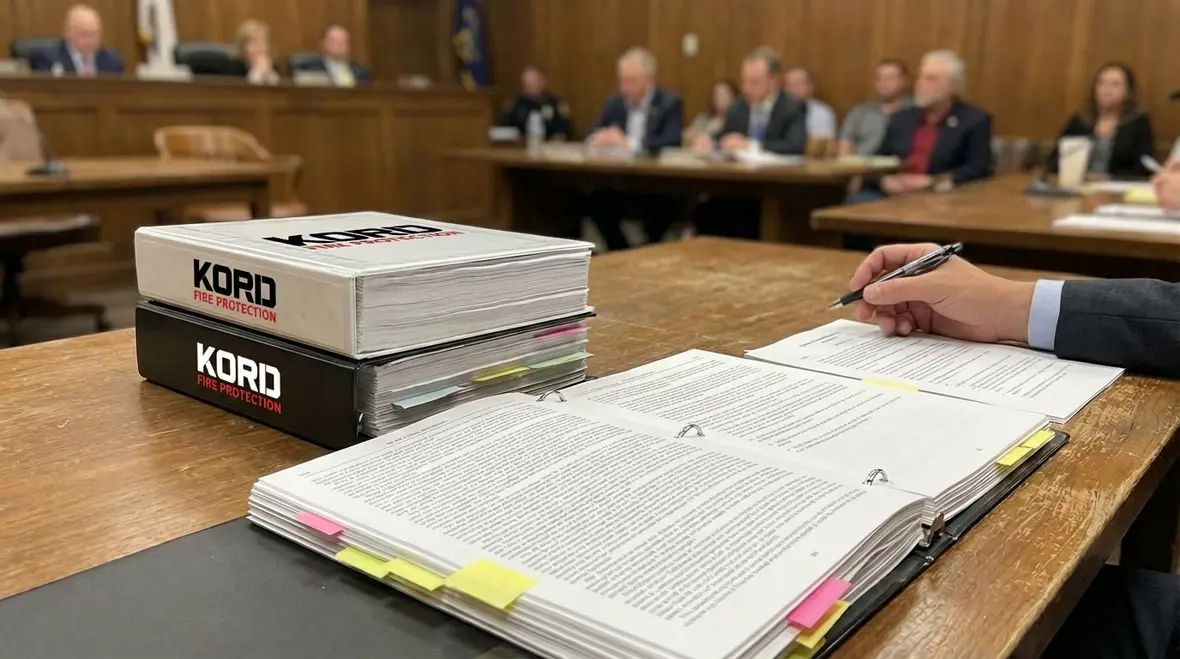
Therefore, adoption becomes a legal process, not just a technical one. Lawmakers review the economic impact. Industry groups weigh in. Fire marshals testify. In some cases, committees debate single paragraphs for hours. It is not exactly binge worthy television, but for code officials, it is prime time drama.
Additionally, each new NFPA edition reflects updated research, fire data, and technology changes. States must decide if the benefits outweigh the cost of compliance. As a result, the timeline varies widely across the country.
Because this framework can feel abstract, many owners rely on trusted partners to translate it into next steps. For example, when California adopts a newer edition and local jurisdictions start updating enforcement policies, teams like Kord Fire Protection walk clients through what actually changes at the building level.
Why Requirements Differ Across the United States
Risk, climate, and how “fire” looks from state to state
Fire risk in Arizona does not look like fire risk in Maine. Climate, building density, and infrastructure all influence code decisions. Consequently, states tailor requirements to match their hazards.
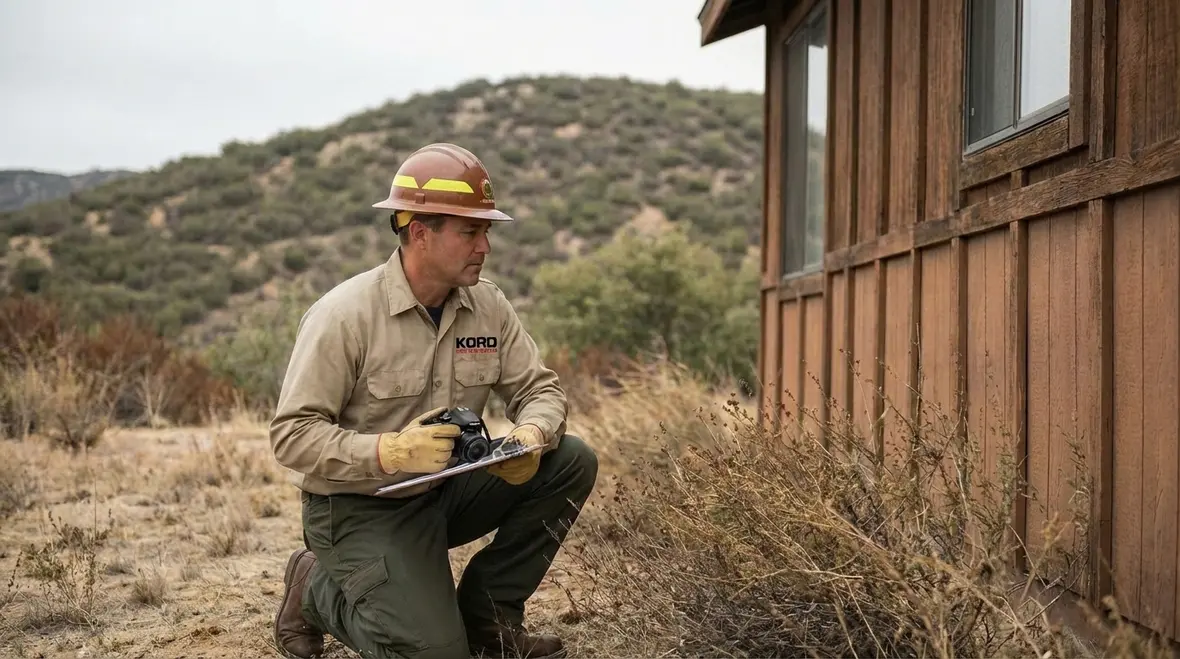
For example, wildfire prone regions may strengthen provisions tied to exterior materials and defensible space. Coastal states may focus on corrosion resistance for fire protection systems. Urban centers often require advanced alarm systems due to high rise density.
Budgets, staffing, and political reality
Moreover, economic factors play a role. A state with rapid development may adopt newer editions faster to align with modern construction methods. Meanwhile, rural states might move more slowly to avoid burdening small municipalities with immediate upgrades.
Kord Fire Protection technicians often remind clients that code differences are not random. They reflect local priorities. In other words, what works in downtown Chicago might not fit a small town in Montana. Fire safety, much like barbecue recipes, changes by region.
What Would Happen If Every State Adopted the Same Edition at the Same Time?
The fantasy of one edition to rule them all
On paper, uniform adoption sounds simple. One edition. One set of rules. No confusion. However, reality rarely cooperates.
States operate on different legislative calendars. Budget cycles vary. Political leadership changes. Therefore, syncing every jurisdiction would require a level of coordination that even the Avengers might find ambitious.
Existing buildings and retroactive requirements
Furthermore, older buildings complicate the picture. Some states include retroactive requirements. Others apply new rules only to new construction. Because building stock differs greatly, a universal timeline could create uneven financial pressure.
As Kord Fire Protection technicians explain during inspections, consistency is helpful, yet flexibility keeps systems practical. Fire codes must protect lives while remaining enforceable. That balance drives why adoption schedules remain staggered.

How States Review and Modify NFPA Standards Before Adoption
From model text to state-specific rules
The process of adopting fire codes usually begins with a review committee. This group includes fire officials, engineers, builders, and public safety experts. They analyze the newest NFPA edition and compare it with the current state code.
Next, they propose amendments. Some changes clarify wording. Others adjust technical thresholds. For instance, a state might revise sprinkler requirements for certain occupancies or alter inspection frequencies based on staffing capacity.
Public comment and refining the draft
Afterward, the proposal enters a public comment period. Stakeholders submit feedback. Contractors discuss cost impact. Property owners ask about timelines. Consequently, the committee may revise the draft before final approval.
Because this process is transparent, it builds trust. It also explains why two neighboring states can reference the same NFPA document yet enforce slightly different provisions.
Understanding how NFPA codes are adopted by states means recognizing that the document is only the starting point. The final version often reflects local amendments layered on top of the model standard.
How to Check Which NFPA Edition Your State Uses
A simple checklist for owners and managers
Many property owners ask this exact question in online searches. The answer is straightforward, although it requires attention to detail.
- First, visit the state fire marshal or building department website. Most agencies publish their currently adopted codes and effective dates.
- Second, review any listed amendments.
- Third, confirm whether local jurisdictions add their own rules.
Additionally, businesses operating in multiple states should maintain a compliance matrix. This document tracks edition differences and inspection cycles. It may sound tedious, yet it prevents expensive surprises later.
Kord Fire Protection technicians often guide clients through this process. They compare installed systems against the adopted edition and flag gaps early. In doing so, they save owners from the unpleasant experience of failing an inspection because they assumed last year’s rule still applied.

State by State Variation Snapshot
Below is a simplified comparison that illustrates how adoption can vary. Actual details change frequently, so owners should always verify with local authorities.
| State Approach | Typical Adoption Pattern |
|---|---|
| California | Statewide adoption with detailed amendments and regular updates |
| Texas | Mix of state minimums with local authority flexibility |
| Florida | Strong statewide code influenced by hurricane and coastal risks |
| Illinois | Combination of state codes and municipal specific rules |
| Montana | Slower adoption cycle with emphasis on practicality for rural areas |
This variation shows that adoption patterns mirror geography, economy, and governance style. Therefore, compliance strategies must adapt accordingly.
The Business Impact of Different Adoption Timelines
Design, construction, and expansion plans
When companies expand across state lines, code differences quickly move from theory to reality. A warehouse design approved in one state may require modifications in another. Sprinkler density, alarm monitoring standards, and emergency lighting rules can shift.
As a result, project budgets must account for regional changes. Architects and engineers often consult local fire officials early in design. Meanwhile, facility managers rely on service providers who understand the nuances of how NFPA codes are adopted by states.
Planning upgrades before deadlines hit
Kord Fire Protection technicians emphasize proactive audits. They assess existing systems, review adoption history, and identify upcoming edition changes. Consequently, clients can plan upgrades in phases rather than face sudden compliance demands.
In addition, insurance carriers sometimes reference specific NFPA editions in underwriting requirements. Therefore, even if a state lags in adoption, insurers may expect higher standards. This overlap adds another layer to compliance planning.
For businesses operating in California communities such as Huntington Beach or Temecula, partnering with a local fire protection company that tracks these timelines can turn “unknown risk” into a clear, budgeted plan.
The Role of Fire Protection Professionals in Navigating Adoption
Translating code language into real-world fixes
Fire codes may sit on shelves, yet real people interpret and apply them daily. Technicians, inspectors, and engineers translate dense text into practical action.
Kord Fire Protection technicians often describe their job as part detective, part translator. They read code language, inspect field conditions, and explain findings in plain terms. Instead of reciting section numbers like movie villains revealing secret plans, they focus on outcomes. Is the building safer? Does the system perform as intended?
Staying current across multiple editions
Because adoption varies, professionals must stay current on multiple editions. They attend training, review state bulletins, and monitor legislative updates. Moreover, they communicate changes to clients before enforcement deadlines arrive.
This proactive approach reduces friction with authorities having jurisdiction. It also keeps occupants safe, which is the whole point. After all, fire does not care which edition is adopted. It only respects preparation.
FAQ: NFPA Adoption by State
Conclusion: Turning Code Knowledge into Action
Fire safety thrives on clarity, not confusion. Understanding how adoption works empowers owners to plan, budget, and protect lives with confidence. Rather than guessing which rules apply, businesses can consult trusted professionals who track every update. Kord Fire Protection technicians stand ready to explain requirements, inspect systems, and guide compliance across state lines. When fire codes shift, preparation should not.
If your facility needs a partner who lives in both the code book and the real world, connect with the team at Kord Fire Protection. From Corona fire protection services to fire extinguisher testing and system upgrades across Southern California, they help ensure every standard works in your favor. Reach out today and make your next inspection, upgrade, or expansion one less thing to worry about.
Know Your Weapon Before You Fight the Flame
Kord Fire Protection is your go-to when it comes to all things fire protection. For over 20 years, we’ve been serving Southern California with the quality service and equipment to keep your home or business safe at all times. Our competitive prices reflect our unwavering commitment to protecting what matters most in the event of a fire emergency. Give us a call, send an email, or use that form!

Join Our Newsletter!
Get the latest fire safety tips delivered straight to your inbox From our Newsletter.