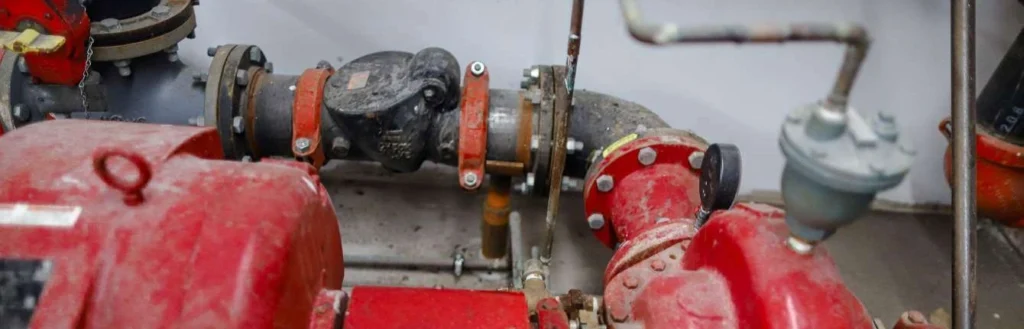
Fire Pump Motor Controllers Electrical Standards Compliance
When a fire alarm system demands water on demand, the electrical brain behind the operation matters. That is where fire pump motor controllers enter the picture, helping regulate power so the pump can start, ramp, and run when seconds count. Yet the real question for facility owners is not just “does it work,” but “does it meet the standards that keep it safe.” In the field, Kord Fire Protection technicians often explain this in plain language: the controller must behave correctly under fire conditions, during normal tests, and during faults. In other words, it has to perform like a calm professional, not like that friend who says they will be there in five minutes and then shows up during the movie credits.
What electrical standards guide fire pump motor controllers
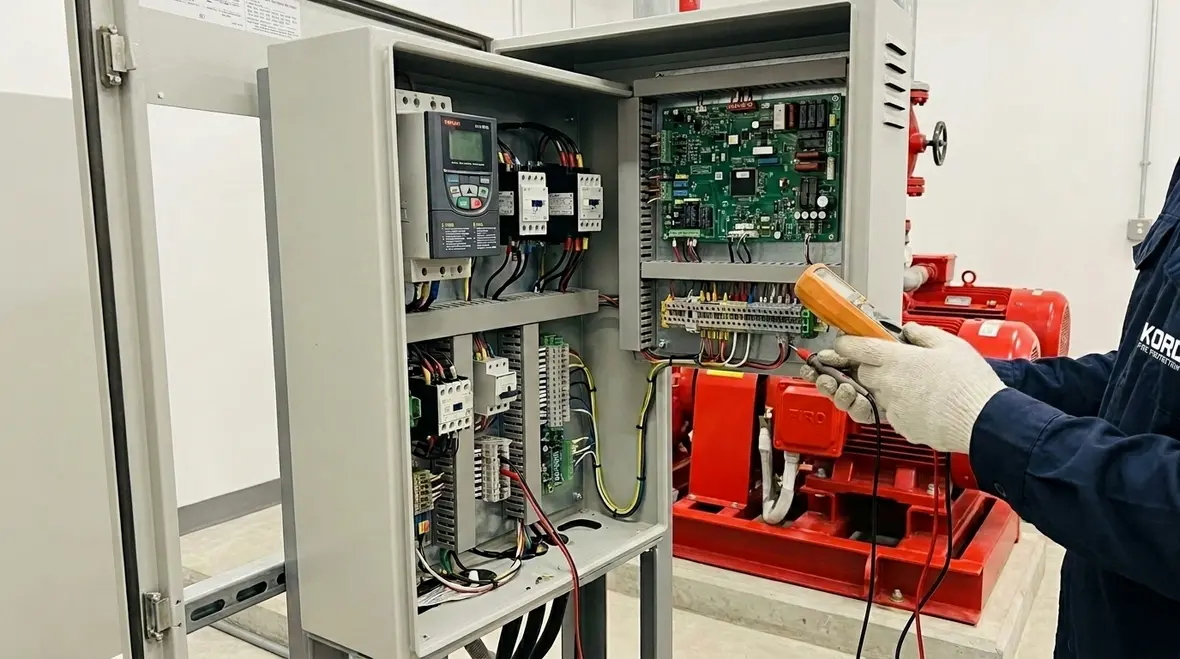
Fire pump systems in North America usually follow a mix of building codes, electrical code rules, and fire pump specific standards. Technicians and inspectors focus on the idea that the controller must not compromise the pump’s ability to deliver water. That means the controller wiring, protective devices, and power switching must meet strict requirements for reliability and operation. And while brands differ, the intent does not: the controller must start the pump properly, accept required control signals, and avoid unsafe electrical behavior.
Most Kord Fire Protection technicians point out that the standards are written to prevent two big failures: unintended shutdown and unsafe electrical conditions. So, the controller has to manage motor starting current, protect conductors, and keep control circuits stable. This is also why coordinated system design matters so much. If you want a broader picture of how each life safety component connects, Fire Protection Systems Components and Coordination is a useful companion read, because the controller is never working alone.
Why the controller matters more than people think
A fire pump can be mechanically perfect and still fail the mission if the controller is poorly selected, incorrectly wired, or not configured for the real-world duty of the system. The controller decides how the motor starts, what signals it obeys, how it responds to voltage trouble, and whether alarms and supervisory points tell the truth. That is a lot of responsibility for one cabinet on the wall. It is basically the adult in the room, and everyone is hoping it actually acts like one.
How controllers meet NEC and life safety expectations
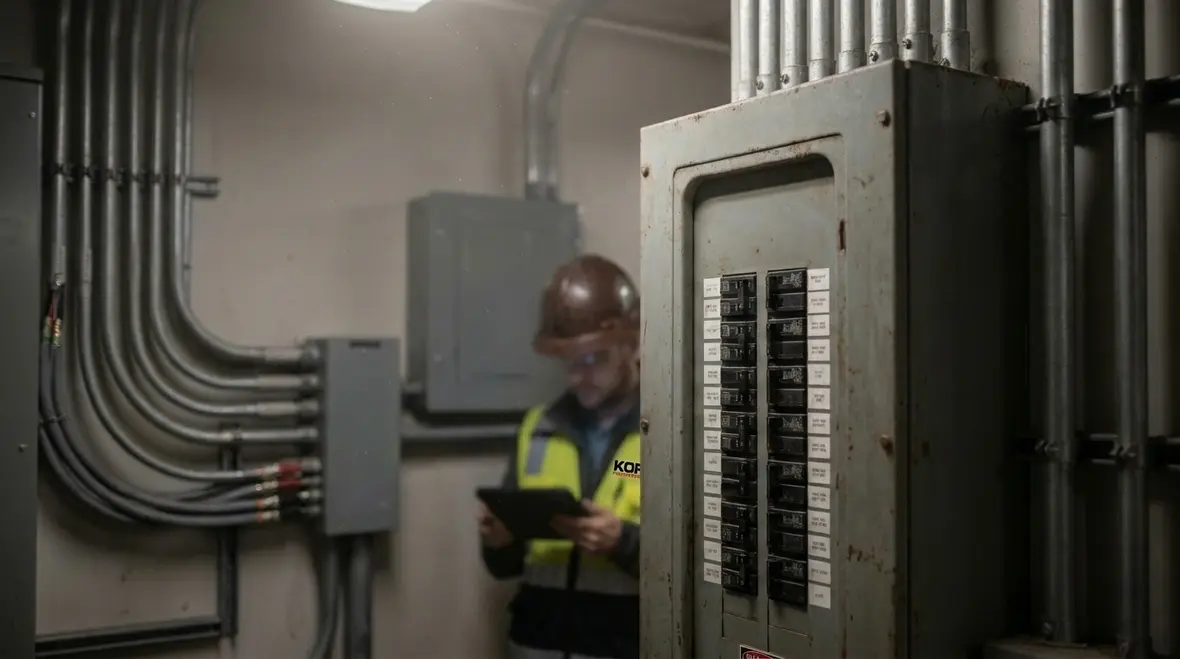
Electrical inspectors often look at how the controller connects to power and how it handles protection. Even when a system uses the latest modern electronics, the installation still must follow recognized rules for wiring methods, conductor sizing, and separation of circuits where required. For example, the controller location and the routing of control wiring often matter as much as the controller itself. If control wiring runs too close to noise sources, the system can behave erratically. Then the fire pump team ends up chasing ghost problems, and nobody wants that. It is like troubleshooting a “haunted” outlet, except it is actually loose terminations.
In addition, the controller must support required power supply reliability. That includes correct supply voltage, proper grounding, and correct supervision where the standard requires it. When Kord Fire Protection technicians walk through these checks, they typically confirm that the electrical design matches the pump’s duty and that the controller does not introduce new failure points. A clean design on paper is good. A clean design that still behaves under load, during testing, and under stress is much better.
Inspectors care about installation details, not just equipment labels
A listed controller is only part of the story. Inspectors want to see that the field installation matches the approved design, conductor paths make sense, terminations are secure, and protective devices are selected with the actual motor and system conditions in mind. A beautiful nameplate cannot save a sloppy install. The standards expect the whole setup to work together without creating a hidden trip hazard for the pump itself.
Motor starting methods: across the line, VFD, and soft start
Fire pump applications can use different motor control methods, and standards depend on the chosen method. Traditional across the line starters provide full voltage at start. They can be simple, but they produce higher starting current. Therefore, the electrical system must be able to handle the starting surge. On the other hand, soft starters reduce starting stress by limiting acceleration and current rise. However, their behavior during faults and loss of normal power still needs to align with fire pump requirements.
Where variable frequency drives are used, the standards focus on how the system achieves the required water flow and how it transitions during fire mode. Technicians must verify that the controller will deliver the right conditions quickly when a fire signal arrives. Also, VFD control can introduce more electronics, so installers and service techs pay extra attention to shielding, grounding, and control signal integrity.
In practice, Kord Fire Protection technicians often recommend that teams document the controller type and settings, then verify test results after any change. Because if someone updates a parameter and forgets to re test, you might as well label the paperwork with a sticky note that says “good luck.” If your team is already reviewing pump performance, it also helps to revisit Fire Pump Testing Requirements – Things To Know so controller behavior and pump test expectations stay aligned.
Supervision, fault behavior, and standby readiness
Electrical standards do not just ask for correct operation once. They also demand correct behavior during abnormal events. That includes supervision of key circuits, correct alarm or status feedback, and safe response to fault conditions. Fire pump motor controllers usually include inputs that detect control circuit health, status points that show readiness, and protection logic that reacts when voltage, current, or control conditions fall outside safe limits.
Because of that, a controller must handle signals in a predictable way. If a phase fails, the controller should not pretend everything is fine. If control wiring breaks, it should report the issue rather than staying silent. And during fire mode, the system should not delay starting while it “thinks” about what to do. Nobody wants a life safety controller acting like it needs a coffee and a committee meeting before making a decision.
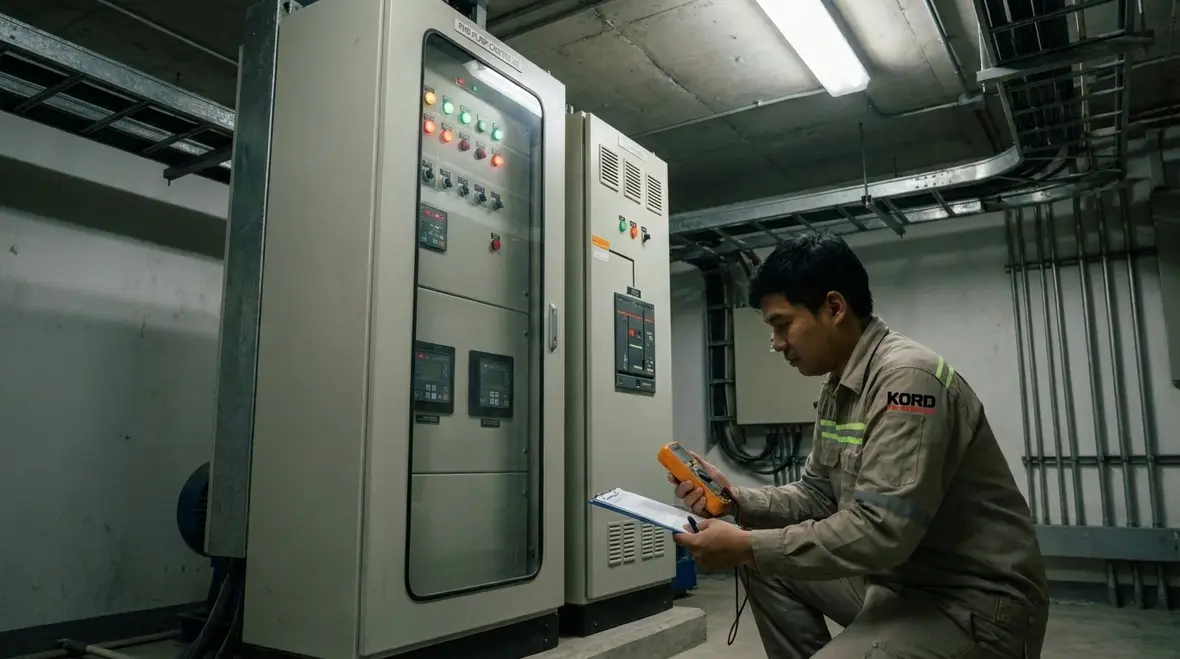
Kord Fire Protection technicians also emphasize that field tests must confirm this behavior. They verify that the controller transitions into fire mode as designed, that it starts the pump within required timing, and that it maintains operation when the system experiences real-world electrical strain. This is not a theory exercise. It is how you avoid surprises when the building needs water most.
What reliable standby readiness really looks like
Standby readiness means more than the controller display lighting up and looking confident. It means control circuits are supervised, status points report correctly, batteries or backup arrangements are accounted for where applicable, and the controller can go from resting state to active fire mode without hesitation. Readiness is boring when it is done right, and that is exactly the point.
Wiring, terminals, and grounding that pass inspection
Installers often focus on the equipment label, but inspectors focus on the details. Proper terminations, correct torque values, and clean cable management all support reliable controller operation. Loose connections can overheat, and overheated connections can fail at the worst time. That is why many Kord Fire Protection technicians stress that inspections should look beyond “it is wired.” They should check that the wiring matches the controller schematics, that the conductor sizes fit the duty and protective devices, and that routing does not introduce stress or water intrusion risk.
Grounding also plays a major role. A stable grounding scheme helps reduce electrical noise and protects both people and equipment. In addition, when controllers use electronic switching, grounding quality supports consistent readings and control signal stability. If the installation skips this step or treats it like an afterthought, the controller can display errors during stress conditions, even when the motor is healthy.
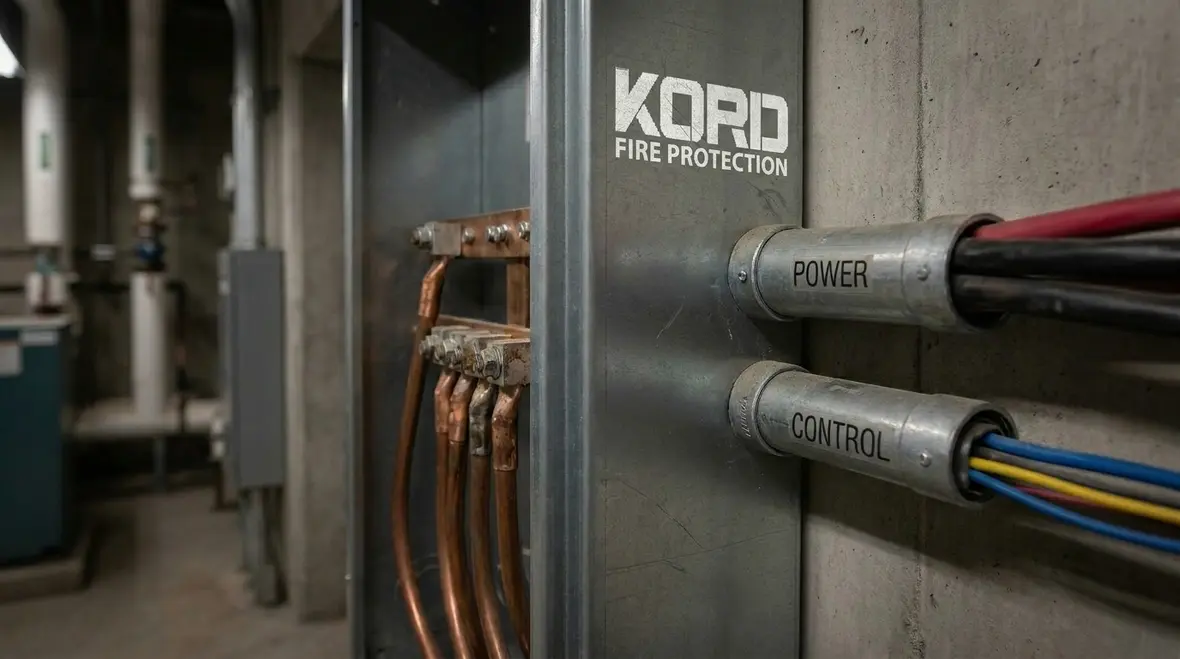
Also, control and power wiring separation can matter. Proper separation helps reduce induced voltages and reduces false triggers. When teams get this right, the controller behaves like a professional: consistent, predictable, and boring in the best possible way.
Testing, maintenance, and documentation for ongoing compliance
Standards assume ongoing performance. That means testing and maintenance do not end when the inspector signs off. Fire pump motor controllers require periodic checks for control circuit operation, alarms, and protective functions. If a controller includes software monitoring, technicians should confirm that firmware updates do not change safety logic. They also confirm that any replacement parts match the original specifications or approved equivalents.
Documentation reduces risk. Kord Fire Protection technicians often recommend that facilities keep a clear record of controller settings, motor data, test dates, and results. This helps teams spot trends such as repeated nuisance faults, early signs of contact wear, or abnormal readings from sensors. Good records are not glamorous, but neither is an emergency call that starts with “we think someone changed something a few months ago.”
In maintenance visits, technicians also verify that interlocks and status contacts work properly. They check that the controller recognizes fire mode commands and that the motor and controller protection devices remain calibrated to the system design. When documentation and testing stay current, compliance becomes a process instead of a scramble.
FAQ about fire pump motor controller electrical standards
Next steps: keep your fire pump system ready
Fire pump motor controllers protect lives, and they also deserve careful electrical compliance. If a controller has unclear settings, aging components, or installation details that never got verified, it is time to correct that before a test turns into a headache. Schedule a review with experienced Kord Fire Protection technicians who can check wiring, grounding, supervision points, and documented performance. Then confirm that your controller type and start method match the approved design.
Do it now, and your system will behave like it is supposed to when the alarm hits. For facilities that need broader support beyond a single controller review, explore Kord Fire Protection’s full fire protection services to coordinate inspections, testing, repairs, and ongoing readiness across your entire life safety setup.

Join Our Newsletter!
Get the latest fire safety tips delivered straight to your inbox From our Newsletter.