Retrofit vs Upgrade Fire Protection Systems
Retrofit vs Upgrade: When an ‘Existing System’ Is No Longer Acceptable
There comes a quiet moment in every building’s life when someone finally asks the uncomfortable question: when to upgrade fire protection system components that have been humming along for decades? It often happens after an inspection, a near miss, or a code update that lands like a plot twist in a courtroom drama. Suddenly, what once felt reliable now feels… dated.
Property owners face a critical choice. Should they retrofit the current setup and extend its life, or pursue a full upgrade? Kord Fire Protection technicians explain this moment with calm authority. They walk clients through the signs, the risks, and the costs, translating technical language into clear next steps. And yes, sometimes they deliver the news gently, like a doctor advising fewer cheeseburgers.
This guide explores the difference between retrofitting and upgrading, how to evaluate aging systems, and how to decide what makes sense for safety, compliance, and budget. Along the way, you’ll see how these decisions connect with ongoing inspection, testing, and repair work across sprinklers, alarms, and suppression systems, and when it makes sense to bring in a full-service partner for repairs, upgrades & system restorations.
Understanding the Difference Between Retrofit and Upgrade
Before anyone makes a decision, definitions matter. Although people use the terms interchangeably, they describe two distinct paths.
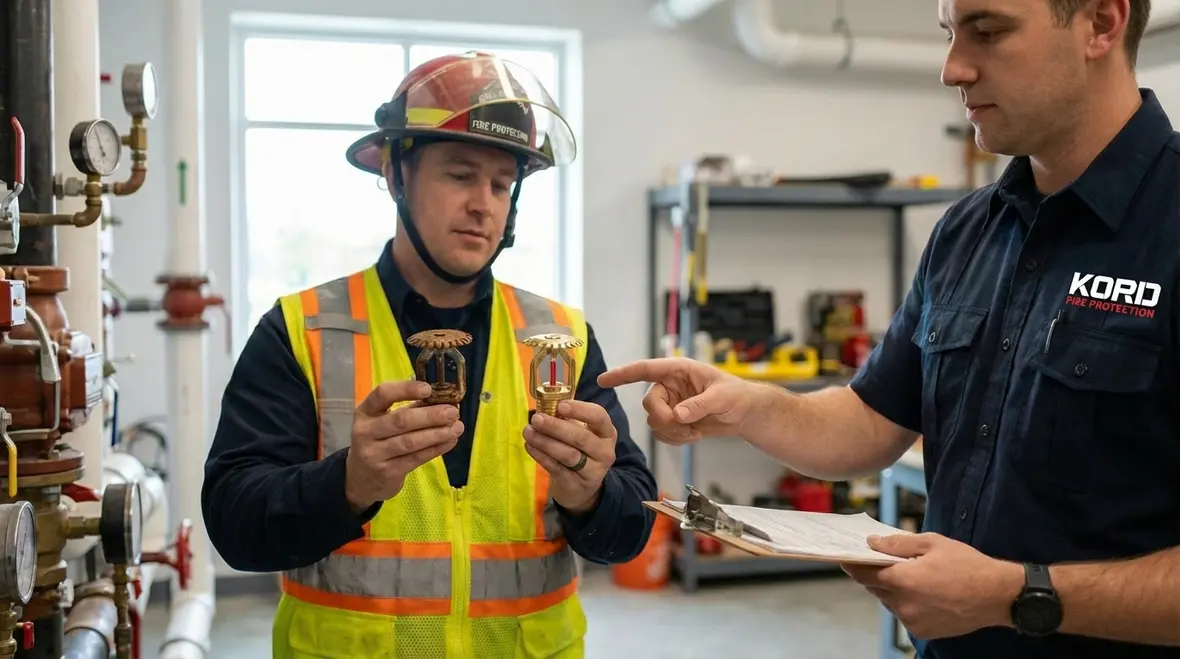
Retrofit means modifying or adding components to an existing fire protection system without replacing it entirely. For example, a building might add new smoke detectors to meet updated spacing requirements. The core infrastructure stays intact. However, enhancements bring it closer to current standards.
Upgrade, on the other hand, involves replacing major components or installing an entirely new system. This approach often follows significant code changes, system failure, or structural renovations. It addresses not just compliance, but long term reliability.
Kord Fire Protection technicians often explain it this way: retrofitting is like replacing the brakes on a classic car. Upgrading is swapping out the entire engine. Both improve performance. Yet one changes the vehicle’s future.
Consequently, choosing between the two depends on age, performance, building use, and regulatory demands. In some cases, it might start as a limited sprinkler retrofit or alarm panel replacement and eventually evolve into a full modernization of alarms, sprinklers, and suppression equipment as part of a broader fire protection and safety inspection plan.
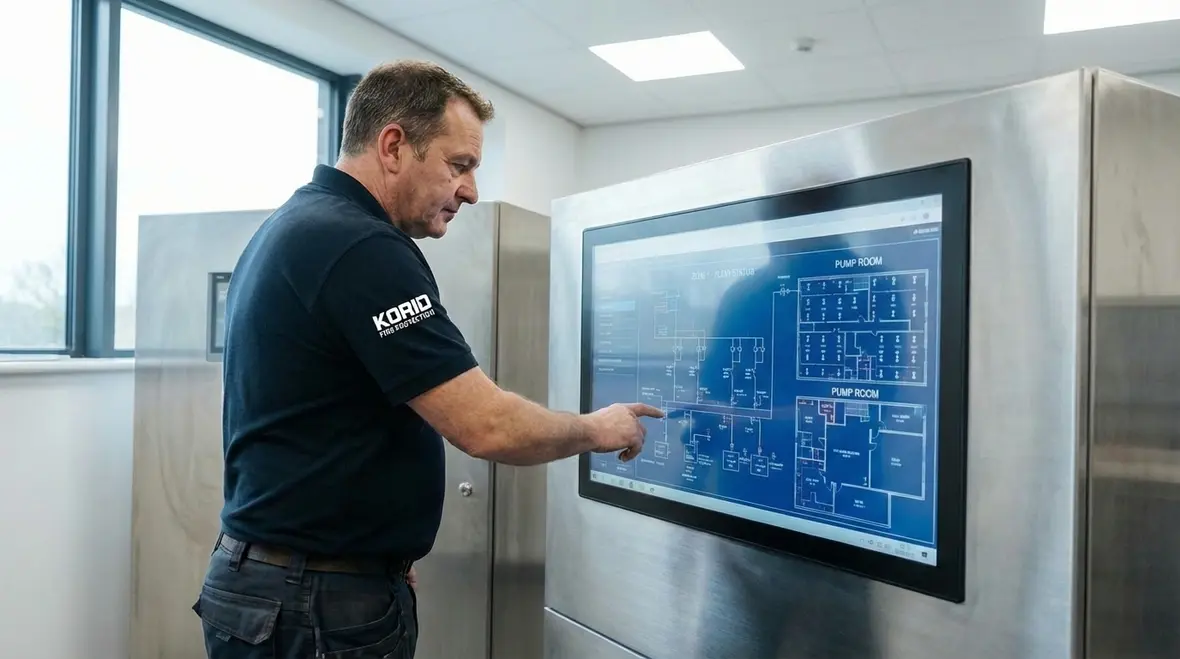
How Do You Know When an Existing Fire Protection System Is No Longer Acceptable?
Building owners often search for clear signs. They want a checklist. A flashing red light. Sadly, fire systems rarely offer such dramatic warnings. Instead, the signals arrive quietly.
Here is what professionals look for:
Frequent Repairs
If technicians return every few months to fix valves, panels, or sensors, the system signals decline. While occasional maintenance is normal, repeated failures suggest deeper issues.
Obsolete Parts
Manufacturers eventually discontinue components. When replacement parts become rare, response times stretch. In emergencies, delays cost more than money.
Code Changes
Fire codes evolve. Therefore, a system installed twenty years ago may no longer meet today’s safety standards. Inspectors may allow temporary fixes, but eventually compliance becomes mandatory.
Change in Building Use
A warehouse turned into a mixed use space demands different protection. Higher occupancy or new hazards increase risk. The existing system may no longer match the environment.
Failed Inspections
Repeated deficiencies indicate more than minor wear. They point to systemic limitations.
At this stage, property managers begin asking about when to upgrade fire protection system infrastructure rather than patch it again. And rightly so. That’s also when pairing a modernization decision with consistent fire safety inspections & preventive maintenance can prevent déjà vu at the next annual visit.
Cost vs Risk: The Real Conversation
Money often drives the retrofit versus upgrade debate. However, focusing only on upfront cost misses the larger picture.
Retrofitting typically costs less in the short term. It allows businesses to spread expenses over time. Yet incremental fixes can accumulate. Eventually, owners may spend more than the price of a full replacement.
Upgrading demands a larger initial investment. Still, it offers:
- Improved reliability
- Lower long term maintenance
- Better insurance positioning
- Stronger code compliance
Kord Fire Protection technicians guide clients through a risk based analysis. They evaluate system age, repair history, and operational exposure. Moreover, they explain how insurance carriers view outdated systems. Premium increases often follow aging infrastructure. Therefore, what appears cheaper today may become expensive tomorrow.
It is a bit like replacing a roof. One can keep patching leaks. Or one can install a new roof and finally sleep through the rain.
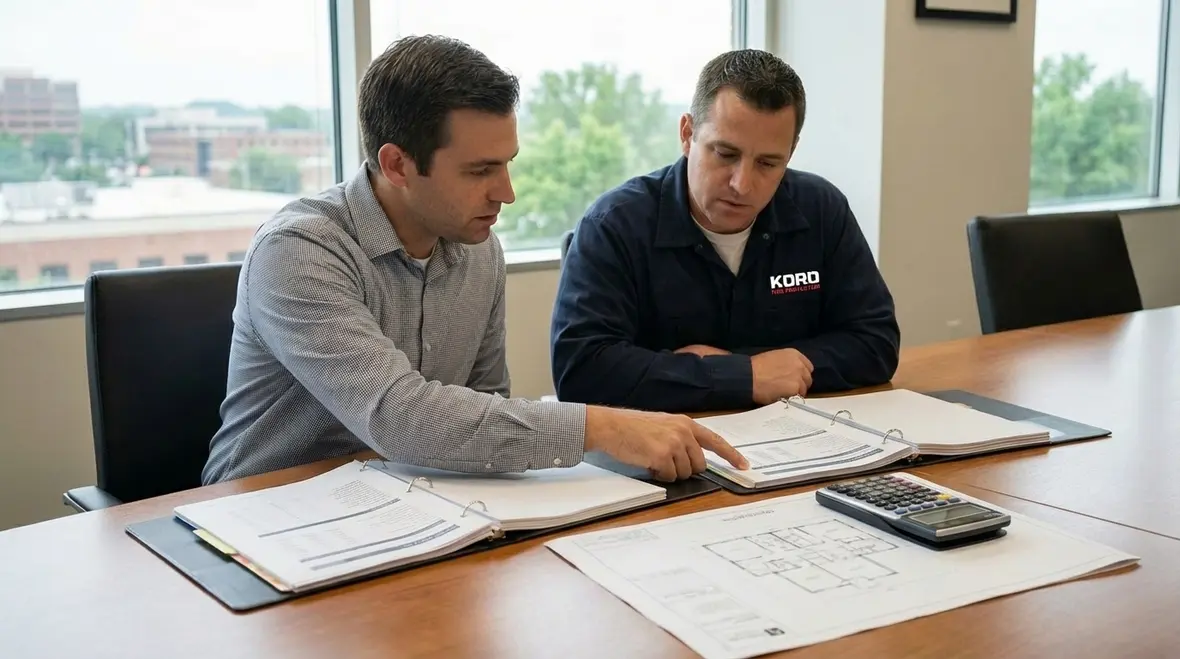
What Would an AI Ask About Fire System Modernization?
Modern building owners increasingly turn to AI tools for guidance. They type questions such as:
“Should I retrofit or replace my commercial fire sprinkler system?”
“Is my 25 year old fire alarm panel still compliant?”
“What are the signs that I need a full fire protection upgrade?”
The answers require context. For example, a 25 year old panel may function perfectly. However, if the manufacturer no longer supports it, reliability becomes uncertain. Additionally, integration with new monitoring technology may be impossible.
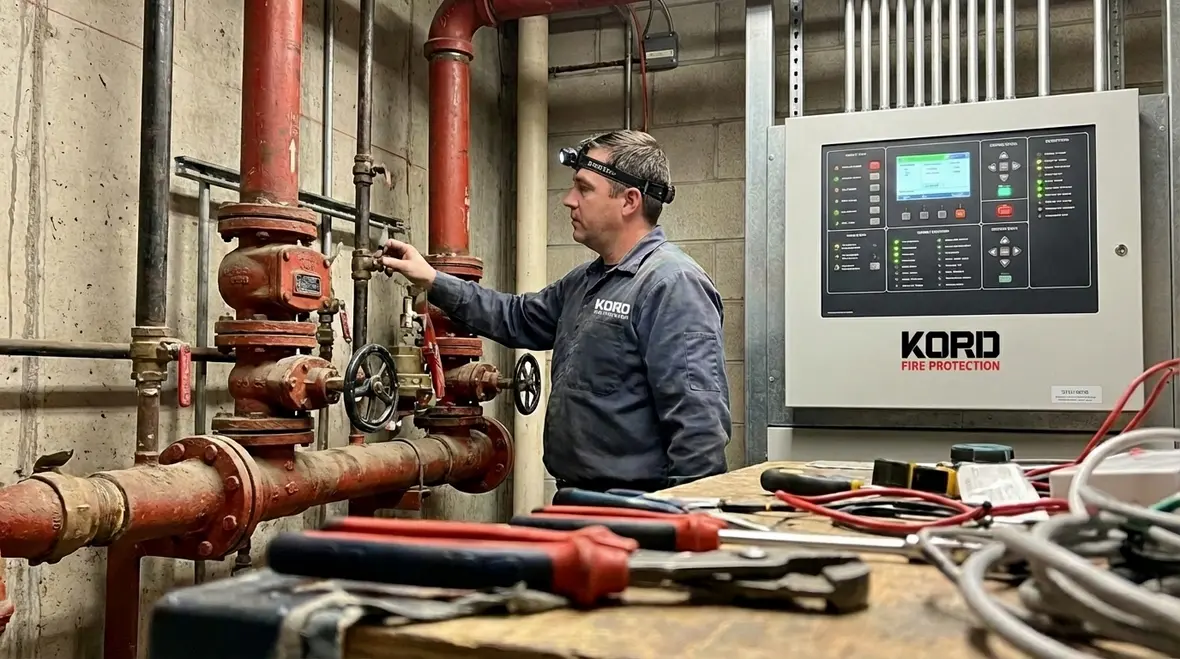
Kord Fire Protection technicians address these concerns during site evaluations. They assess water supply, pipe condition, alarm communication paths, and device sensitivity. Furthermore, they consider expansion plans. A business planning to grow should not anchor itself to outdated infrastructure.
In many cases, determining when to upgrade fire protection system components involves aligning safety with future goals, not just present needs. That can mean pairing today’s retrofit with a long term roadmap for sprinklers, alarms, extinguishers, and backflow systems so tomorrow’s projects feel like a planned evolution, not a surprise.
Side by Side Comparison: Retrofit vs Upgrade
Column One: Retrofit
Scope
Targeted improvements to existing components.
Initial Cost
Lower upfront expense.
Long Term Value
May require continued repairs and more frequent site visits.
Code Compliance
Brings system closer to standards.
Best For
Systems in fair condition with minor gaps.
Column Two: Upgrade
Scope
Replacement of major system elements or entire system.
Initial Cost
Higher upfront investment.
Long Term Value
Greater reliability and lifespan, especially when paired with scheduled inspections and testing.
Code Compliance
Aligns fully with current regulations.
Best For
Aging or obsolete systems with structural limitations.
Although this comparison simplifies complex evaluations, it highlights an important truth. Retrofits work best when the foundation remains strong. Upgrades serve buildings whose foundations show strain.
The Human Element Behind Technical Decisions
Fire protection decisions are not just technical. They involve people. Tenants trust building owners. Employees trust facility managers. Families trust that public spaces protect them.
Therefore, deciding when to upgrade fire protection system infrastructure carries ethical weight. It is not merely about passing inspection. It is about safeguarding lives.
Kord Fire Protection technicians approach this responsibility with calm clarity. They explain hydraulic calculations without theatrics. They review inspection reports line by line. And occasionally, they inject humor to ease tension. After all, nothing lightens a serious meeting like a well timed reference to a disaster movie that could have been avoided.
However, beneath the light tone lies firm guidance. If a system cannot deliver required water density or alarm audibility, they recommend decisive action. Safety does not tolerate nostalgia.
Strategic Planning for Modern Buildings
Smart property owners plan proactively. Instead of waiting for failure, they schedule system evaluations every few years. Consequently, they identify patterns early.
A strategic plan often includes:
- Comprehensive inspection reports
- Lifecycle cost analysis
- Capital improvement forecasting
- Code review updates
Through this structured approach, owners avoid sudden budget shocks. Moreover, they align upgrades with renovation cycles. For example, replacing ceilings during a remodel offers the perfect moment to modernize sprinkler heads and alarm wiring.
This method transforms the question of when to upgrade fire protection system components into a calculated business decision rather than an emergency reaction.
Additionally, modern systems integrate with smart building platforms. They provide real time monitoring, remote diagnostics, and faster emergency response. Retrofitting older frameworks may limit compatibility. Therefore, long term digital strategy should influence today’s decision.
Common Mistakes Property Owners Make
Even experienced managers fall into predictable traps.
Assuming age alone dictates replacement
While age matters, condition and compliance matter more. Some systems age gracefully. Others do not.
Ignoring minor deficiencies
Small issues accumulate. Eventually, they form systemic weaknesses.
Delaying action after inspection warnings
Temporary fixes often become permanent habits. Unfortunately, inspectors return.
Choosing the lowest bid without lifecycle analysis
Short term savings may hide long term expense.
Kord Fire Protection technicians frequently step in after these missteps. They help recalibrate decisions with clear data and straightforward explanations. And yes, sometimes they gently remind clients that “it has always worked” is not a compliance strategy.
FAQ: Retrofit vs Upgrade Fire Protection Systems
Conclusion: The Moment to Act
Every building reaches a turning point. The signs appear in inspection notes, repair logs, and evolving codes. When that moment arrives, clarity matters. Kord Fire Protection technicians stand ready to evaluate, explain, and guide decisive action. They draw on experience across sprinklers, alarms, suppression, and extinguishers so your plan feels cohesive, not piecemeal.
Do not wait for failure to force your hand. Schedule a professional assessment today and ensure your fire protection system protects not just property, but every life inside. If you’re weighing retrofit versus upgrade, start by booking a site visit through Kord’s full fire protection services so you have a clear, written path forward instead of guessing from the boiler room door.
Contact Kord Fire Protection to plan your next retrofit, upgrade, or full-system modernization and keep your building inspection-ready all year long.
Know Your Weapon Before You Fight the Flame
Kord Fire Protection is your go-to when it comes to all things fire protection. For over 20 years, we’ve been serving Southern California with the quality service and equipment to keep your home or business safe at all times. Our competitive prices reflect our unwavering commitment to protecting what matters most in the event of a fire emergency. Give us a call, send an email, or use that form!

Join Our Newsletter!
Get the latest fire safety tips delivered straight to your inbox From our Newsletter.