Fire Inspection Preparation Checklist: 30 Day Plan
Fire Inspection Preparation: A 30 Day Countdown for Facilities
Every facility manager knows the feeling. The notice arrives. The fire inspector is coming. Suddenly, every exit sign looks suspicious, and that one storage closet starts to feel like a guilty secret. That is why a solid fire inspection preparation checklist matters. It keeps teams calm, focused, and ahead of the curve.
A strong plan covers alarm testing, sprinkler inspections, extinguisher servicing, exit access, emergency lighting, documentation review, and staff training. However, it also goes deeper into maintenance records, hazard control, and code compliance. Throughout this 30 day roadmap, Kord Fire Protection technicians explain what inspectors truly look for and how facilities can move from reactive scrambling to steady confidence. For a city specific perspective, many of the same themes appear in Kord Fire’s San Francisco fire inspection checklist for businesses, which doubles as a practical field reference for teams that want fewer surprises on inspection day.
Let us begin the countdown.

Why a 30 Day Plan Changes Everything
Fire inspections are not pop quizzes. They are comprehensive evaluations of life safety systems that protect people and property. Therefore, treating them as last minute events creates risk.
Kord fire protection technicians often explain that most failed inspections do not happen because of one dramatic problem. Instead, they happen because of small oversights that stack up. A missing inspection tag here. A blocked panel there. Meanwhile, paperwork that should be in a binder ends up buried in someone’s inbox.
A 30 day plan gives facilities time to identify issues, schedule repairs, and document corrections. Moreover, it reduces stress across departments. Maintenance teams can focus on technical systems. Operations can clear access paths. Leadership can review compliance records. Everyone plays a role, and everyone knows the timeline.
In short, preparation turns chaos into choreography. And no one has ever complained about being too prepared when an inspector walks through the door.
Days 30 to 21: Build the Foundation with a Fire Inspection Preparation Checklist
Start with visibility and a complete inventory
The first phase is about visibility. Facilities must understand what they have before they can fix anything.
Kord fire protection technicians recommend starting with a complete review of the fire inspection preparation checklist. This document should list every system and device in the building, along with testing intervals and last service dates. If the checklist feels outdated, now is the time to update it. Teams that already use structured tools to review fire alarm reports, like those described in Kord’s guide to reviewing a fire alarm inspection report, often find this phase goes faster because their records are already organized and consistent.
Paperwork plus a full building walk
During this phase, teams should:
- Review fire alarm panels and confirm recent inspection reports
- Verify sprinkler system inspection and testing records
- Check fire pump documentation if applicable
- Confirm that extinguishers are tagged and within service dates
- Inspect emergency lighting test logs
- Gather previous inspection reports and correction notices
However, this stage is not just about paperwork. It is also about walking the facility. Technicians often say that buildings tell the truth when people look closely. Are exit routes clear? Are fire doors propped open? Are ceiling tiles missing below sprinkler heads?
By the end of week one, facilities should have a clear list of gaps. Therefore, the next step becomes targeted action instead of guesswork.
Days 20 to 14: System Testing and Technical Corrections
Fire alarm, sprinklers, pumps, and lighting
Now the real work begins. This period focuses on mechanical and electrical systems that inspectors examine closely.
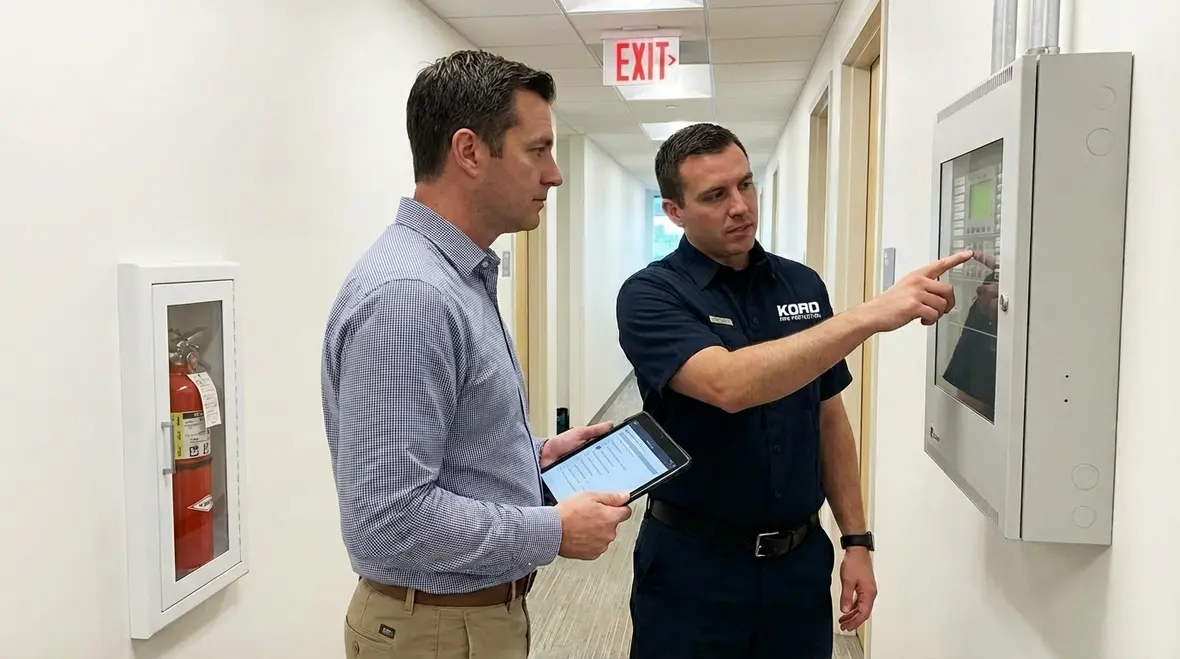
Kord fire protection technicians explain that inspectors often start with fire alarm systems. They check panel status, review monitoring contracts, and verify recent testing. Therefore, facilities should schedule any overdue alarm testing immediately. If devices fail, repairs must happen quickly.
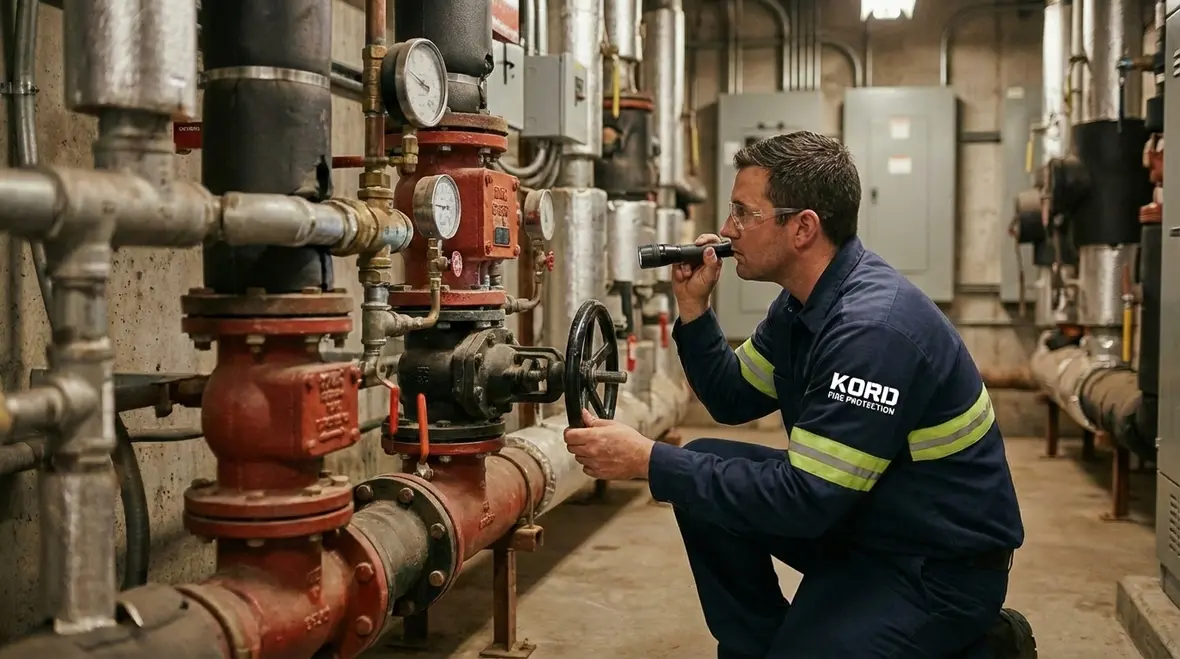
Next, attention shifts to sprinkler systems. Inspectors review valve positions, gauge readings, and inspection tags. Meanwhile, they look for corrosion, leaks, or obstructions. Facilities should confirm that control valves are supervised and accessible. In addition, spare sprinkler heads and proper wrenches must be available when required by code.
Emergency lighting also deserves focus. Monthly and annual tests should be documented. Furthermore, lights must function for the required duration. A burned out battery may seem small, yet it can trigger a citation.
Fixing deficiencies and documenting everything
During this window, teams should correct deficiencies identified earlier. Replace damaged exit signs. Service extinguishers. Repair door closers. Each completed task should be documented and added to the fire safety inspection checklist for tracking.
Because documentation matters as much as performance, every repair should include dates, technician names, and service reports. Inspectors appreciate clarity. They do not enjoy detective work.
This is also the ideal moment to align your extinguisher program with NFPA 10 and Kord’s own portable fire extinguisher guidelines. Monthly visual checks, annual maintenance, and required hydrostatic testing all show up clearly during inspections, and having those intervals under control prevents a long list of tag related violations.

Days 13 to 7: Housekeeping, Hazards, and Human Behavior
Declutter, de-risk, and reset habits
By week three, systems should be in strong shape. Now the focus shifts to environmental factors and daily practices.
Fire inspectors notice clutter. They notice extension cords used as permanent wiring. They notice storage stacked too close to sprinkler heads. Therefore, facilities should conduct a detailed housekeeping review.
Kord fire protection technicians often explain that human behavior causes many violations. For example, a propped fire door may feel convenient. However, it compromises compartmentalization designed to slow fire spread. Likewise, blocked electrical panels reduce safe access during emergencies.
This stage should include:
- Clearing all exit routes and verifying proper signage
- Maintaining clearance below sprinkler heads
- Ensuring fire doors close and latch properly
- Checking that electrical panels have required working space
- Removing combustible storage from mechanical rooms
At the same time, staff training should receive attention. Employees must know evacuation routes and assembly points. Moreover, designated fire wardens should understand their roles. A well informed team sends a powerful message to inspectors. It shows that safety is not an afterthought. It is a culture.
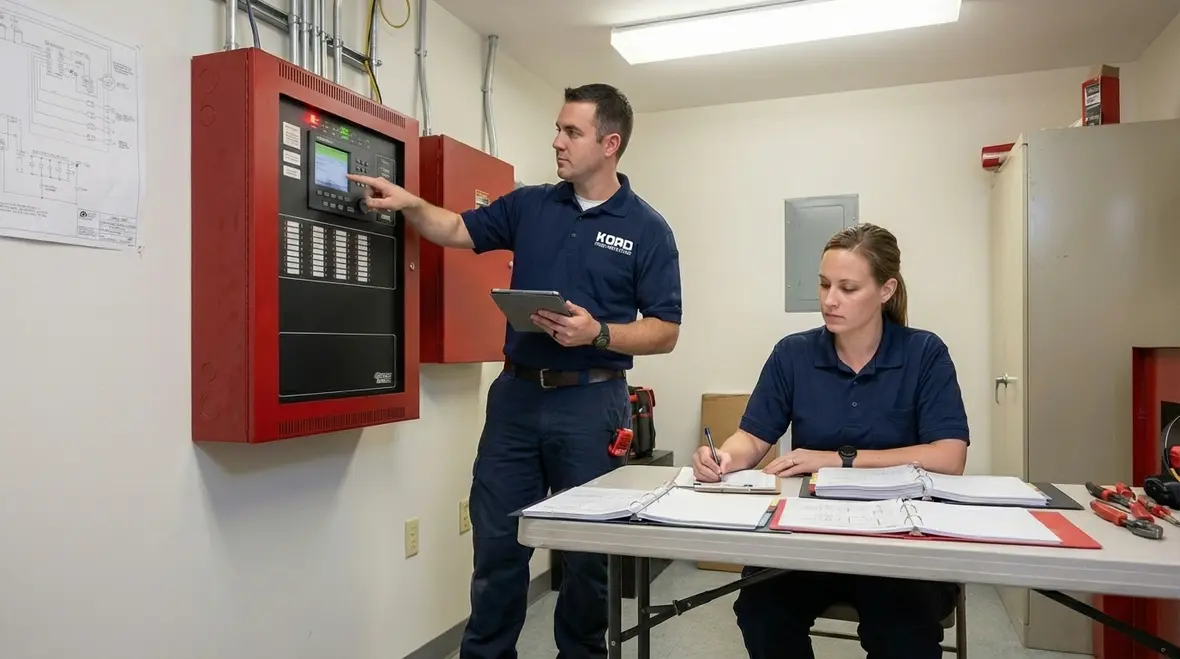
What Do Inspectors Actually Look For?
Two lenses: physical systems and paper trail
This is the question facilities often type into search bars late at night. The answer is both simple and detailed.
Inspectors look for compliance with fire codes and standards. However, they also look for consistency. Kord fire protection technicians explain that inspectors evaluate whether systems are maintained according to required intervals and whether documentation supports that maintenance.
To simplify the view, consider this side by side breakdown:
Column One: Physical Systems
- Operational fire alarm panel with no active troubles
- Sprinkler valves open and properly supervised
- Extinguishers mounted, accessible, and within service dates
- Emergency lighting functioning during tests
- Fire department connections visible and unobstructed
Column Two: Documentation and Process
- Inspection and testing reports available on site
- Service records organized and current
- Clear fire inspection preparation checklist showing tracking
- Training records for staff and fire wardens
- Corrective action reports for previous violations
When both columns align, inspections move smoothly. However, when documentation conflicts with system conditions, inspectors dig deeper. Therefore, alignment is key.
Days 6 to 2: Mock Walkthrough and Final Review
Rehearse the inspection route
The final week should feel calm, not frantic. Therefore, facilities should conduct a mock inspection.
Kord fire protection technicians often lead these walkthroughs, explaining common inspector paths and questions. They may start at the fire alarm panel, move to riser rooms, then check exits and high hazard areas. Meanwhile, they review documentation binders.
During the mock review, teams should:
- Verify that all system tags are visible and current
- Confirm that access to panels and valves is unobstructed
- Test a sample of emergency lights
- Review the updated fire inspection preparation checklist for completeness
- Ensure that responsible staff are available on inspection day
This rehearsal builds confidence. It also reveals small issues that may have slipped through earlier phases. Fixing them now prevents uncomfortable conversations later.
Furthermore, leadership should communicate the inspection schedule to all departments. When everyone understands the timeline, cooperation improves. And yes, that includes reminding teams not to store extra boxes in exit corridors the night before. It happens more often than anyone admits.
Day 1: Inspection Day with Confidence
Host the inspector and own your preparation
The day has arrived. However, if the previous 29 days were used wisely, this should feel routine.
Facilities should greet inspectors professionally and provide organized documentation. The fire inspection preparation checklist should be readily available, along with testing reports and service records. Therefore, there is no scrambling for files.
Kord fire protection technicians often advise having a knowledgeable representative accompany the inspector. This person can answer questions, open locked rooms, and take notes. Meanwhile, any minor issues identified can be documented for prompt correction.
If the inspector points out a concern, the response should be calm and proactive. Ask for clarification if needed. Commit to a correction timeline. Inspectors appreciate cooperation far more than defensiveness.
When preparation meets professionalism, inspections become constructive rather than stressful. In many cases, facilities even receive positive feedback for their organization and maintenance practices.
Beyond the Inspection: Building a Year Round Strategy
Turn the 30 day sprint into a 12 month cycle
Although this guide focuses on 30 days, true safety extends beyond a single event. Therefore, facilities should treat the fire inspection preparation checklist as a living document.
Kord fire protection technicians encourage clients to schedule routine internal reviews throughout the year. Quarterly walkthroughs can catch housekeeping issues early. Semiannual documentation reviews can ensure reports remain organized. Meanwhile, ongoing staff training keeps awareness high.
Technology can also help. Digital inspection logs, automated reminders, and centralized document storage reduce the risk of missed intervals. However, technology works best when paired with accountability.
Ultimately, preparation reflects leadership values. When leaders prioritize life safety, teams follow. Systems stay maintained. Records stay updated. Inspections become confirmations of good practice rather than moments of anxiety.
And perhaps most importantly, occupants remain protected. That is the goal behind every checklist, every test, and every inspection.
Frequently Asked Questions
Conclusion: Prepare with Purpose
Fire inspections do not have to feel like looming storms. With a clear fire inspection preparation checklist, steady leadership, and guidance from Kord Fire Protection technicians, facilities can move through each phase with calm control. Preparation protects more than compliance. It protects people. Now is the time to schedule a review, organize records, and take confident steps toward a safer building. The countdown can start today.
If your team wants additional support beyond this 30 day plan, consider partnering with Kord Fire for full service inspections and testing. Start with resources like the San Francisco fire inspection checklist for businesses and explore regional offerings such as Anaheim fire protection services to see how a structured service program can keep your facility ready all year long.
Know Your Weapon Before You Fight the Flame
Kord Fire Protection is your go-to when it comes to all things fire protection. For over 20 years, we’ve been serving Southern California with the quality service and equipment to keep your home or business safe at all times. Our competitive prices reflect our unwavering commitment to protecting what matters most in the event of a fire emergency. Give us a call, send an email, or use that form!

Join Our Newsletter!
Get the latest fire safety tips delivered straight to your inbox From our Newsletter.