
How Do Fire Hydrants Work? Main Valve, Barrel, and Drainage Explained
How Do Fire Hydrants Work? Main Valve, Barrel, and Drainage Explained
At some point, almost everyone has driven past a bright red hydrant and wondered, how do fire hydrants work? They stand quietly on sidewalks and street corners, loyal as a palace guard, waiting for a moment most people hope never comes. Yet when that moment arrives, they unleash thousands of gallons of water with calm authority. Kord Fire Protection technicians often explain that a hydrant is not just a metal post in the ground. It is a carefully engineered system built to deliver water fast, safely, and without fail.
To understand how a fire hydrant operates, one must look beneath the surface. Inside that painted shell lives a main valve, a tall barrel, and a clever drainage system. Together, they form a dependable partner for firefighters. And like any good partnership, timing is everything.
The Hidden Engineering Beneath the Street
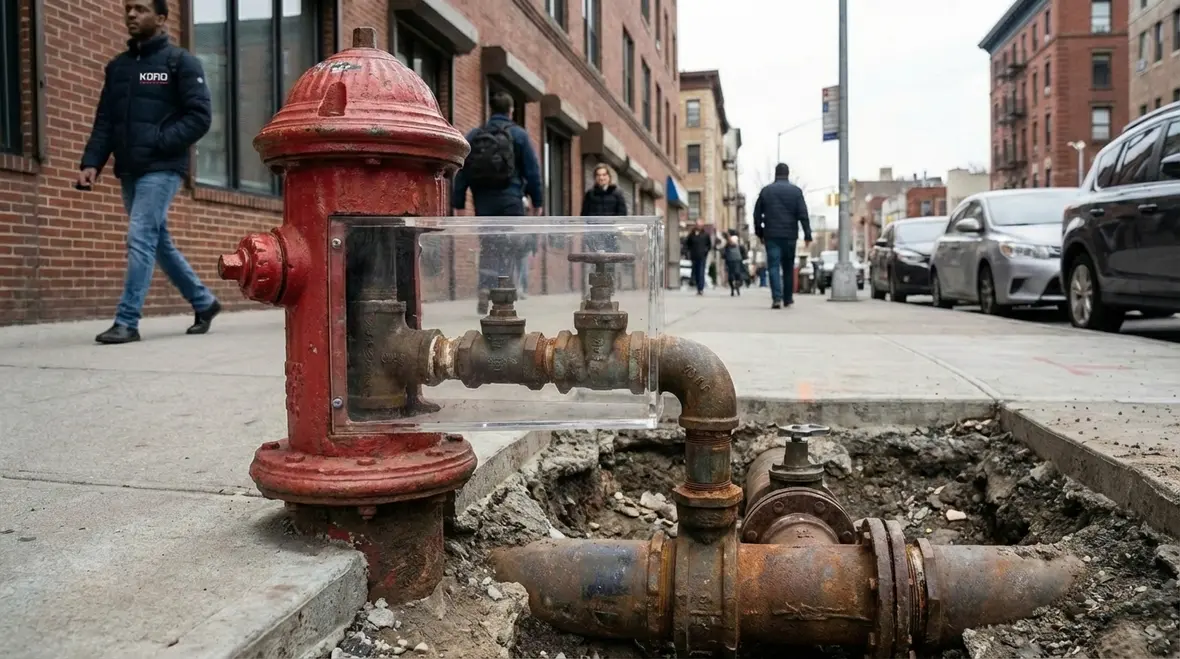
From the outside, a hydrant appears simple. However, beneath the pavement lies a connection to a pressurized municipal water main. That connection stays sealed until firefighters arrive and open it. So when people ask how do fire hydrants work, the real answer begins underground.
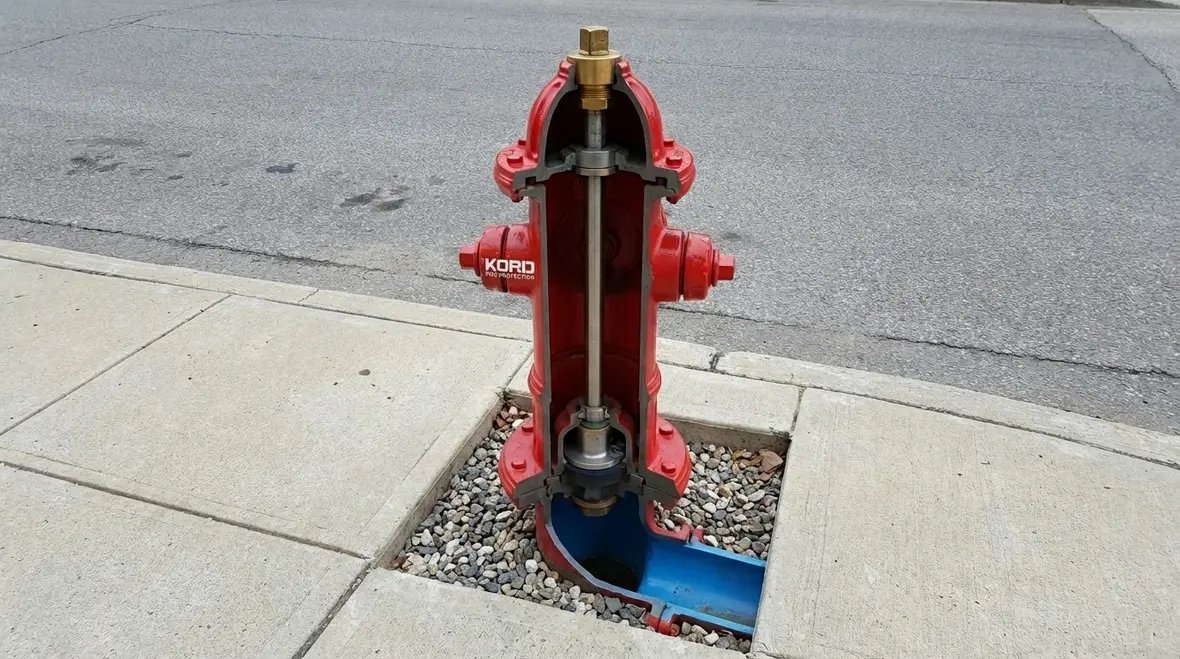
Most hydrants in colder regions are known as dry barrel hydrants. In these systems, water remains below the frost line, safely out of reach of freezing temperatures. The visible portion above ground stays dry until someone turns the operating nut at the top.
When that nut turns, a long stem travels down the length of the barrel and lifts the main valve at the base. Instantly, pressurized water rushes upward and out through the hose nozzles. It is direct. It is powerful. And it is beautifully simple.
In warmer climates, wet barrel hydrants are more common. These keep water in the upper body at all times. Each nozzle has its own valve. While this design allows quicker access, it requires protection from freezing. Therefore, climate often decides which type a city installs.
Kord Fire Protection technicians often compare hydrants to skyscrapers. What the public sees is only the top. The real strength sits below, anchored and prepared.
For a deeper dive into how hydrant testing and color coding work together in the field, many facility managers also review NFPA 291 guidance and local testing programs. Resources like Kord Fire Protection’s NFPA 291 fire hydrant testing and marking guide help connect hydrant hardware to real-world water flow and color markings.

Main Valve Mechanics and Water Control
The main valve is the heart of the hydrant. Without it, there is no control. With it, there is precision.
When firefighters turn the operating nut, they rotate a threaded stem. That stem either raises or lowers the main valve gate. As it rises, water from the supply main enters the barrel. As it lowers, it seals the opening tightly.
This system serves two vital purposes. First, it prevents constant water pressure from filling the barrel when the hydrant is not in use. Second, it protects against leaks and damage. Because the valve sits underground, it remains shielded from impact and temperature swings.
Moreover, the valve opens fully or closes fully. Technicians avoid leaving it halfway. A partially open hydrant can cause internal wear, vibration, and pressure imbalance. In short, it is not a dimmer switch. It is more like a stage curtain. Either the show begins, or it ends.
Understanding this central mechanism answers a large part of how do fire hydrants work in real world emergencies. Water control is everything. Too little pressure slows response. Too much without control creates chaos.

The Barrel: Strength, Structure, and Direction
The barrel is the tall body most people see. It may look like a simple cast iron column, yet it plays a critical role.
First, it houses the operating stem. That stem runs from the top operating nut down to the main valve. Second, it directs water upward and outward once the valve opens. Third, it provides structural stability so the hydrant can withstand impact.
Many hydrants include a breakaway flange near ground level. If a vehicle strikes the hydrant, this flange snaps in a controlled way. As a result, the main valve below ground remains intact and closed. Water does not flood the street like a movie scene from a summer blockbuster.
Kord Fire Protection technicians often reassure property managers about this feature. While no one plans to drive into a hydrant, it happens. Fortunately, smart design limits the damage.
Additionally, the barrel includes outlet nozzles where firefighters connect hoses. These nozzles use threaded caps to keep debris out. When opened, they channel water with force and consistency. Therefore, the barrel acts as both shield and highway.
Drainage System and Freeze Protection
If the main valve is the heart, the drainage system is the quiet guardian. After firefighters close the hydrant, water inside the barrel must go somewhere. Otherwise, it could freeze, expand, and crack the unit.
Here is where design shows its brilliance. In a dry barrel hydrant, small drain holes sit near the base. When the main valve closes, these holes open automatically. Water inside the barrel drains into the surrounding gravel bed. That gravel allows safe absorption into the soil.
However, if debris clogs those drains, water can remain trapped. Over time, freezing temperatures may damage the hydrant from within. For this reason, routine inspection matters. Kord Fire Protection technicians regularly test hydrants to ensure proper drainage.
Interestingly, the drainage holes seal when the hydrant activates. As the main valve lifts, it blocks the drain ports. This prevents pressurized water from escaping underground during use. It is a simple switch of position, yet it makes all the difference.
So when someone asks how do fire hydrants work in winter without turning into ice sculptures, the answer lies in this hidden drainage feature.
Step by Step: How Water Flows During an Emergency
Column One
1. Locate and inspect
Firefighters check for damage and clear debris.
2. Remove caps
They loosen nozzle caps and prepare hose lines.
3. Attach hoses
Connections lock tightly onto threaded outlets.
4. Open slowly
One firefighter turns the operating nut with a hydrant wrench.
Column Two
5. Valve lifts
The stem raises the main valve underground.
6. Barrel fills
Water rushes upward under system pressure.
7. Water flows out
Pressurized streams move through hoses to pumps or directly to the fire.
8. Close and drain
After use, the valve shuts and the barrel drains automatically.
Each step connects to the next. There is no guesswork. Because hydrants tie directly into municipal mains, water supply often remains steady and strong. In many cases, fire engines use the hydrant to boost water flow, increasing pressure through onboard pumps.
That entire sequence demonstrates clearly how a fire hydrant operates under pressure and stress. Calm engineering meets urgent action.
How Do Fire Hydrants Work in Different Climates?
Climate shapes design. In colder regions, dry barrel hydrants dominate. As mentioned earlier, they keep standing water below frost level. This reduces freezing risk and extends service life.
In contrast, warm coastal cities often use wet barrel models. Because freezing is not a concern, these hydrants allow individual nozzle control. Firefighters can open one outlet without affecting others.
Additionally, some regions use specialized coatings to resist corrosion from salt air. Others apply color coding to indicate water flow capacity. For example, a certain color may signal high gallon per minute output, while another indicates moderate supply. If you are curious about what those colors actually mean on the street, Kord Fire Protection’s article on the fire hydrant color code breaks it down in practical terms.
Kord Fire Protection technicians emphasize that proper installation matters just as much as design. Soil conditions, water pressure, and traffic exposure all influence hydrant performance. Therefore, cities plan placement with care.
In short, when people ask how do fire hydrants work across different environments, the answer adapts. The core principle stays the same. The details shift to meet local demands.
Maintenance, Testing, and Reliability
A hydrant that sits untouched for years may look fine on the outside. However, reliability demands routine attention.
Technicians perform flow tests to measure pressure and output. They inspect caps, threads, and gaskets. They also check for internal leaks and proper drainage. If sediment builds up, flushing clears the line.
Furthermore, lubrication keeps the operating stem turning smoothly. Without it, corrosion can cause stiffness or failure. That is not something firefighters want to discover mid emergency.
Kord Fire Protection technicians often explain maintenance in simple terms. A hydrant is like a seatbelt. No one thinks about it daily. Yet when it is needed, it must work perfectly.
Regular service also helps cities map water distribution capacity. By tracking test results, municipalities identify weak points and upgrade infrastructure before problems arise.
So while hydrants appear passive, they require active stewardship. Quiet strength depends on quiet care. Partnering with professionals who offer dedicated fire hydrant testing services keeps that system honest and ready.
Why Understanding Hydrant Function Matters
For property owners and facility managers, knowing how hydrants function is not trivia. It affects safety planning, insurance ratings, and emergency access.
Clear space around hydrants allows rapid connection. Marked curbs improve visibility. Functional valves ensure reliable suppression support. Moreover, understanding how do fire hydrants work helps communities appreciate the system protecting them every day.
It also builds trust. When Kord Fire Protection technicians walk clients through the mechanics, they replace mystery with confidence. And confidence, in matters of fire safety, is priceless.
Hydrants may not wear capes. Nevertheless, they perform heroic work without applause. They wait patiently, like a seasoned actor who knows his cue will come.
Frequently Asked Questions
Conclusion: Trust the Experts Who Understand Every Valve and Drop
Fire hydrants stand ready day and night, built with purpose and quiet strength. When communities understand how do fire hydrants work, they see more than painted metal. They see engineering, planning, and protection woven together. For expert guidance, inspections, and dependable service, connect with Kord Fire Protection technicians. They bring clarity, skill, and steady confidence to every hydrant they touch. Because when safety calls, preparation must answer.
If your property relies on hydrants, now is the moment to make sure they will perform when it counts. Schedule professional fire hydrant testing services or talk with Kord Fire Protection about broader fire protection solutions that include sprinklers, alarms, pumps, and more. One conversation today can translate into calmer, stronger response on the worst day your building ever faces.
Know Your Weapon Before You Fight the Flame
Kord Fire Protection is your go-to when it comes to all things fire protection. For over 20 years, we’ve been serving Southern California with the quality service and equipment to keep your home or business safe at all times. Our competitive prices reflect our unwavering commitment to protecting what matters most in the event of a fire emergency. Give us a call, send an email, or use that form!

Join Our Newsletter!
Get the latest fire safety tips delivered straight to your inbox From our Newsletter.


