
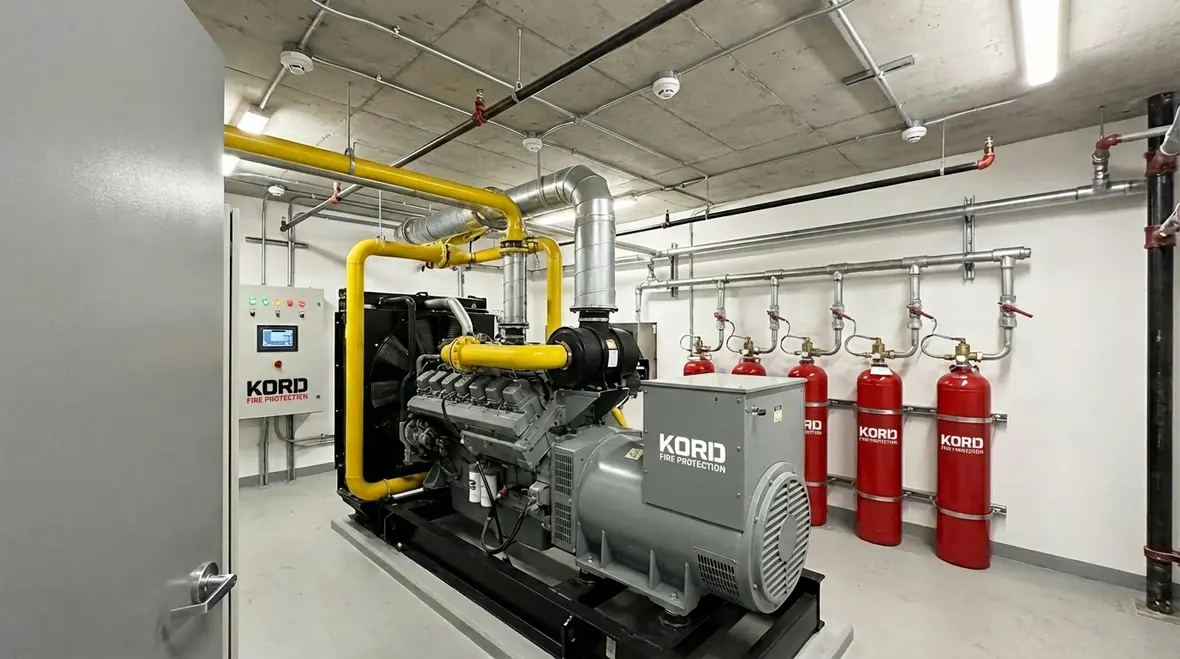
Generator Room Fire Suppression: Clean Agent vs Water
When the lights go out, the generator steps in like the unsung hero of the building. However, behind that reliable hum sits risk. Fuel, heat, electrical load, and confined space create the perfect stage for fire. That is why a properly designed generator room fire suppression system is not a luxury. It is a necessity. Kord Fire Protection technicians often explain it this way: a generator room is a powerhouse with attitude. Treat it casually, and it may answer with smoke. Treat it wisely, and it will serve faithfully for decades.
This article explores special hazard fire protection for generator rooms, comparing clean agent systems and water based solutions. Along the way, Kord Fire Protection technicians break down the science, the strategy, and the practical decisions that building owners face every day.
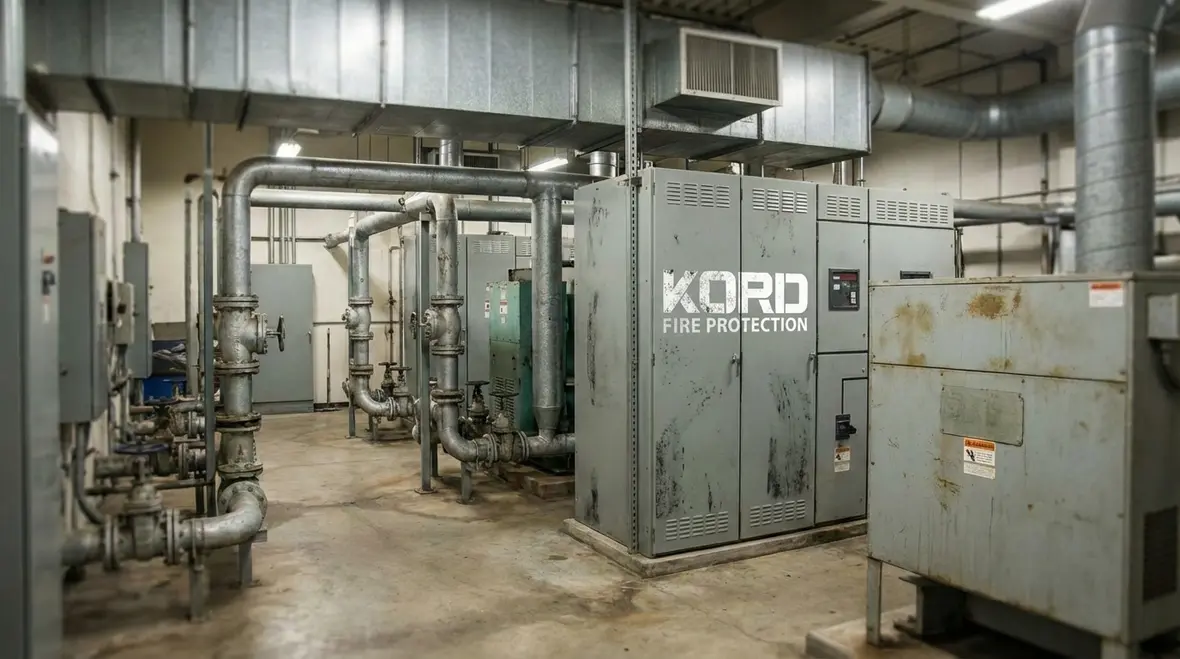
The Unique Fire Risks Inside Generator Rooms
A generator room is not just another mechanical space. It holds diesel or natural gas fuel sources, high voltage components, hot exhaust systems, and rotating machinery. Each element increases the fire load. Together, they form a tightly packed risk environment.
First, fuel leaks can ignite from a hot surface or electrical arc. Additionally, electrical faults inside control panels can spark internal fires that spread to cable trays. Meanwhile, ventilation systems designed to cool the generator can also feed a growing flame with fresh oxygen. In other words, once a fire starts, it does not politely wait for instructions.
Kord Fire Protection technicians often compare generator rooms to kitchens in a busy restaurant. Heat, fuel, and equipment operate constantly. However, unlike a kitchen, no one stands nearby with a fire extinguisher during off hours. Therefore, automatic protection becomes critical.
A well engineered fire protection system for generator enclosures must respond quickly, suppress flames effectively, and limit damage to expensive equipment. The real debate begins when choosing the suppression method.
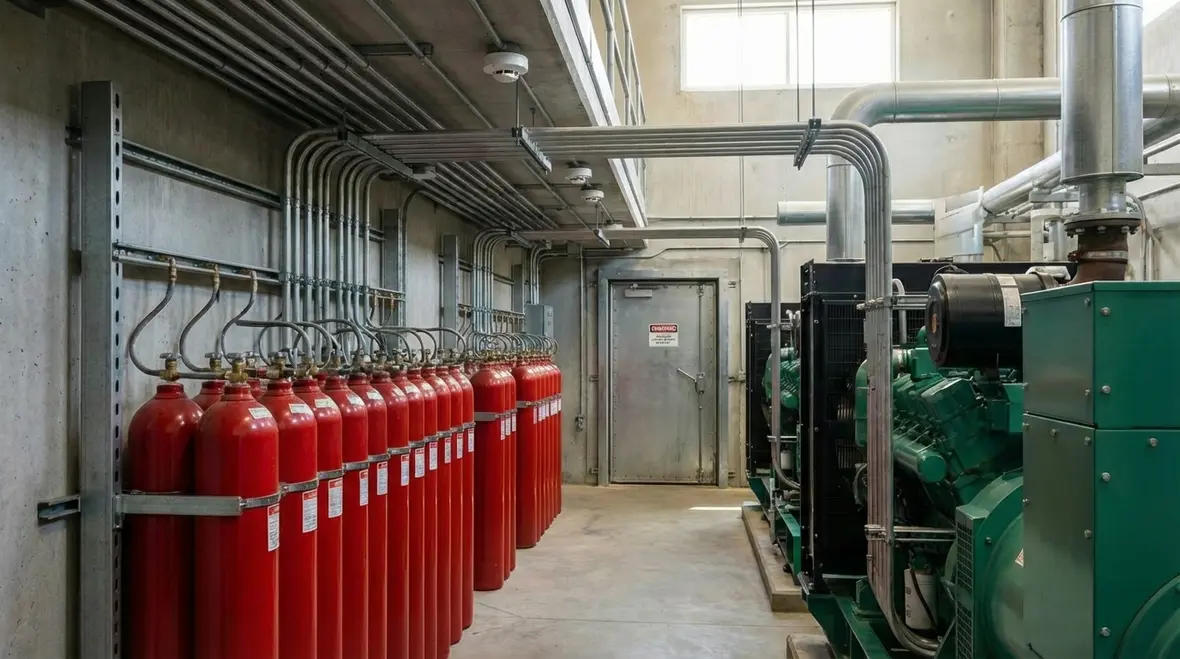
Understanding Special Hazard Fire Suppression
Special hazard fire suppression refers to systems designed for environments where standard sprinklers may not provide adequate protection. Generator rooms fall squarely into this category. The equipment is valuable. Downtime is costly. And water damage can rival fire damage in repair bills.
Unlike open office spaces, generator rooms often require targeted detection and rapid discharge. Smoke detectors, heat sensors, and flame detectors work together to identify trouble early. Once activated, the suppression system releases its extinguishing agent within seconds.
Kord Fire Protection technicians explain that the goal is not just to put out the fire. The goal is to interrupt the chemical reaction before it grows. That distinction matters. A quick response can mean the difference between minor cleanup and full equipment replacement.
Two primary options dominate discussions for generator room protection. Clean agent systems and water based systems. Each carries advantages and tradeoffs. Choosing between them requires careful thought.
For facilities with high-value electrical and control equipment, clean agent protection often pairs well with broader clean agent fire suppression for critical equipment, extending the same level of care from data rooms and control centers into the generator room itself.
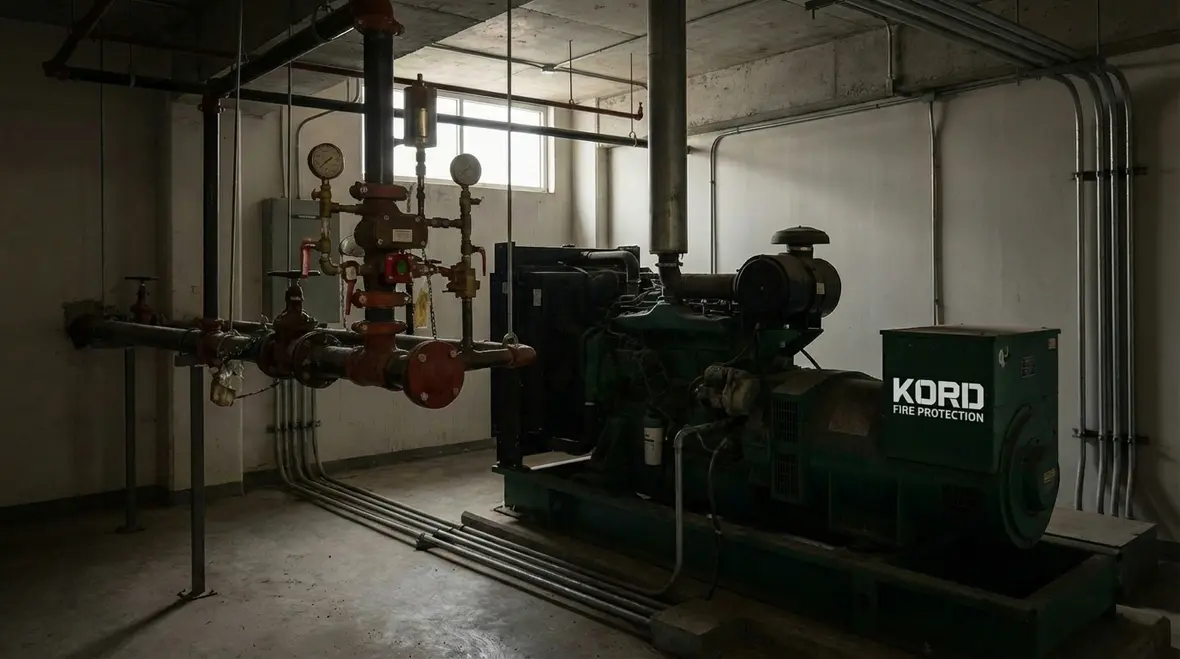
Clean Agent Systems for Generator Room Fire Suppression
Clean agent systems use gases or chemical compounds that extinguish fire without leaving residue. Popular agents include FM 200 and Novec 1230. When discharged, these agents absorb heat or disrupt the combustion process. As a result, flames die out quickly.
Kord Fire Protection technicians often describe clean agents as the silent professionals of fire protection. They arrive, do their job, and leave no mess behind. For sensitive electronics and control panels, that quality is priceless.
Here is how they work in practice:
Detection and Release
Once detectors sense smoke or heat, the system triggers an alarm. After a short delay to allow evacuation, the agent floods the room. Because the space must hold the gas concentration, proper sealing is essential.
Advantages
- No water damage to generators or switchgear
- Fast suppression within seconds
- Minimal cleanup and quick return to operation
- Safe for occupied spaces when designed correctly
Considerations
- Higher upfront installation cost
- Requires tight room integrity
- Agent recharge can be expensive after discharge
In facilities where uptime is critical, such as hospitals or data centers, clean agent solutions often lead the conversation. After all, when backup power supports life safety systems, speed and cleanliness matter.
However, clean agent systems demand careful engineering. The enclosure must maintain the proper concentration. Even small leaks around doors or vents can reduce effectiveness. Therefore, Kord Fire Protection technicians conduct door fan testing to confirm room integrity before commissioning the system.
Many of the same design principles used in Kord Fire’s dedicated clean agent fire suppression system services apply inside generator rooms, from agent selection to room integrity testing and long-term maintenance.
Water Based Fire Suppression in Generator Rooms
Water has fought fires since ancient times. It is reliable, accessible, and cost effective. Yet in generator rooms, traditional sprinklers require thoughtful design.
Standard wet pipe sprinkler systems discharge water once heat activates the sprinkler head. While effective at controlling fire, they can soak equipment. As many facility managers know, electricity and water have a complicated relationship. It is not exactly a buddy comedy.
Nevertheless, water based systems still offer strong protection.
Benefits
- Lower installation cost compared to clean agents
- Proven fire control capability
- No need for sealed enclosures
- Readily available water supply
Challenges
- Potential damage to electrical components
- Longer cleanup and downtime
- Risk of corrosion after discharge
Some facilities use pre action sprinkler systems instead of standard wet systems. With pre action, water does not enter the pipes until a detection event occurs. This reduces accidental discharge risk. As a result, equipment gains an added layer of protection.
Kord Fire Protection technicians often explain that water systems control fire effectively but may not extinguish it as rapidly as clean agents. Therefore, the choice often depends on the value of equipment and tolerance for downtime.
In many buildings, water based systems are part of a broader strategy that may include standpipes, hydrants, and other solutions delivered through Kord Fire’s full fire protection services.
Clean Agent vs Water: Side by Side Comparison
To simplify the decision, it helps to view both options next to each other. While every facility differs, core differences remain consistent.
Clean Agent Systems
- Rapid total flooding action
- No residue or moisture
- Higher installation cost
- Requires sealed room
- Ideal for critical power sites
Water Based Systems
- Gradual control through sprinkler discharge
- Water exposure to equipment
- Lower upfront cost
- Works in ventilated spaces
- Suitable for budget conscious projects
Ultimately, the right generator room fire suppression system aligns with operational priorities. If continuous power is essential, clean agent often wins. Conversely, if budget drives the project and some downtime is acceptable, water systems may suffice.
Kord Fire Protection technicians remind clients that fire protection is not about trends. It is about risk tolerance. As they like to say, choosing suppression is less about fashion and more about consequences.
What Factors Should Influence the Decision?
Building owners frequently ask what should guide their selection. The answer involves several practical considerations.
1. Critical Nature of the Facility
Hospitals, data centers, and emergency response buildings rely heavily on backup power. Therefore, they often favor clean agent systems to avoid secondary damage.
2. Budget and Lifecycle Cost
Although clean agents cost more initially, reduced downtime can offset expenses over time. On the other hand, water systems may fit tighter budgets.
3. Room Construction
Clean agents require sealed spaces. If the generator room cannot maintain concentration, modifications may increase cost.
4. Environmental Considerations
Modern clean agents are designed with low environmental impact. However, local regulations may influence selection.
5. Insurance Requirements
Some insurers provide incentives for advanced suppression systems. Consulting with both insurer and fire protection professionals ensures compliance.
Kord Fire Protection technicians walk clients through these factors step by step. They avoid technical overload. Instead, they translate codes and standards into clear guidance. Because at the end of the day, no facility manager wants to decode fire protection language like it is an ancient scroll.
Design, Installation, and Ongoing Maintenance
Even the best suppression method fails without proper design and maintenance. A generator room fire suppression system must integrate detection, alarms, ventilation shutdown, and fuel supply controls.
During installation, technicians coordinate with electrical and mechanical teams. For example, clean agent systems require automatic shutdown of ventilation fans to maintain concentration. Similarly, fuel lines may need emergency shutoff valves.
Maintenance plays an equally important role. Regular inspections verify cylinder pressure, sprinkler valve condition, and detector functionality. In addition, annual testing confirms that the system responds as designed.
Kord Fire Protection technicians emphasize routine service because systems sit idle for years. Yet when needed, they must perform instantly. It is similar to a parachute. No one plans to use it, but everyone expects it to work.
Proper documentation also supports compliance with national and local fire codes. Therefore, maintaining detailed inspection records protects both safety and liability.
FAQ: Generator Room Fire Suppression
Power Deserves Protection
Backup generators stand ready for the worst days. However, without proper protection, they can become the source of disaster. Whether choosing clean agent or water based protection, the decision shapes safety, downtime, and long term cost. Kord Fire Protection technicians guide facilities through each step with clarity and confidence.
To safeguard critical power and ensure peace of mind, consult their team and design a suppression strategy built to perform when it matters most. If your facility includes other critical spaces like server rooms or control centers, Kord Fire can integrate generator room protection into a wider clean agent fire suppression or full fire protection services plan tailored to your building.
Know Your Weapon Before You Fight the Flame
Kord Fire Protection is your go-to when it comes to all things fire protection. For over 20 years, we’ve been serving Southern California with the quality service and equipment to keep your home or business safe at all times. Our competitive prices reflect our unwavering commitment to protecting what matters most in the event of a fire emergency. Give us a call, send an email, or use that form!

Join Our Newsletter!
Get the latest fire safety tips delivered straight to your inbox From our Newsletter.


