Fire Suppression System Maintenance Basics for Owners
Fire Suppression System Maintenance: The Basics Building Owners Should Start With
Fire suppression maintenance is not a “set it and forget it” deal. It is the boring work that prevents a not so boring day when smoke turns into a headline. In the real world, systems drift out of spec from normal use, dust, and time. So when building owners plan inspections and upkeep, they protect people, reduce downtime, and keep compliance on track. To make that easier, Kord Fire Protection can become a vital partner, handling service with a steady process instead of a last minute scramble. Because nobody wants to learn their sprinkler system is unhappy at 2 a.m., right after the latest action movie style fire alarm scenario.
Why Fire Suppression Maintenance Prevents Costly Surprises
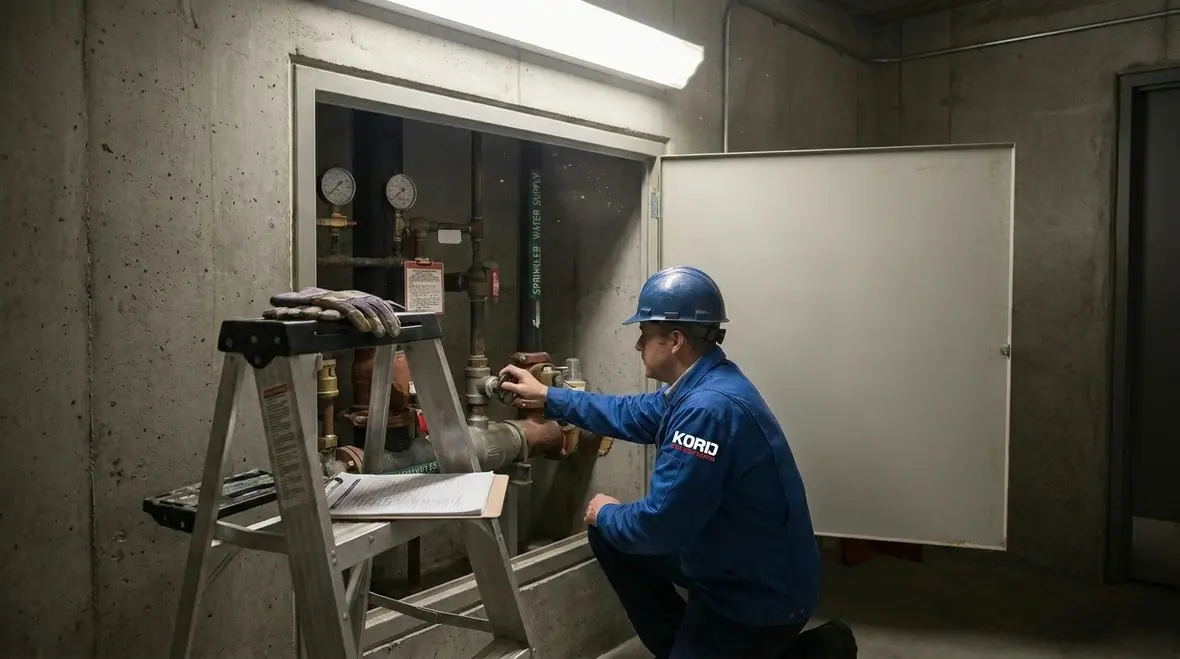
Maintenance matters because a fire suppression system has many moving parts, even when it looks simple from the outside. Valves can stick, pressure can shift, nozzles can clog, and detection devices can drift. Then, just as a system should respond fast, it might respond slowly, partially, or not at all. That is where a clear plan protects the building. Additionally, regular service helps owners avoid emergency calls and rushed repairs, which often cost more and take longer.
When owners treat maintenance as a routine, they also improve the odds that the system performs as designed. After all, the system’s job is not to look good. It is to work when it counts. That practical mindset lines up well with Kord’s broader approach to the full lifecycle of fire protection servicing, where inspection, upkeep, repair, and long term readiness all connect instead of living in separate silos. A well maintained system also gives owners something rare and beautiful in property management: fewer ugly surprises and fewer urgent phone calls that begin with “you need to get here now.”
A routine plan beats a reactive scramble
Reactive maintenance usually shows up at the worst possible moment. Someone notices a trouble signal, a test fails, a renovation crew bumped something they definitely should not have bumped, and suddenly the entire week gets rebuilt around an emergency visit. Planned maintenance is calmer. It creates room for repairs, scheduling, and documentation before the problem turns dramatic. Owners may never throw a party for that kind of boring efficiency, but it deserves one.
What Owners Should Track After Every Inspection
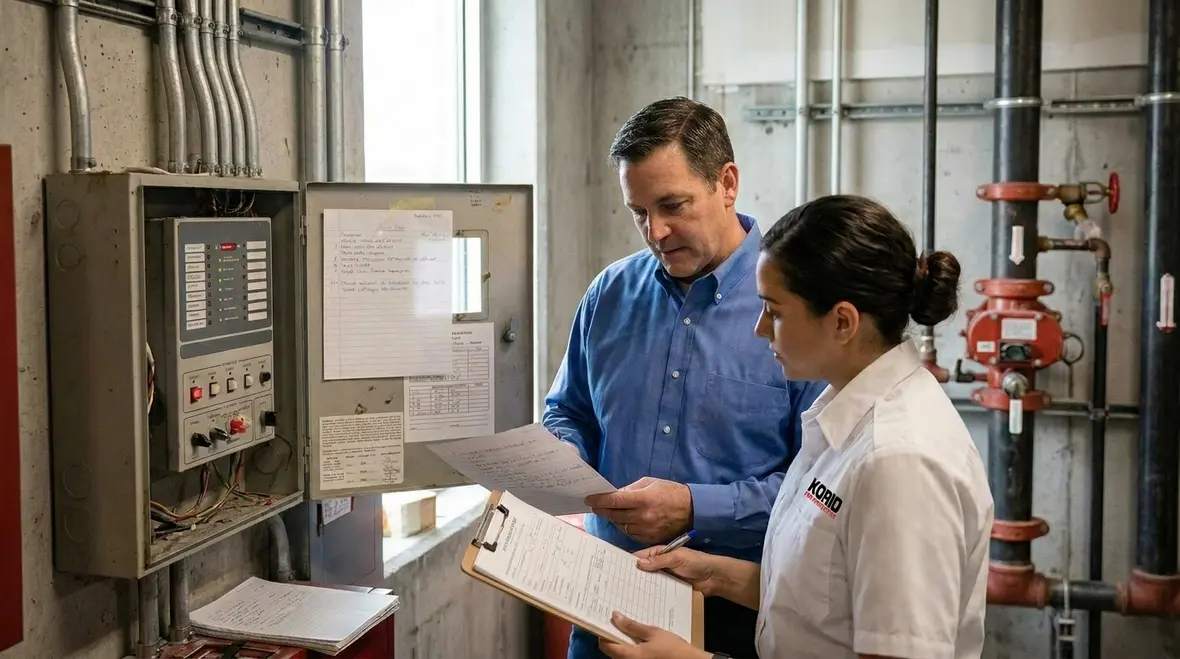
After inspections, building owners should not just file reports and hope for the best. Instead, they should review results and track trends over time. Kord Fire Protection recommends that owners keep notes on recurring issues, parts that require repeat attention, and any devices that show early signs of failure. That kind of tracking turns a one time check into real risk control.
Owners should also confirm that service includes more than quick visual checks. For example, technicians should verify pressures, test key components where allowed, check timers and monitoring connections, and confirm the system’s readiness. Then they should provide clear next steps so owners know what happens next and when. If you operate in Southern California, it also helps to compare your records against region specific expectations such as fire system inspection requirements in Los Angeles, especially when inspection history, testing intervals, and documentation all need to line up cleanly.
The documents worth keeping close
- Inspection reports with dates, findings, and technician notes
- Repair records showing what was fixed and when
- Recurring deficiency logs that reveal patterns over time
- Testing results for valves, alarms, controls, and pressure related checks
- Notes tied to renovations, tenant changes, or access problems
Common Failures That Surface Over Time
Fire suppression systems face everyday conditions that can wear them down. For instance, corrosion can form in older piping, and vibrations can loosen fittings. In some buildings, construction dust collects where it should not, and routine housekeeping can unintentionally affect access panels or control areas.
Here are a few failures that often show up as time passes.
- Clogged nozzles from dust or debris, which can reduce water flow where it matters
- Valve issues such as sticking or incorrect positions that block proper operation
- Pressure problems that affect discharge performance during an event
- Faulty detection inputs including sensor drift or communication errors
- Service interruptions when systems sit idle during renovations or tenant changes
When these issues surface early, owners can fix them without turning the whole building into a temporary construction zone. And yes, avoiding that is a big deal. Even the most patient property manager does not want to say, “We will get to it after the next alarm incident.” In many facilities, component specific checks such as fire suppression system solenoid testing and checks can reveal hidden problems before they pile up into a larger readiness issue.
Why small failures become big headaches
A single clog or stuck valve may sound minor on paper, but fire protection systems are not built on wishful thinking. They rely on every linked piece doing its job at the right moment. When one part falls behind, response speed, system coverage, and overall confidence can fall with it. That is why early correction matters so much. Nobody wants a chain reaction of delays, callbacks, and “while we are here, we also found this” conversations.
How Kord Fire Protection Fits Into a Real Maintenance Plan
Most owners do not need chaos. They need a stable schedule, clear documentation, and technicians who follow through. That is where Kord Fire Protection can become a vital partner. Instead of treating maintenance as a generic task, Kord helps align the service work with how the building actually operates. For example, if a facility has frequent tenant turnover, busy loading docks, or periodic renovations, then maintenance planning should reflect that reality.
Furthermore, Kord can support owners with documentation that helps during audits, insurance reviews, and internal safety meetings. Owners also benefit when service teams communicate in a way that makes sense. They explain what was checked, what needs attention, and how to reduce risk without flooding owners with jargon.
In other words, Kord aims to keep the system ready so the building stays calm. It is the difference between “we should probably handle that” and “we already did, and here is the proof.” That same practical tone carries through related guidance like fire suppression system design, types and maintenance, which helps owners understand that proper upkeep works best when it matches the actual system in the building, not a generic checklist copied from somewhere else.
Scheduling Fire Suppression Maintenance Around Building Life
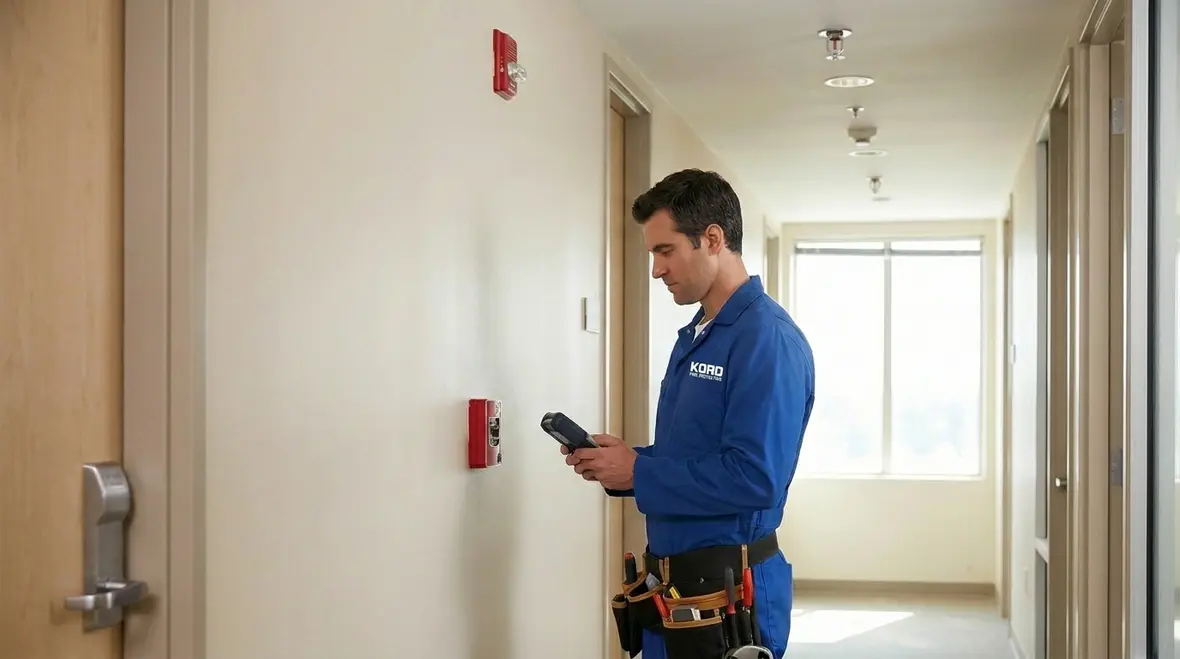
Scheduling matters because buildings do not pause just because inspection season arrives. So owners should plan service windows early, coordinate access, and avoid disrupting critical operations. Transitioning from monthly checks to annual tasks can be simple when a maintenance calendar clearly matches system requirements.
In addition, owners should plan ahead for seasonal changes. Winter conditions can affect pressure performance in some setups, and summer heat can affect electrical components. Also, if a facility changes tenants or expands, the system coverage may need review. Fire suppression maintenance works best when it stays linked to building changes, not separated from them.
When owners schedule smart, they reduce the chance that a “small issue” becomes a major system outage. And nobody wants a surprise downtime event that forces meetings with everyone except the person who booked the service. A more stable calendar also supports the broader idea behind the full lifecycle of fire protection, where maintenance is tied to real building conditions instead of treated like random paperwork that appears from a mysterious drawer once a year.
Staying Compliant Without Guesswork
Compliance does not need to feel like a mystery box. Building owners can stay on track when they understand what records matter and when service should occur. That includes keeping inspection logs, repair records, and test reports organized. Then, owners can show that the system gets proper care on schedule.
However, compliance also involves more than paperwork. If repairs are recommended, owners should treat them as safety work, not optional maintenance. Delaying fixes can create gaps in readiness, and gaps create risk. By working with a dependable team like Kord Fire Protection, owners can reduce guesswork and align service with best practices. It is a lot easier to walk into an audit, an insurance conversation, or an internal review when the records are current and the work is actually done, not merely discussed with great optimism.
FAQ
Call Kord Fire Protection to Build a Maintenance Plan That Stays Ready
Fire suppression maintenance should feel steady, not stressful. When owners set a clear schedule, track results, and act on repair recommendations, they keep risk lower and readiness higher. Kord Fire Protection helps building teams manage service with clear documentation, practical communication, and support that fits how the building runs.
If it has been too long since the last check, or if you are planning renovations and need coverage review, reach out through Kord Fire Protection’s full fire protection services today. You will sleep better, and your system will too. That is a pretty solid outcome for a maintenance plan.

Join Our Newsletter!
Get the latest fire safety tips delivered straight to your inbox From our Newsletter.