NFPA 1 Section 42.1 Refueling General Fire Safety Requirements
Quick Answer
NFPA 1 Section 42.1 sets the baseline for safe refueling by focusing on control, distance, ignition sources, spill prevention, and trained oversight. For industrial, retail, and commercial sites across Australia, these refueling general requirements help reduce fire risk, protect people, and keep operations moving without drama, smoke, or a very bad day.
For facilities that want a stronger fire protection foundation around higher risk work areas, fire protection compliance and readiness support can sit naturally alongside refueling planning. It helps connect site procedures, equipment access, and ongoing maintenance before a routine fuel transfer turns into a complicated incident report with everyone’s least favorite phrase: “we thought it was under control.”
Why NFPA 1 Section 42.1 Matters on Real Sites
NFPA 1 Section 42.1 matters because refueling looks simple until it is not. A hose, a tank, a spark, and suddenly the whole site has a problem no one invited. In the language of refueling general fire safety NFPA and the broader fueling operations fire code, the goal is plain: reduce ignition risk, manage fuel handling, and keep work areas controlled. For facilities across Australia, this section gives a practical framework that supports safer daily operations, whether the site handles plant equipment, fleet vehicles, generators, or heavy machinery.
What makes this section useful is that it does not ask sites to reinvent safety from scratch. It points attention to the things most likely to go wrong during refueling and pushes operators to deal with those hazards before fuel ever starts moving. That includes supervision, equipment condition, spacing, ignition control, and the ability to respond fast if a spill or vapor release develops. Fire safety has many talents, but appreciating improvisation is not one of them.
What NFPA 1 Section 42.1 Covers During Refueling
Control of the refueling area
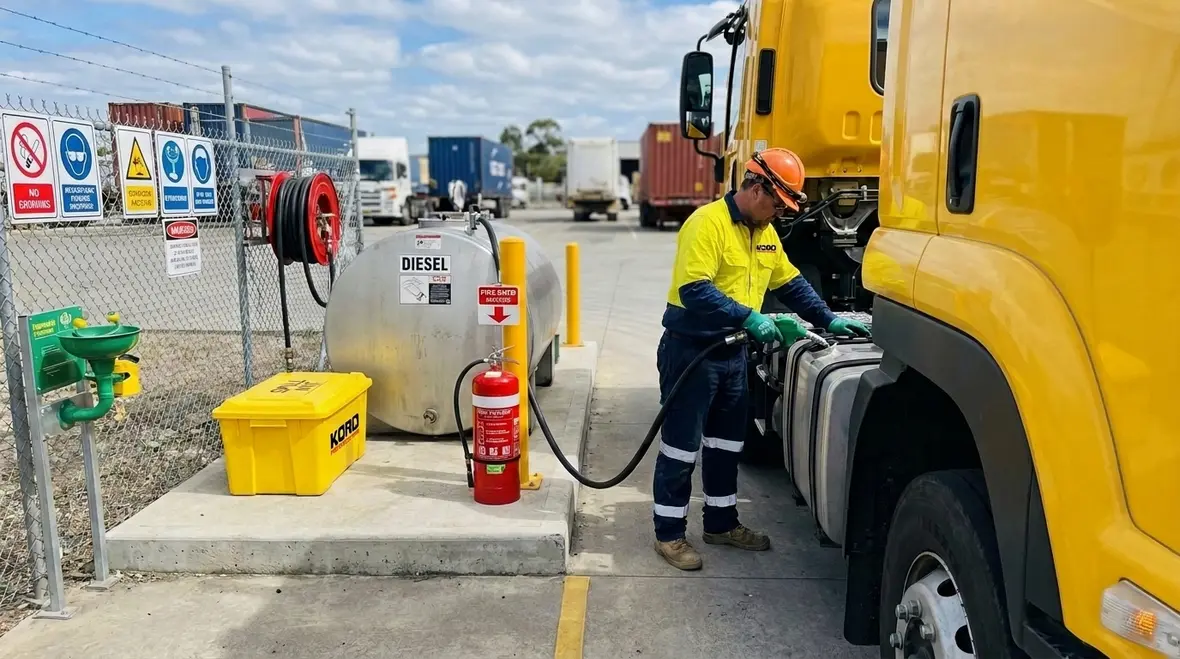
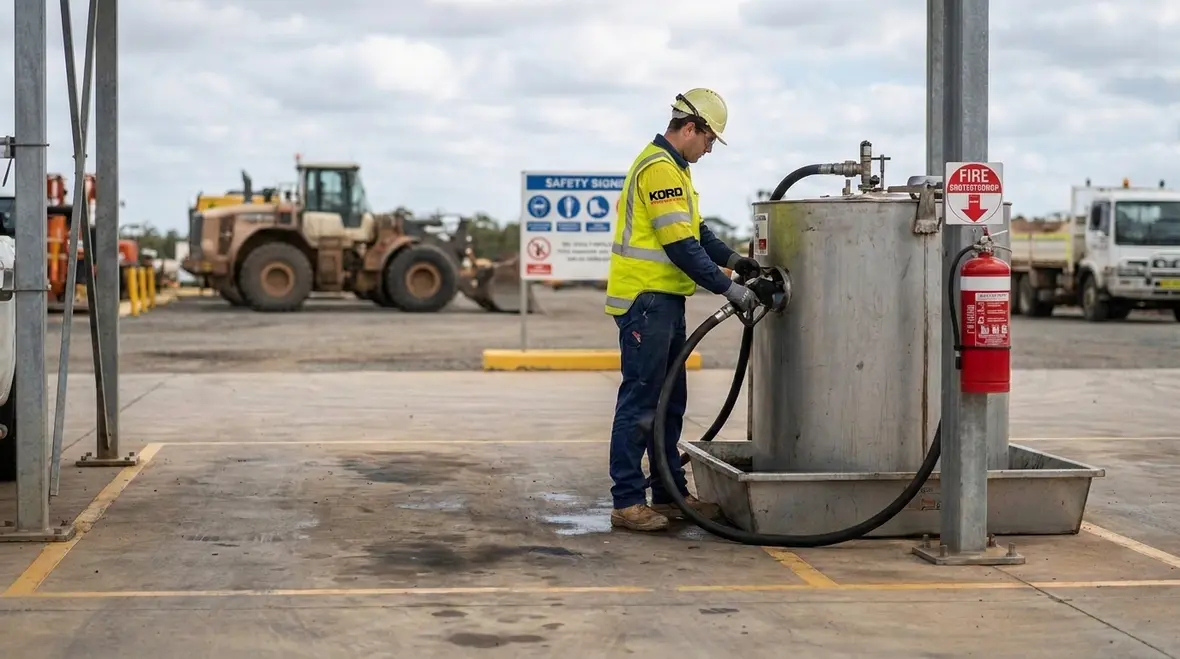
This section focuses on the basics that matter most during refueling. It expects sites to keep refueling areas under control, limit ignition sources, and make sure fuel transfer happens only under safe conditions. That means no loose shortcuts, no improvised setups, and no “it should be fine” energy. The area should be orderly, visible, and arranged so people can move, monitor, and respond without tripping over clutter or guessing where the shutoff lives.
Safe equipment and operator readiness
In practice, the refueling general requirements call for proper supervision, safe equipment, and clear procedures. Operators should know where the fuel comes from, how it moves, and what to do if a spill or leak occurs. In addition, sites should keep fire protection equipment ready and easy to reach. Good refueling practice does not rely on luck. It relies on systems, habits, and a crew that knows what normal looks like before something abnormal starts hissing on the ground.
Separation from ignition hazards
Fuel creates a vapor hazard long before anyone sees a flame. Therefore, safe refueling starts with separation from ignition sources such as open flame, smoking, hot surfaces, and electrical hazards. Static control also matters, especially in dry conditions or around transfer points where vapors can build up fast. That is why disciplined spacing and attention to equipment condition make such a difference. Vapors do not care whether the site was busy, behind schedule, or hoping for a quiet afternoon.
How Refueling General Requirements Reduce Fire Risk
Just as important, the fueling area should support quick response. Spill kits, extinguishers, and trained staff can stop a small issue from becoming a site shutdown. That matters in busy commercial and industrial operations, where one mistake can stall production, delay freight, or turn a normal Tuesday into a committee meeting with very bad coffee.
These controls reduce risk by removing uncertainty. When staff know the approved refueling point, understand who is authorized, and follow the same process every time, there is less chance of a rushed decision near an ignition source or damaged hose. When inspections happen routinely, minor faults get found before they become emergencies. When spill response gear is nearby, vapors and liquid spread are limited earlier. None of this is flashy. That is exactly the point. The best refueling safety program is the one that feels boring because it works.
Operational control
Clear fueling procedures
Ignition source control
Spill response readiness
Trained staff oversight
Equipment checks
Fire safety purpose
Reduces confusion and unsafe shortcuts
Helps prevent fire or flash ignition
Limits vapor spread and cleanup delays
Improves compliance and fast response
Helps find faults before they become hazards
Why Industrial and Commercial Sites Need a Better Fueling Program
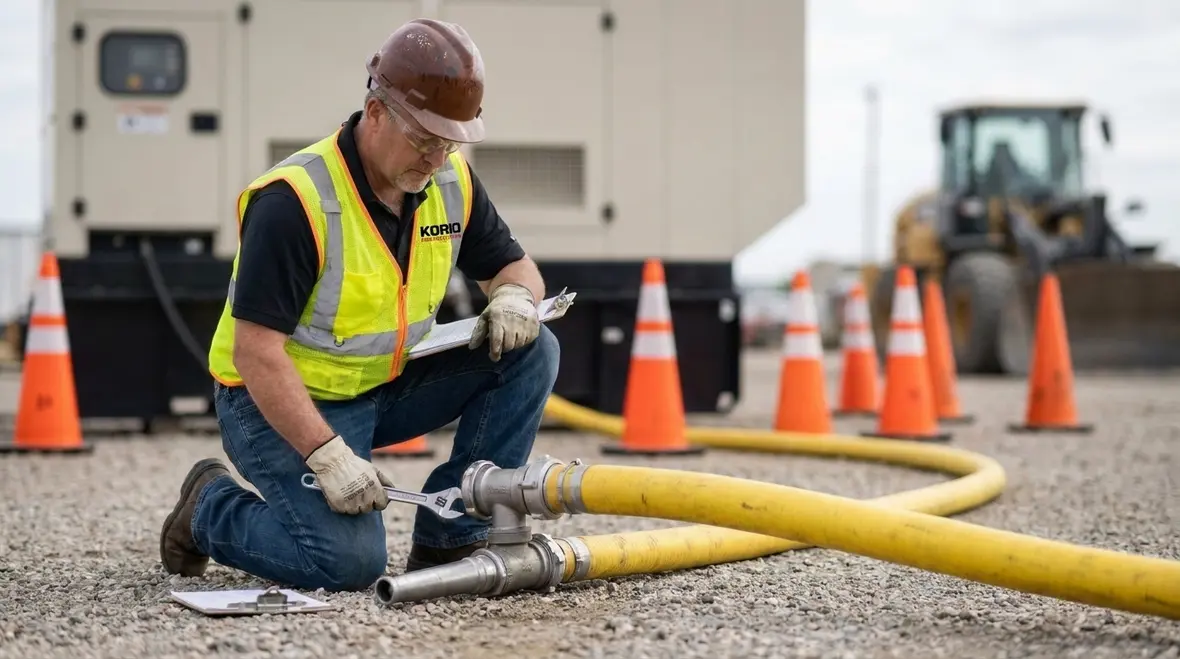
Industrial, retail, and commercial facilities in Australia often handle fuel in more than one area. A logistics yard may refuel forklifts. A retail support site may run backup generators. A manufacturing plant may manage on site fuel storage for equipment. Because of that, the refueling general requirements must fit real site activity, not just a policy binder on a shelf.
Sites need a program that matches traffic flow, vehicle movement, weather exposure, and local emergency access. For example, refueling near loading bays creates a different risk than refueling in a fenced equipment yard. Likewise, outdoor fuel points need attention to wind, heat, and drainage. The rule is simple enough: the more complex the site, the more disciplined the refueling controls must be.
A better fueling program also accounts for the human side of operations. Shift changes, contractor activity, delivery pressure, and changing work fronts all create opportunities for somebody to skip a step. Strong procedures help, but the setup itself should also guide the right behavior. Marked zones, visible extinguishers, accessible shutoffs, and clear lines of movement make it easier for people to do the right thing without needing a dramatic safety speech every ten minutes.
For broader code context, facilities can also review NFPA 1: A Comprehensive Guide to Fire Prevention and Safety. It helps place site-specific refueling controls inside the bigger picture of fire prevention, operational discipline, and readiness planning.
Where Kord Fire Protection Becomes a Vital Partner
Kord Fire Protection can become a vital partner by helping sites build refueling systems that support compliance and real world safety. That support can include fire risk reviews, equipment planning, inspection schedules, and practical advice for site teams. In other words, Kord Fire Protection helps turn a general code requirement into a working site process.
Reviewing refueling zones for fire hazards
Supporting extinguisher placement and access
Advising on fuel related fire protection planning
Helping teams align daily practice with the fueling operations fire code
Strengthening staff awareness through clear, site specific guidance
That kind of support matters because compliance is not just about avoiding trouble. It is about protecting people, assets, and uptime. And yes, uptime has a way of becoming everyone’s favorite word the moment a fuel fire risk appears. With the right partner, sites can move from reactive cleanup mode to a more controlled and inspectable standard that actually holds up when operations get busy.
What a Safe Refueling Setup Should Include
Layout and access
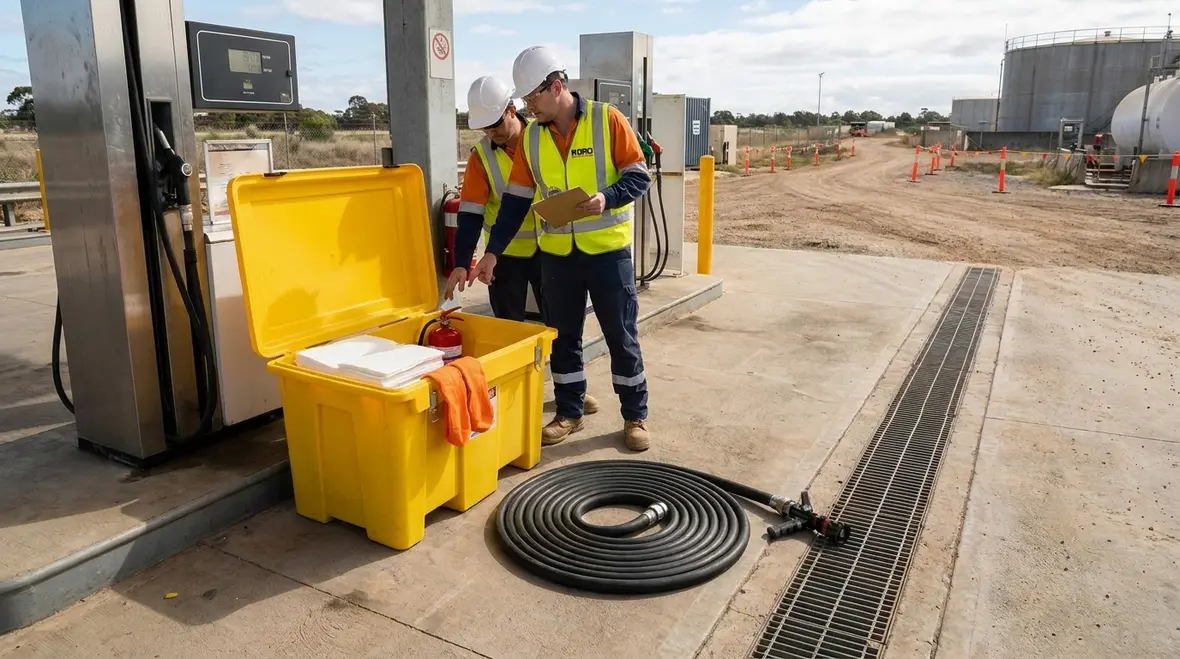
A safe setup starts with good layout. Fuel points should sit in a controlled area with enough space for safe movement and emergency access. The surface should help manage spills. The area should also stay free of clutter, trash, and unnecessary equipment that can feed a fire or block response.
Equipment condition and handling
Next, the site should use correct containers, approved hoses, and maintained transfer equipment. Staff should inspect leaks, wear, and damage before use. Also, training should cover shutoff steps, spill response, and reporting. A strong process does not slow work down. It keeps work from stopping altogether.
Readiness beyond the checklist
Safe refueling setups also benefit from a realistic view of what happens when something goes sideways. Can staff reach extinguishers fast? Is the isolation step obvious? Does the area allow responders to approach safely? Are drains, edges, or nearby equipment likely to make a small spill worse? These are not abstract planning questions. They are the difference between a nuisance cleanup and a serious incident with photos no one wants to explain later.
How to Build a Site Friendly Refueling Plan
A practical plan begins with a site review. Then the site should map fuel points, define who can refuel, and set clear steps for normal operations and emergencies. After that, the plan should include inspection logs, maintenance checks, and refresher training.
Facilities across Australia benefit from a plan that stays simple enough for staff to follow and detailed enough to hold up under pressure. That balance is the sweet spot. Too vague, and people guess. Too rigid, and people ignore it. Neither result helps anyone.
The best site friendly plan usually includes a few practical pieces: defined refueling times where needed, approval rules for portable containers, a housekeeping standard for the area, emergency contact steps, and a review cycle so the plan changes when site conditions change. A yard expansion, new equipment type, or altered traffic route can quietly create new hazards around fuel handling. If the plan never changes, the risk usually does.
It also helps to train with the same language used in the procedure. If staff hear one set of terms in induction, another during toolbox talks, and a third in written instructions, confusion sneaks in. Clear language improves response speed, especially when an operator needs to stop refueling, isolate an issue, and call for help without turning the moment into a group debate.
FAQ
Conclusion
NFPA 1 Section 42.1 gives facilities a clear path to safer refueling. When sites treat the refueling general fire safety NFPA guidance as part of daily operations, they lower risk and protect business continuity. For Australia’s industrial and commercial sectors, Kord Fire Protection can help make that process practical, reliable, and ready for the real world.
A safer fuel area starts with the right partner, the right process, and a setup that works when conditions are less than perfect. Refueling may be routine, but the hazards are not casual. Strong controls, trained people, and consistent oversight keep the operation steady and help everyone avoid the smoke, chaos, and deeply unnecessary paperwork.

Join Our Newsletter!
Get the latest fire safety tips delivered straight to your inbox From our Newsletter.