NFPA 1 Section 40 17 Dust Explosion Management Review
Quick Answer
A dust explosion management review under NFPA 1 Section 40.17 helps facilities identify dust risks, test controls, and close dangerous gaps before a fire or explosion starts. For industrial and commercial sites, Kord Fire Protection can support this process with practical reviews, clear reporting, and safer dust control planning. If your site also needs broader hazard system support, Kord’s fire suppression system services fit naturally into the bigger picture once review findings start turning into action.
What NFPA 1 Section 40.17 Means for Dust Safety
NFPA 1 Section 40.17 focuses on dust explosion management review, and that matters because combustible dust does not wait politely in the corner. It builds up, spreads, and turns routine work into a serious risk. A strong dust explosion management review NFPA process looks at where dust forms, how it moves, and what protection measures already exist. It also creates a more disciplined way to review housekeeping, equipment placement, collection points, ignition risks, and emergency planning before a small issue graduates into a large and expensive one.
For industrial, retail, commercial, and facilities teams, this review helps set a clear line between safe operations and costly surprises. It supports better housekeeping, safer equipment use, and stronger emergency planning. In practice, it also gives management a clear picture of where action is needed now, not later when the smoke alarm has already joined the conversation. That kind of clarity matters because dust hazards are often sneaky. They do not always arrive with obvious drama. More often, they settle quietly in overhead spaces, around conveyors, inside ducting, and on structural surfaces until the right ignition source gives them their big moment.
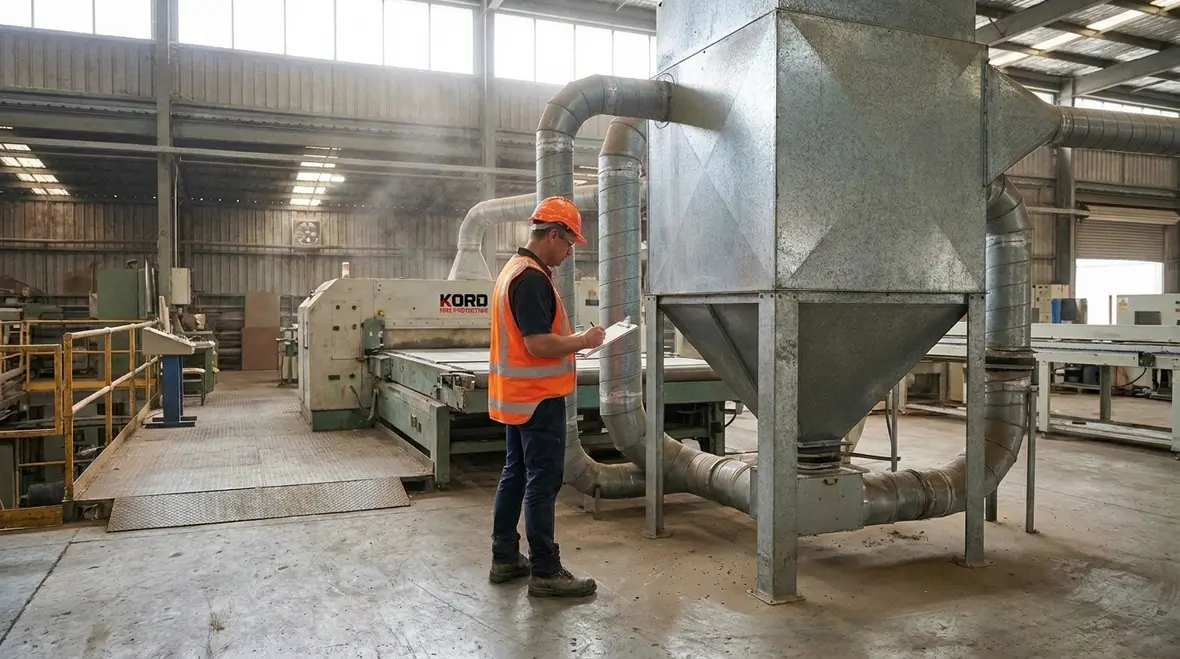
Why the section matters in day to day operations
A useful review is not about impressing anyone with thick reports and dramatic terminology. It is about understanding whether the actual site conditions support safe operation. Facilities that generate dust through grinding, cutting, packaging, mixing, conveying, or storage need to know where the material travels, where it escapes, and where it can accumulate. When the review is done well, leaders can see which areas need better capture, which procedures need sharper follow through, and which controls may look fine on paper but struggle in real life.
Why Facilities Need a Combustible Dust Review
A combustible dust systems review checks the full path of dust from creation to cleanup. This includes production points, bag filters, ducting, storage, transfer areas, and hidden ledges where dust likes to settle like a bad sequel that no one asked for. By tracing the whole route, the review helps teams understand whether dust is being captured effectively or simply relocated to the next inconvenient place.
Because dust hazards often grow slowly, teams may miss the risk until a small spark creates a major event. A dust hazard management audit helps stop that cycle. It shows where dust layers exceed safe levels, where ignition sources can enter, and where controls may fail under real conditions. It also highlights how weak inspection routines, delayed maintenance, or poor housekeeping can combine into a much bigger problem than any one issue would suggest on its own.
For busy sites, this review also helps improve maintenance planning and strengthen operational discipline. More importantly, it protects workers, assets, and business continuity. One small oversight in a grain site, warehouse, manufacturing line, or processing facility can trigger a chain reaction. That is why this work deserves steady attention, not a quick glance and a hopeful nod. It is also why broader fire planning should connect with code knowledge, including Kord Fire Protection’s guide to NFPA 1 fire prevention and safety requirements, so teams can place dust controls inside a wider compliance strategy.
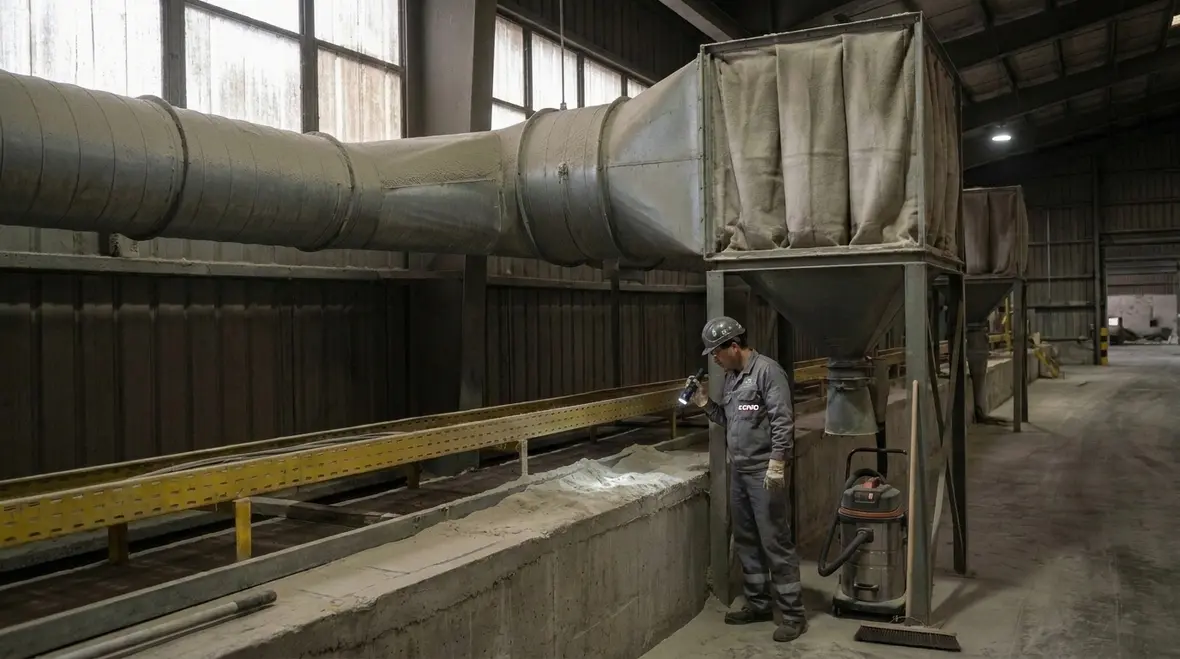
Common places where dust risk hides
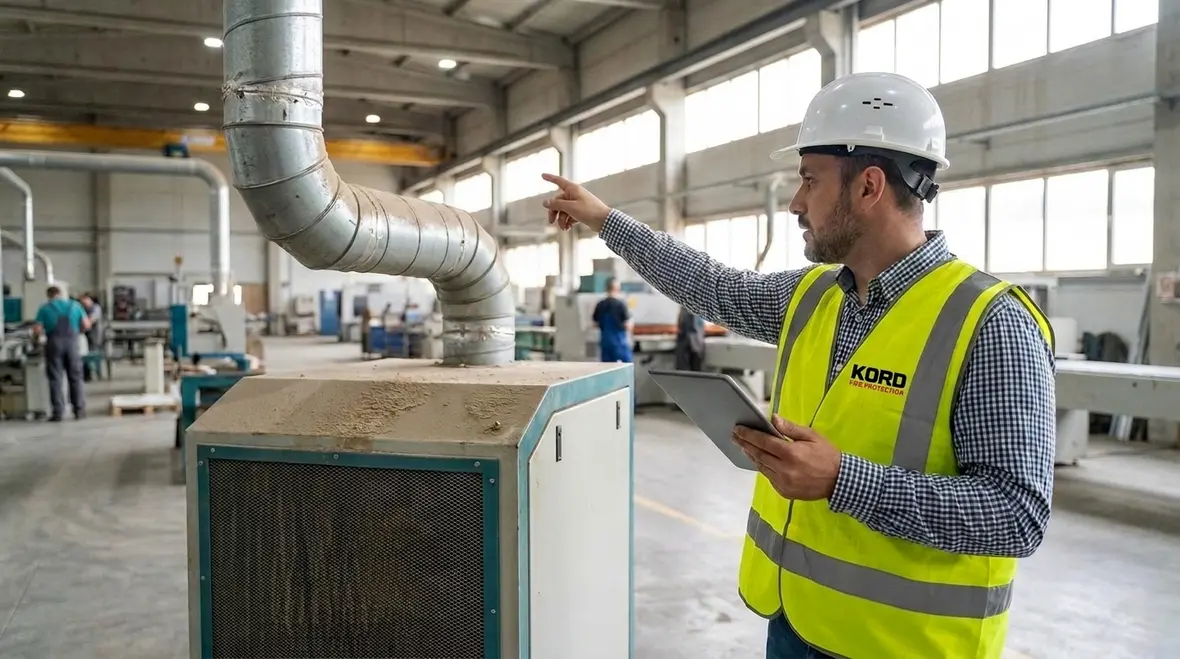
Some of the most serious dust issues live in places nobody checks often enough. High beams, suspended cable trays, lighting mounts, ceiling voids, extraction housings, and transfer points can all collect fine particles over time. The danger is not just the visible mess. The danger is the combination of fuel, air, confinement, and ignition. A review brings those conditions into plain view and makes it much harder for a facility to be surprised later.
How the Review Process Works on Site
A solid review follows a practical, step by step path. First, the site team gathers process details, drawings, and maintenance records. Then the review team walks the facility and checks dust generation points, containment systems, housekeeping practices, and ignition controls. After that, the findings are compared against the expected risk level for the site. This approach helps turn scattered observations into a structured understanding of what is happening and what needs to improve.
The review should also look at emergency response readiness. If dust ignites, staff need fast and simple actions. Therefore, the report must be easy to follow and tied to the actual layout of the building, not a generic template that could belong to almost any site on earth. Good reporting identifies practical priorities, separates urgent actions from longer term upgrades, and gives management a usable plan instead of a pile of observations with no clear next step.
When Kord Fire Protection supports this service, the process becomes more useful for the client. Their team can help turn findings into action items, recommend suitable fire protection steps, and coordinate with site managers who already have enough on their plate. That kind of support turns a review from a paper exercise into a workable safety plan. It also helps align the review with other building systems, so the response to a dust hazard is not isolated from the rest of the site’s protection strategy.
What the site walk should examine closely
- Dust generation points and how material escapes during normal work
- Collection systems, filters, extraction paths, and signs of leakage
- Transfer points, bins, silos, packaging lines, and storage zones
- Housekeeping standards, cleaning methods, and access to hidden spaces
- Electrical gear, hot surfaces, friction points, and other ignition sources
- Training, maintenance records, inspection routines, and emergency readiness
Dual Column View: Key Areas and What They Reveal
Risk Area
Dust collection systems can trap fine particles and spread them through ductwork if not managed well.
Transfer points often release dust into open spaces, which increases buildup on surfaces.
Hidden ledges, beams, and cable trays collect dust that cleaning teams may miss.
Ignition sources such as heat, friction, or faulty electrical gear can turn dust into an active hazard.
What the Review Shows
It shows where dust control needs better capture or filtration.
It shows where housekeeping must improve to keep layers below dangerous levels.
It shows where inspection routines need tighter focus.
It shows where fire protection systems or isolation steps may need upgrades.

How Kord Fire Protection Adds Real Value
Kord Fire Protection can become a vital partner because dust safety needs more than advice. It needs action. A review may identify exposure, but the right partner helps shape the response. That can include fire risk advice, system checks, compliance support, and guidance that fits the site’s daily work. The biggest win is not just identifying what is wrong. It is building a response that people can actually carry out without disrupting the entire operation.
This matters even more because operations vary widely across sectors. A retail distribution center, a grain handling site, and a light manufacturing plant do not face the same dust profile. However, they all need clear controls, and they all benefit from a partner that understands both fire protection and practical implementation. Kord Fire Protection’s broader service structure is useful here because dust related findings often connect to suppression readiness, inspections, maintenance planning, and equipment upgrades that need to work together instead of competing for attention.
Kord Fire Protection can help clients move from findings to fixes. That means working with site leaders, maintenance crews, and contractors so the final plan is realistic. After all, a safety recommendation that nobody can use is just a fancy paperweight. A practical partner can also help sequence the work, which is often the difference between a plan that gets funded and a plan that gets parked until somebody remembers it during the next near miss.
Turning findings into practical improvements
Once risks are identified, the next step is making decisions in the right order. Some improvements may be simple, such as changing cleaning frequency or closing inspection gaps. Others may involve adjusting collection points, isolating ignition risks, changing work practices, or planning system upgrades. A good review helps management understand what should happen first, what can be phased, and what absolutely should not wait for next quarter.
What Good Dust Hazard Management Audit Results Look Like
A strong dust hazard management audit should not end with vague advice. It should give the site a clear list of priorities. First, it should identify the main dust hazards. Then it should rank the risks, explain the likely ignition sources, and show where controls are weak or missing. The result should feel less like a lecture and more like a working map for safer operations.
Next, the audit should support corrective action. That may include better cleaning schedules, improved dust capture, safer equipment placement, staff training, or upgrades to fire protection systems. In some cases, it may also point to the need for regular follow up reviews so the site stays in step with changing operations. This is especially important for facilities where production lines, materials, staffing levels, or layouts change over time, because dust risk changes with them whether anyone files the memo or not.
Because audits work best when they lead to action, management should treat the results as a working plan, not a shelf document. Otherwise, the dust will remain on site, quietly plotting its next scene like a villain in a streaming series. If the review creates visibility, the follow through creates safety. One without the other is incomplete.
FAQ
Move From Review to Real Protection
Dust risk does not fade on its own, and neither should the safety plan. NFPA 1 Section 40.17 offers a strong path toward safer operations. Kord Fire Protection can help turn that path into practical action, with clear support that protects people, property, and production. Now is the time to review the risk, close the gaps, and keep the site ready.
The most valuable review is the one that leads to visible change: cleaner surfaces, stronger controls, better maintenance habits, sharper reporting, and fewer assumptions. That is how a facility moves from reacting to risk toward managing it properly, with less guesswork and a lot more confidence.

Join Our Newsletter!
Get the latest fire safety tips delivered straight to your inbox From our Newsletter.