

Fire Suppression System Impairments: What Owners Must Do
Fire suppression system impairments can turn a life saving setup into a well behaved but powerless spectator. In other words, a system can look fine on the outside and still fail when it matters. That is why fire suppression impairment issues deserve attention from the start, not after a problem shows up on a report. This article explains what owners should watch for, how impairments happen, and what to do next. It also highlights how Kord Fire Protection can become a vital partner, helping keep inspections on track, repairs fast, and risk low, even when everyone is busy and time feels like it has vanished.
Understanding fire suppression system impairments
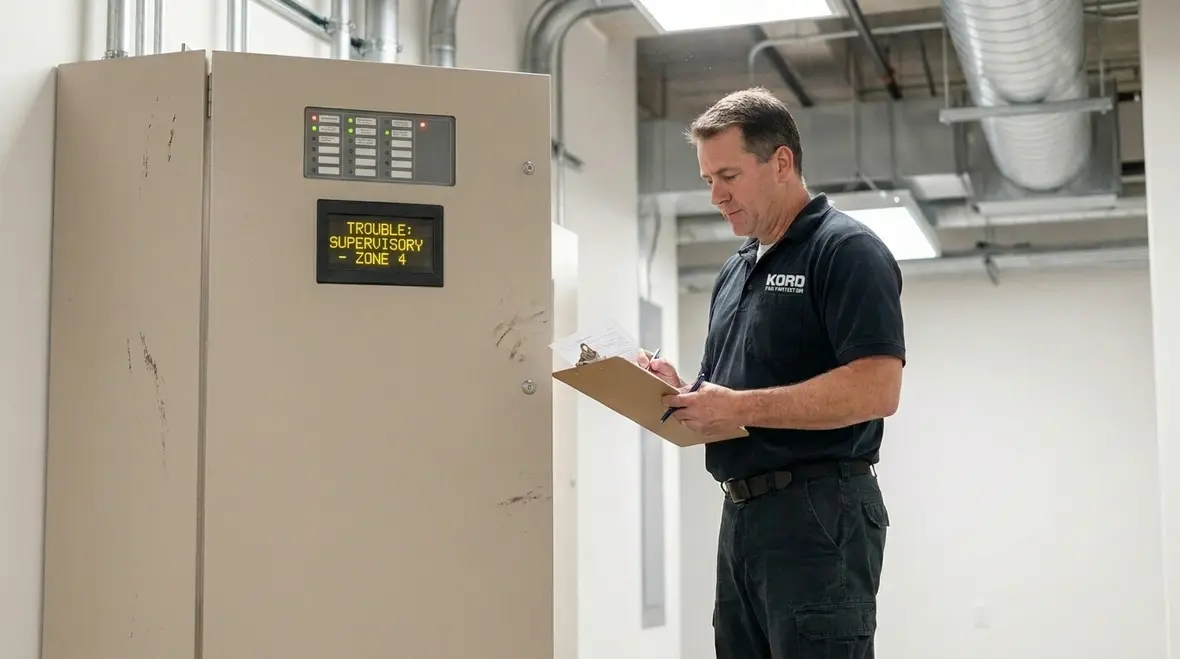
Owners often assume an impairment means a big obvious failure, like a broken pipe or a loud alarm. However, impairments can be subtle. For example, valves might not fully seat, detectors can drift out of tolerance, or a control panel may stay in a supervisory mode longer than it should. As a result, the system may still function in some ways, but it will not perform the way the design intended during an actual fire event.
Additionally, impairments can happen from routine work. Contractors might isolate a zone to make repairs, then leave it that way. Someone might replace a component and forget to update programming or device labeling. Then the system becomes “impaired” even if nobody thinks of it as broken. Like a light on a dashboard, it signals trouble before the engine quits.
Small signals that point to bigger trouble
That quiet category of issues is what makes impairments so tricky. A device that seems only a little off, or a panel that keeps showing the same trouble condition, may be giving the building team a polite warning before an expensive lesson arrives. Owners who pay attention to those early clues usually spend less time scrambling later.
Common causes that lead to system impairment
To manage risk, owners need to know what typically causes impairments. Below are the most frequent issues, explained in plain language.
- Maintenance and testing gaps: Missed schedules, delayed testing, or incomplete functional checks can allow small faults to build up into larger ones.
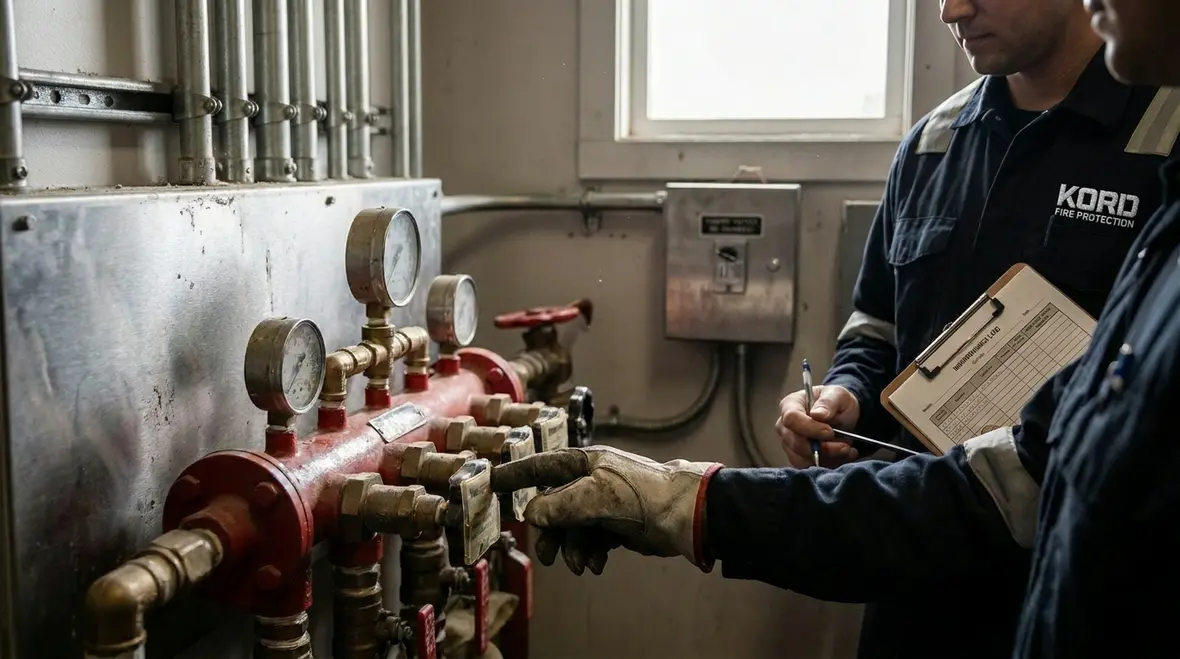
- Valve position and tamper conditions: A valve left partly closed, or a tamper switch triggered, can hold the system in an impaired state.
- Device issues: Dirt, corrosion, and aging sensors can reduce performance. Even minor misalignment can matter.
- Control panel communication errors: Signals may fail to reach the panel, or the panel may log trouble without escalating it correctly.
- Recent construction or tenant changes: New ceilings, changed storage layouts, or added equipment can affect coverage and detection.
In many buildings, these causes show up together. Therefore, owners should treat impairments as a system wide conversation, not a one off “fix and forget” task.
When one issue invites three more
A missed inspection can hide a valve problem. A valve problem can confuse staff. Confused staff can delay repair coordination. That is how a minor condition grows legs and starts jogging through the whole facility. The smartest move is to catch the first issue before it recruits friends.
Why impairments matter for life safety and compliance
When a suppression system has an impairment, life safety drops. Smoke, heat, or flames may reach areas faster than the system can respond. Consequently, fire growth can accelerate before the system acts, which raises the chance of injury, property loss, and business downtime.
Next, owners face compliance pressure. Many jurisdictions and insurance partners expect impairment management, timely corrective action, and proper documentation. If owners ignore repeated impairments, then regulators and insurers can view the building as a higher risk. And nobody enjoys a higher risk conversation, especially when the budget already feels like it has been through a fire drill.
Finally, impairments can impact incident investigations. If a fire occurs, the history of impairments and corrective actions matters. Clear records help show good faith and a real plan.
Documentation is not glamorous, but it is powerful
Incident reviews rarely reward fuzzy memory. Good records show when the problem started, what was done, and whether testing confirmed the fix. That kind of paper trail may not win any design awards, but it does help owners prove they acted responsibly instead of crossing fingers and hoping for the best.
How owners can spot impairment early and track it
Early detection reduces chaos. Owners should focus on practical signals and repeatable habits.
- Review alarm and trouble logs: Instead of waiting for the annual visit, track impairment related events as they appear.
- Set internal notification rules: Ensure facility teams and leadership hear about impairments quickly, not days later.
- Confirm isolation permits: When work isolates a zone, verify the plan includes restoration steps and a clear sign off.
- Maintain device labeling: Wrong labels create slow responses. If someone cannot find the affected area, the repair gets delayed.
- Run quick walk downs: Visual checks around tanks, pump rooms, valve areas, and detection points can catch obvious changes.
To keep things organized, owners can use a simple tracking sheet or a maintenance system. Then, each impairment gets a cause, an action, and a date. That way, progress shows up on paper, not just in memory.
A practical approach also makes handoffs easier. If one manager is out, another person can review the file and know exactly what happened. That matters in real buildings, where responsibilities bounce around and everybody seems to be handling twelve things before lunch.
Fixing impairments fast without cutting corners
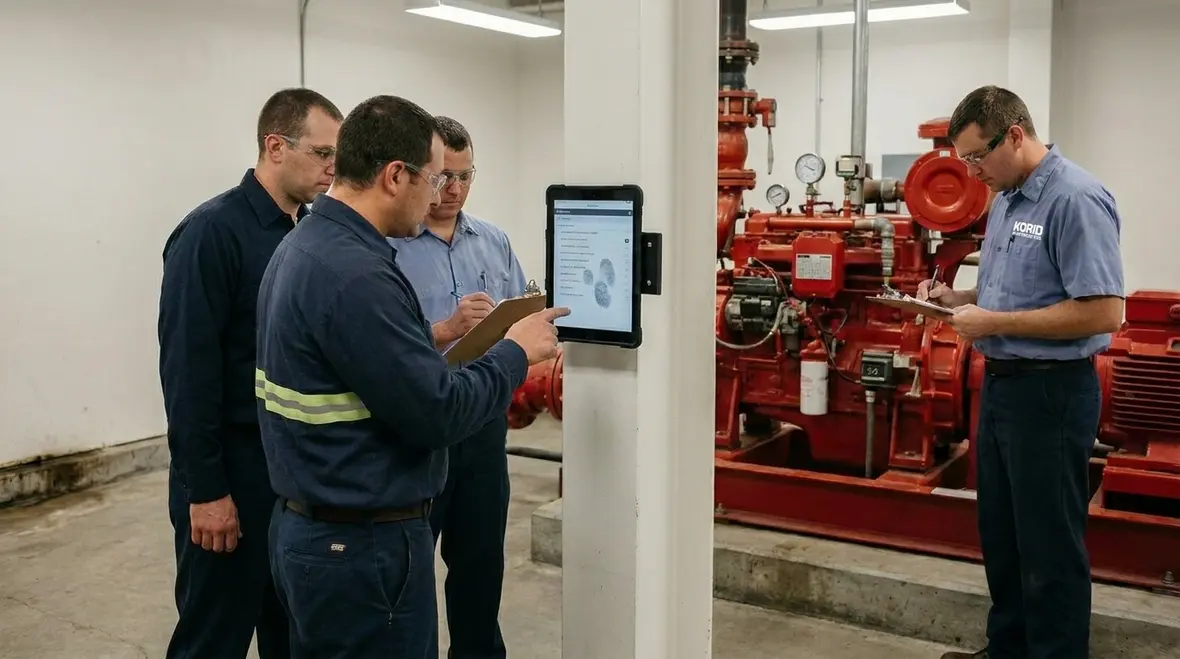
Once an impairment appears, owners should act in a way that is both fast and correct. First, the response team should confirm the scope. Is it one device, one zone, or the whole system? Then they should verify what the impairment prevents. Some issues may only delay response. Others may stop discharge or detection entirely.
After that, owners should choose repairs that match the risk. For instance, a valve problem tied to the system’s ability to flow needs priority over a cosmetic display issue. Also, rushed work can create new problems. So, the owner should push for proper testing after any fix, and not simply assume the system is ready because the trouble cleared.
Where approvals and access are needed, owners should coordinate early with their vendors. Then repairs happen with fewer delays. Think of it like scheduling a dentist appointment. If a person calls too late, they end up with a “maybe next week” problem. In fire systems, “maybe” is not a great plan.
Verification testing closes the loop
The difference between “we repaired it” and “we know it works” is testing. Owners should expect post repair verification that confirms signals, devices, valves, or releasing components perform as intended. Anything less is just optimism wearing a hard hat.
Why Kord Fire Protection can be a vital partner
Kord Fire Protection can support owners before problems become emergencies. When impairment reports start to stack up, owners need more than a last minute patch. They need consistent inspections, clear impairment management, and documented follow through.
Here is how a strong partner typically adds value
- Structured impairment documentation: Kord helps track issues with enough detail for quick decision making, including what failed and what action will restore readiness.
- Priority based repair planning: Instead of treating every item like it has the same weight, Kord can help align corrective actions with risk and system impact.
- Repeatable inspection routines: Kord can help keep recurring tasks on schedule so impairments do not return in cycles.
- Clear communication to stakeholders: Owners get plain updates, not vague notes that sound like they were written during a power outage.
As a result, owners move from reactive to proactive. And when the next inspection or insurance review arrives, they show a system that is managed, tested, and ready.
For owners building a more formal response process, Kord’s Fire Protection Impairment Management Guide is a useful companion resource, especially for teams that want a clearer path when sprinklers or alarms are reduced or out of service. It pairs well with internal tracking habits and helps turn panic into procedure.
Owners dealing with broader readiness issues may also benefit from Kord’s article on Fire Suppression System Design, Types and Maintenance, which reinforces the bigger picture behind keeping suppression equipment inspection ready year round.
Fire suppression impairment FAQ for featured snippets
Conclusion and next step with Kord
Fire suppression system impairments do not announce themselves with trumpets. They show up as trouble logs, supervisory states, and “small” issues that quietly raise risk. Therefore, owners should treat impairments as urgent, track them with discipline, and fix them with proper testing.
If the building team needs steady support, Kord Fire Protection can help manage the full impairment cycle from documentation to repair verification. Reach out through Kord’s Full Fire Protection Services page to keep your system ready when it matters most.

Join Our Newsletter!
Get the latest fire safety tips delivered straight to your inbox From our Newsletter.



