Fire Suppression System Impairment: Action Plan
Fire suppression system impairments can quietly turn a “protected” facility into a “please don’t let this be the day” facility. In the first moments of a fire, a small fault can mean a delayed response, less effective discharge, or a system that fails to perform when it matters most. That is why owners should treat fire suppression impairment as an operational risk, not a box to check during a yearly inspection.
Fortunately, companies like Kord Fire Protection can become a vital partner when owners face inspection findings, service schedules, or recurring trouble signals. Because while no one wakes up excited to talk about valves and detection lines, a calm plan beats a frantic response. And honestly, a fire system that works as designed is the only kind of “surprise party” nobody regrets.
What counts as a fire suppression impairment?
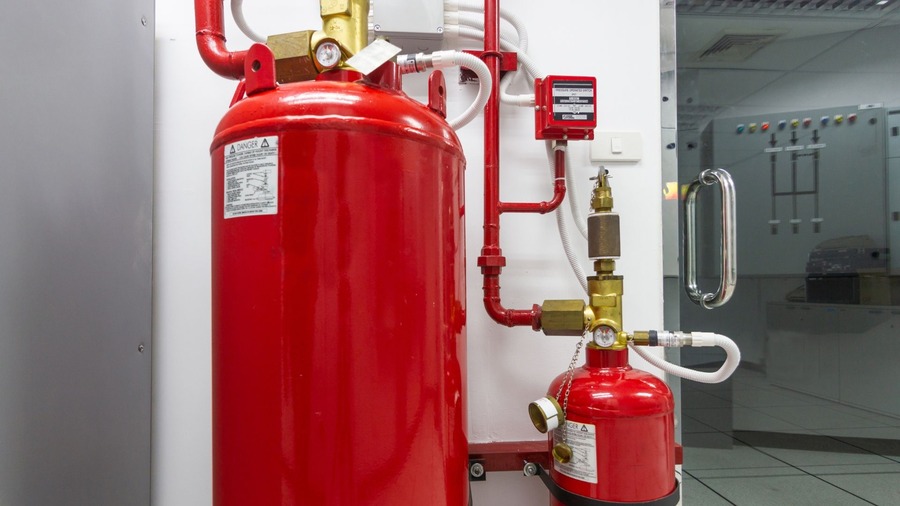
Owners often think an impairment only happens when the system is completely shut down. In reality, fire suppression system impairments include a range of conditions that reduce reliability. For example, a system may still look intact, yet it could be impaired by issues like:
- Discharged or partially discharged components that were not fully restored to service
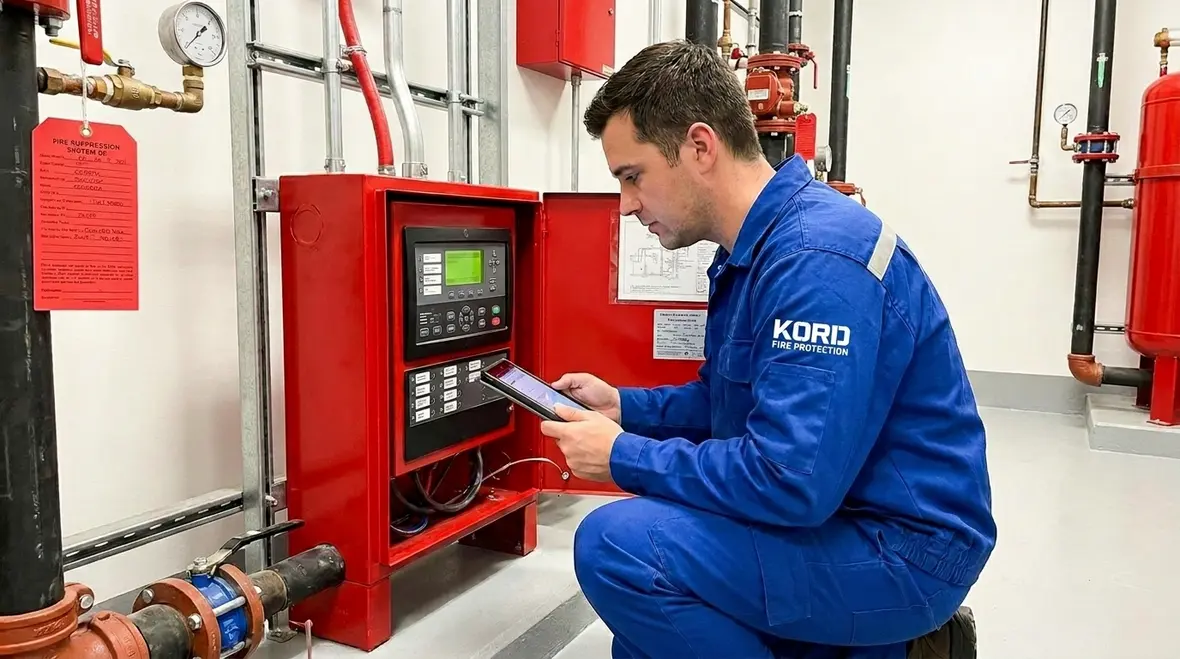
- Faults in detection devices, alarm interfaces, or control panels
- Supervisory trouble signals that remain unresolved
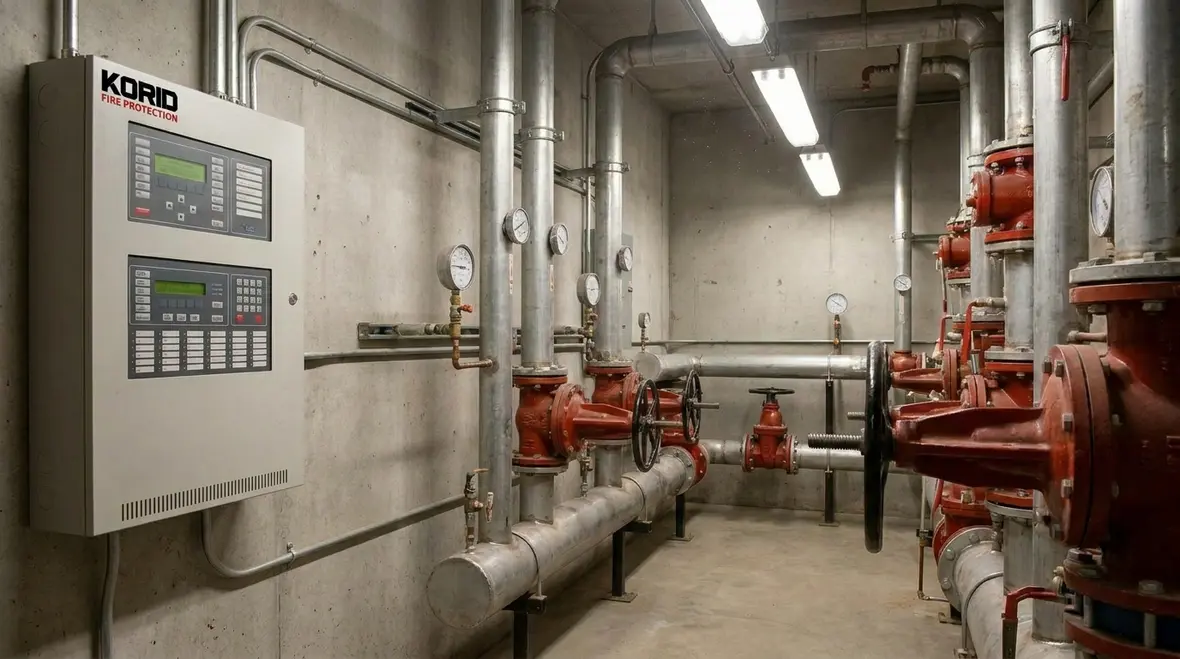
- Pressure readings outside allowed limits for the type of system
- Valves stuck in the wrong position or not fully supervised
- Blocked or obstructed piping, nozzles, or agent distribution paths
Additionally, impairment can occur when changes happen to a building without updating the system. A new rack layout, sealed-off sections, added storage, or altered ceiling height can all affect how suppression and detection behave. Therefore, owners should link impairment management to facility changes, not just inspection days.
Why “mostly working” is not good enough
A suppression system does not earn points for trying. It either performs under real conditions or it does not. That is why even minor faults deserve attention. A small issue in supervision, a missed restoration step, or an unnoticed obstruction can quietly chip away at performance until the day everyone wishes it had been handled sooner.
Why impairments show up after inspections
Inspections often uncover impairments because they look for performance, not optimism. Inspectors may find issues that existed for weeks or months, yet they only become obvious during structured testing and documentation review. Moreover, systems experience wear even when buildings run smoothly.
Here are common drivers behind recurring findings:
- Human workflow during repairs that leaves system labels, control logic, or isolation devices incomplete
- Delayed follow up after a minor trouble signal appears, allowing it to grow into a bigger reliability concern
- Environmental effects like moisture, dust, corrosion, and vibration
- System aging where parts drift out of tolerance over time
- Administrative gaps where maintenance records do not match the current configuration
And let us be honest, paperwork can be as confusing as a streaming service menu. Still, accurate records matter because they tell the truth about history, service, and system readiness.
How impairments affect real fire performance
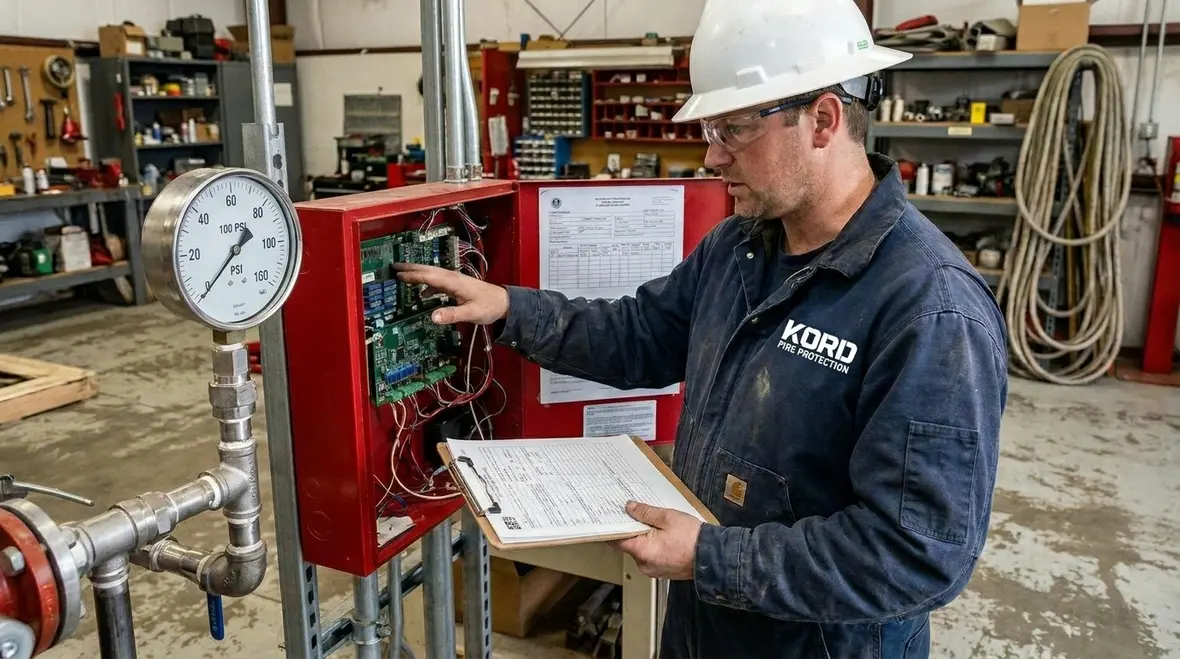
Suppression systems rely on timing, distribution, and correct activation. When an impairment exists, one weak link can impact the whole chain. For example, a detection issue may delay activation. A valve impairment can prevent agent flow. In some cases, a compromised distribution path can limit coverage, leaving certain areas less protected.
In addition, many owners only consider the suppression part, while the system also depends on alarms, monitoring, and power. If the system fails to report to monitoring properly, responders may arrive with incomplete information. As a result, even a system that discharges successfully may not lead to the best outcome if command and coordination suffer.
Therefore, owners should evaluate impairments as risk to function, not simply as a code citation. The goal stays the same: a system that activates correctly and delivers suppression where it is needed.
The hidden cost of waiting
Waiting on an impairment rarely makes it cheaper, simpler, or less disruptive. What starts as a manageable correction can turn into emergency scheduling, more downtime, and a much longer explanation to everyone asking why the problem was still there. In fire protection, procrastination is not a maintenance strategy. It is just a fancier way to say “we rolled the dice.”
What owners should do immediately when an impairment is found
When a fire suppression impairment is identified, owners should respond quickly and methodically. First, they should confirm the exact impairment details in writing, including affected zones, components, and any safety recommendations made by the inspector.
Next, owners should ask for a clear action plan that covers both the near term and the long term. A strong response typically includes:
- Verification of the current status and functional impact
- Root cause assessment, not just “replace the part”
- Corrective work scope with realistic timelines
- Interim safety measures if the system cannot return to service right away
- Update of documentation, labeling, and test records
Then, owners should track recurring items. If the same impairment appears repeatedly, it usually signals a deeper cause, such as poor maintenance timing, inadequate commissioning after renovations, or component selection that does not match the environment.
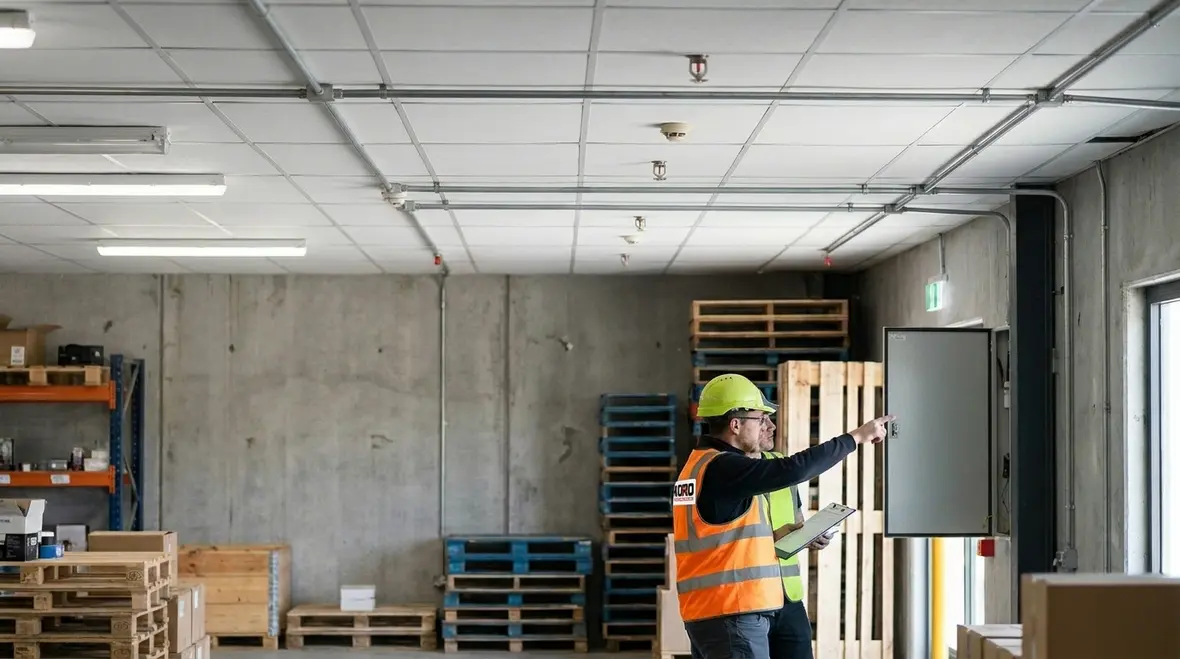
A practical place to start is with a structured process like Kord Fire Protection’s fire protection impairment management guide, which reinforces the need to identify scope, notify key parties, apply temporary safety measures, and document restoration clearly.
Building a reliable maintenance plan that prevents repeats
To keep systems dependable, owners should build a maintenance plan tied to the building’s realities. That means schedules based on system type, occupancy, and local conditions. It also means keeping maintenance aligned with changes inside the facility.
A practical approach includes:
- Routine inspections that match the manufacturer and code requirements
- Clear responsibility for monitoring supervisory signals and trouble reports
- Seasonal checks for corrosion, moisture, and dust exposure
- Control panel review to ensure software and device configurations remain current
- Commissioning checks after any renovation or layout change
At the same time, owners should focus on communication. When maintenance techs coordinate with facilities teams, impairments become less mysterious. And that is where Kord Fire Protection can add real value. They can help owners manage service calendars, address impairments with documented corrective action, and keep records audit-ready. In other words, they help the system stay “boringly reliable,” which is the highest compliment a fire protection plan can earn.
Owners who want a broader framework can also review Kord Fire Protection’s full lifecycle of fire protection explained, which connects inspection, maintenance, repair, and replacement into one long-term readiness strategy.
Choosing the right partner for impairment work
Not every service provider handles impairments the same way. Owners should look for a partner that understands both technical repairs and the administrative side of readiness. After all, a solution that fixes the device but leaves the documentation wrong can still create a compliance and operational headache later.
To select wisely, owners should evaluate how the provider works through the impairment lifecycle. Below is a simple dual-column way to think about it:
When a partner like Kord Fire Protection becomes involved early, owners often reduce delays and confusion. Meanwhile, the facility team can keep running, because the repair plan has a timeline, roles, and clear outcomes. Nobody wants fire protection work to feel like a scavenger hunt. The right partner eliminates that feeling.
If system issues overlap with alarm communication, signal integrity, or panel troubles, Kord Fire Protection’s fire alarm inspection and testing for commercial buildings article is another useful internal reference for owners trying to connect device-level problems to larger system readiness.
FAQ
Wrapping it up with a clear next step
Fire suppression system impairments deserve an owner’s attention now, not later. When a system underperforms, the building’s safety chain weakens, and the timeline during an emergency becomes unforgiving. Therefore, owners should request a detailed impairment review, confirm the root cause, and set a corrective action plan with documented tests.
If Kord Fire Protection can support the process, owners gain a calmer path from findings to restored readiness. For a broader service solution, review Kord Fire Protection’s full fire protection services and contact Kord Fire Protection today to get the right plan in motion.

Join Our Newsletter!
Get the latest fire safety tips delivered straight to your inbox From our Newsletter.