
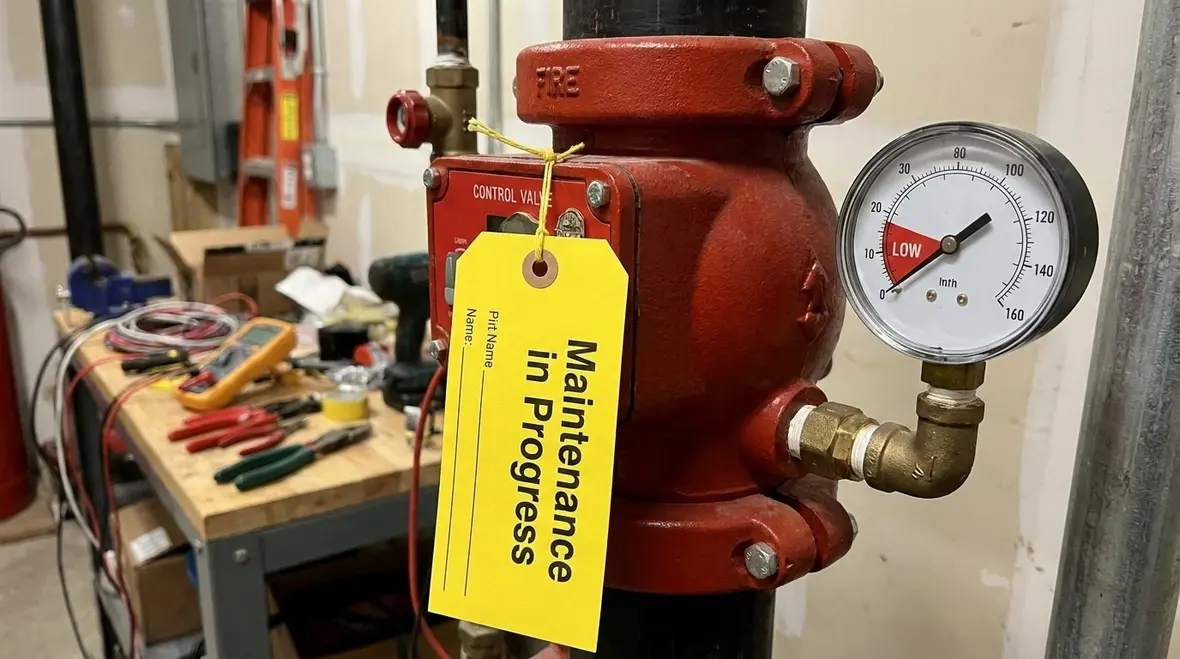
Fire Suppression System Impairments: Spot and Fix
Fire suppression system impairments can quietly turn a safety plan into a hope and prayer. In the opening minutes of an emergency, a small fault like a valve stuck, a tamper switch triggered, or a pressure issue can delay discharge or stop it entirely. That is why owners need to understand fire suppression impairment issues early, document them well, and close the gaps before inspections or, worse, real incidents force the decision. In the sections ahead, this guide explains what impairments look like, how they affect performance, and what owners should do next. And yes, like every maintenance task, it is less exciting than binge watching a show, but it protects the building while everyone else sleeps.
Kord Fire Protection has also published guidance on broader impairment management and the full lifecycle of fire protection, both of which reinforce the same point: small issues become expensive when they are ignored. Those related resources fit naturally with this topic because fire suppression system impairments rarely happen in isolation. They usually show up as part of a bigger pattern involving inspection gaps, maintenance delays, field changes, or communication breakdowns between teams.
Spot fire suppression impairment risks before they become costly
Owners often treat impairments as a “later” problem, but impairments rarely wait politely. First, they can start with a minor change in the system condition. Then they grow after routine work, seasonal wear, or contractor activity. For example, a contractor may replace a component, fail to restore supervision, or leave a device out of normal position. Later, that same building now shows an impairment status that nobody can explain.
Common impairment categories include supervisory loss, pressure or flow issues, and mechanical failures. Also, human factors matter. A system might get disabled for testing and then, unintentionally, remain impaired. Meanwhile, paperwork may show one thing, but field conditions show another. Therefore, owners should track impairments like business risk, not like an occasional inconvenience.
To keep the situation calm and controlled, Kord Fire Protection can act as a vital partner. They do not only respond after problems show up. They help owners build a clear plan for inspection, correction, and confirmation so the system returns to full standby readiness, not just “mostly working.” That mindset aligns well with Kord Fire Protection’s broader full fire protection services, where inspections, testing, repairs, and readiness are meant to work together instead of living in separate silos.
Why early detection saves more than repair costs
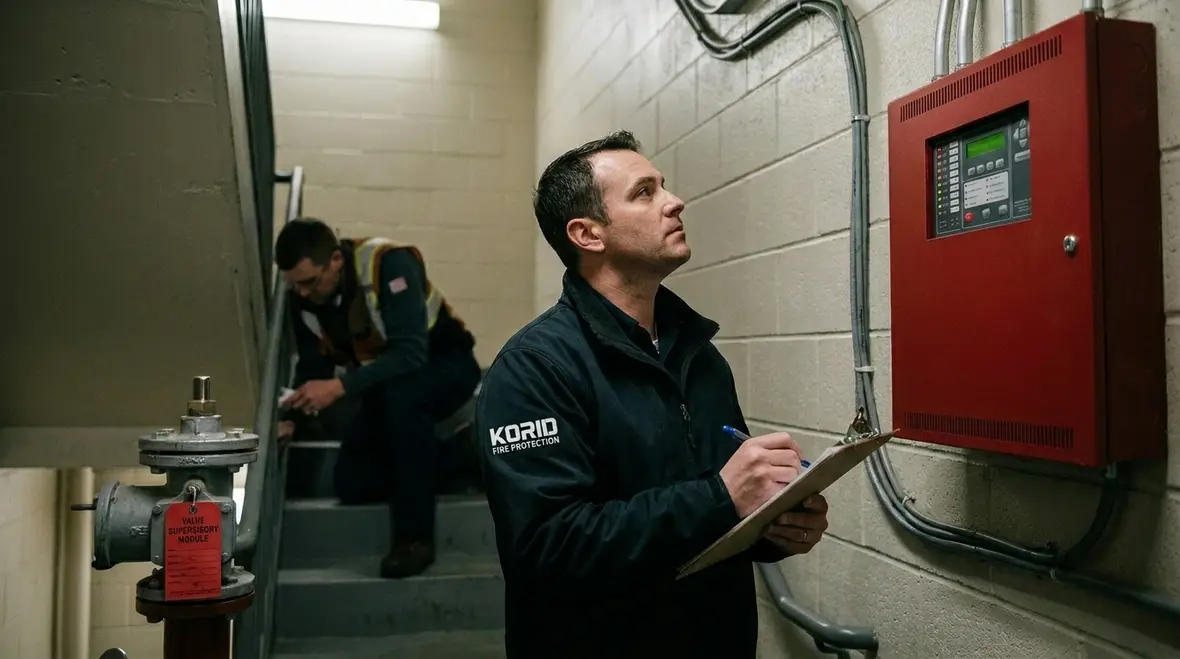
Early detection protects more than equipment. It protects schedules, tenant confidence, inspection outcomes, and business continuity. A hidden impairment discovered during an emergency is the worst possible surprise. A hidden impairment discovered during a routine review is still annoying, but at least it is fixable on your terms. That is a much better deal.
Where impairments hide in inspections and daily operations
Impairments frequently show up in places that routine checklists do not cover deeply. For instance, a system might look clean and intact while critical supervision signals fail. Additionally, owners may focus on the discharge component, yet neglect the devices that enable it: valves, pressure switches, gauges, flow detection, and electrical supervision.
Here is where issues often hide
- Supervision circuits that monitor device status and report impairment when signals do not match the expected condition.
- Valve supervision failures where a valve position does not reflect the real hardware state.
- Pressure and tank readings that drift outside the required range due to leakage, temperature swings, or maintenance gaps.
- Obstructions like damaged piping supports, blocked discharge routes, or improper access.
- Testing artifacts where a system stays in a temporary mode after work ends.
Then, when an inspection arrives, the impairment becomes more than a log entry. It becomes a real question: “How fast can the system operate under fire conditions?” Owners need answers backed by records and field verification. That same attention to signals and supervision is also familiar in Kord Fire Protection’s article on fire alarm monitoring, because reliable notification and reliable suppression both depend on accurate status reporting.
How impairments impact system performance during a fire
An impairment does not always mean the system will fail completely. However, it often means the system will not behave as designed. When a fire starts, timing matters. If the system struggles to initiate, or it releases later than needed, the building loses critical minutes. Those minutes can influence smoke spread, structural heat load, and occupant egress.
Also, the type of impairment changes the risk. A supervisory impairment might only delay notification while leaving mechanical readiness intact. On the other hand, an impairment tied to pressure, valve position, or discharge path can slow or prevent discharge. Therefore, owners should not treat every impairment the same. They should classify severity and address the root cause, not just clear a status.
Kord Fire Protection helps owners connect impairment details to actual performance risks. That approach turns a confusing fault code or status reading into practical next steps, so decision makers can act with confidence. It also matches the practical tone seen in Kord Fire Protection’s fire protection servicing lifecycle content, where inspection and testing exist to catch problems before they catch fire. That is not poetry, but it is solid life safety logic.
Severity matters more than the blinking light
A trouble condition with no immediate effect on discharge is not identical to a valve in the wrong position or a pressure problem that limits agent release. Both deserve attention, but they do not deserve the same urgency ranking. Good impairment handling means sorting the issue correctly, assigning responsible people quickly, and confirming the return to normal with something stronger than optimism.
Owner responsibilities: records, controls, and correction timelines
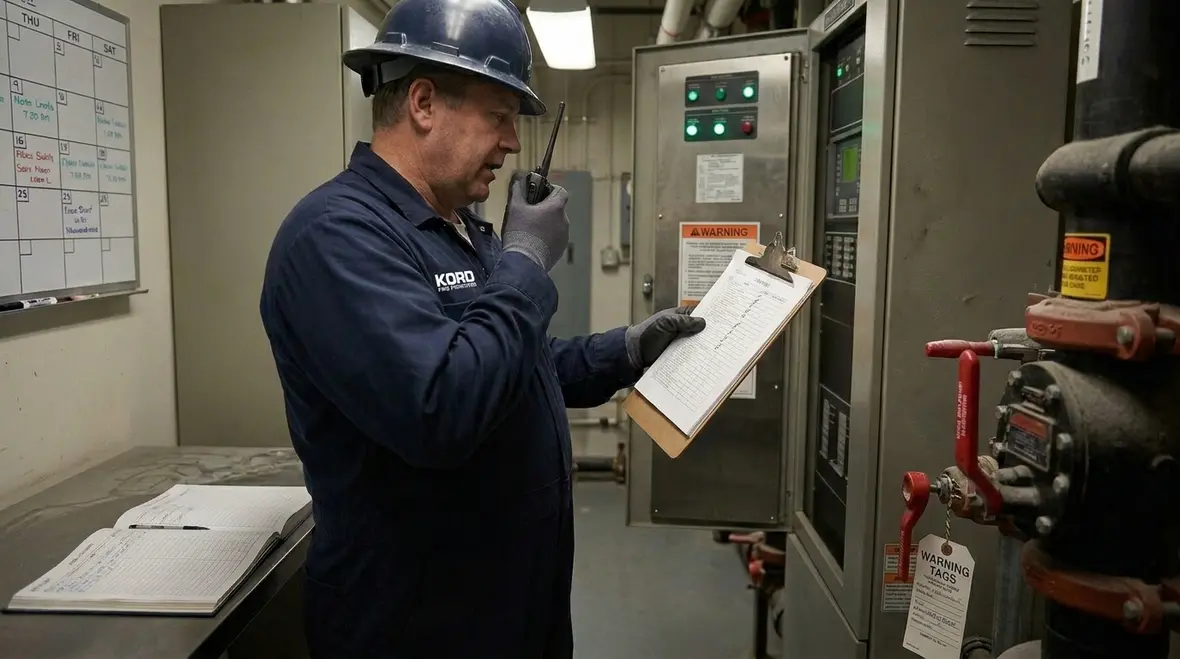
Owners carry the responsibility to keep systems in serviceable condition. That includes maintaining inspection records, tracking impairments, and confirming repairs through proper re acceptance or verification. In plain terms, if a system goes impaired, the owner should make sure it returns to an approved state, with documentation that holds up during review.
Owners should build a workflow that includes three steps: detect, correct, and confirm. First, detection comes through inspections, monitoring reports, and alarm system interfaces. Next, correction requires qualified service that follows the system design and the applicable standards. Finally, confirmation verifies the system returns to normal operating condition, not merely “looks good.”
To support this, Kord Fire Protection can help establish consistent maintenance schedules and response procedures. When impairments happen, they guide owners on what to document, who should sign off, and how to avoid repeat issues. Owners juggling several systems may also find value in Kord Fire Protection’s inspection guide, because the discipline of records, testing, and follow through applies across fire protection categories.
A simple workflow owners can actually use
- Detect the condition through inspections, signals, reports, or technician findings.
- Correct the cause using qualified service and clear scope of work.
- Confirm the restoration with testing, documentation, and updated records.
Fire suppression system impairments: common causes and real fixes
Understanding causes prevents repeat problems. Many impairments trace back to routine work, minor damage, or missed steps after testing. When owners treat each impairment as a one off event, they often end up paying the same “surprise bill” again and again. Instead, owners should focus on the cause plus the correction plus the prevention.
Below is a practical look at frequent causes and what fixes tend to work. Think of it as a troubleshooting cheat sheet, but with fewer headaches and no need for a cape.
- Improper system shutdown during service leading to a lingering impairment state. Fix by restoring supervision, verifying device status, and documenting the return to normal.
- Loose wiring or damaged conduit causing signal faults. Fix by inspecting the route, testing continuity and signal integrity, and tightening or replacing components as needed.
- Valve mispositioning after maintenance. Fix by aligning valves to design position, confirming supervision feedback, and verifying correct operation.
- Pressure drop from leakage in piping or components. Fix by locating the leak, repairing, then confirming pressure parameters return to required range.
- Unauthorized changes from remodels or equipment swaps. Fix by updating system design references, re verifying supervision coverage, and restoring proper coverage.
Then, after fixes, owners should require a confirmation step. That confirmation reduces the chance that the same impairment returns during the next inspection cycle. In many ways, this overlaps with the advice in Kord Fire Protection’s existing article, Fire Suppression System Impairments: What Owners Must Do, which reinforces the importance of fast correction, documentation, and verified restoration.
Maintenance planning and partnership with Kord Fire Protection
Owners who manage multiple sites need a maintenance approach that stays consistent. Therefore, planning matters as much as the repair itself. A strong plan includes periodic inspection intervals, clear ownership of tasks, and fast routing when impairments show up. It also includes training for facility teams so they understand what “impairment” means in operational and emergency terms.
To keep the process smooth, owners often benefit from a structured service partner. Kord Fire Protection can become that partner by supporting system health checks, impairment reporting, and corrective action follow through. In addition, they help align maintenance habits with real world building schedules, so the system stays ready while operations continue.
For organizations that prefer one team handling broader compliance needs, Kord Fire Protection’s service page is a natural next step. It brings together sprinkler, alarm, extinguisher, suppression, and testing support under one roof, which makes life easier when you are already juggling vendors, tenants, deadlines, and a growing pile of tags that all somehow need attention yesterday.
| Facility team focuses on | Service partner helps with |
| Noticing alarms, tracking tags, and updating local logs | Diagnosing impairment cause, verifying correct restoration, and documenting compliance ready results |
| Coordinating access and scheduling work windows | Providing technicians, testing methods, and follow up confirmation |
When both sides work together, the fire suppression impairment situation stops feeling like a mystery box and starts behaving like a managed safety program. That is a much nicer place to be, especially when inspections, tenant questions, and operational demands all show up at the same time and none of them bring snacks.
FAQ: fire suppression impairment basics
Final word: act now to protect people and reduce downtime
Fire suppression system impairments do not fix themselves, and delays turn safety into uncertainty. Therefore, owners should document impairment events, classify risk, and require confirmation after every repair. If a status shows trouble, act quickly, verify the root cause, and restore full readiness. Kord Fire Protection can help you build a calmer, more reliable fire protection program that keeps your systems ready when they matter most.
If you are ready to move from guesswork to a clear corrective plan, connect with Kord Fire Protection through their full fire protection services page. It is a practical next step for reviewing impairment history, setting correction priorities, and making sure your systems are not just installed, but genuinely ready to respond.

Join Our Newsletter!
Get the latest fire safety tips delivered straight to your inbox From our Newsletter.



