
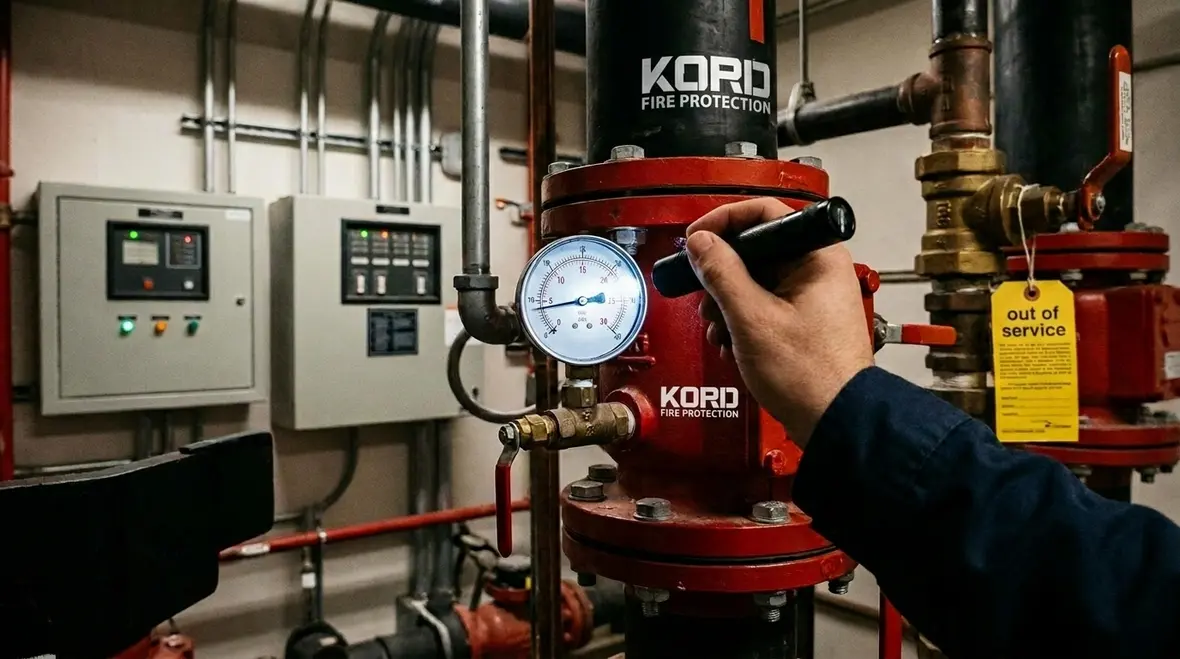
Fire Suppression Impairment: How to Prevent Risk Fast
Fire suppression systems protect people, property, and in some cases, the owner’s ability to sleep through the night. Yet when fire suppression impairment issues show up, the system can lose its ability to work as intended. So owners need to understand how impairments happen, how they get reported, and what steps keep inspections from turning into a stressful surprise. And yes, nobody wakes up excited to troubleshoot a valve problem. But ignoring impairment indicators can turn a life safety system into a very expensive decoration.
In this guide, the third person voice stays steady and clear, and the goals stay practical: spot impairments early, reduce risk, document properly, and partner with Kord Fire Protection so compliance does not feel like guesswork. After all, a fire system is only as strong as the people who maintain it.
Fire suppression impairment: what it means in real terms
In simple terms, fire suppression equipment runs normally until something interferes with its function. That interference can come from a control fault, a damaged component, a valve left in the wrong position, or a maintenance action that changes the system state. When those conditions appear, the system may still show “power,” but it can fail to discharge when needed. That gap between “seems fine” and “will work” is where the fire suppression impairment risk lives.
To make this tangible, owners can think of the impairment state as a “do not go” sign for the system. It may not stop every piece of the system, but it prevents the full sequence from performing correctly. Then, if a fire event occurs, the system might delay action, fail to release agent, or behave inconsistently. And that is the part owners cannot afford.
Kord Fire Protection’s fire protection impairment management guide reinforces that once protection is reduced, awareness and response need to rise immediately. That broader impairment mindset helps owners understand why even a small suppression issue deserves fast attention.
Common causes owners overlook during routine checks
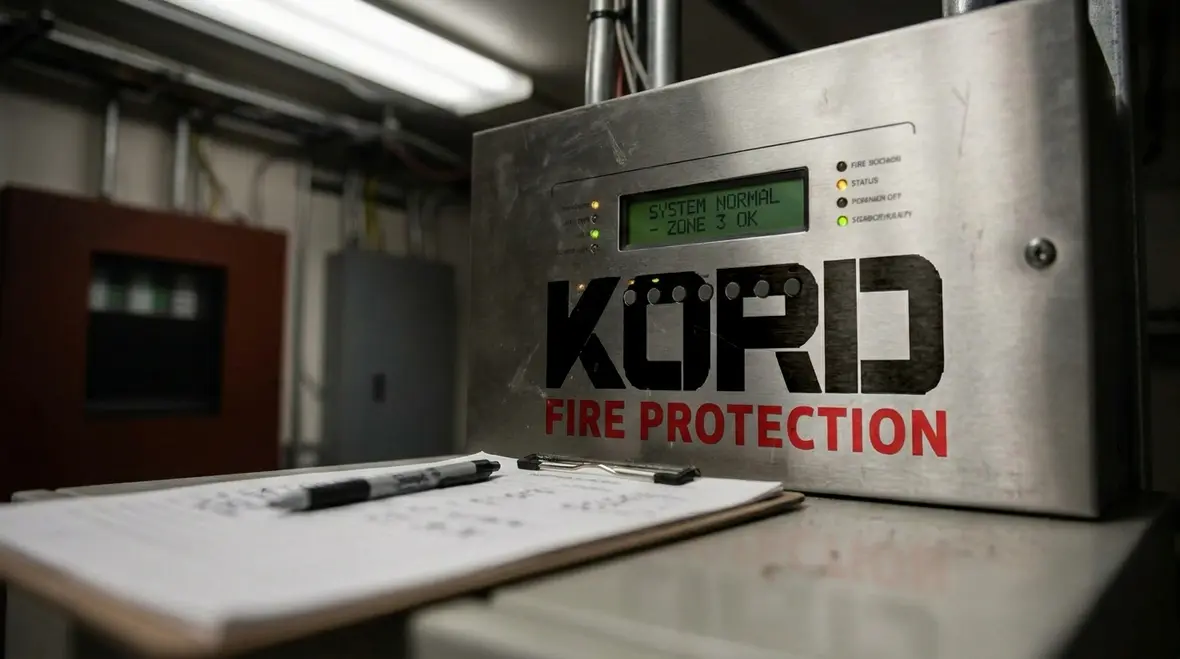
Most impairment problems do not start with dramatic disasters. Instead, they come from everyday issues that people treat as minor. For instance, a technician might isolate a zone for testing and forget to restore it. Likewise, building work can disturb piping or cabling. In addition, corrosion, water leaks, or pest damage can affect nozzles, tubing, detectors, or wiring.
Frequent sources behind suppression impairments
- Valve mispositioning after inspections, startups, or repairs
- Pressure problems such as low agent pressure or regulator drift
- Cable and connector damage from building changes or minor impacts
- Detector trouble tied to contamination, vibration, or dead sensors
- Software or control panel faults that prevent correct release logic
Then there is the classic “we meant to handle that later” problem. Many impairment states come from delayed responses to trouble signals. Even when the suppression system still looks intact, the control sequence might not complete. At that point, the system becomes a liability instead of a safety tool.
That pattern also shows up in Kord Fire Protection’s article on fire suppression electrical hazards causing false discharges, where behind-the-scenes wiring and control issues can create trouble that owners do not notice until testing exposes it.
How owners identify impairment without guessing
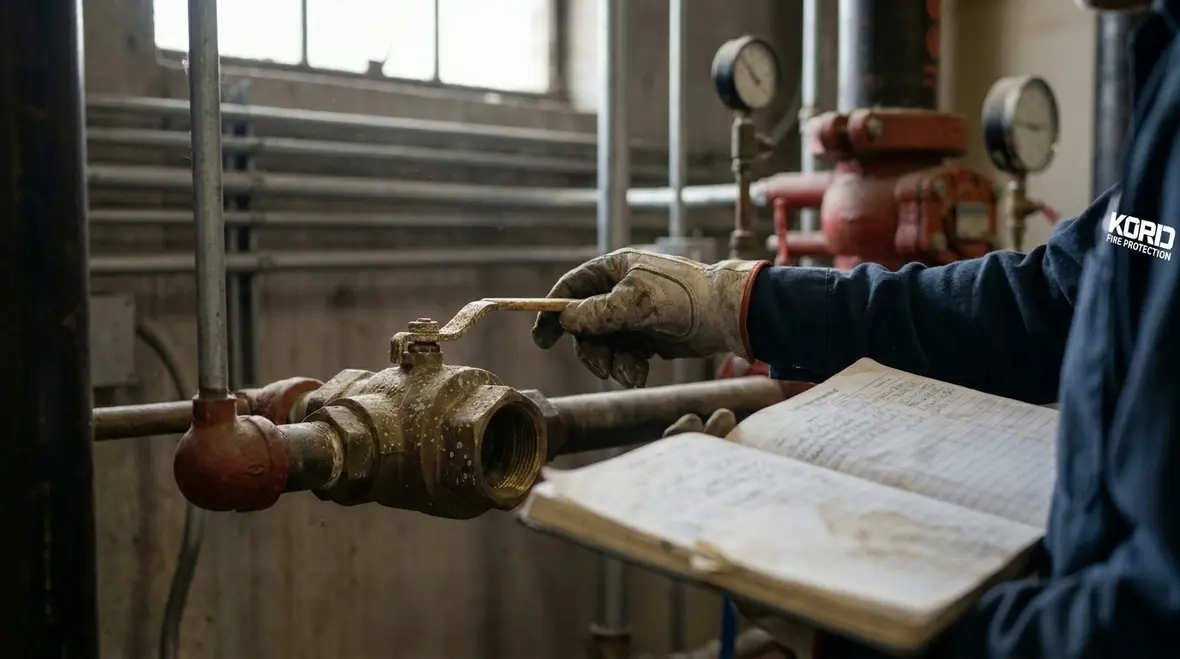
Owners do not need to become fire technicians. They do need a clear, repeatable way to spot issues. First, they should review inspection and testing reports rather than rely on verbal updates. Next, they should confirm the status indicators on control panels and related annunciators. After that, they should watch for recurring “trouble” entries, even if no alarms occurred.
A strong owner routine
- Track impairment reports and follow up on every item on the list
- Verify corrective actions with documentation, not just promises
- Check isolation devices and confirm they return to normal state
- Schedule periodic functional testing based on system type and code needs
Moreover, owners can require that the technician explain the impairment in plain language. If the conversation stays vague, the risk stays high. And no, “it should be fine” is not a test result. That phrase belongs in a sitcom, not in life safety compliance.
For teams trying to build a better process, Kord Fire Protection’s article on fire safety system documentation for compliance offers a useful companion read because it connects logs, reports, and corrective action records to smoother inspections.
Impairment reporting, documentation, and compliance pressure
Owners live in a world of deadlines. Therefore, documentation matters as much as the repair itself. Inspectors and authorities want records showing what the system did, what happened during testing, and how the site restored full readiness. When impairment is identified, the owner should ensure proper reporting follows the required steps and the correct timeline.
Owner actions
- Review impairment alerts and logs
- Confirm corrective work is completed
- Maintain test results and calibration notes
- Coordinate follow up promptly
Why it matters
- Creates a history that supports inspection and reduces repeat issues
- Ensures the system returns to a ready state
- Shows evidence of function and readiness
- Shortens downtime and lowers exposure
Then, when owners treat documentation as part of safety, not paperwork, compliance becomes easier. Instead of scrambling at the end, they build trust with inspectors and internal stakeholders. That same mindset appears in Kord Fire Protection’s broader look at the full lifecycle of fire protection servicing, where inspection, maintenance, verification, and documentation all work together.

Why Kord Fire Protection becomes a vital partner
Fire suppression impairments do not disappear when people hope. They clear only when the right checks happen, repairs get verified, and the system returns to full readiness. That is where Kord Fire Protection can become a vital partner with this service and job.
A good partner does more than swap parts. They help owners manage risk with a disciplined approach. For example, they can assist with impairment tracking, coordinate testing in a way that reduces downtime, and verify that every corrective step restores the system to proper performance. In addition, they can support owners with clearer communication between the site team, building management, and inspection needs.
Owners also benefit from a team that treats maintenance as a living process. If a system shows a pattern of impairment, the provider investigates root causes, not just symptoms. Think of it like Netflix recommendations: if the same problem keeps popping up, it means something behind the scenes needs attention. Kord Fire Protection aims to address that “behind the scenes” factor, so the system stays ready when it counts.
Owners managing specialized hazards may also want to review Kord Fire Protection’s clean agent fire suppression services page, especially for spaces where uptime, sensitive equipment, and verified discharge performance matter.
Fixing impairment fast: practical steps that reduce downtime
When impairment appears, owners should act like professionals, not like panicked characters in a movie. First, they should assess the severity based on the impairment type and the system’s role in the building. Next, they should schedule repairs with the right priority. After that, they should verify readiness with functional checks, not a quick reset.
Owners can also reduce repeat issues by tightening the feedback loop. That means improving change control for maintenance work, confirming isolation steps return to normal, and training internal teams on what signals require action. Then the system faces fewer “surprise” states.
Most importantly, owners should avoid stacking impairment delays. If a suppression issue sits while other projects compete for attention, the risk grows. So a steady, documented response helps keep the system dependable. Kord Fire Protection’s article Fire Suppression System Impairments: What Owners Must Do echoes the same point: readiness is not something owners assume, it is something they prove.
FAQ: fire suppression impairment basics for featured snippets
Conclusion: take action now with Kord Fire Protection
Fire suppression impairment is not a “wait and see” issue. Owners should treat it as a readiness warning, review impairment logs, and move corrective work with urgency and proof. Then they should verify performance through proper testing and keep strong documentation for inspections. That kind of discipline makes compliance easier, downtime shorter, and surprises a lot less entertaining.
If a site team wants fewer surprises and clearer accountability, Kord Fire Protection can help guide the process from impairment discovery to full restoration. Explore Full Fire Protection Services or contact Kord Fire Protection today to protect what matters and keep the system dependable.

Join Our Newsletter!
Get the latest fire safety tips delivered straight to your inbox From our Newsletter.



