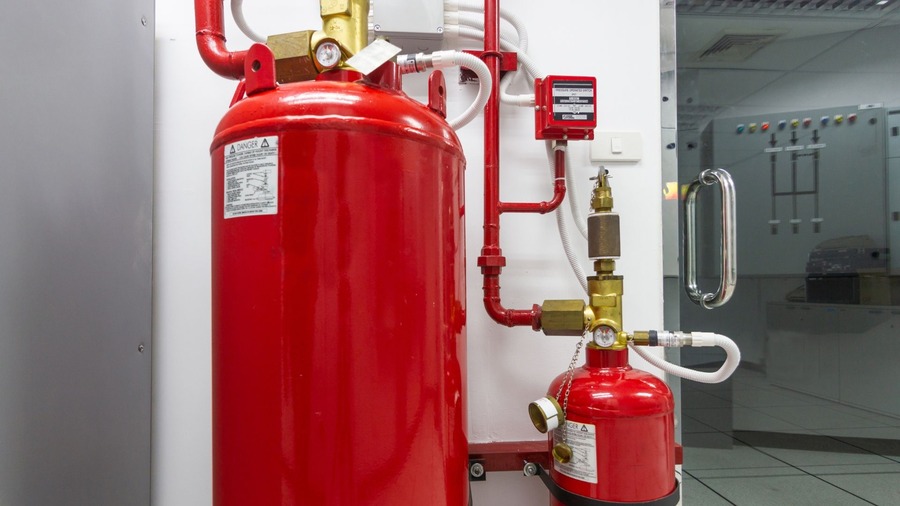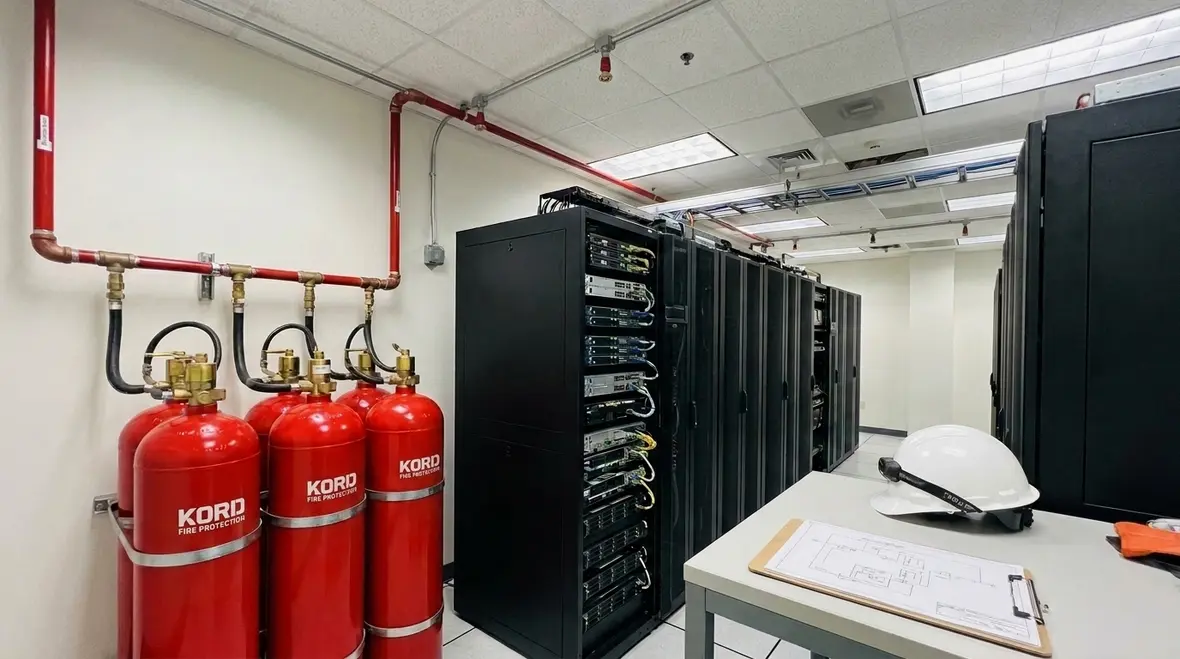
NFPA 2001 Section 3.2 Clean Agent Definitions Explained
Quick Answer
NFPA 2001 Section 3.2 defines the key terms that shape clean agent fire protection, from what counts as a protected space to how a system is judged as effective. For fire protection engineers in Australia, these definitions guide better design, clearer compliance, and safer results. In practice, they also help partners like Kord Fire Protection deliver clean, reliable solutions that fit real site needs.
NFPA 2001 Section 3.2 and Why the Definitions Matter
NFPA 2001 is the rulebook many professionals turn to when they need NFPA 2001 official definitions clean agent systems explained with care and used the right way. Section 3.2 matters because it sets the language for the whole design process. If a team misreads one term, the whole project can wobble like a chair with one short leg. Nobody wants that on a live industrial site.
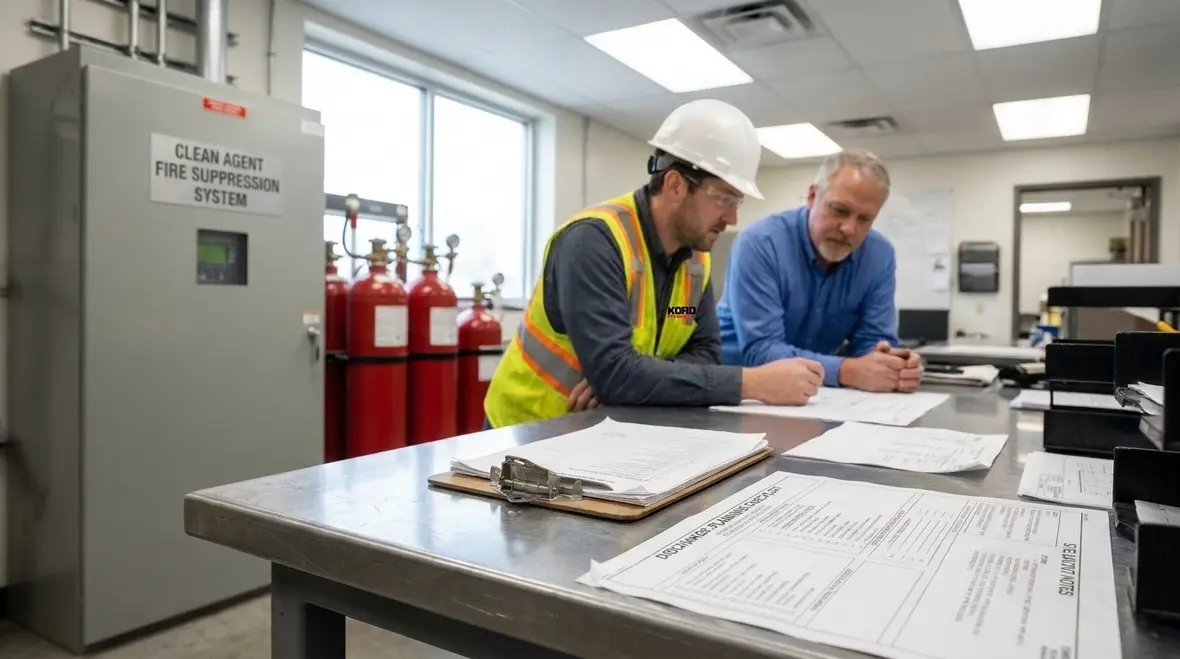
For teams comparing design paths or planning upgrades, Kord Fire’s clean agent fire suppression services provide a practical look at how these systems protect high value spaces where water would create a second disaster. That service context fits naturally with Section 3.2 because definitions are only useful when they lead to sound field decisions instead of binder decoration.
For fire protection engineers, these definitions are not just book terms. They shape system design, room testing, hazard review, discharge planning, and compliance checks. In Australia, that matters across warehouses, data rooms, plant areas, retail back rooms, and other business spaces where downtime costs real money.
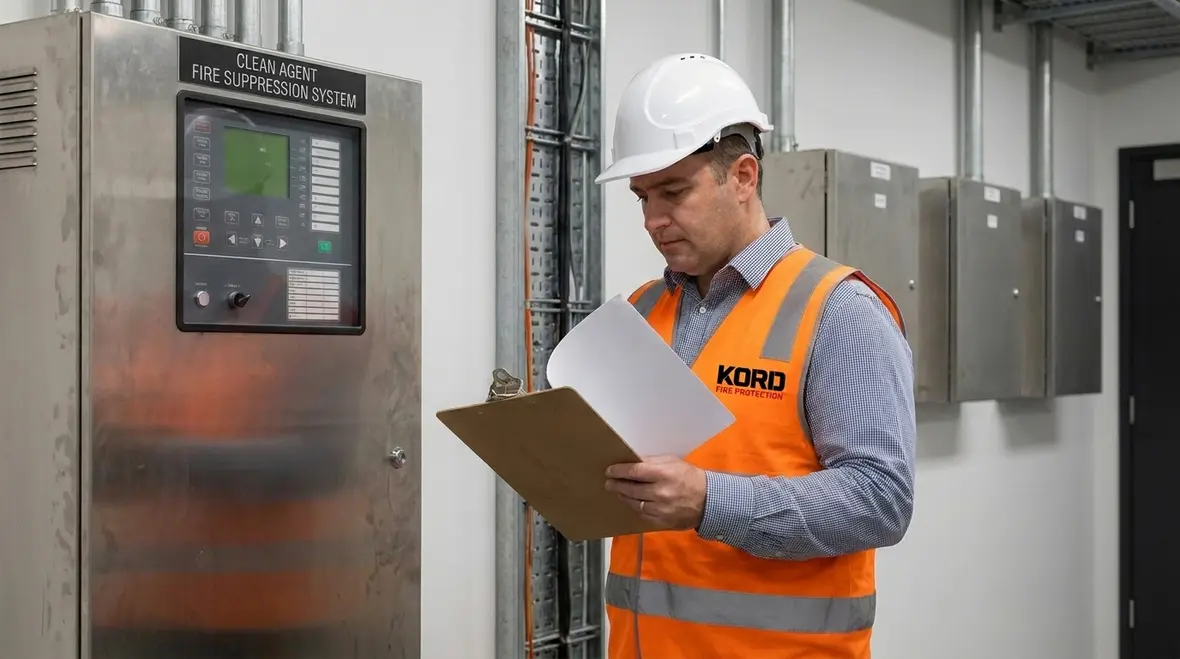
What a Fire Protection Engineer Must Know in Section 3.2
Section 3.2 gives precise meaning to the terms that drive clean agent work. These terms help engineers avoid guesswork and keep the design tied to real conditions. The main idea is simple: if the language is clear, the system is more likely to work as intended.
Agent
Agent means the fire suppressing substance itself. In clean agent systems, that substance must put out fire without leaving damaging residue. That is why these systems suit sensitive areas where water would cause a second disaster, which is not exactly the kind of surprise anyone wants before a Monday meeting.
Enclosure
Enclosure refers to the space that holds the agent long enough to do its job. The enclosure must support the required concentration, so openings, vents, and weak points matter a great deal. This is also why discussions around room integrity are not side quests. They are core to whether the whole strategy works or quietly leaks its confidence into the hallway.
Design concentration
Design concentration means the amount of agent needed to stop the fire hazard in the protected space. This value is central to safe design, since too little agent weakens performance and too much can create other issues. It is one of those details that looks boring until the day everyone desperately hopes it was calculated correctly.
Hold time
Hold time describes how long the agent concentration stays in place after discharge. That period helps control re ignition risk and gives the system time to finish the job. Without the right hold time, a discharge can feel impressive for a moment and disappointing right after, which is not the kind of performance review any system wants.
Occupied space and unoccupied space
Occupied space means an area where people may be present, so safety limits, warning methods, and discharge controls deserve closer attention. Unoccupied space refers to an area with limited or no routine occupancy, which can shift how the engineer weighs detection, egress, and discharge planning. These two terms may sound simple, but they influence real design choices in ways that are anything but casual.
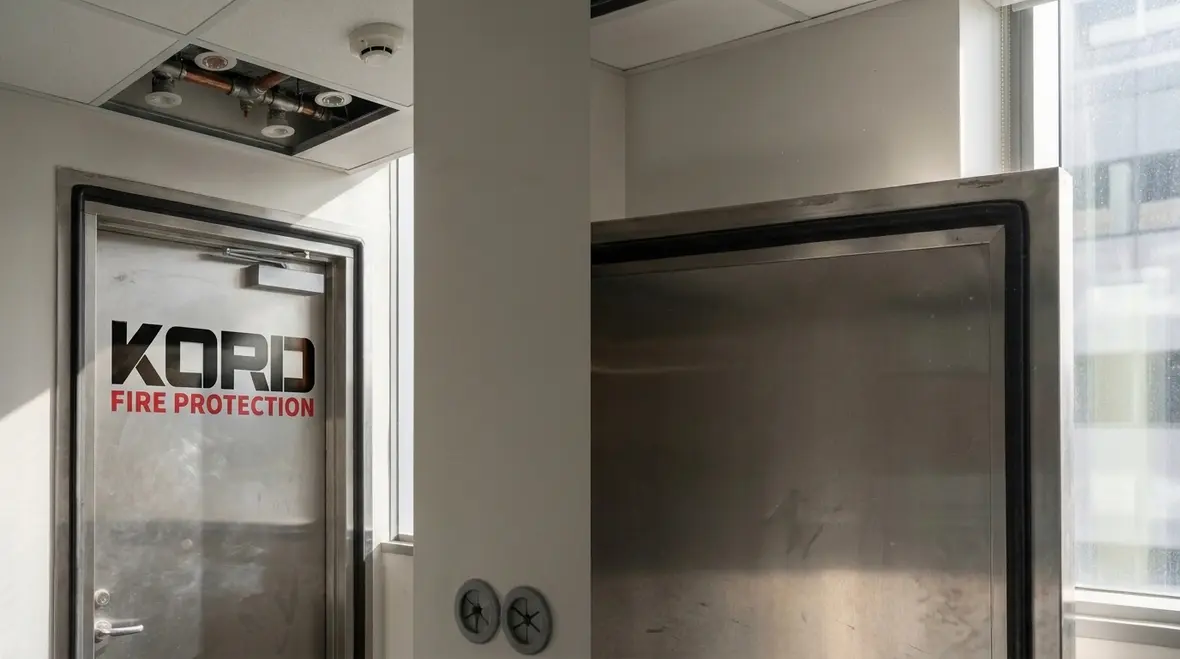
How these definitions shape clean agent system design
These terms affect nearly every step of a project. First, the engineer must classify the hazard correctly. Then, the team must confirm enclosure integrity. After that, they must match the agent type, cylinder sizing, nozzle layout, and discharge time to the space.
That process sounds tidy on paper. In the field, however, life tends to add drama. A cable opening, a poorly sealed door, or a later fitout change can upset the design. Therefore, the definitions in Section 3.2 help teams stay disciplined from the first drawing to the final test.
They also support better communication between engineers, installers, facility managers, and compliance teams. When everyone uses the same words, fewer mistakes slip through. That alone can save a site from expensive revisions and awkward “we thought that was covered” moments.
For teams that need a deeper look at enclosure performance, testing strategy, and leakage control, Kord Fire’s article on clean agent suppression system and room integrity testing adds useful context. It fits this discussion perfectly because Section 3.2 definitions do not live in isolation. They show up in the real world where rooms leak, assumptions get challenged, and proper testing earns its keep.
Dual Column View of the core terms
Below is a simple side by side guide to the most useful Section 3.2 ideas.
Term
Agent
Enclosure
Design concentration
Hold time
Occupied space
Unoccupied space
What it means in practice
The clean suppression substance used to control fire without residue
The protected space that must hold the agent concentration
The required level of agent for effective suppression
The period the agent must stay effective after release
A space where people may be present and where safety controls matter
A space with limited or no routine occupancy, which can change system design choices
Why these terms matter across Australian commercial sites
Australian industrial, retail, and commercial sites often protect critical assets with clean agent systems because these spaces cannot afford water damage or long outages. Data areas, switch rooms, archives, control rooms, and production support areas all depend on precise design.
Here, the NFPA 2001 official definitions clean agent systems approach helps engineers speak with confidence during design reviews and audits. It also supports alignment with site risk, insurance needs, and maintenance planning. As a result, the system is not just installed. It is understood.
That understanding matters even more on busy sites with mixed use. A retail complex may share services with plant rooms. A logistics hub may hold valuable electronics near high traffic areas. Therefore, the engineer must apply the definitions carefully, not casually, or the fire strategy can drift off course like a sequel nobody asked for.
If readers want a direct reference point for the broader standard discussion, Kord Fire also covers NFPA 2001 guidelines for clean agent fire suppression systems. That makes it a natural interlink here because definitions are easier to apply when they are connected to the larger framework of system planning, installation, and maintenance.
How Kord Fire Protection can support this work
Kord Fire Protection can become a vital partner for engineers, facilities teams, and project managers who need clean agent solutions done properly. Their role can support concept design, system selection, installation coordination, testing, and ongoing service. Just as important, they can help translate technical NFPA language into practical site action.
That kind of support matters because Section 3.2 is not meant to sit in a binder and collect dust. It should guide real decisions. With the right partner, teams can reduce risk, improve compliance, and keep critical spaces protected with less stress and fewer surprises.
For businesses across Australia, that means stronger planning, better communication, and cleaner outcomes. In fire protection, clarity is king. And unlike some kings in history, this one actually helps people.
FAQ
Conclusion
NFPA 2001 Section 3.2 gives fire protection engineers the shared language they need to design clean agent systems with confidence. For Australian commercial and industrial sites, that clarity supports safer outcomes and smoother projects.
Kord Fire Protection can help turn those definitions into real world protection. For teams ready to strengthen their fire strategy, the next step is simple: bring in the right partner and build it right the first time.

Join Our Newsletter!
Get the latest fire safety tips delivered straight to your inbox From our Newsletter.