Fire Suppression Impairment: Causes and Owner Response
Fire suppression systems work quietly until the moment they do not. In the business of life safety, that difference matters, and fire suppression impairment can quietly turn a reliable system into a risky one. Owners often assume inspections catch everything, yet impairment can grow through minor damage, poor maintenance habits, or system changes that people meant to address later.
So, what should owners know, and how do they respond when impairment appears in reports? This article walks through the most common impairment sources, why they matter, and how Kord Fire Protection can act as a vital partner to keep systems ready when seconds count. Think of it like checking smoke alarms while everyone still laughs at the drills.
What fire suppression system impairments actually mean
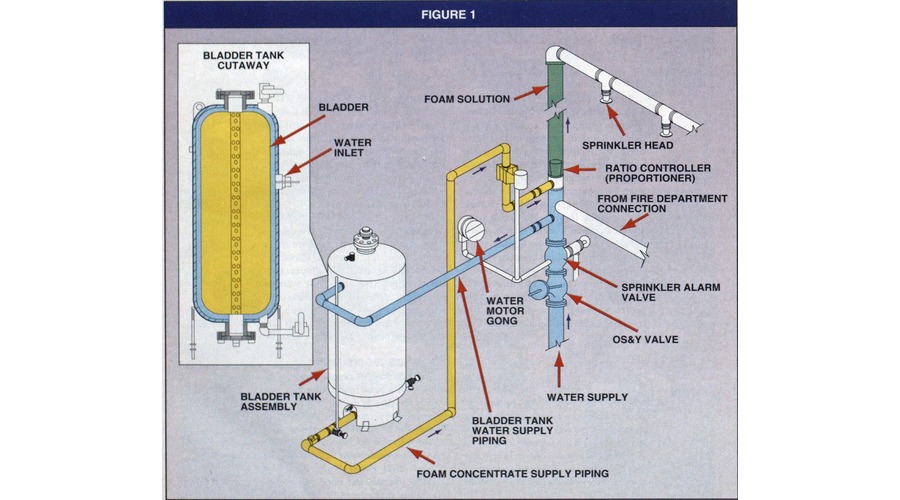
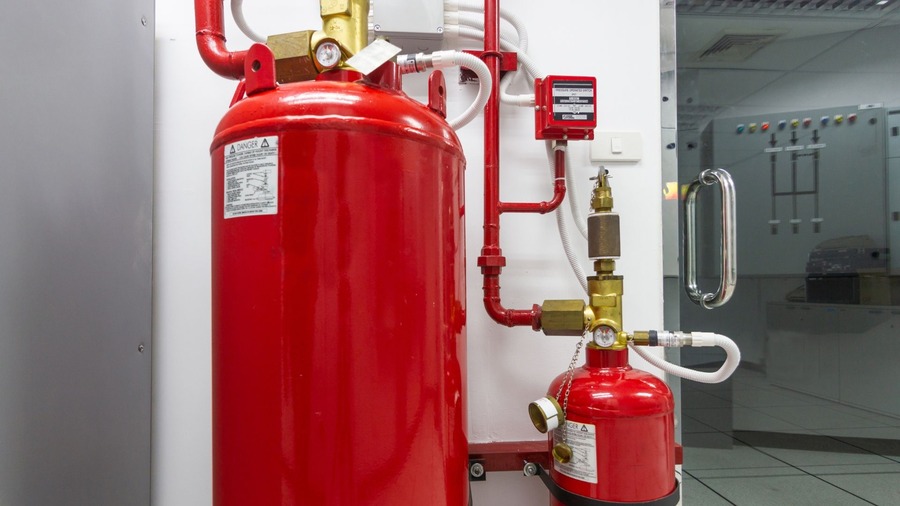
A fire suppression system can remain installed while still failing to perform as designed. When components cannot meet the needed response time, pressure, flow, or release performance, the system experiences fire suppression impairment. This impairment does not always mean no protection. Instead, it means performance may drop below the standard required by the design and governing codes.
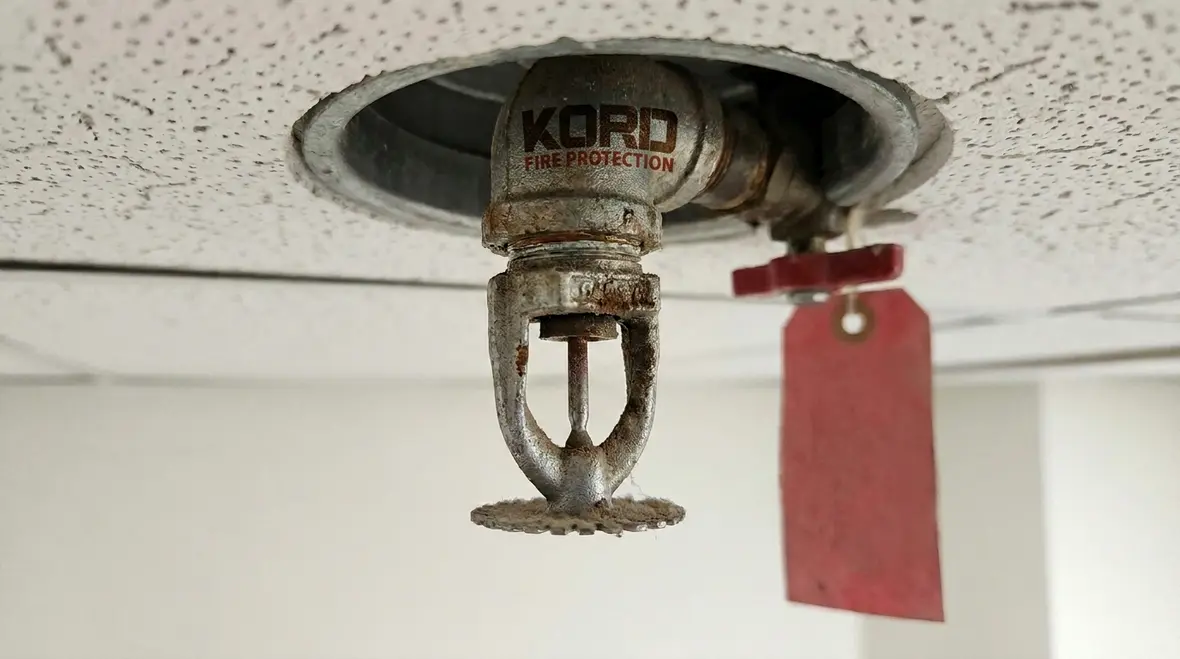
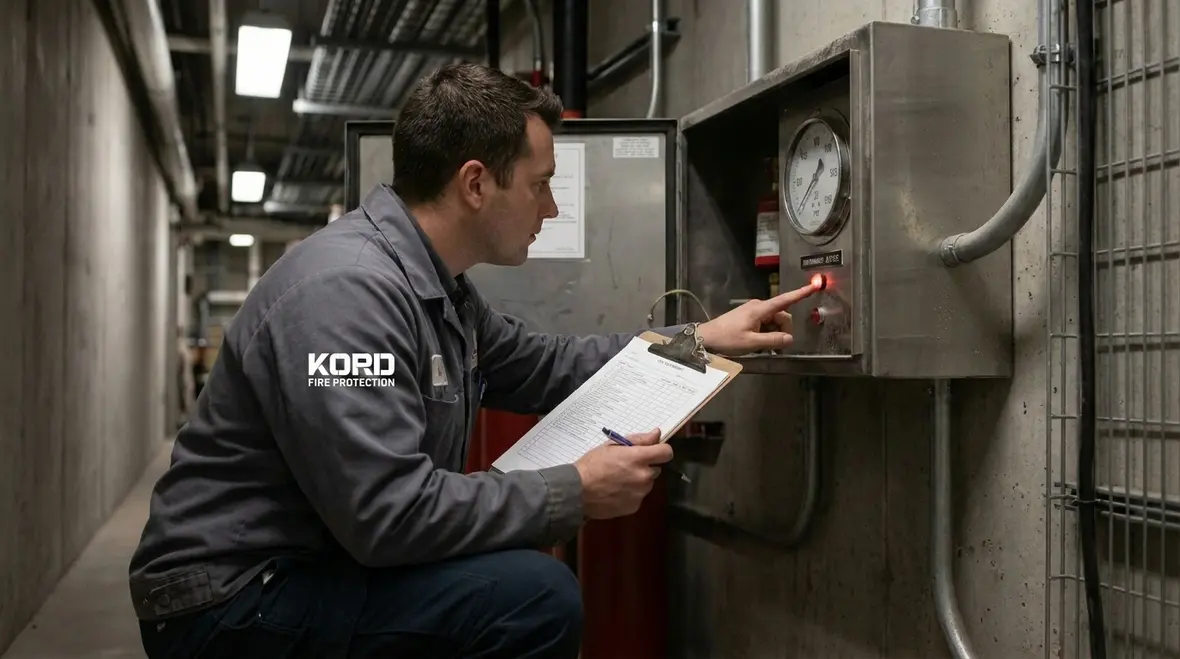
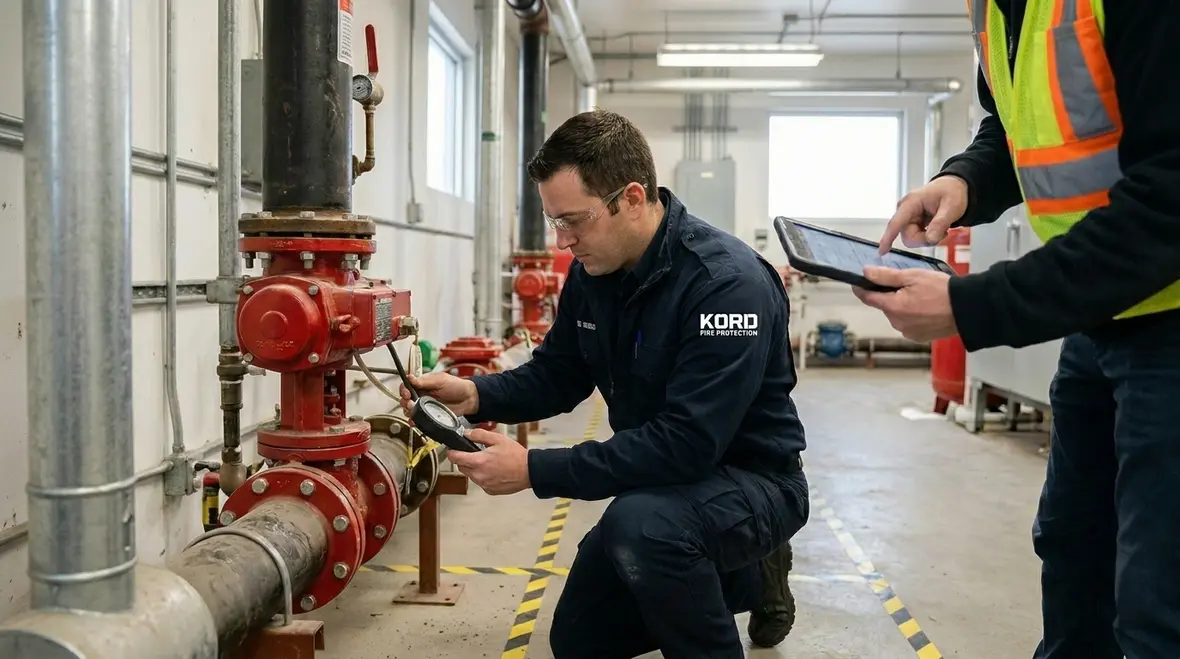
Often, impairment gets logged when inspection results show issues such as blocked piping, out of range pressure, dislodged detection devices, or damaged nozzles. As a result, the system may respond late, release unevenly, or not discharge at all. That is why routine inspection work matters so much. Kord Fire Protection’s article on wet sprinkler system inspection highlights how waterflow testing, valve supervision testing, and sprinkler head inspection help catch these kinds of problems before they grow into larger issues.
In plain terms, owners should treat impairment like a warning light that keeps turning on, even if the car still moves. If the system cannot do its job reliably, the building becomes the real test. And nobody wants to be the star of that episode.
Installed does not always mean ready
This is the part many owners miss. A suppression system can look complete, appear untouched, and still be drifting away from proper performance. Minor corrosion, a shifted component, a valve position issue, or a simple obstruction can all chip away at reliability. The system may still be present on paper, but real readiness depends on performance, not presence.
Common causes of impairment owners can spot early
Not every impairment starts with a dramatic failure. More often, it begins with small changes that build up. Then, during routine checks, the paperwork catches up with what the system already feels.
Practical warning signs in the field
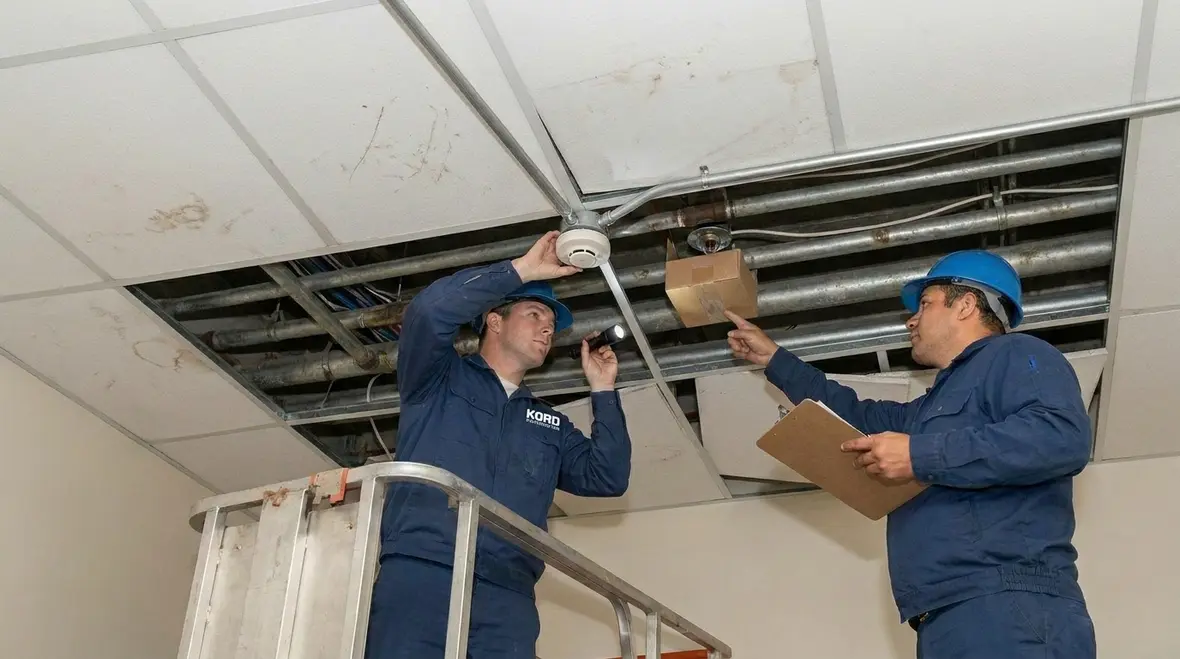
- Physical obstructions that restrict discharge paths, including storage placed near nozzles or damaged ceiling tiles
- Valve issues such as valves left closed, tampered supervisory switches, or sealing problems
- Air, water, or power problems where pressure falls outside acceptable limits or where backup power fails to operate
- Detector and actuator faults including misaligned devices, failed sensors, or wiring concerns
- Improper system modifications from renovations that change ceiling layouts, penetrations, or pipe routing
To move from reactive to proactive, owners should expect quick follow up after any shutdown, alteration, or construction activity. Furthermore, they should ask the contractor doing the work how the change affects the suppression layout. Construction crews may not be villains, but they do love shortcuts. Shortcuts and life safety do not mix well.
Construction and occupancy changes are repeat offenders
A building is not static, and that is exactly why impairment can sneak in. Tenant improvements, new shelving, added partitions, revised ceiling grids, or equipment relocation can all interfere with discharge patterns and access to system components. Kord Fire Protection’s overview of the full lifecycle of fire protection servicing reinforces the idea that systems need continued attention after installation, not just a handshake and a hope.
Why impairment matters to safety, code compliance, and operations
When impairment exists, the building cannot count on the suppression system to control or extinguish a fire as intended. This affects more than risk to people. It also affects insurance position, compliance status, and downtime planning.
From a safety standpoint, suppression systems rely on correct timing and correct coverage. If release conditions fail, fire growth may accelerate before control begins. In addition, even partial impairment can reduce the system’s ability to protect key areas like egress routes, machinery spaces, or storage rooms.
From an operational standpoint, impairment creates uncertainty. Owners often face questions from insurers, facility managers, and tenants. They also face the costly reality of delayed corrections, especially when parts become hard to source or when the problem extends across multiple zones.
And yes, there is also the paper trail issue. Inspectors document impairments, and those records tend to follow a property during renewals and disputes. Nobody wants to explain why a system stayed impaired just a little. Fires do not grade on a curve.
Documentation matters almost as much as the repair
Inspection findings, service notes, and test results create the story of the system. If that story is incomplete, owners can end up defending gaps they never meant to leave open. Kord Fire Protection’s guide on common fire code violations found in inspections makes the same point in plain language: skipped maintenance and unresolved deficiencies tend to become preventable problems with real consequences.
How owners should respond when an impairment report appears
Once an impairment is identified, the owner’s first job is speed with clarity. Next comes investigation, then correction, then verification. Skipping one step often delays resolution and increases cost. Therefore, a focused response plan matters.
A practical response sequence
- Review the impairment details and confirm the exact system, location, and component affected
- Set a correction timeline based on severity, risk to occupancy, and the governing requirement
- Lock down the area if needed while work proceeds, especially for obstruction or shutdown scenarios
- Schedule qualified service to repair or restore performance
- Verify restoration with test results that confirm the system meets design conditions
- Update maintenance records so future inspections show a clear history
Owners can reduce stress by requiring documentation that matches the impairment item. Furthermore, they should ask for test readings, repair notes, and functional checks. When the system returns to normal, the paperwork should reflect it. After all, trust me does not extinguish fires.
Where inspection gaps hide and how to close them
Inspections matter, yet gaps still occur. Sometimes the inspection does not fully cover the site conditions, especially when occupancy changes or when ceiling work happens after the last visit. Other times, maintenance schedules become best effort, and the system slowly drifts away from the original design.
Common places gaps show up
- Limited visibility where key components sit behind access panels that staff rarely open
- Untracked changes during tenant buildouts that alter pipe runs or discharge coverage
- Delayed corrective action when repairs wait for budgets or delivery times
- Incomplete testing where functional checks do not fully confirm system response
To close these gaps, owners should coordinate suppression checks with the building’s maintenance calendar and change management process. In addition, they should require a clear communication path between the person managing construction, the facility team, and the life safety provider. Then the system does not get surprised by the building it protects.
This is where Kord Fire Protection can become a vital partner. They help owners move from a checklist mindset to a system performance mindset. Instead of treating impairments as isolated issues, a good partner connects the dots across components, zones, and upcoming changes. That means faster correction, cleaner verification, and fewer repeat problems. The goal stays simple: the system should work like it was designed.
Choosing a partner for impairment correction and ongoing service
When owners evaluate service providers, they should look beyond the lowest bid. Fire suppression work requires practical field experience, strong documentation habits, and the discipline to verify results. Furthermore, the best partners align with the owner’s operations so repairs do not drag on longer than needed.
Questions worth asking before you hire
- How they identify the root cause, not just the symptom
- How they schedule repairs to reduce downtime and risk
- How they document test data and restoration proof
- How they manage parts lead times and substitution decisions
- How they support prevention through maintenance planning
Kord Fire Protection stands out when owners want consistent follow through. Because impairment can return when the underlying cause stays unresolved, a capable partner focuses on prevention and verification. In other words, they help owners avoid the fix it and forget it trap. And if that trap had a theme song, it would be playing in every building across the country.
For owners comparing broader support options, Kord Fire Protection also offers fire suppression services for commercial and industrial locations, including installation and maintenance across multiple suppression system types. If your property needs a team that can inspect, repair, verify, and keep the long-term service picture organized, that page is a smart place to start.
FAQ
Final word: make impairment a priority, not a backlog
When a building shows fire suppression impairment, owners should treat it as a real-world safety issue, not a clerical problem. Act quickly, investigate the root cause, correct the system, and verify restoration with proper testing and documentation. Then build prevention into maintenance and renovation planning so the problem does not return.
If owners want a steady partner for inspection follow up, impairment correction, and ongoing service, they should contact Kord Fire Protection and explore their full fire protection services for a clear plan that supports compliance, scheduling, and long-term system reliability. Quiet systems are great. Quiet problems are not.

Join Our Newsletter!
Get the latest fire safety tips delivered straight to your inbox From our Newsletter.