Fire Suppression Impairment Signs and Fast Repairs
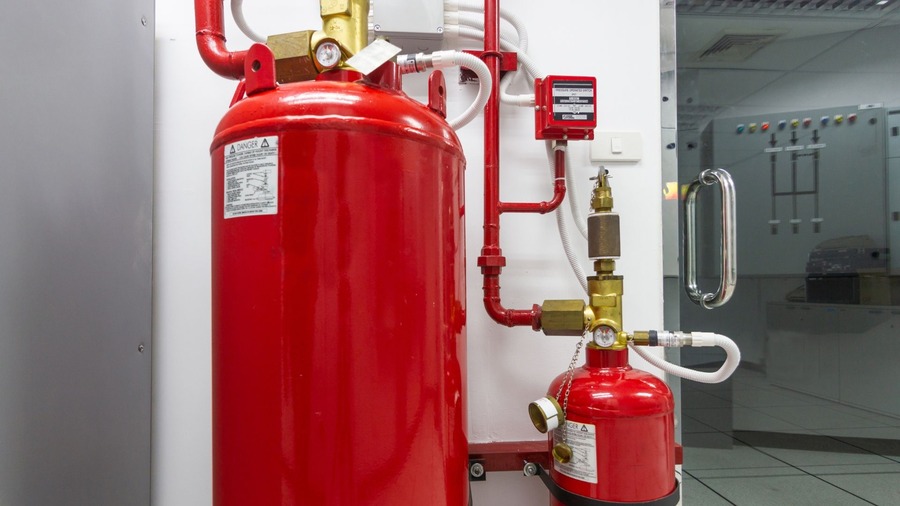
Fire suppression system impairments can turn a “we’re protected” promise into a risky guess, and that risk often shows up right when owners least want surprises. In this guide, third party inspections, service records, and day to day conditions all matter because a system that should work in seconds can fail in minutes. When fire suppression impairment occurs, it may involve a damaged component, an overdue test, a wrong set point, or a standby device that quietly stopped doing its job. And yes, that is as fun as it sounds. Still, the fix usually follows a clear path, and with the right support, owners can reduce downtime, manage liability, and keep their protection plan on track.
Know the signs of a fire suppression impairment
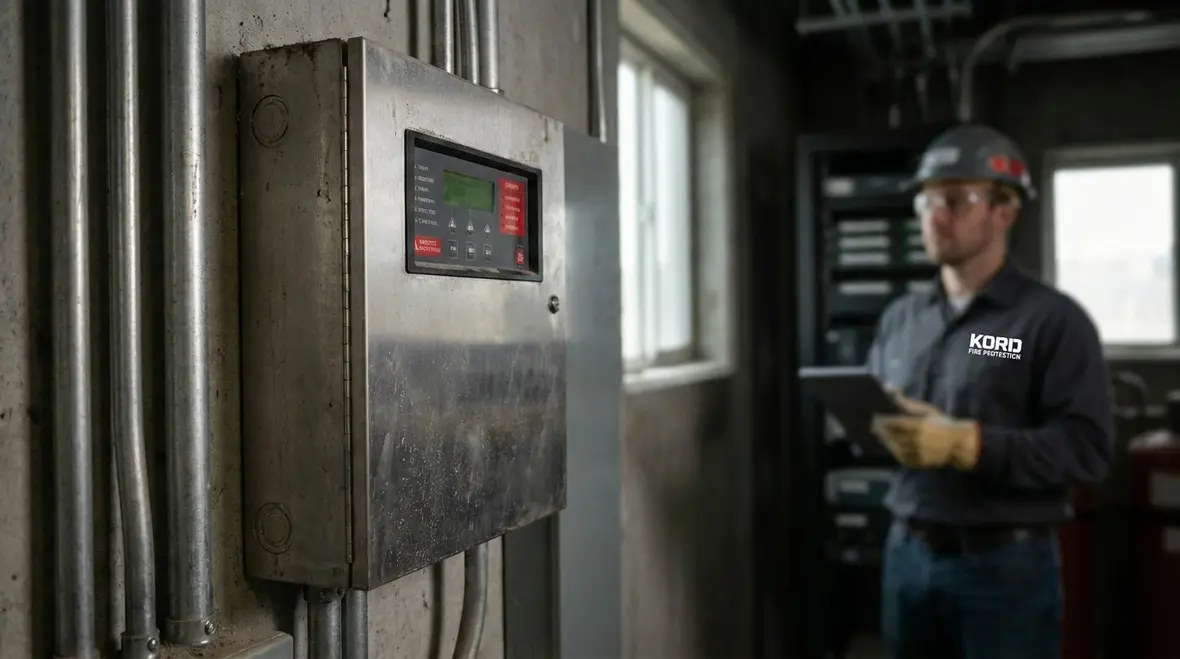
Owners often expect impairments to look dramatic, like a siren and smoke in the lobby. However, many impairments start as small problems that build over time. First, a system may show trouble signals at the control panel. Then, field devices can drift out of spec. Finally, simple neglect, like missed maintenance visits, can create conditions that reduce performance.
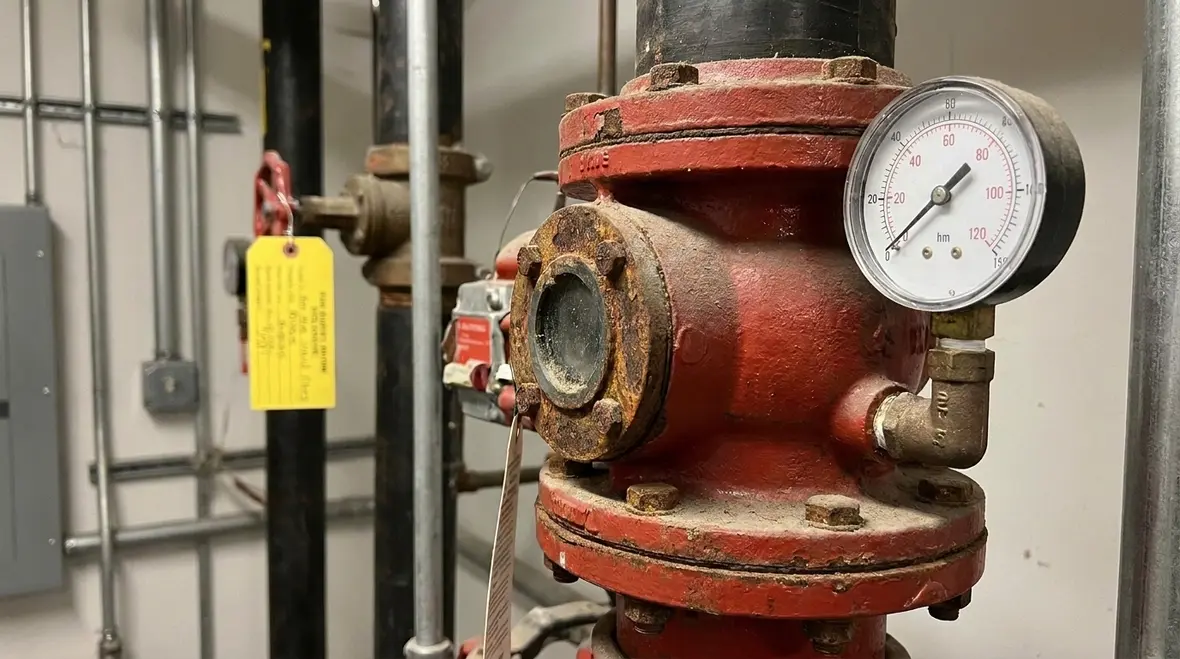
Common signs include recurring trouble codes, reduced pressure in piping systems, tamper alarms, blocked nozzles, corrosion on valves, or disconnected supervision wiring. Also, some impairments appear after construction or tenant changes. A dropped ceiling tile can hide a detection device, and a new wall can block airflow paths. As a result, the system still exists but may not operate as intended.
What owners should notice first
The earliest clues are usually not heroic. They are repetitive. A supervisory alert that keeps returning, a pressure reading that never seems quite right, or a device that was accessible last month but is now boxed in by storage all point to the same issue. Something changed, and the system may be less ready than everyone assumes. That is why routine observation matters just as much as formal testing. A lot of costly impairment events begin with somebody noticing a small issue and then giving it the corporate special of “we’ll circle back.”
How inspections uncover hidden trouble
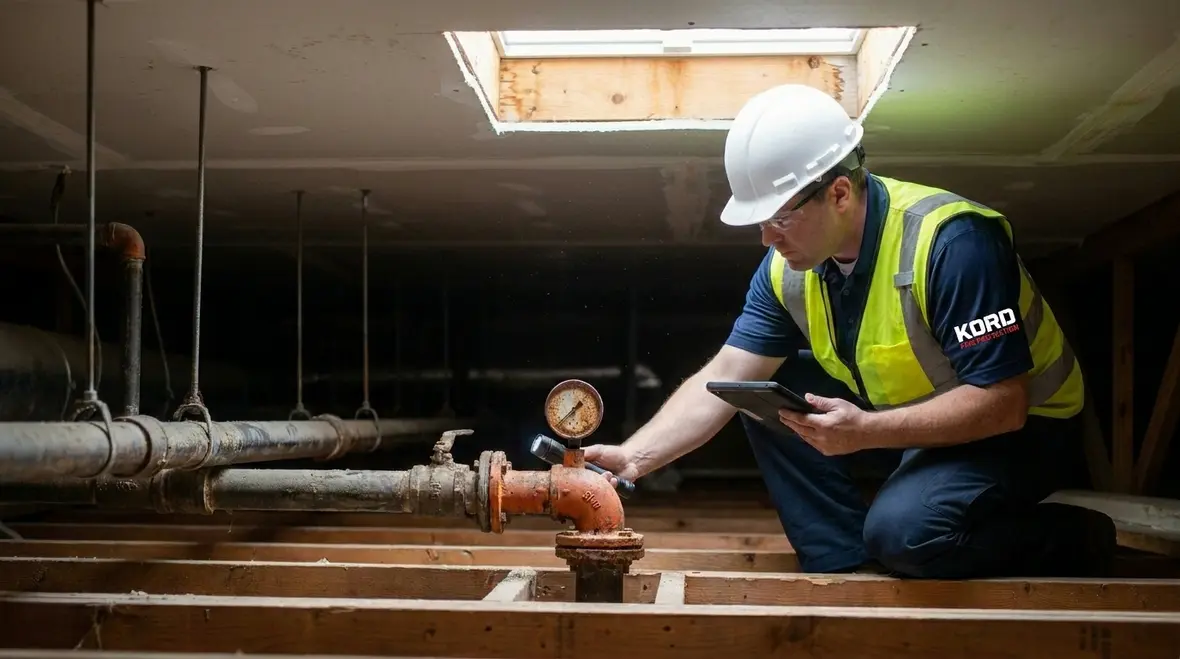
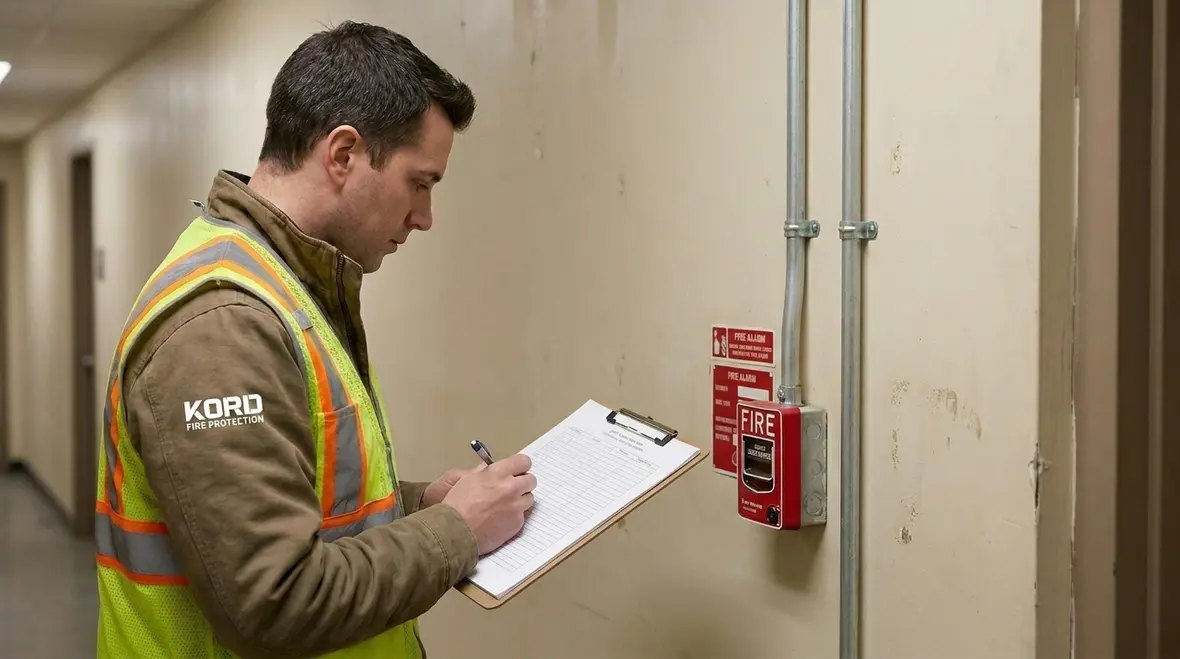
Good inspection does not just check a box. It finds gaps between what the system is designed to do and what it actually does in the building today. During visual checks, technicians look for damaged piping, missing labels, improper access clearances, and signs of leaks. Next, functional tests confirm that detection and release sequences perform correctly. Then, documentation is reviewed so owners can connect issues to dates, work orders, and repair history.
Owners should also ask about the scope of impairment reporting. If the service provider only logs findings but does not explain the operational impact, that owner ends up holding a report with no clarity. Instead, they should receive a clear impairment summary, recommended corrective steps, and an estimated timeline.
This is also where broader inspection discipline pays off. Kord Fire Protection’s inspection, testing, and maintenance guidance reinforces the idea that systems drift when nobody connects field conditions to paperwork, follow-up, and actual performance. That connection matters because a technically minor issue on paper can become a very real impairment in the building.
Why inspection reports need context
A report without interpretation is just a pile of nervous paperwork. Owners need to know whether a noted deficiency affects supervision, release timing, occupant safety, or compliance posture. If a contractor explains what failed, why it matters, and what happens next, decision making gets much easier. If not, the report tends to live in someone’s inbox until the next inspection reminds everyone that time did, in fact, continue moving forward.
Why timely repairs protect people and budgets
When a suppression system suffers a fire suppression impairment, delaying action can raise risk in two ways. First, it reduces the probability that the system will control a fire early. Second, it can increase repair costs as damage spreads. For example, a valve that slowly loses reliability often requires more invasive service if it keeps running in a degraded state.
Owners also face business pressure. If a system stays in impairment, insurers may require proof of correction before coverage continues. Furthermore, building occupants and tenants may lose confidence, and a property can earn a reputation for slow response. The math is simple. Fixing early costs less than rebuilding later. And if that sounds obvious, good. It should be, because firefighters do not get extra time while a system “finishes thinking about it.”
Kord Fire Protection’s Fire Protection Impairment Management Guide highlights the same operational reality. Once protection is reduced, the clock starts. Temporary measures, clear communication, and quick restoration are not nice extras. They are the difference between controlled risk and wishful thinking wearing a safety vest.
Typical impairment causes in real buildings
Not all causes come from neglect. Sometimes, they come from normal wear, changed layouts, or bad assumptions. Below are frequent sources that owners can expect to see during ongoing service.
- Supervisory device issues: pressure or flow problems, stuck switches, or wiring faults that prevent full supervision
- Valve and actuator problems: corrosion, improper draining, or damage after maintenance work
- Detection pathway changes: new racks, blocked vents, or ceiling modifications that reduce air sampling or visibility
- Wrong maintenance actions: incorrect parts, missed updates, or procedures that do not match the original system design
- Environmental stress: moisture, dust buildup, or temperature extremes that affect components
- Standby system downtime: components out of service due to planned work that did not account for the suppression sequence
Then, when the root cause gets identified, the solution becomes clear. Most systems can return to full protection once repairs restore supervision and confirm release readiness.
How building changes create new impairments
One of the sneakiest causes is a building that no longer matches the system’s original assumptions. Tenant improvements, storage changes, remodeled ceilings, shifted airflow, and repurposed rooms can all make an otherwise intact system less effective. In many cases, the hardware did not fail. The environment changed around it. That is why post-construction review matters so much. A suppression setup that made perfect sense two years ago may now be protecting yesterday’s floor plan.
Document control and owner responsibilities
Owners often underestimate the value of clean records. Yet, clear documentation supports everything from code compliance to insurance conversations. First, owners should store inspection results, testing logs, impairment reports, and repair invoices in a single place. Next, they should track trends, not just one event. If the same trouble code shows up repeatedly, that pattern usually points to a specific component that needs replacement or tighter calibration.
Also, owners should confirm that contractors follow the right labeling and that work orders match the equipment. If someone replaces a part but the system records still show the old configuration, the owner ends up with confusion later. And confusion is expensive. It is the duct tape of management, and no one wants it on a fire system.
For a broader look at how documentation gaps turn into citations, repeat deficiencies, and unnecessary return visits, Kord Fire Protection’s article on common fire code violations found in inspections is a useful companion read. It reinforces a simple truth. Missing records and mislabeled systems have a way of becoming everybody’s problem at exactly the wrong time.
Kord Fire Protection as a vital partner
Owning a building means juggling multiple teams, multiple schedules, and multiple priorities. Fire suppression impairment adds one more layer, and it can feel like a surprise bill that arrives right after rent. That is where Kord Fire Protection can become a vital partner. They help owners connect the technical dots, explain the operational impact, and guide corrective steps so the system returns to reliable protection.
Rather than treating impairments like isolated fixes, Kord Fire Protection supports a full service approach that includes inspection planning, impairment documentation, and repair verification. In other words, they do not just stop the alarm. They help owners restore system performance and confidence. As a result, property managers can respond faster, schedule work with less downtime, and communicate with insurers and stakeholders using clear, consistent information.
Owners also benefit from practical guidance on how to prepare the site for service visits, how to manage changes during construction, and how to maintain access to devices. And when the building changes, the protection plan should change too. Otherwise, the system may still exist, but it may not match the reality inside the walls.
A stronger repair path with one partner
When inspections, reporting, repairs, and retesting all run through disconnected vendors, delays creep in fast. One group notes the issue, another prices it, another schedules it, and someone else eventually verifies it. That process can stretch a manageable impairment into a long, awkward season of follow-up emails. A coordinated provider helps compress that timeline so the owner gets clearer answers, faster repairs, and a better shot at keeping normal operations intact.
FAQ: Fire suppression impairment basics
FAQ: Common owner questions during corrective action
Choose fast action, not wishful thinking
Fire suppression systems work when owners support them. When a fire suppression impairment shows up, owners should respond quickly, document everything, and verify performance after repairs. If the building has changed recently, owners should treat impairments as signals, not background noise. Partner with Kord Fire Protection to assess the issue, plan corrective action, and confirm the system returns to reliable operation.
For owners who want one next step instead of ten partial ones, explore Kord Fire Protection’s full fire protection services near the start of your corrective action plan. It is a practical way to move from identified impairment to documented repair and verified readiness. Call today to protect people, reduce risk, and keep your life from becoming an endless “we’ll handle it later.”

Join Our Newsletter!
Get the latest fire safety tips delivered straight to your inbox From our Newsletter.