Fire Suppression Impairment Signs and Kord Fire Protection
Fire suppression impairment can quietly turn a “safe building” into a liability, and owners often discover the problem only after an inspection report or, worse, an incident. In the first few minutes, systems that seem fine can actually be out of spec, delayed, or unable to meet their design intent. Therefore, owners need a clear way to spot risk early, document it well, and fix it fast. This article walks through the practical signs of impairment, why they happen, and how a steady partner like Kord Fire Protection can help owners stay ready instead of reacting like it is always “too late.” And yes, nobody wants their sprinkler system to behave like a scene from a sitcom where the punchline is failure.
What “impairment” really means for fire suppression systems
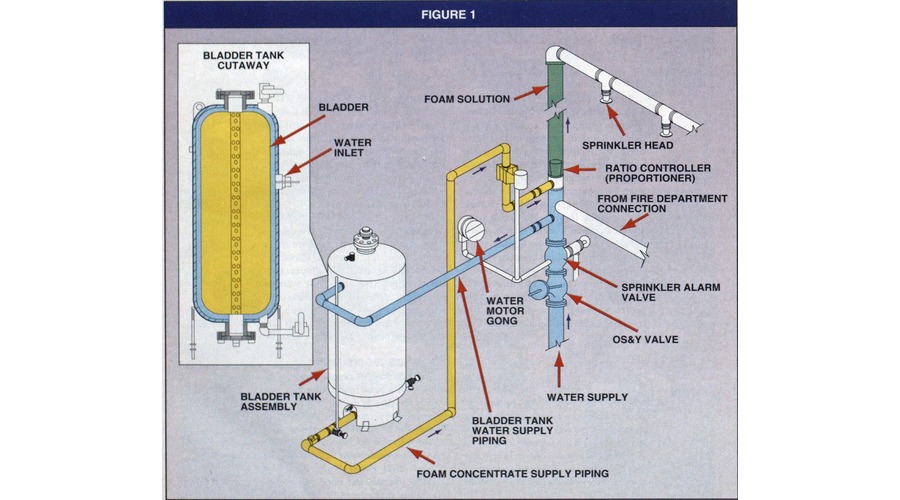
In plain terms, fire suppression impairment refers to any condition that reduces system performance or readiness. It can involve the ability to detect a fire, release agent on time, or maintain the pressure and flow the system needs. Additionally, impairment may come from components that are damaged, bypassed, out of service, or not properly restored after repairs.
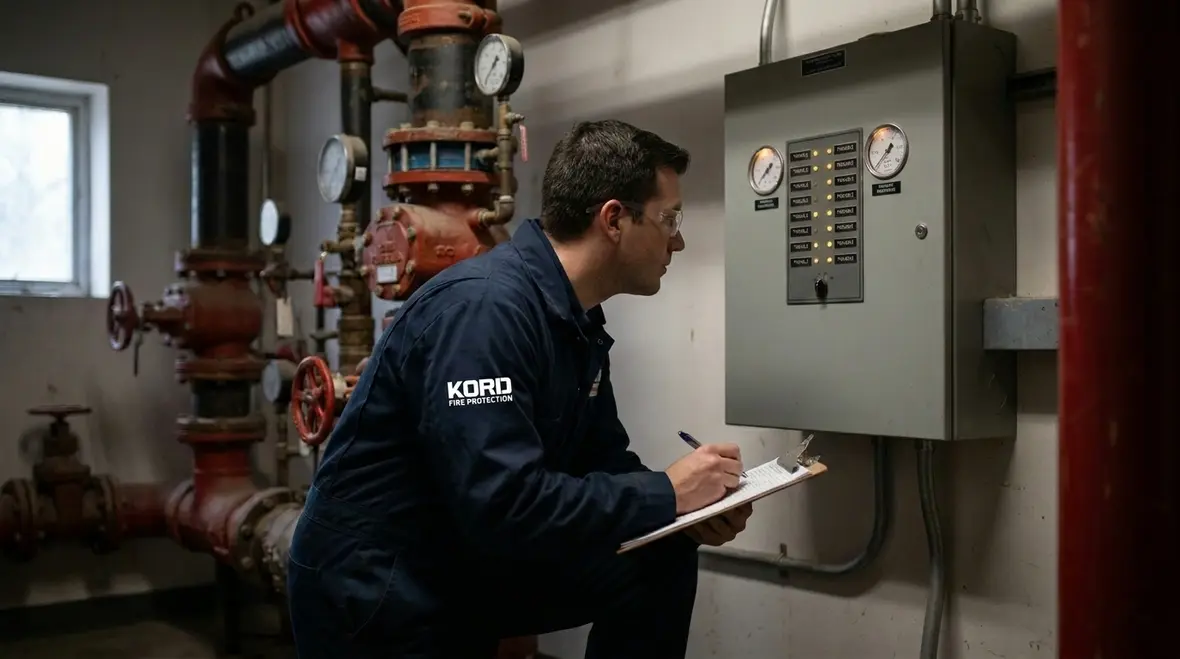
For owners, the key point is this: an impairment is not always obvious. A valve might sit in the wrong position. A control panel might show a trouble state. Or a maintenance action from weeks ago might never have been completed. Over time, these small gaps stack up and raise the chance that the system will not work when it matters most.
That is why impairment should be treated as an operations issue, not just a technical one. If a building team assumes “someone already handled it,” readiness can slip without much fanfare. Kord’s own guidance on fire protection impairment management reinforces the value of acting early, documenting the scope, and restoring systems quickly before a minor gap turns into a much bigger headache.

Common causes of fire suppression impairment owners should watch
Because the systems operate in harsh environments and depend on many parts, impairment often comes from predictable sources. Therefore, owners benefit from understanding the usual suspects and then asking for evidence during inspections and service calls.
Key causes include
- Valves left partially closed after testing or service work, which limits flow
- Disabled detection or control modules, including panels placed in maintenance mode
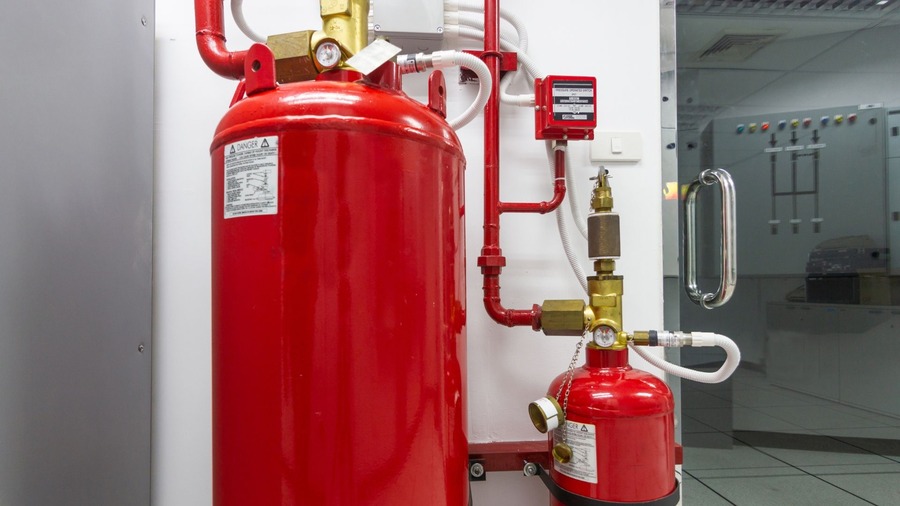
- Pressure and supply issues, such as empty tanks, wrong pressure readings, or supply interruptions
- Corrosion, leaks, or damaged piping that reduce discharge performance
- Improper component replacement, where parts do not match the design or listing
- Work order gaps where repairs occur but the system is not fully restored
And if that sounds annoying, it is. The good news is that most impairment is preventable with disciplined documentation, timely follow up, and clear ownership of tasks.
This is also where routine inspection and testing make a difference. Kord’s article on the full lifecycle of fire protection servicing highlights how valves, alarms, pressure levels, and maintenance records all need regular attention. In other words, the impairment usually starts before anyone notices it, which means consistent servicing is often the least dramatic and most effective fix.
How inspectors and technicians spot impairments during walkthroughs
Owners often ask what “counts” as impairment. While codes and standards vary by system type, inspection teams typically look for three things: system status, system condition, and system response. Consequently, the inspection process should not feel like a quick glance and a signature. It should look like a methodical check.
Technicians usually confirm
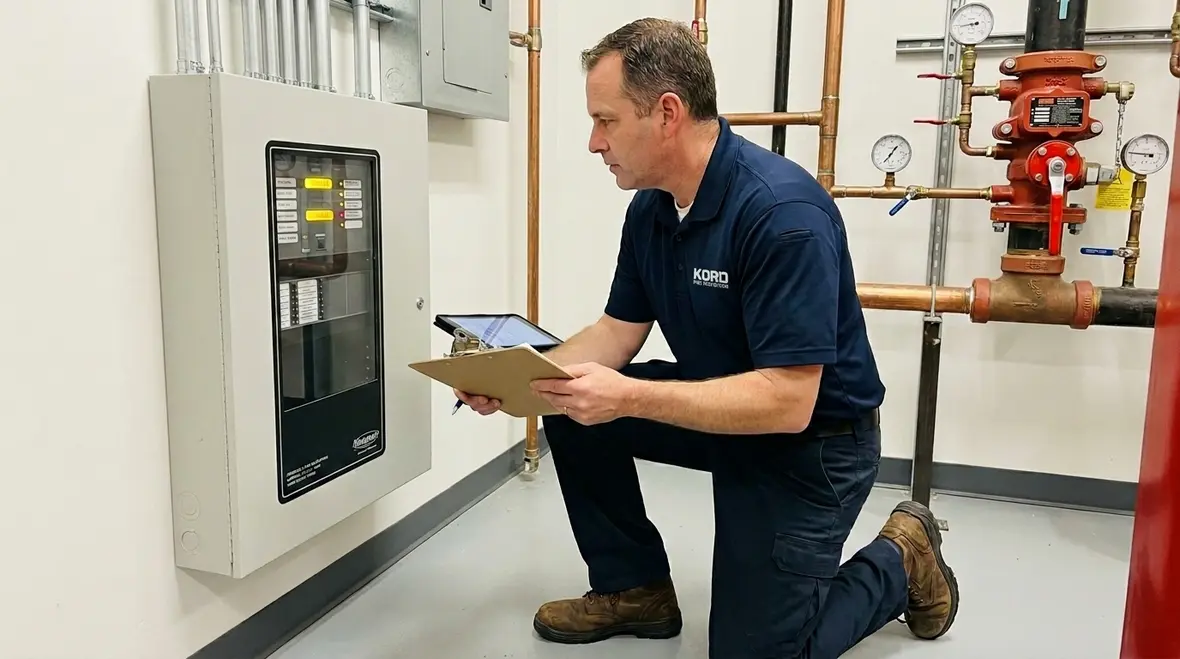
- Trouble signals on control panels, which may indicate loss of supervision or faults
- Valve position and tamper indicators, so the system matches its intended state
- Recent test results, including flow tests, inspections, and maintenance reports
- Correct labeling and accurate recordkeeping tied to device IDs
- Recent alterations from tenant work, construction, or equipment changes
At the same time, a strong service partner also reviews the story behind the report. For example, they ask whether a trouble condition was cleared, whether it returned, and whether the root cause got fixed. In other words, they do not just close the ticket. They close the risk.
That approach fits well with Kord’s emphasis on documentation and service continuity. Their post on fire safety system documentation for compliance makes the practical point that organized logs, inspection records, and maintenance reports are not busywork. They are how owners prove what happened, what was fixed, and what still needs attention.
Why building changes trigger system issues over time
Buildings rarely stay still. Tenants move, walls get built, racks shift, and mechanical rooms get “temporarily” rearranged. Even small changes can affect water delivery, piping access, coverage, and electrical supervision. Therefore, owners should treat impairment prevention like a living program, not a one-time event.
Common change drivers include
- Construction and remodels that redirect piping paths or block access panels
- New equipment loads that affect power supply or control circuits
- Storage changes that increase combustible load near protected areas
- Seasonal system operations where freeze protection or heat tracing needs attention
- Tenant handoffs where documentation does not transfer cleanly
When a system remains linked to its design intent, it usually performs better. When it drifts, impairment risks rise. This is where a partner like Kord Fire Protection can act as the steady hand. They help owners connect project planning to fire protection needs, so upgrades do not quietly create new weak points.
Industrial and commercial environments especially feel this drift over time. Kord’s piece on industrial fire sprinkler systems for industrial safety notes that storage layouts, machinery, and environmental debris can all change how a system performs. Translation: the building changed, but the suppression strategy may not have gotten the memo.
Best practices for owners to reduce fire suppression impairment risk
Owners can take real steps that lower exposure. However, these steps work best when they are consistent and tracked. So instead of hoping “the next inspection will catch it,” they build a routine.
Practical owner actions include
- Require scheduled inspections and maintenance with clear service records
- Track impairment history in a single log so patterns show up early
- Set rules for after-repair verification, including valve checks and panel status review
- Coordinate with contractors so hot work, demolition, and piping changes trigger a fire system review
- Train site staff on what alarms and trouble states mean and who to call
- Audit documentation to confirm the labels and maps match the actual system
To make this easy, many owners use a simple workflow. Below, a dual-column guide supports action planning without burying anyone in paperwork.
Now, imagine if that workflow happens every time. That is not glamorous, but it works. It also keeps owners from living like detectives in a mystery where the “suspect” is always the missing maintenance step.
For owners trying to connect all the dots, Kord’s overview of full fire protection services is a useful next stop. It shows how inspections, repairs, testing, retrofits, and ongoing service fit together into one managed program instead of a stack of unrelated appointments.
Why Kord Fire Protection helps owners manage impairment responsibly
Fire safety demands skill, yes, but it also demands follow-through. Kord Fire Protection positions itself as a vital partner because they support the full loop: inspection clarity, impairment resolution, verification, and documentation owners can use. In addition, they help teams understand what the findings mean in real-world terms, so owners can make decisions without guessing.
Just as importantly, they align service with building realities. That includes scheduling around occupancy, coordinating with contractors, and ensuring that after repairs, the system returns to its intended operating state. Owners do not need to become fire system experts. They need a partner that treats readiness as a business priority, not a checkbox.
And when it is time for compliance or an internal review, having organized records and confirmed performance reduces stress. Nobody wants compliance season to feel like finals week with a sprinkler problem for extra credit.
FAQ
Owner next steps: act now, stay protected
Fire suppression impairment is manageable, but only when owners respond early and document everything. Therefore, they should review inspection findings, track impairment history, and demand after-repair verification. Next, they can strengthen their process by coordinating system checks with remodeling and tenant changes.
If an impairment shows up, owners should not delay. Reach out to Kord Fire Protection for a clear plan to assess, correct, and verify readiness. For direct support, explore Kord Fire Protection’s fire suppression and inspection services and build a response process that works when it counts. The goal is simple: systems that work, records that make sense, and audits that feel boring in the best way.

Join Our Newsletter!
Get the latest fire safety tips delivered straight to your inbox From our Newsletter.