NFPA 2001 Section 1.5 Clean Agent Systems Upgrade 2025
Quick Answer: NFPA 2001 Section 1.5 does not automatically force every existing clean agent system to be upgraded to the 2025 edition. In most cases, older systems can stay in service if they remain compliant with the code that applied at installation. However, changes in risk, building use, hardware condition, or site rules can trigger upgrades. That is where careful review matters.
For industrial, retail, commercial, and facility owners across Australia, NFPA 2001 retroactivity existing clean agent systems is the key issue. The short version is simple: older clean agent systems do not usually need a full replacement just because a new edition exists. Still, NFPA 2001 Section 1.5 sets the ground rules for when an existing system can remain in place and when it may need upgrades, testing, or redesign. In plain English, the code does not kick down the door and demand a full makeover just because the calendar rolled over. It is not that dramatic.
If your facility depends on a protected server room, telecom space, archive, control room, or other sensitive area, it also helps to understand how clean agent fire suppression services support inspection, repairs, and long term system reliability. That link matters because an upgrade decision is rarely only about paperwork. It is about whether the system still protects what you actually have in the room today.
What NFPA 2001 Section 1.5 Means in Practice
Section 1.5 deals with existing systems and how later editions of the standard apply to them. Generally, the rule protects systems that were designed, installed, and accepted under earlier requirements. Therefore, an installed clean agent system does not become unsafe or non compliant only because the 2025 edition now exists.
That said, owners should not treat the section like a free pass. If the building changes use, the hazard changes, or major system parts wear out, the site may need an update. In other words, the code respects history, but it still expects the system to do its job. Fire does not care about vintage status, and it rarely shows respect for paperwork.
Why this matters for real facilities
That practical difference is where many owners get tripped up. They hear “existing system” and assume nothing needs attention. What the standard really suggests is more sensible than that. If the original design still fits the hazard, the enclosure still performs, and the equipment remains serviceable, the system may continue doing its job just fine. But if the site has drifted away from the original design assumptions, the old approval paperwork starts looking less like a shield and more like a historical souvenir.
When Existing Clean Agent Systems Stay in Service
Many systems remain acceptable when they continue to match the approved design basis. This often applies when the protected area, storage layout, and occupancy have not changed much. Also, if inspection, testing, and maintenance stay current, the system can often keep operating without a full upgrade.
Systems often stay in service when:
- The original design still fits the hazard
- Monthly, quarterly, and annual checks remain up to date
- Agent storage, discharge devices, and controls work as intended
- No major remodel has changed room volume or enclosure integrity
- The authority having jurisdiction accepts the existing setup
So, the real question is not only whether the system is old. The better question is whether the system still matches the risk. That is the part that keeps people safe and insurers calm, which is always a nice bonus.
The original design basis is still the anchor
In many facilities, the clean agent system was designed around a very specific room volume, fuel load, equipment arrangement, and occupant profile. If those basics remain substantially the same, there is often a strong case for keeping the system in service while maintaining it properly. That means records matter, integrity matters, and disciplined testing matters. Nobody enjoys digging through old binders, but those dusty documents can suddenly become the most popular paperwork in the building.
This is also why resources like NFPA 2001 guidelines for clean agent fire suppression systems are useful during reviews. They help owners and managers understand what current expectations look like before deciding whether the answer is keep, repair, upgrade, or redesign.
When NFPA 2001 Retroactivity Triggers an Upgrade
Even if a system began under an earlier standard, some events can trigger review or upgrade. A site may need action if the protected space changes, if the control panel becomes obsolete, or if the agent no longer suits the fire risk. Likewise, a system that has repeated faults or failed tests may need a deeper fix.
Common upgrade triggers include:
- Building expansion or room reconfiguration
- Change in stored goods, process equipment, or data systems
- Damage to nozzles, piping, valves, or release hardware
- Control panel or detection issues
- New local compliance or insurer requirements
This is where NFPA 2001 retroactivity existing clean agent systems becomes more than a code phrase. It becomes a practical decision about risk, compliance, and business continuity. After all, a clean agent system should protect the room, not become a museum exhibit.
Common situations that quietly change the answer
Sometimes the change is obvious, like a wall moving or a room getting larger. Sometimes it is sneakier. A facility swaps out hardware, adds cable trays, changes airflow patterns, or repurposes a room that was once low risk into something more critical. On paper, the clean agent system is still there. In practice, it may no longer be protecting the same hazard under the same conditions. That is the moment when “we already have a system” stops being the end of the conversation.
How to Compare the Old System and the 2025 Edition
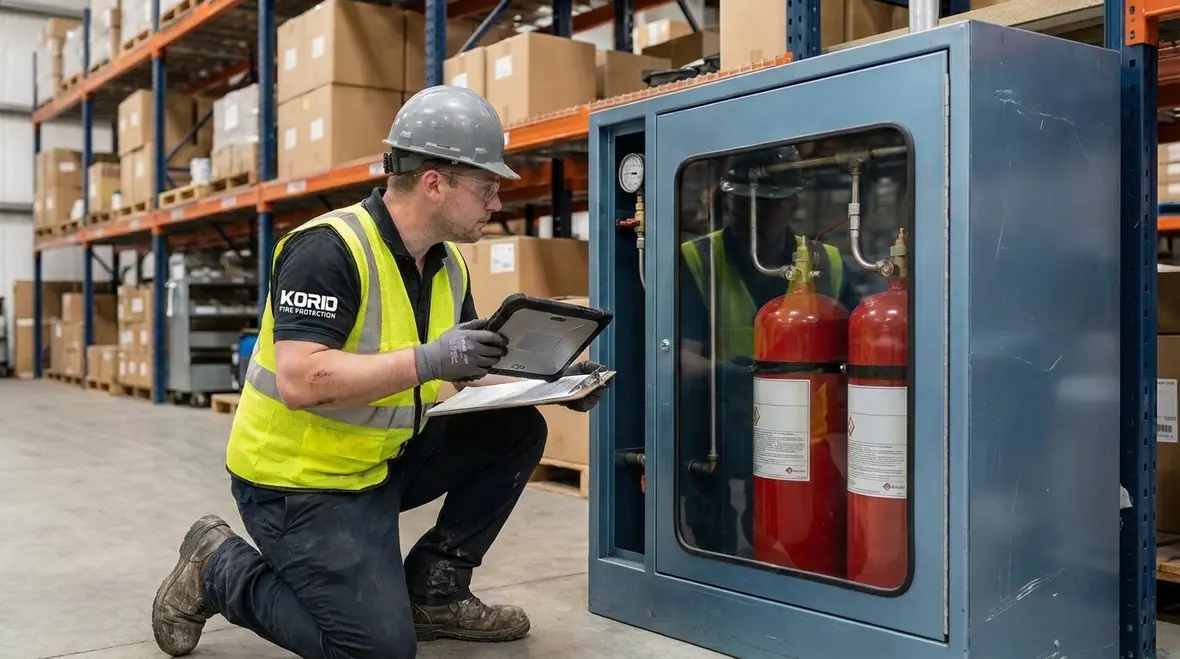
Owners should compare the existing system against the current edition in a clear, step by step review. First, they should check the original design documents. Next, they should confirm the enclosure still holds agent concentration for the required time. Then, they should test detection, alarm, release logic, and shutdown functions. Finally, they should verify that spare parts and service support still exist.
Existing system versus 2025 edition
- Design basis: Does the original design still match the hazard?
- Detection: Are detectors, panels, and release circuits reliable?
- Enclosure integrity: Does the protected space still hold the agent?
- Maintenance access: Can technicians still service the system properly?
- Documentation: Are records complete and current?
This side by side review helps owners avoid guesswork. It also stops the classic “She’ll be right” approach from becoming a very expensive lesson.
A practical review beats assumptions every time
A smart comparison is not about hunting for reasons to replace everything. It is about identifying what still works, what needs support, and what no longer fits the site. That may lead to a modest repair, a control upgrade, enclosure sealing work, new detection, or in some cases a larger redesign. The benefit of a structured review is that it replaces vague worry with actual decisions, which is a much better use of everyone’s blood pressure.
How Kord Fire Protection Adds Real Value
Kord Fire Protection can become a vital partner for this service and job because this work needs more than basic maintenance. It needs a team that can inspect, test, assess, and guide the owner through the right decision. For Australian facilities, that support matters across warehouses, plant rooms, server spaces, retail sites, and critical commercial assets.
Kord Fire Protection can help by reviewing existing clean agent systems against current standards, spotting gaps in performance, and advising whether the system needs repair, upgrade, or replacement. Moreover, Kord can support compliance records, service reports, and practical recommendations that help owners make decisions with confidence. That is the sort of partner that turns code confusion into a clear action plan.
When a site manager needs straight answers, Kord can bring them. When a facility needs service that keeps operations running, Kord can bring that too. That combination saves time, lowers risk, and keeps the business focused on business, not on fire code headaches.
Why support matters more with older systems
Legacy systems can be perfectly workable, but they often come with quirks. Replacement components may be harder to source. Documentation may be incomplete. The room may have changed in little ways over several years without anyone stopping to rethink the suppression design. A capable partner helps connect those dots before a missed detail turns into a compliance problem or a failed discharge sequence at the worst possible time. That is not a surprise anyone wants on the calendar.
What Australian Facility Owners Should Do Now
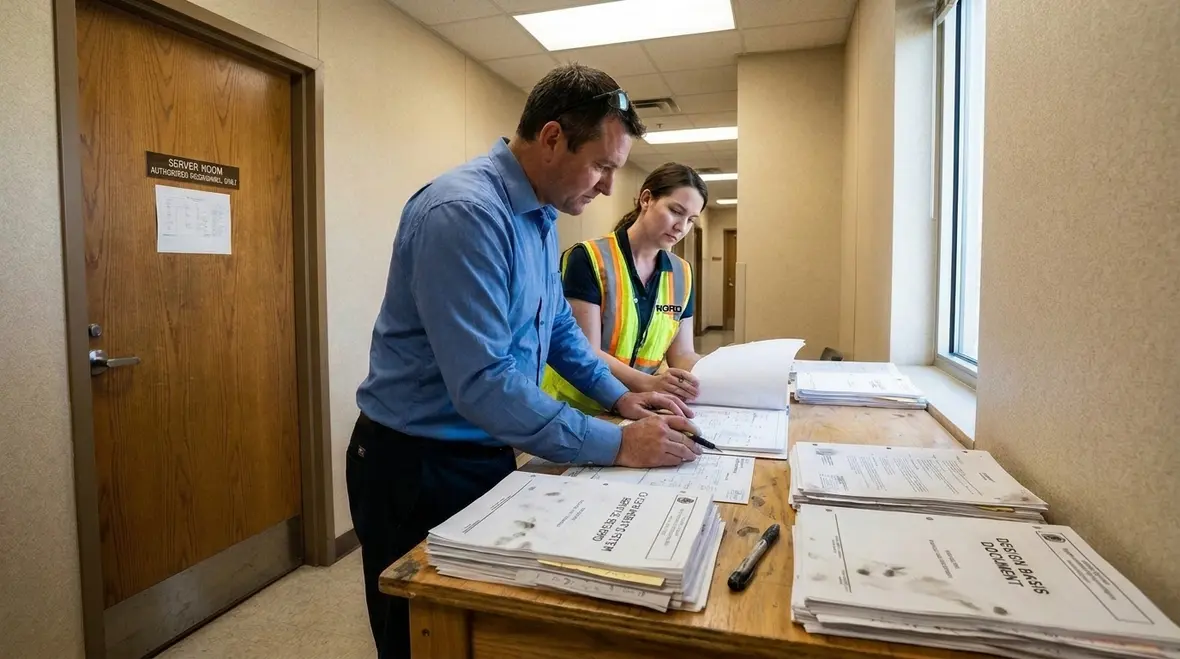
Facility owners should begin with a full system review, not a rushed replacement. Then they should confirm the original installation basis, current hazard, and local compliance needs. After that, they should schedule inspections and integrity testing where needed. If gaps appear, they should act before a failure does the choosing for them.
For industrial, retail, and commercial sites, this process protects uptime and reduces surprise costs. It also helps owners plan upgrades on their own timeline instead of during an emergency. That is always a better story.
A sensible next-step checklist
- Gather original design, commissioning, and service records
- Confirm the room use, hazard profile, and enclosure condition
- Review detection, controls, and release hardware for reliability
- Check whether parts and qualified service support are still available
- Prioritize repair, upgrade, or redesign based on actual risk
That kind of methodical review gives facility owners room to plan. It helps avoid panic spending, supports smoother compliance conversations, and keeps the decision tied to the real hazard instead of guesswork. In a world full of expensive surprises, fewer of them is usually a winning strategy.
FAQ
Moving Forward with Confidence
Existing clean agent systems do not automatically need a full upgrade just because the 2025 edition exists. However, the right review can reveal hidden risks before they become costly. Kord Fire Protection can help Australian facilities make the right call, keep systems reliable, and stay ready for whatever the fire risk decides to throw at them.
The smartest move is not guessing and it is not panicking. It is reviewing the system against the actual hazard, current building conditions, and service reality. That way, owners can keep what still works, improve what no longer does, and avoid turning a manageable fire protection question into an expensive drama.

Join Our Newsletter!
Get the latest fire safety tips delivered straight to your inbox From our Newsletter.