Fire Sprinkler Water Damage Prevention for Electrical Safety
Quick Answer
Accidental sprinkler discharge can flood control panels, scorch electrical cabinets, and shut down critical systems. Smart coordination, protective barriers, and pre job checks reduce risk. With fire sprinkler water damage prevention, Kord Fire Protection helps facilities plan safely, document properly, and keep power and uptime protected.
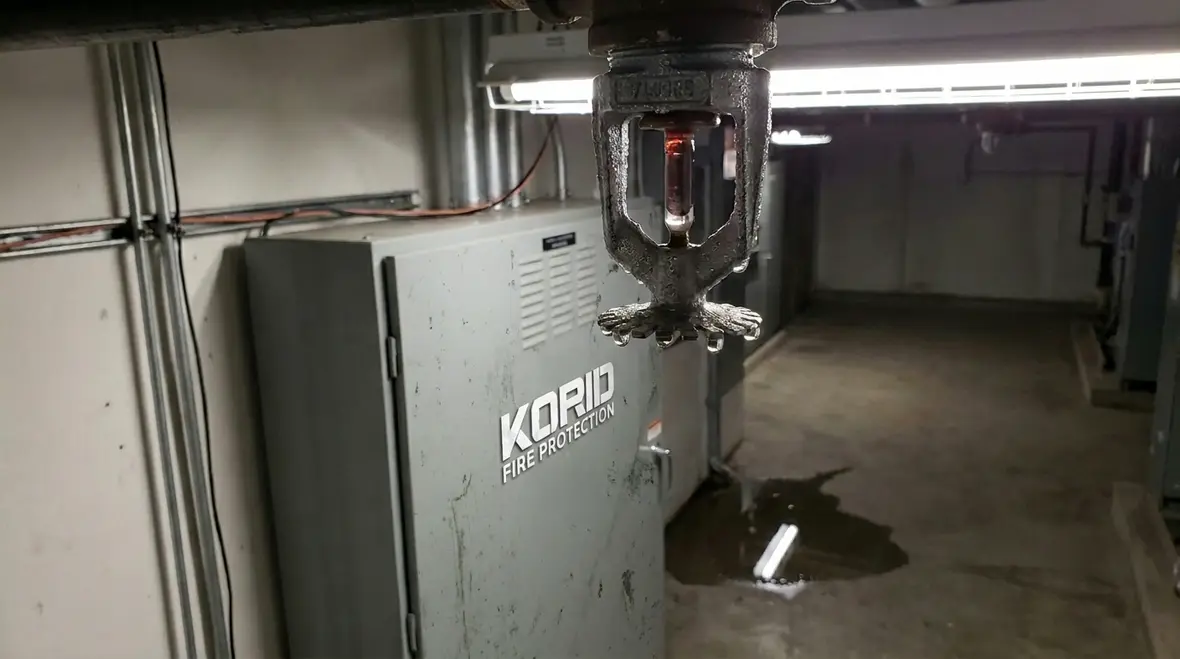
When sprinklers accidentally discharge during maintenance, construction, or nearby incidents, fire sprinkler water damage prevention becomes more than a phrase. It becomes a business protection plan. Electrical assets in industrial and commercial sites do not forgive mistakes, and water does not care about “just a little leak.” It can short circuits, damage insulation, and trigger downtime that costs more than the job itself.
In this guide, Kord Fire Protection plays a key role as a dependable partner, helping facilities protect electrical systems while sprinkler work happens safely and deliberately. If your site needs experienced fire sprinkler system service, the smartest time to coordinate protection is before somebody says, “It will probably be fine.” That sentence has ruined many afternoons.
The challenge is not just the obvious splash or puddle. Water can move overhead, behind walls, below equipment, and through cable pathways before anyone notices visible trouble. That means facilities managers, maintenance teams, and contractors need a shared plan that treats water migration like the sneaky problem it is. A little preparation now prevents the expensive version of the story later.
Why sprinkler discharge threatens electrical systems
Even a small discharge can travel along cable trays, soak baseboards, and creep into conduits. Water paths are sneaky. For that reason, electrical risk often starts before anyone sees visible flooding. Moisture can settle inside enclosures, affect terminations, and reduce insulation resistance over time.
In facilities with distributed control systems, switchgear rooms, motor control centers, and lighting panels, the stakes rise quickly. Water can also create a conductive surface where it normally would not exist. As a result, equipment may fail immediately, or it may fail later, when maintenance teams assume everything is “dry enough.”
Finally, sprinkler discharge can interfere with safety systems that people rely on every day. If a fire alarm panel, emergency power distribution, or communications network gets compromised, the facility loses both function and confidence. And nothing says “fun day” like an unexpected shutdown.
What happens during accidental discharge and why timing matters
Accidental discharge often occurs during sprinkler testing, line repairs, ceiling work, demolition, or contractor activity. However, what matters most is the sequence of events. Water must be contained long enough to prevent intrusion, while power systems must remain safe.
Within minutes, water can breach door thresholds, collect in pits, and run through penetrations. Then, the longer the duration, the more it migrates. For example, sealed gaskets can fail under pressure, and vapor can linger inside cabinets even after the visible water is cleared.
Therefore, responders and contractors need a timeline plan. Kord Fire Protection helps coordinate that plan so teams act fast, document conditions, and reduce the chance that water damage spreads beyond the immediate area. In the same way a good fire watch does not “assume” safety, a good electrical protection plan does not guess.
Why the first few minutes matter so much
The first response window determines whether the issue stays local or becomes a building wide headache. If teams know which valves matter, which rooms contain critical gear, and which barriers are already staged, the event becomes manageable. If they do not, water gains a head start and chaos gets promoted to supervisor.
How to plan fire sprinkler water damage prevention before work starts
Effective fire sprinkler water damage prevention starts before anyone touches a valve. First, the site should map the electrical criticality of areas. Switchgear, data rooms, control cabinets, and life safety-related panels require special attention, not generic protection.
Then, teams should run a pre job risk review. They should identify sprinkler heads, suspect zones, pressure conditions, and any nearby equipment that sits at floor level or near cable trays. After that, they should confirm access routes for isolations, cleanup, and inspection. If a team cannot reach the area quickly, it will not fix problems quickly.
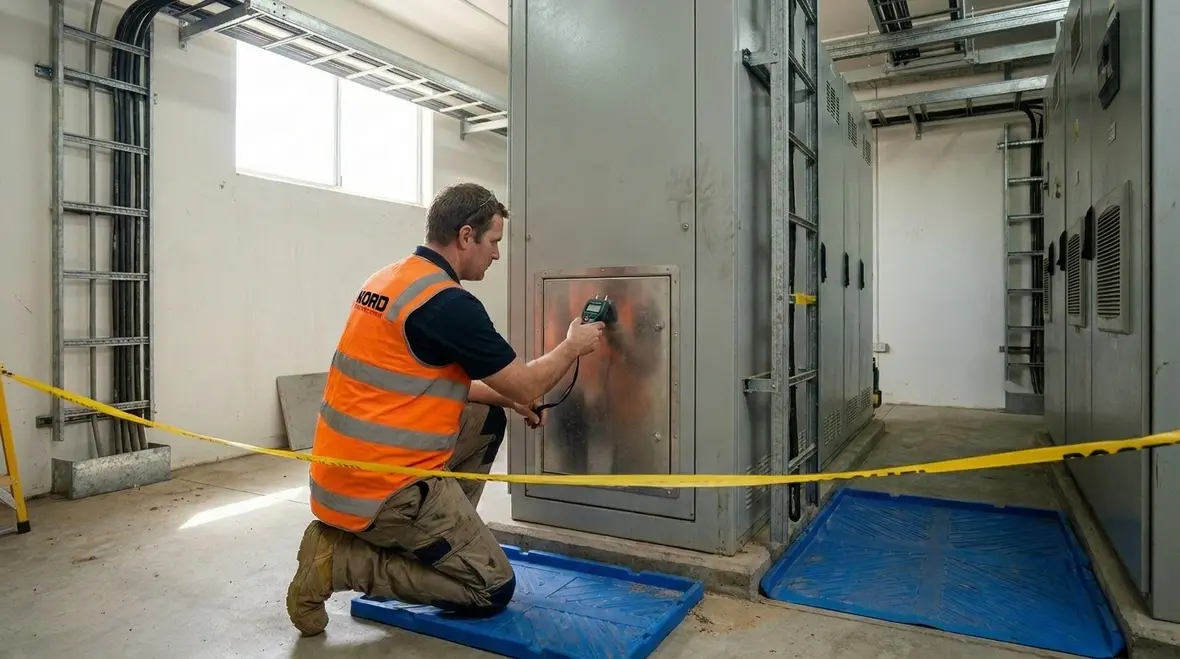
Next, protective steps should align with the job method. For some tasks, the right approach may involve temporary covers that meet safe standards and do not interfere with sprinkler performance. For other tasks, isolation and controlled monitoring may be required. The facility should not treat this like a DIY project. Electrical rooms are not “decorate and hope.”
Kord Fire Protection becomes a vital partner here because it can align sprinkler work, protection strategies, and on site checks into one controlled process. That coordination reduces surprises, and it keeps the facility compliant and calm. It also fits naturally with related Kord guidance on electrical interlocks in fire sprinkler systems, where sequencing and coordination already play a big role in keeping systems predictable.
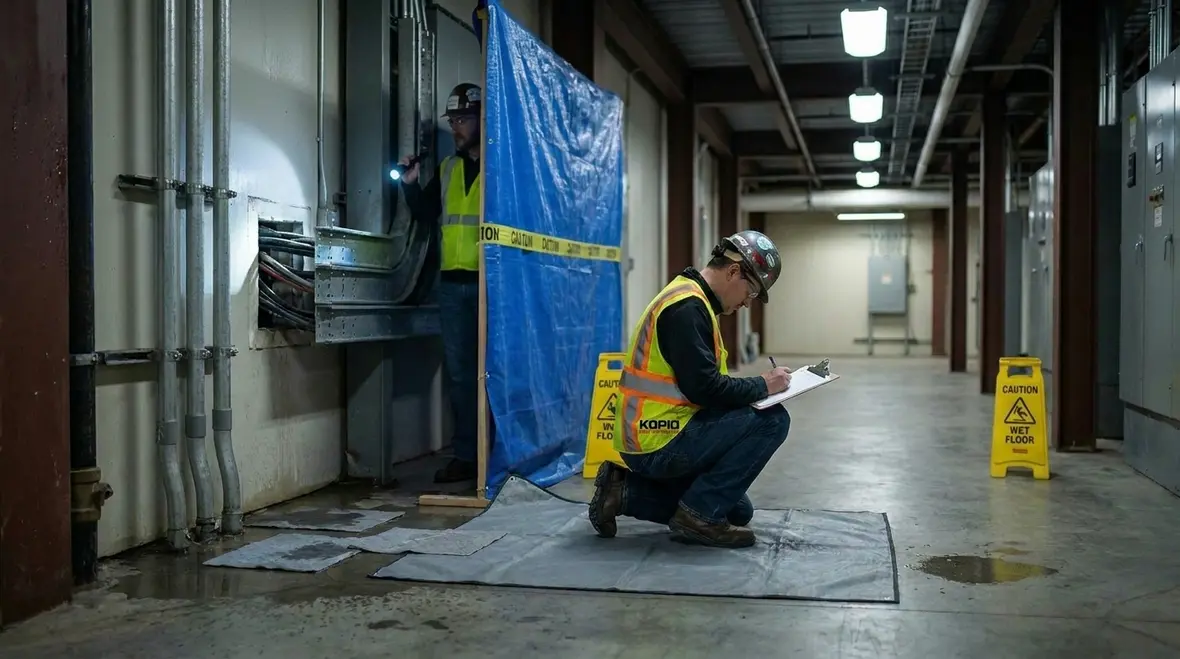
Protective measures that actually work for commercial and industrial sites
Protection must do three things: block water entry, control spread, and allow inspection. That is where practical measures matter.
Key controls facilities use
- Barrier and cover selection: Use covers and barriers designed for the environment and for access needs, so technicians can verify dryness and equipment condition.
- Drainage and containment planning: Define where water can collect safely and how cleanup crews will reach it without spreading moisture through other areas.
- Cable pathway safeguarding: Treat cable trays, conduit penetrations, and service entrances as water entry points, not as “background details.”
- Access control and supervision: Keep non essential personnel away from risk zones and confirm supervision during active work periods.
- Inspection points: Plan where staff will check for moisture, elevated humidity, and residue on enclosures.
Additionally, teams should plan for verification. Simply covering equipment is not the end. After a discharge event, the facility should confirm dryness inside enclosures where corrosion and conductive residue can begin. Over time, that residue can creep into connectors and compromise reliability.
Because commercial and industrial sites vary, Kord Fire Protection supports these measures with job specific planning, tailored coordination, and clear steps that fit real workflows. It is the difference between “we tried” and “we managed it.”
Controls that protect uptime, not just equipment
The most effective controls are the ones that support operations while reducing risk. Good barriers, smart drainage planning, and defined inspection points help people do the work without turning the site into a guessing game. That is especially important in buildings where downtime costs stack up faster than anyone wants to admit in the meeting.
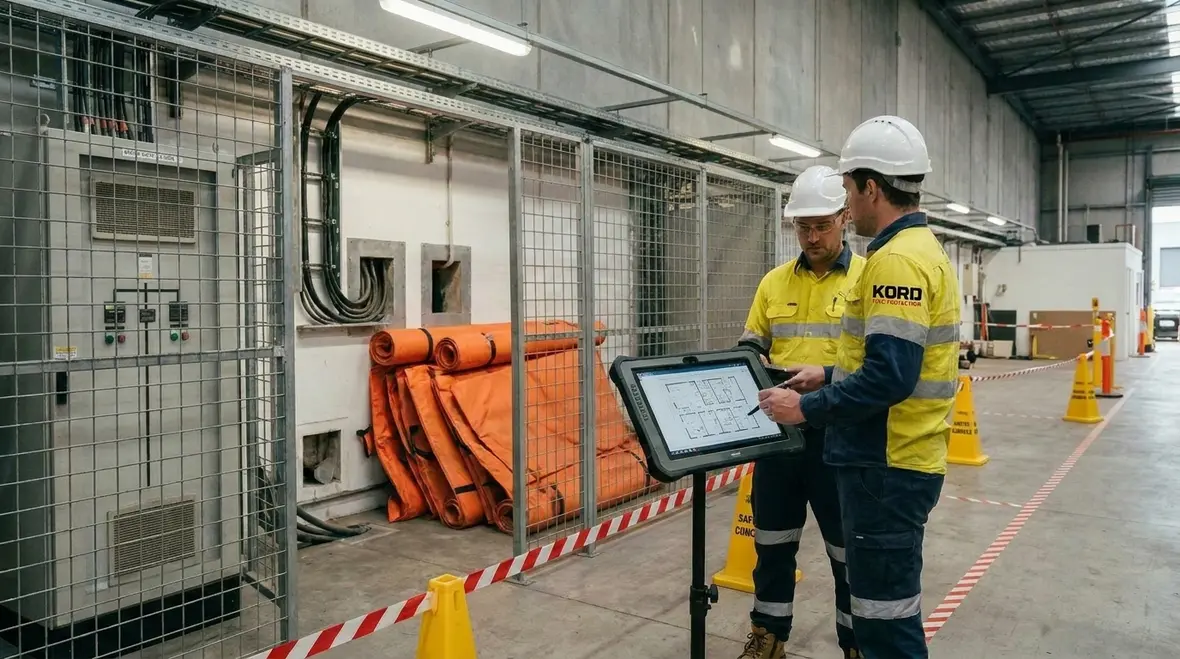
Inspection, documentation, and cleanup after a discharge
After accidental discharge, response speed determines outcomes. However, speed alone is not enough. The facility should protect electrical assets through structured inspection and documentation.
First, teams should isolate electrical areas if conditions warrant, especially where water exposure could create conductive paths. Next, they should remove standing water in a way that does not force water deeper into cable routes. Then they should inspect equipment with a method that matches the risks, including checking enclosures, junction points, and accessible terminations.
After that, they should document what happened: location, duration, materials affected, and the condition of relevant equipment. Documentation helps decision makers approve remediation steps and helps contractors understand what must be verified before return to service.
Finally, the facility should consider monitoring. Moisture can remain even when things look dry. Therefore, a documented inspection process with clear standards reduces the risk of hidden damage. Kord Fire Protection can assist by aligning sprinkler related response steps with electrical protection needs, so cleanup supports full recovery rather than temporary reassurance. This also pairs well with Kord’s broader advice on sprinkler system water flow monitoring, because early detection and accurate records make a much better team than crossed fingers.
Common mistakes facilities make, and how to avoid them
Facilities often lose the safety battle by making predictable mistakes. And yes, some of them are as avoidable as showing up to site without a plan, or bringing a calculator to a welding job. But these errors happen.
- Late risk review: Teams wait until work starts, then scramble to protect electrical assets. That creates gaps.
- Over general protection: They cover “everything” without prioritizing the most critical electrical rooms and cabinet locations.
- Ignoring cable paths and penetrations: Water follows routes, and conduit routes act like highways.
- No verification steps: Staff rely on visible dryness and skip enclosure checks.
- Weak coordination: Contractors handle sprinkler work and electrical protection like they live in separate universes.
To avoid these issues, the facility should build a clear, joint plan that coordinates sprinkler activities with electrical risk controls. Kord Fire Protection helps align those responsibilities into one controlled job approach. In business terms, it protects uptime, reduces rework, and improves confidence for everyone involved, from maintenance to management.
Choosing Kord Fire Protection as the partner for safer sprinkler work
When electrical assets sit at the heart of operations, the facility needs a partner that understands both sprinkler systems and the practical realities of keeping equipment safe. Kord Fire Protection helps industrial, retail, and commercial sites handle sprinkler related work with structured planning and clear job site coordination.
As a result, facilities gain a safer pathway for maintenance, testing, and construction activities. They also reduce the chance that fire sprinkler water damage prevention becomes “a good idea” instead of a proven process. And nobody wants a good idea that turns into a costly incident. That is the kind of plot twist businesses do not need.
When teams choose Kord, they gain an experienced partner who can support planning, coordination, and practical measures that fit the site. It is partnership that supports safety, compliance, and continuity of operations. For facilities that want to go deeper on prevention minded maintenance, Kord also covers related topics like automatic sprinkler system reliability maintenance best practices, which reinforces the same idea: the calm, organized approach usually wins.
FAQ
Conclusion
Accidental sprinkler discharge can damage electrical assets faster than most teams expect, especially when cable routes and enclosures get exposed. Kord Fire Protection helps facilities build practical fire sprinkler water damage prevention into every sprinkler related job, from pre planning to post event verification.
If the site needs safer coordination for industrial, retail, or commercial operations, reach out to Kord Fire Protection and schedule a risk review today. It is a much better plan than waiting for a surprise discharge to introduce itself the hard way.

Join Our Newsletter!
Get the latest fire safety tips delivered straight to your inbox From our Newsletter.