Fire Standpipe Pressure Testing for High Rise Safety
Quick Answer
High rise safety depends on standpipe systems that work under real fire conditions, not just on paper. This article shows how fire standpipe pressure testing and smart optimization improve reliability, reduce delays, and support compliance across commercial, retail, industrial, and facilities teams. And yes, Kord Fire Protection helps keep it all running.
In high rise operations, milliseconds matter, and water delivery cannot be guesswork. That is why fire standpipe pressure testing should appear early in the planning process, often within maintenance windows and commissioning schedules. When teams measure pressure, flow, and consistency, they can fix weak points before an emergency turns into a very expensive drama. Meanwhile, Kord Fire Protection can become a vital partner by coordinating inspections, addressing corrective actions, and aligning system performance with real site risk. After all, a standpipe that “sounds fine” but performs poorly is like a smoke alarm with stage fright.
For facilities that want broader system support beyond standpipe work alone, Kord Fire Protection also provides fire alarm service systems that fit naturally into a more complete life safety strategy. When alarm, notification, and water based protection all stay aligned, building teams get fewer surprises and better readiness across the site.
Standpipe performance starts with accurate testing
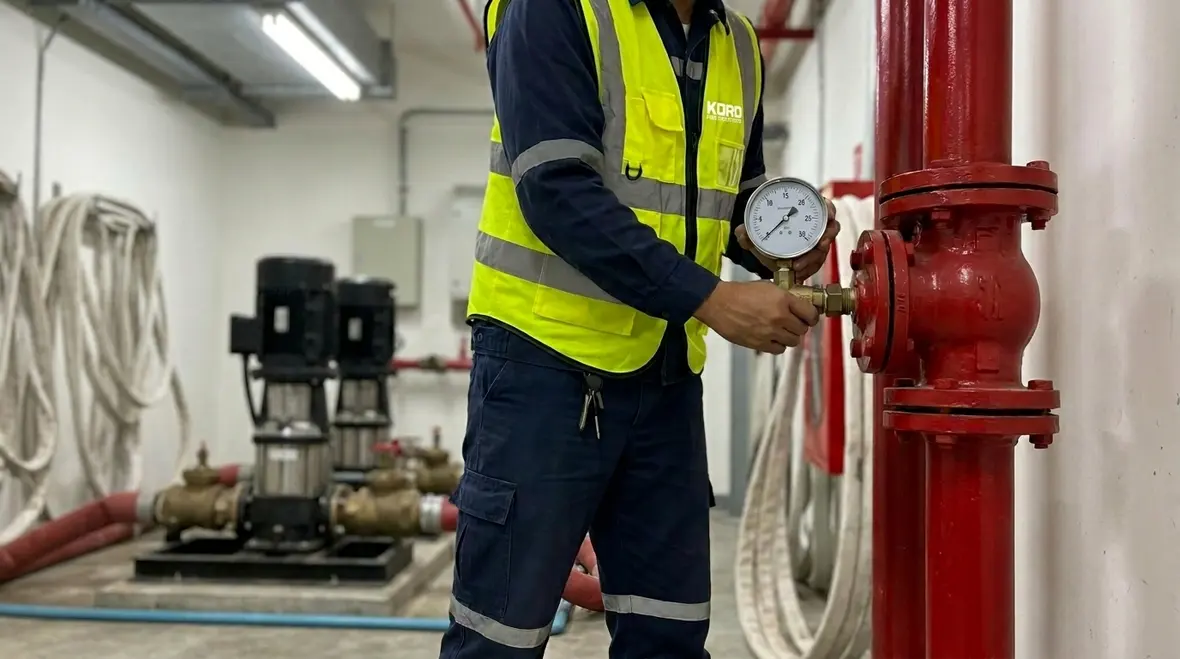
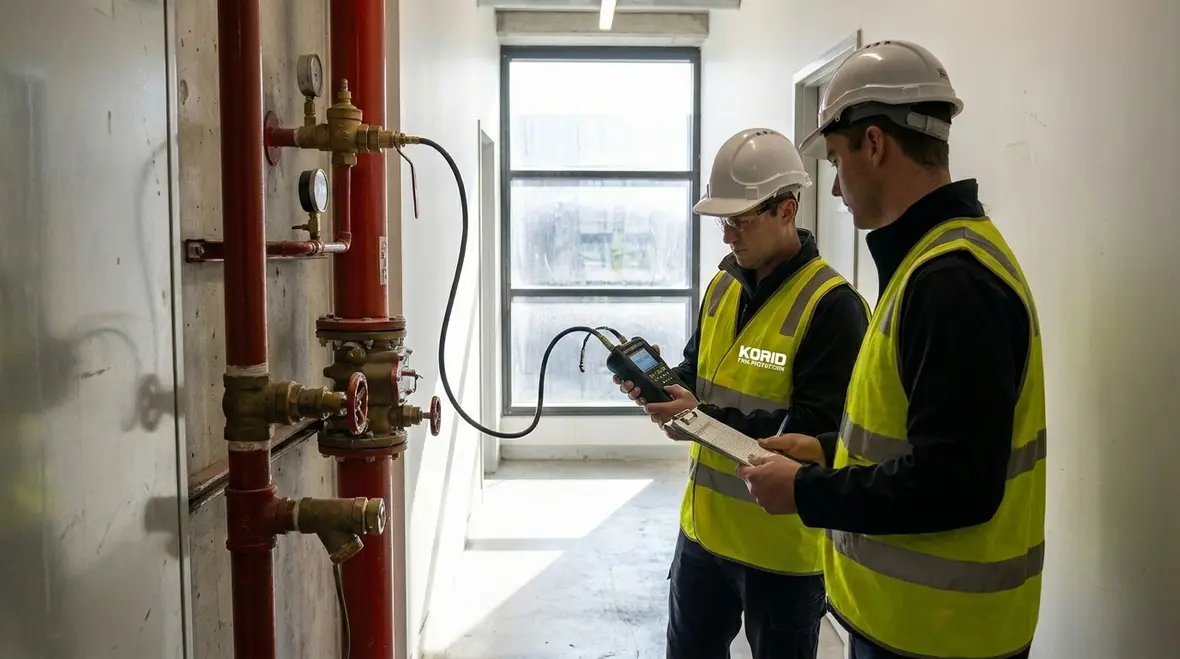
Fire standpipe systems serve as the backbone for firefighting operations in tall buildings. Therefore, performance must be verified using practical checks, not assumptions. Fire standpipe pressure testing confirms that the system can deliver the required pressure at the right locations, under expected conditions, and within the timeframes that emergency procedures require. When testing includes both static and flow conditions, technicians can identify whether problems come from water supply, pumps, valves, piping restrictions, or water hammer effects.
To optimize performance, facilities teams should treat testing like a diagnostic conversation, not a tick box. First, they should map test points to the building’s hydraulics and expected hose line use. Next, they should verify whether booster pumps engage properly and whether pressure regulators behave as intended. Finally, they should record trends so repeat failures become predictable, not mysterious.
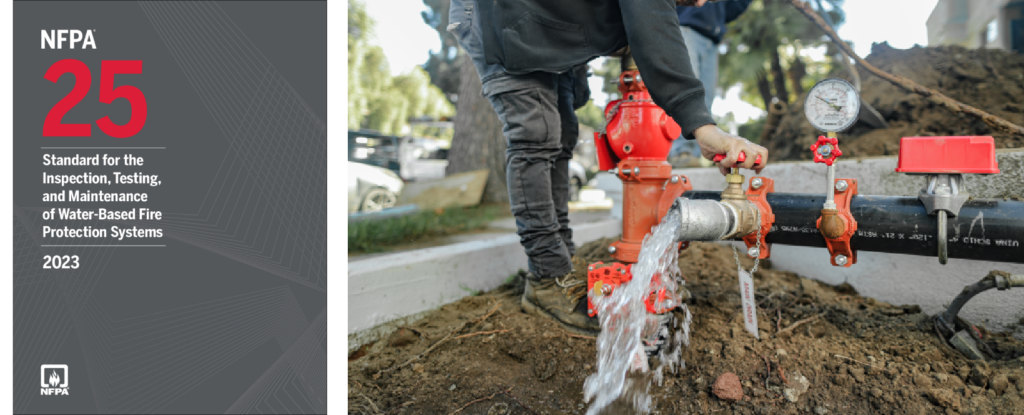
A useful companion resource is Kord Fire Protection’s standpipe flow test guide for fire protection, which helps connect pressure readings with real world flow performance. Pressure alone tells part of the story. Flow confirms whether the system behaves under demand instead of only during a quiet gauge check.
Why field readings matter more than assumptions
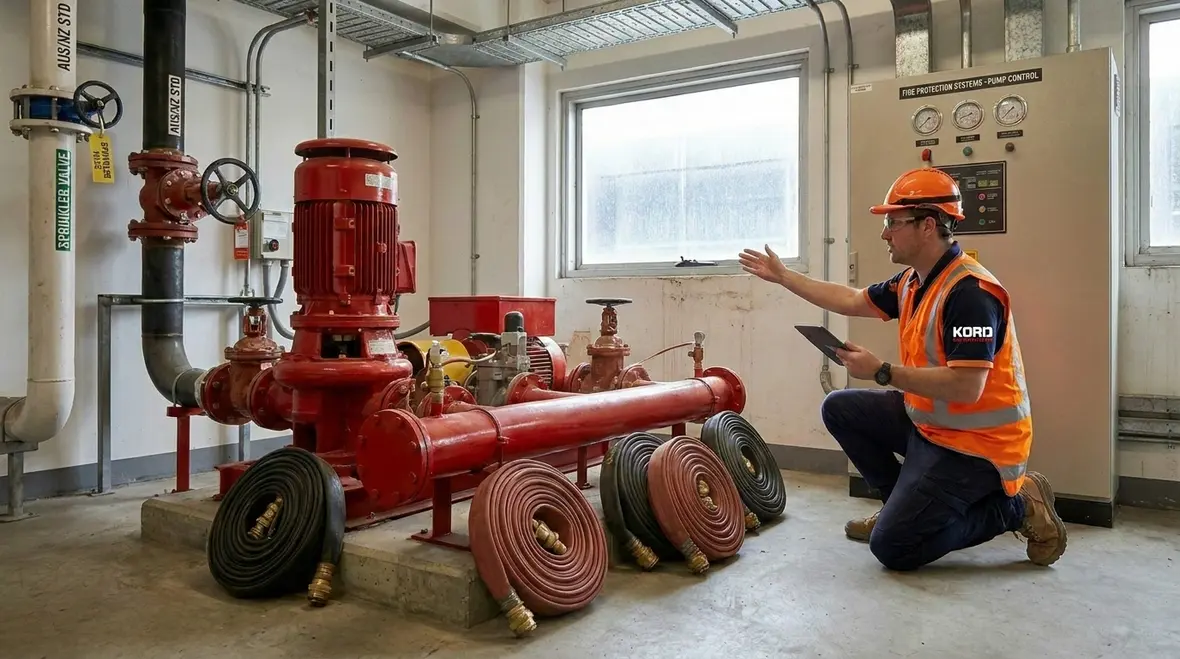
A design can look perfect in documents and still underperform in the field. Pressure losses do not care how neat the plans looked in a folder. They show up at the upper floors, inside long pipe runs, and around fittings that slowly add resistance over time. That is why repeatable field readings create a more honest baseline. Once a building has that baseline, even subtle drift becomes visible before it turns into a major problem.
How high rises fail in the real world
Many teams assume that once a standpipe system is installed and signed off, it stays stable. However, high rise buildings change over time, and the system often changes with them. For example, expansions, tenant fit outs, valve replacements, and pump upgrades can shift hydraulic balance. Additionally, sediment, scale, and debris can accumulate in older pipe runs, especially where flow patterns have varied.
Common performance issues include inadequate pressure at upper floors, inconsistent pump cycling, valve misalignment, and minor obstructions that quietly raise friction losses. Even small leaks can lower system readiness. And if the system includes pressure reducing or controlling components, faulty settings can create a chain reaction. In other words, the standpipe does not fail all at once. It fails gradually, then it fails loudly during an alarm.
So, the best approach involves linking site history with test results. Then teams can connect the dots between what changed and what now fails. This reduces downtime, improves scheduling, and makes repairs more targeted.
If teams want another practical reference point, Kord Fire Protection’s standpipe system inspection checklist guide pairs well with pressure testing by showing what should be evaluated, documented, and followed through after the readings are taken.
The small issues that become big emergencies
The most annoying failures are often the smallest ones. A valve that is slightly out of position, a hidden restriction, a controller with inconsistent timing, or a pump that starts just a bit too late can all snowball under fire conditions. None of those problems announce themselves politely. They wait until everyone would really prefer they had not.
Optimize hydraulics with a disciplined approach
Once results are available, optimization becomes more than “turn the knob and hope.” Teams should follow a methodical workflow that improves safety without creating new risks. First, they should review hydraulic calculations and compare them to field readings. If the numbers do not match, technicians must check for measurement error, incorrect valve positions, or unexpected routing.
Next, they should focus on the largest contributors to pressure loss. Often this includes long pipe runs, elbows, non standard fittings, partially closed valves, and undersized components. Also, the condition of fire pumps matters. Vibration, worn impellers, and control faults can affect both pressure and flow stability.
Then, teams should verify that control sequences work as intended. For example, pumps should start on demand, maintain pressure during sustained flow, and avoid unnecessary cycling. If the system includes networked controls, technicians should confirm that signals reach the right equipment promptly.
To keep things practical, facilities leaders should create an optimization plan that ties each corrective action to an identified performance gap. That way, the site does not bounce between repairs like a pop song stuck on repeat. It moves toward a stable baseline.
For teams working through pressure control details, Kord Fire Protection’s standpipe pressure reducing valve maintenance guide is a natural internal link because it explains how valve settings and dependable inlet pressure shape system behavior under demand.
Build a correction plan that actually sticks
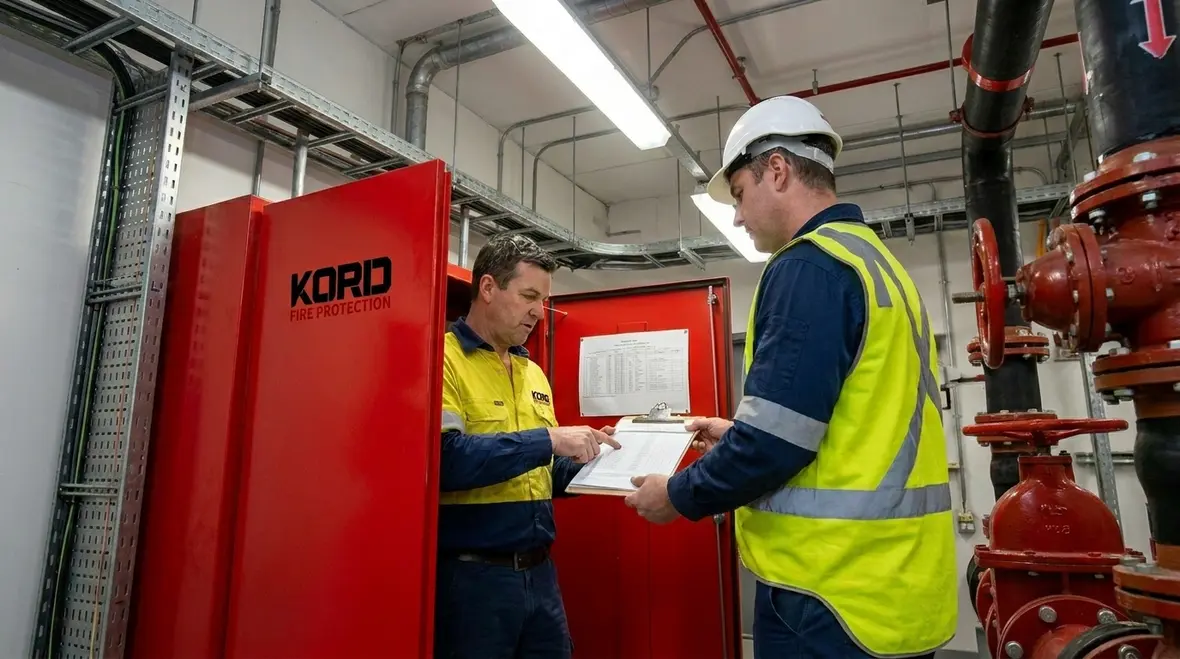
A correction plan works best when every action answers a specific test result. If upper floor pressure runs low, the team should know whether to inspect the pump, verify valve positions, review friction losses, or reassess the water supply side. If cycling keeps showing up, the next step should target controls and set points instead of random guesswork. Order beats panic every time.
Maintenance that protects readiness, not just compliance
In multi tenancy and complex facilities, maintenance often gets squeezed between operations, deliveries, cleaning, and the never ending schedule. Yet standpipe readiness depends on routine checks that reflect how the system will operate during emergencies. Therefore, an effective program balances testing, inspection, and preventive service.
Key items should include valve condition and accessibility, pump and controller health, and verification of pressure sustaining components. Teams should inspect and exercise valves to prevent sticking. They should also confirm that strainer screens remain clear and that check valves move freely. In addition, they should verify that signage, drain arrangements, and isolation points remain accessible for responders.
Equally important, the maintenance plan should define how the team handles anomalies. When results show low pressure or unusual flow, technicians should determine whether the cause is mechanical, hydraulic, or operational. Then they should schedule repairs with a clear return to service path and a verification step after work completes.
This is where Kord Fire Protection can provide real value. They can support the job with testing expertise, corrective guidance, and coordination across the system components so the building team does not chase information across multiple vendors like a mystery show with too many suspects.
Integrate reporting and risk for commercial sites
Commercial, retail, industrial, and mixed use buildings all bring different hazards, occupancy patterns, and water supply conditions. So, teams should tailor standpipe optimization to each site profile. A high bay warehouse may involve different risk drivers than a multi level retail complex with varied tenant activities. Meanwhile, water supply reliability can differ between properties and across municipal networks.
To align performance with risk, facilities managers should use a reporting format that makes decisions easy. Reports should clearly state what was tested, where readings were taken, what values were expected, and what values were found. Then they should list corrective actions with priority levels and estimated impact.
Also, reporting should capture trends. For example, if upper floor pressure is gradually drifting lower over successive tests, that pattern suggests developing restrictions or pump performance degradation. In contrast, a sudden change may point to valve mispositioning, control faults, or temporary site work affecting the system.
When teams combine trend data with practical site knowledge, they can schedule interventions at the right time. As a bonus, this reduces unplanned outages, improves operational continuity, and helps stakeholders understand the safety value of the work.
Why a partner like Kord Fire Protection strengthens the outcome
Even the best maintenance plan needs reliable delivery. That is why Kord Fire Protection can become a vital partner with the service and job of optimizing standpipe system performance. They can help facilities teams run fire standpipe pressure testing with clarity, then translate findings into corrective action that makes sense on site. Instead of leaving managers to interpret charts late at night, teams can move from test to fix with fewer delays.
In practice, partnership helps when buildings involve multiple system interfaces, long corridors of equipment, and commissioning histories that span years. Kord Fire Protection can coordinate with site stakeholders, ensure work is planned around operations, and support verification after repairs. And yes, they make sure paperwork does not feel like it was written by a committee of sleep deprived robots.
When optimization includes testing, reporting, and follow through, standpipes stay ready and dependable. That is the goal, and it directly supports high rise safety outcomes.
Frequently asked questions
Final thoughts and next step
Standpipe safety is not a “set it and forget it” situation. When facilities teams use disciplined testing, optimize hydraulics, and maintain readiness, they protect occupants and responders. If results show pressure loss, control issues, or developing restrictions, acting quickly matters.
Kord Fire Protection can help your team move from test data to verified performance with clarity and speed. Contact Kord Fire Protection to schedule an assessment and bring confidence back to your standpipe system.

Join Our Newsletter!
Get the latest fire safety tips delivered straight to your inbox From our Newsletter.