Commercial Fire Sprinkler Automation with Automated Monitoring
Quick Answer: Commercial fire sprinkler systems can work smarter with automated monitoring. Facilities pair flow and pressure sensors, valve status feedback, and system supervision with analytics that detect issues early. When done right, commercial fire sprinkler automation reduces downtime, supports faster inspections, and improves compliance across industrial, retail, and commercial sites.
On a busy day in a busy Australian facility, time moves like it is late to the meeting. Dust gathers. Valves get nudged. Pipe pressure drifts. And sprinkler systems, though built for reliability, still need eyes on the details. That is exactly where automated monitoring slots into commercial fire sprinkler automation.
Because when monitoring runs continuously, the fire protection team stops relying on surprises. Instead, they catch early warnings, track trends, and document performance. In other words, they turn “we hope it is fine” into calm, measurable confidence. And yes, it saves headaches that no one really wants, like a plot twist no one asked for.
Near the top of any serious upgrade conversation, it helps to think about the underlying sprinkler infrastructure too. Facilities already reviewing commercial fire sprinkler service often find automated monitoring fits naturally into the same planning process, because better supervision works best when the physical system is already disciplined, documented, and ready to perform.
How automated monitoring fits into sprinkler life cycles
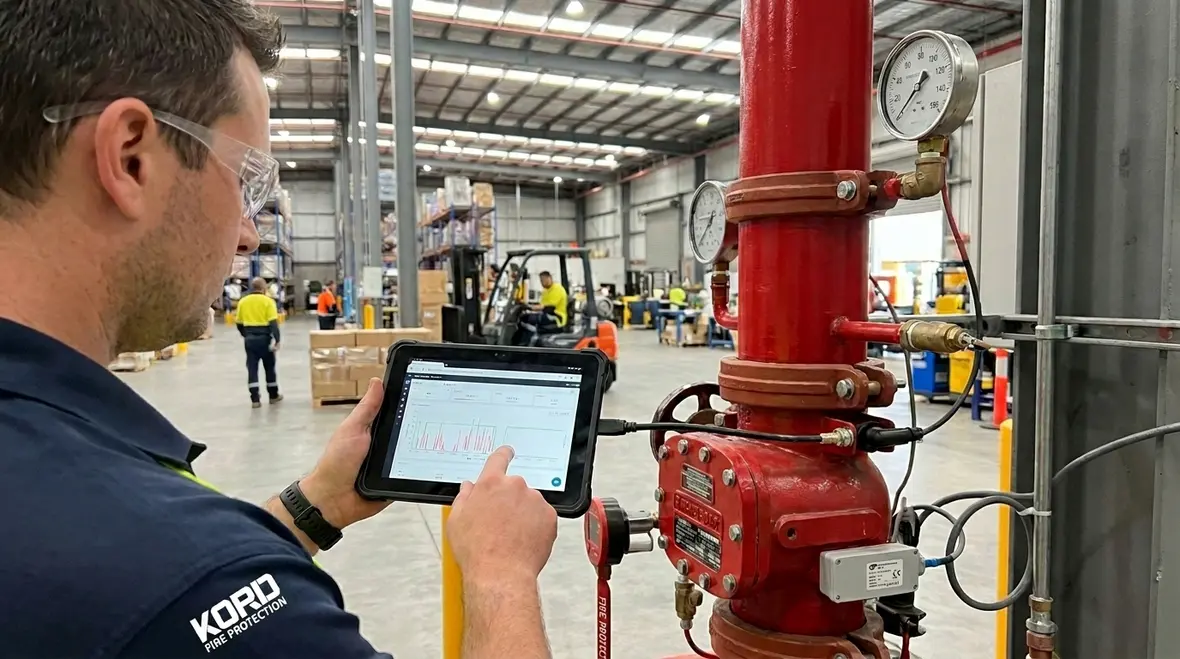
Automated monitoring does not replace the sprinkler system. Rather, it wraps around it like a steady co-pilot. It watches for the signals the system already generates: water supply pressure, flow events, supervisory status, valve position, and alarm transitions.
Then it stores that information in a way facilities can use. For example, it helps link operational changes to system behavior. If production ramps up, compressed air systems shift, or HVAC schedules change, monitoring can show whether pressure values stay within expected bands. This is not guesswork. It is evidence.
Most importantly, the monitoring layer supports a full life cycle. During design and install, it defines what to measure. During commissioning, it confirms alarms and reports work. During operation, it spots abnormal trends long before they reach “problem” status. That life-cycle mindset is what keeps a smart system from becoming a forgotten system with a login no one remembers and alerts no one trusts.
Why the life-cycle view matters more than fancy hardware
A site can buy excellent devices and still end up with mediocre outcomes if nobody defines useful thresholds, reporting paths, and maintenance ownership. Monitoring succeeds when teams know what normal looks like, what abnormal looks like, and who responds when either one changes. That sounds obvious until three departments assume someone else is watching the dashboard.
What equipment enables reliable sprinkler supervision
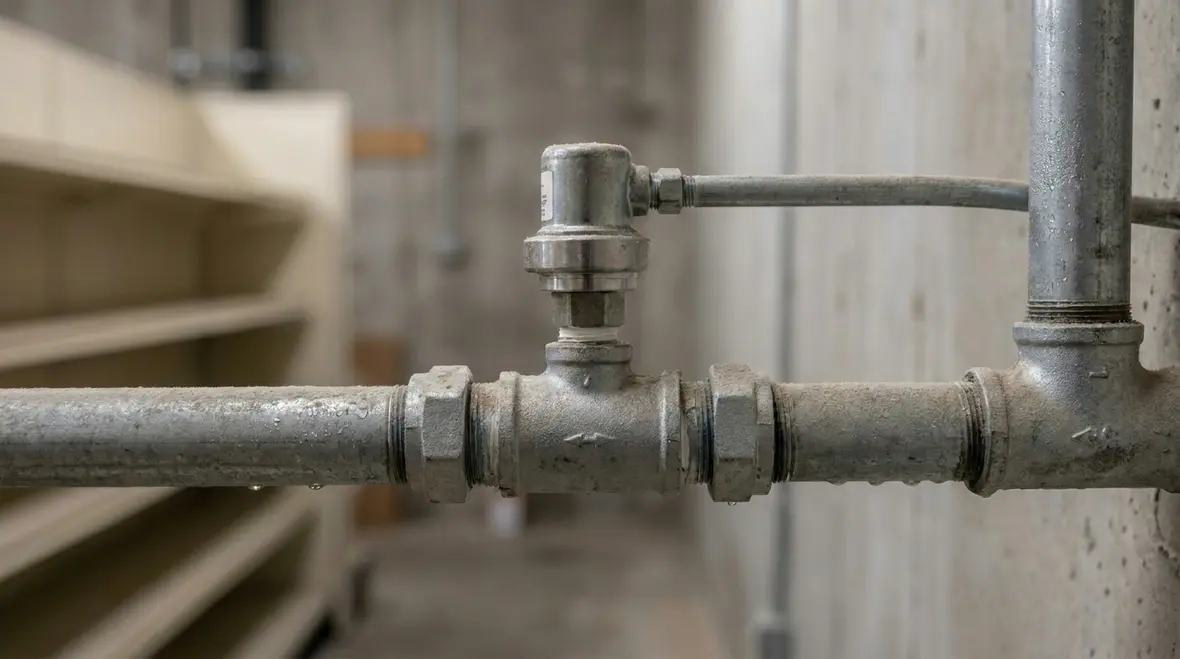
To integrate automated monitoring with commercial sprinkler systems, facilities typically combine hardware that reports on real conditions. The exact set depends on the system type and site risk profile, but common elements include:
- Water supply sensors that read static and residual pressure, plus flow where appropriate
- Alarm and supervisory interfaces that confirm pump status, tamper conditions, and device integrity
- Valve position feedback for critical control valves so the system does not go “unknown” on inspection day
- Monitoring panels and integration gateways that translate field signals into usable alerts and logs
- Networked reporting for secure dashboards and event histories across sites
Next, the system design accounts for the real world. Sensors should survive the environment, including humidity, vibration, and dust. Wiring routes must match practical site pathways. And software should handle events clearly, so the night shift does not interpret alarms like it is trying to decode a spy movie message.
Ultimately, reliable supervision depends on disciplined installation and clean commissioning. If it is messy, monitoring becomes a noisy hobby instead of a business tool. Facilities do not need a larger pile of blinking notifications. They need dependable inputs, sensible alarm logic, and records that help people act quickly without playing detective at 2:13 a.m.
The difference between data and useful supervision
Useful supervision is selective. It prioritizes conditions that indicate risk, failure, impairment, or maintenance need. It also separates expected test activity from true anomalies. That distinction matters, because teams stop respecting dashboards that cry wolf every time a planned inspection starts. Once trust drops, response quality usually drops right behind it.
How commercial fire sprinkler automation detects problems early
Early detection matters because many failures do not announce themselves with fireworks. They show up as drift. Pressure may trend low. A valve may sit in an incorrect position for days. Or a pump might start responding slightly slower than it did last month.
Automated monitoring addresses this with trend tracking and logic rules. For instance, the monitoring can flag:
- Unusual pressure drops compared with historical patterns
- Repeated supervisory faults that indicate a failing component
- Valve changes that occur outside scheduled maintenance windows
- Offline device states that suggest wiring, power, or controller issues
Moreover, it supports faster response. When an anomaly appears, teams can check the right zone, identify the likely cause, and document what they found. That is how monitoring becomes a time saver and not just a fancy alert screen. In facilities, speed and clarity reduce downtime, protect assets, and keep compliance efforts smoother.
This is also where contextual reporting becomes valuable. If a recurring issue keeps surfacing, teams can compare timestamps, locations, and related equipment states instead of relying on memory and crossed fingers. Trends tell a more honest story than a single inspection note ever could.
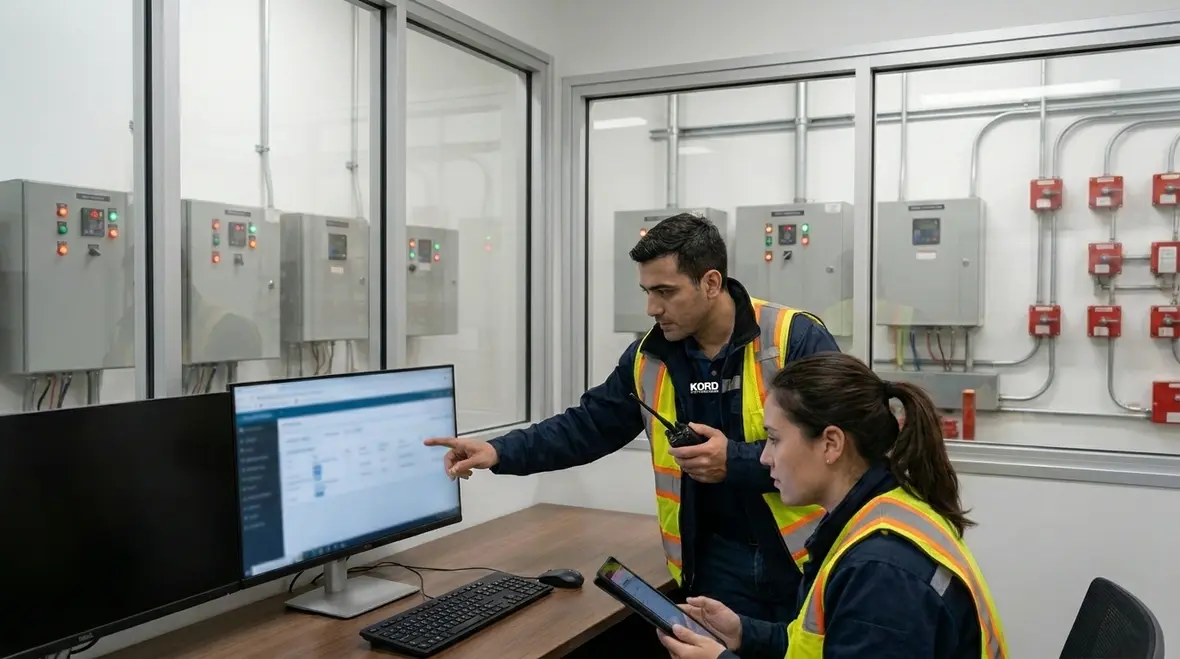
Integration with FM200, BMS, and site controls without the chaos
Facilities often run more than sprinklers. They may use gas suppression, fire detection, and building management systems. Integration should strengthen overall fire protection, not create a tangled web of conflicting signals.
So integration planning needs clear boundaries. For example, the monitoring system should coordinate with fire alarm panels so alarm states remain consistent. It can also feed building dashboards to improve operational awareness, but it should not blur life safety signaling. In other words, it must keep the fire system authoritative.
When integrated properly, facilities gain:
- Unified event histories that help teams trace what happened and when
- Maintenance scheduling support based on actual device health data, not just calendars
- Faster handover for contractors because reports and logs exist before someone asks for them
- Cleaner audits because evidence sits in one place
And yes, this is where facilities can look like they finally stopped juggling. Like the moment a kitchen stops running out of cutlery mid-service.
Integration works best when roles stay clear
The cleanest integrations preserve authority lines. A building management system can display status. A monitoring layer can store analytics and produce reports. But the life safety equipment should still remain the trusted source for alarm signaling. Once those responsibilities get muddy, troubleshooting gets slower and accountability gets strangely athletic.
For teams already thinking about resilience across fire systems, this also pairs well with fire alarm battery backup systems and power reliability tips, since consistent monitoring and dependable backup power tend to make each other look much smarter on a stressful day.
Commissioning, compliance, and reporting for Australian facilities
In Australia, facilities need robust documentation and predictable performance. Automated monitoring supports this, but only if commissioning and reporting are done with care.
Commissioning should verify that:
- Sensor readings match expected system conditions
- Supervisory and alarm signals trigger correctly
- Reports reflect real events, not test artifacts
- Trending baselines establish accurate “normal” ranges
Then reporting must be usable. Instead of long PDF stacks that vanish into email archives, teams should receive concise event summaries, maintenance recommendations, and clear logs. This matters across industrial plants, retail distribution hubs, and commercial office precincts because the audience for the reports varies. Fire protection teams need technical detail, while facility managers need clear outcomes.
Also, automated monitoring can improve audit readiness. It shows consistent supervision, supports timely corrective actions, and helps demonstrate that the system receives attention between formal inspections. In practical terms, that means fewer last-minute scavenger hunts for records and less stress when someone important suddenly wants proof that the system has not been left to fend for itself.
Why kord fire protection can be the partner that makes it work
Even the best monitoring design fails if the delivery slips or the commissioning is rushed. That is why a partner matters. kord fire protection can become a vital partner for projects that integrate automated monitoring with commercial sprinkler systems.
They help facilities plan the right measurement points, select suitable interfaces, and commission the system so it behaves properly in the field. In addition, they support ongoing confidence through structured service practices and clear reporting handoffs. As a result, the facility does not end up with hardware installed but no practical system of record.
Think of it like hiring a stage manager. The performance still relies on the actors, but coordination keeps the whole show from falling apart when the lights change.
For multi-facet operations across Australia, that consistency reduces risk. kord fire protection helps standardise approach across sites, so teams do not relearn processes from scratch every time a new building goes live. That kind of repeatability is not flashy, but it is exactly what busy facilities appreciate when they have enough surprises already.
FAQ
Commercial fire sprinkler automation: the next practical step
Facilities that integrate automated monitoring gain early warnings, stronger documentation, and calmer operations. They can reduce downtime, respond faster, and keep compliance tasks under control. More importantly, they replace uncertainty with visibility, which is usually cheaper than letting problems grow legs and wander into a shutdown.
If this project sounds like the kind of improvement that saves real money and real time, contact kord fire protection. They will help assess your system, plan the integration, and commission monitoring that works when it matters. Sensible automation should make life easier, not weirder, and that is the whole point.

Join Our Newsletter!
Get the latest fire safety tips delivered straight to your inbox From our Newsletter.