
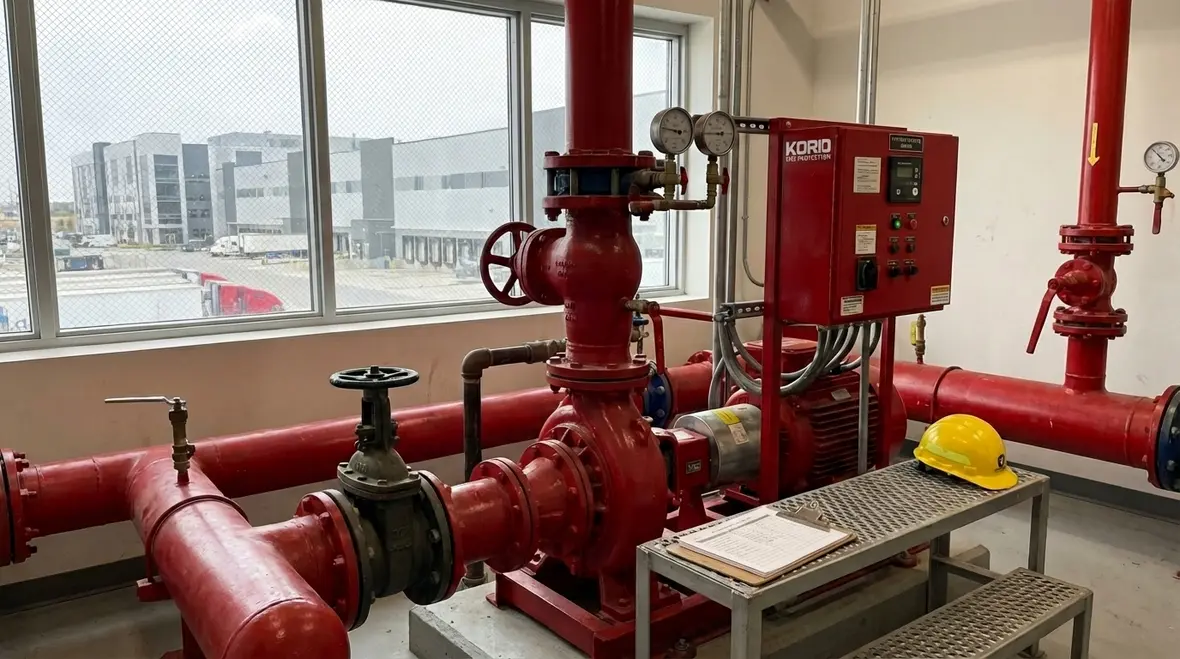
Fire Pump Systems for Ontario Industrial Parks
Fire Pump Systems for High Density Industrial Parks in Ontario
In the vast industrial corridors of Ontario, where warehouses hum through the night and distribution hubs move with the rhythm of a beating heart, Fire Pump Systems stand as quiet guardians. Within the first few moments of a fire emergency, these systems decide whether damage stays contained or spirals into catastrophe. In high density industrial parks, where buildings sit shoulder to shoulder like commuters on a Monday morning train, reliable fire protection is not optional. It is essential.
Kord Fire Protection technicians often explain it this way. A sprinkler system is only as strong as the water pressure behind it. Without a properly engineered fire pump, even the best sprinkler layout can struggle. Therefore, industrial property owners across Ontario rely on expertly designed pump assemblies to maintain pressure, ensure code compliance, and protect lives, assets, and operations.
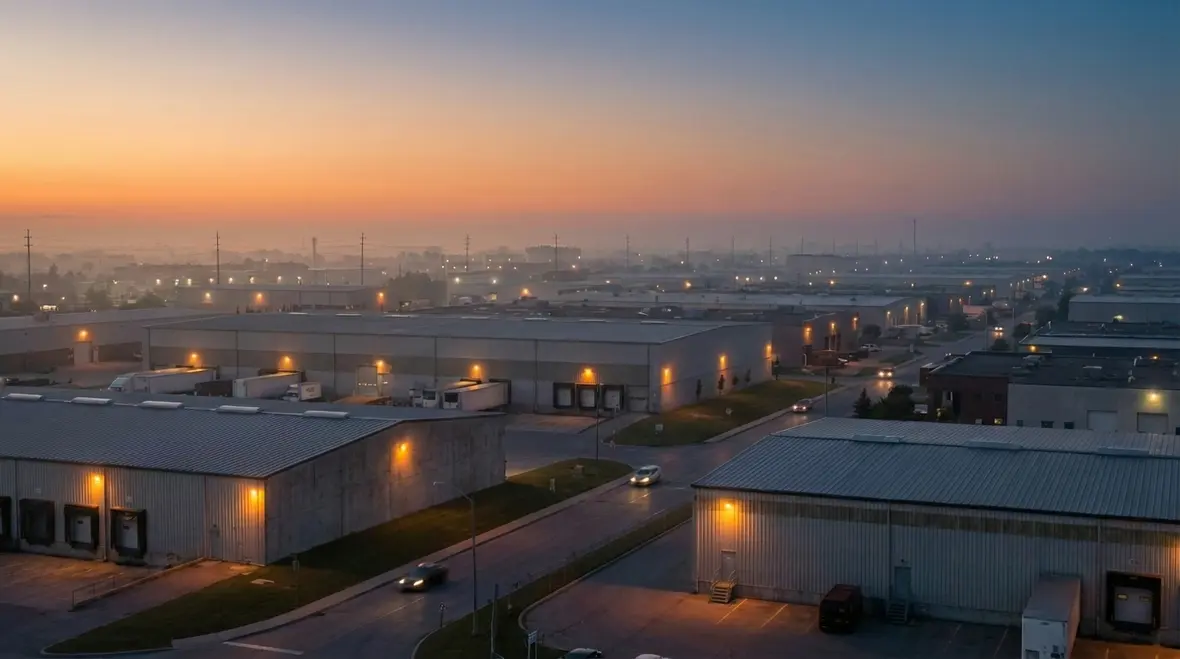
The Industrial Density Challenge in Ontario
Ontario continues to expand its industrial footprint. From the Greater Toronto Area to Ottawa and across Southwestern Ontario, developers build large scale facilities closer together to meet demand. However, as density increases, so does risk.
When facilities share property lines or sit within tightly planned industrial parks, fire exposure hazards multiply. Heat can transfer quickly. Access routes for fire services can become congested. Moreover, municipal water supply may not always deliver the volume or pressure required for modern sprinkler systems in large warehouses.
Consequently, property managers must think beyond basic compliance. They must consider flow rates, residual pressure, and the possibility of simultaneous system activation. Kord Fire Protection technicians regularly assess these factors during site evaluations. They explain that in high density environments, redundancy and performance are not luxuries. They are safeguards against downtime that can cost millions.
For a deeper look at how testing and performance verification protect high-demand facilities, explore Kord Fire’s guide on fire pump testing requirements.
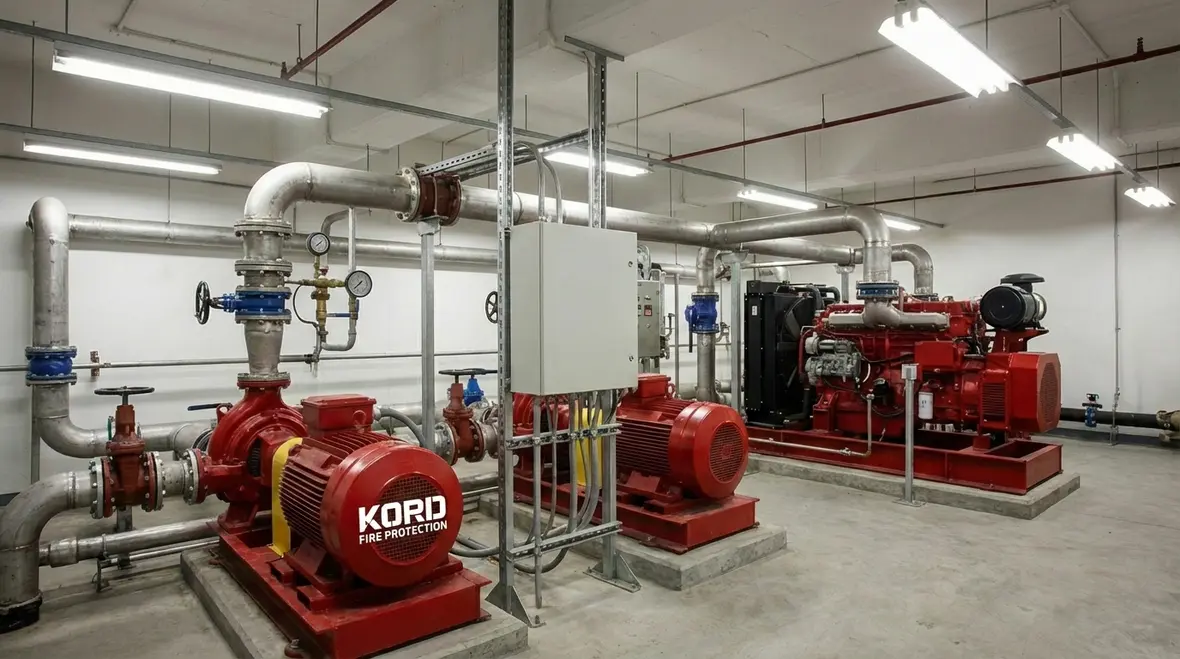
How Fire Pump Systems Support High Demand Facilities
At their core, Fire Pump Systems boost water pressure to meet the demands of fire suppression equipment. However, in high density industrial parks, their role becomes even more critical.
1. Compensating for weak municipal supply
First, these pump assemblies compensate for insufficient municipal supply. If incoming water pressure drops below the level required for sprinkler discharge, the pump activates automatically. As a result, the system maintains steady flow during peak demand.
2. Serving large footprint and high-rack storage buildings
Second, fire pumps ensure coverage for large footprint buildings. Warehouses with high rack storage require specific densities and flow rates under Ontario Fire Code guidelines. Therefore, engineers must match pump capacity to hazard classification, ceiling height, and commodity type.
3. Supporting multi-building campuses
Third, in campuses with multiple structures, designers may integrate shared water storage tanks and centralized pump rooms. In these scenarios, coordination becomes crucial. Kord Fire Protection technicians often walk clients through pump curves, explaining in plain language how pressure and flow interact. They might even joke that reading a pump curve without guidance feels like trying to decode a sci fi movie plot without subtitles.
To understand how standards shape these designs, facility teams can review Kord Fire’s overview of how NFPA 20 regulates fire pump systems.
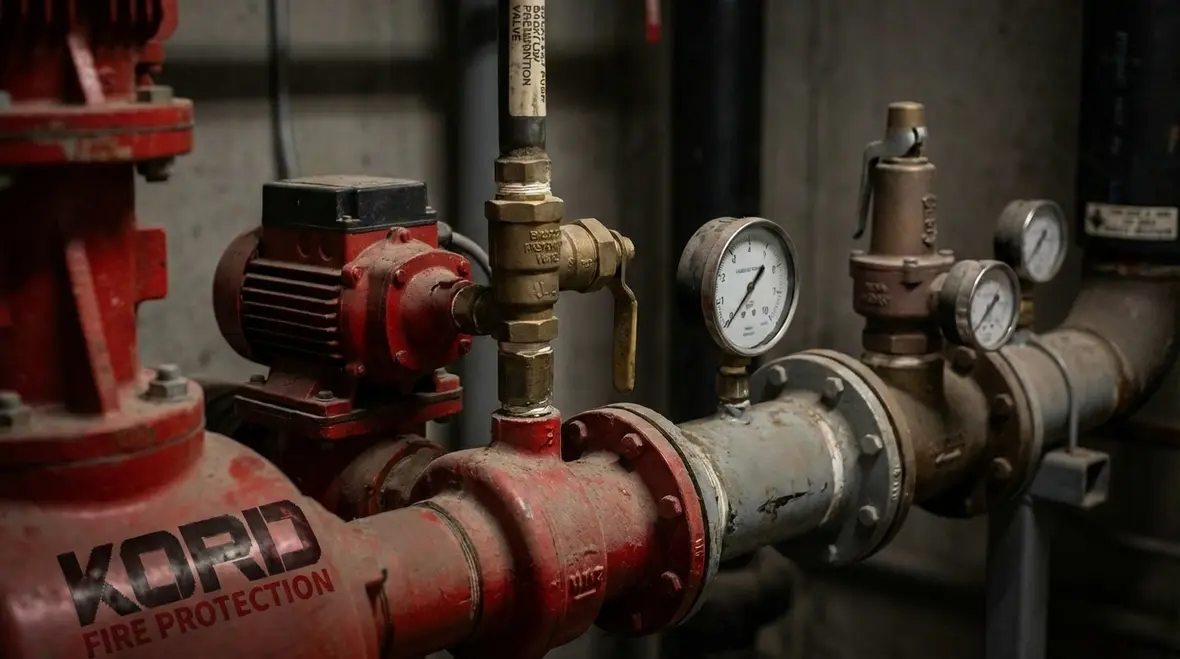
Key Components That Keep the System Ready
Understanding the anatomy of a fire pump assembly helps decision makers appreciate its value. Although the concept seems simple, the details matter.
Left Column
- Electric or diesel driven fire pump
- Controller panel with automatic start function
- Jockey pump to maintain baseline pressure
- Backflow prevention assembly
- Pressure relief valve
Right Column
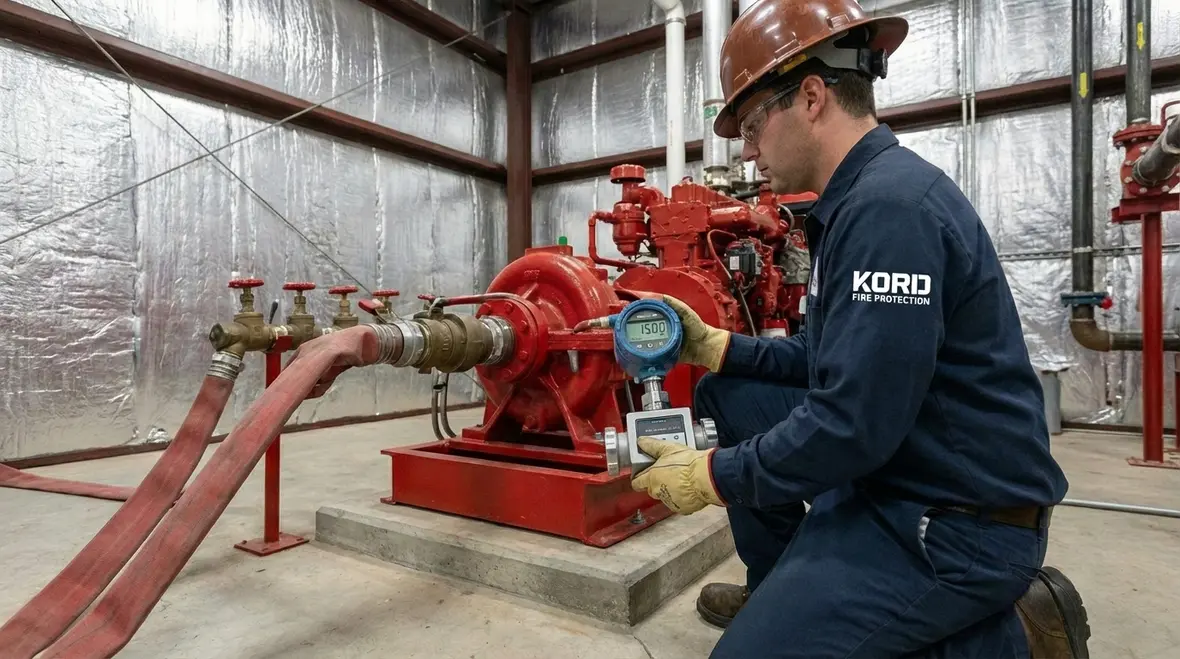
- Flow meter for performance testing
- Dedicated power supply or generator backup
- Supervisory alarms connected to monitoring systems
- Test header for annual flow verification
- Insulated pump room with proper drainage
Each component plays a defined role. For example, the jockey pump prevents unnecessary cycling of the main pump by maintaining system pressure during minor fluctuations. Meanwhile, the controller ensures automatic activation when pressure drops suddenly. According to Kord Fire Protection technicians, routine inspection of these components often reveals small issues before they become large failures.
Compliance with Ontario Fire Code and NFPA Standards
Industrial property owners in Ontario must meet both provincial regulations and recognized standards such as NFPA 20 for installation of stationary pumps. Although regulations may seem complex, they serve a clear purpose. They establish minimum performance benchmarks to protect life and property.
For high density industrial parks, authorities having jurisdiction may require hydraulic calculations, water supply analysis, and sealed engineering drawings. Additionally, facilities must conduct weekly churn tests and annual flow tests to confirm operational readiness.
Kord Fire Protection technicians often describe compliance as a living process rather than a one time event. Systems evolve. Tenants change. Storage configurations shift. Therefore, pump capacity that worked five years ago may not suit current operations. Staying ahead of these changes prevents unpleasant surprises during inspections or emergencies.
For operators who want to tighten their inspection program, Kord Fire explains the importance of routine fire pump inspections and their importance.
What Should Facility Managers Ask About Fire Pump Systems?
Facility managers frequently turn to search engines with practical questions. They want clear answers without technical jargon. So let us address a few key points directly.
How large should a fire pump be for a high density industrial building in Ontario?
It depends on hazard classification, building size, and required sprinkler density. A professional hydraulic calculation determines exact flow and pressure needs.
Can multiple buildings share one pump?
Yes, but only if the system is engineered to handle simultaneous demand and meets code requirements for reliability and capacity.
What happens if the power fails?
Facilities often install diesel driven pumps or connect electric pumps to emergency generators. This ensures operation during outages.
Kord Fire Protection technicians emphasize that early consultation prevents costly retrofits. When designers involve fire protection specialists at the planning stage, they align infrastructure with long term operational goals.
Maintenance Strategies for Long Term Reliability
A fire pump that sits idle for months may look reliable. However, without proper maintenance, appearances can deceive. In high density industrial parks, where risk exposure remains constant, consistent upkeep is non negotiable.
Weekly visual inspections check for leaks, abnormal noise, or controller faults. Monthly tasks may include battery inspection for diesel units and verification of fuel levels. Annually, technicians conduct full flow tests using calibrated meters to confirm that the pump still meets its rated performance.
Moreover, detailed documentation supports compliance audits and insurance reviews. Insurers often look favorably upon facilities with thorough maintenance logs. Consequently, proactive care can reduce liability and even influence premium calculations.
Kord Fire Protection technicians explain testing results in straightforward terms. They show clients how flow readings compare to original acceptance data. If performance drops, they identify root causes such as impeller wear or suction obstructions. That clarity builds confidence and ensures informed decision making.
Design Considerations for Expanding Industrial Parks
Ontario industrial parks rarely remain static. Developers expand footprints, add mezzanines, or convert storage areas into light manufacturing zones. Each change can affect fire protection demand.
When expansion occurs, engineers must revisit water supply calculations. Increased ceiling heights or new commodity storage can elevate hazard classification. As a result, existing pump capacity may require upgrade or supplementation.
Furthermore, planners should consider future proofing during initial installation. Oversizing slightly within acceptable limits or designing space for a secondary pump can save disruption later. Kord Fire Protection technicians often recommend evaluating five to ten year growth projections. After all, replacing a pump in an active distribution center is about as convenient as renovating a kitchen during a dinner party.
In addition, integrating fire alarm monitoring with pump status signals enhances response time. Supervisory alerts notify staff immediately if a controller indicates trouble. Therefore, issues receive attention before they compromise protection.
Why Expertise Matters in High Density Environments
Not all industrial sites present the same level of complexity. High density parks demand coordination between civil engineers, mechanical designers, electrical contractors, and fire protection specialists. A misstep in one area can ripple across the entire safety plan.
Kord Fire Protection technicians bring field experience that bridges theory and practice. They translate technical standards into practical steps for property owners. They also collaborate with authorities to streamline approvals. Because they understand both code language and on site realities, they help clients avoid delays and unexpected costs.
Moreover, their approach remains calm and methodical. In conversations, they break down pump ratings, controller settings, and inspection schedules into manageable pieces. That steady guidance reassures stakeholders who may feel overwhelmed by regulatory requirements.
FAQ About Fire Pump Systems in Ontario Industrial Parks
Conclusion and Next Steps
High density industrial parks in Ontario demand more than basic compliance. They require dependable systems engineered for real world risk. With properly designed and maintained Fire Pump Systems, property owners protect people, inventory, and operations with confidence.
Kord Fire Protection technicians stand ready to guide each step, from design to inspection. Their experience with complex pump layouts, shared water supplies, and evolving tenant profiles helps industrial parks stay resilient even as operations grow.
If you are planning a new build, expanding your park, or questioning whether your current system still matches your hazards, now is the time to engage the experts. Start with a focused review of your pumping and water supply strategy, then align maintenance and testing with best practices.
To move from concern to confidence, connect with Kord Fire’s Fire Pump Systems service team or reach out through their contact page. Ensure your facility operates with strength, safety, and steady peace of mind.
Know Your Weapon Before You Fight the Flame
Kord Fire Protection is your go-to when it comes to all things fire protection. For over 20 years, we’ve been serving Southern California with the quality service and equipment to keep your home or business safe at all times. Our competitive prices reflect our unwavering commitment to protecting what matters most in the event of a fire emergency. Give us a call, send an email, or use that form!

Join Our Newsletter!
Get the latest fire safety tips delivered straight to your inbox From our Newsletter.


