Fire Protection Systems Components and Coordination
Within the first moments of a fire, seconds feel like hours. That is precisely why our fire protection systems are designed to act before panic has time to settle in. They detect, alert, suppress, and control with quiet precision. Yet behind every alarm bell and sprinkler head lies a network of components working in concert. As Kord Fire Protection technicians often explain to clients, the magic is not in a single device. It is in how each part communicates, responds, and supports the next. Understanding those connections turns a maze of pipes and wires into a clear, dependable line of defense.
The Core Components of Fire Protection Systems and How They Work Together
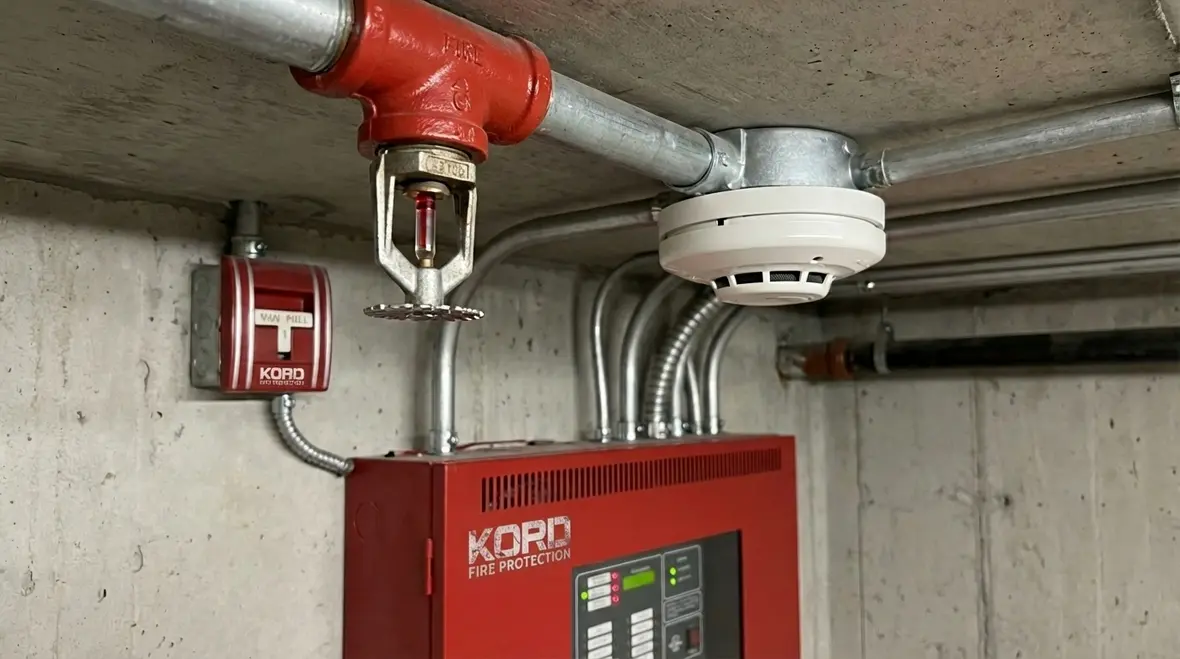
At first glance, a fire safety setup may look simple. A few sprinklers in the ceiling. A red pull station on the wall. However, beneath that surface lies a carefully engineered system.
Most fire protection systems include the following core components:
Detection Devices
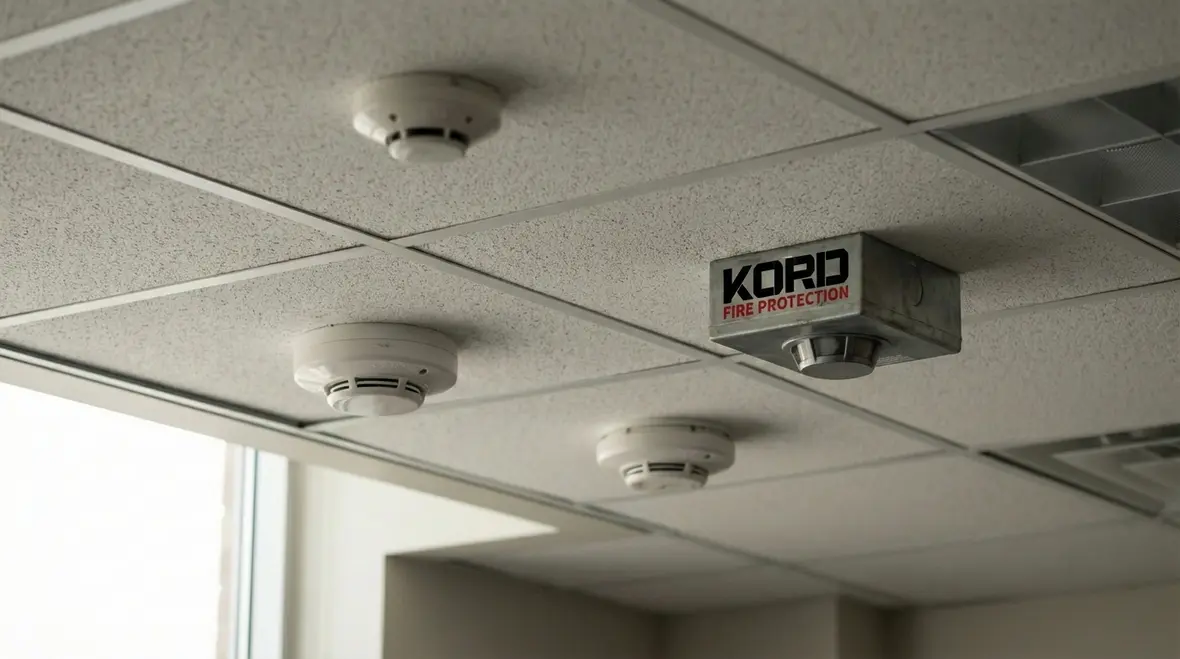
Smoke detectors, heat detectors, and flame sensors identify signs of combustion. They constantly sample the air or monitor temperature changes.
Control Panels
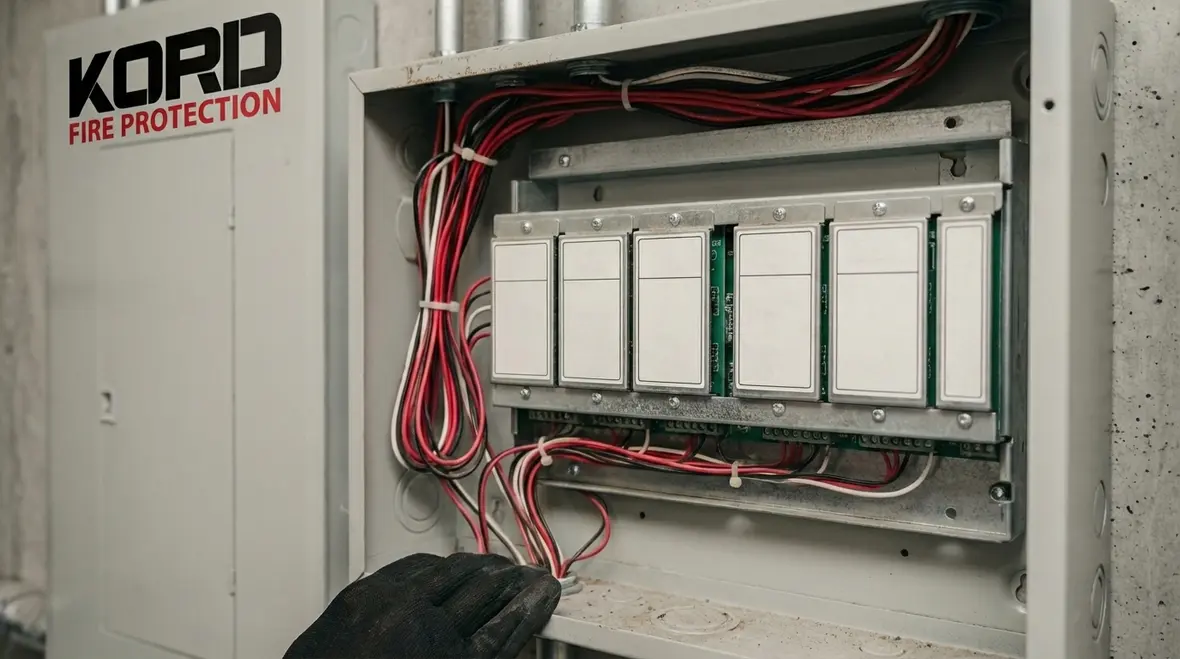
Often called the brain of the system, the fire alarm control panel receives signals from detection devices and sends commands to other components.
Notification Appliances
Horn strobes, speakers, and visual indicators alert occupants to evacuate.
Suppression Equipment
Sprinkler heads, standpipes, fire pumps, and in some cases clean agent systems work to contain or extinguish flames.
Water Supply and Valves
Piping networks, backflow preventers, and control valves ensure water flows at the right pressure and volume.
Individually, each part performs a clear role. However, their true strength emerges through coordination. When a detector senses smoke, it signals the control panel. The panel activates alarms and may trigger suppression equipment. Meanwhile, supervisory switches monitor valves to ensure nothing is closed when it should be open. It is teamwork, not heroics, that saves the day.
How Do Fire Protection Systems Detect Danger So Quickly
Detection begins long before flames climb a wall. In fact, modern systems often sense microscopic particles invisible to the human eye.
Smoke detectors operate in two main ways. Ionization detectors respond quickly to fast burning fires. Photoelectric detectors react better to slow, smoldering ones. Because different fires behave differently, many buildings use both types. Kord Fire Protection technicians frequently explain that relying on just one is like bringing only a fork to a steak dinner. It might work, but it is not ideal.
Heat detectors provide another layer. Instead of sensing smoke, they respond to temperature changes. Rate of rise detectors trigger when heat increases rapidly. Fixed temperature detectors activate once a set threshold is reached.
In more complex environments, flame detectors use ultraviolet or infrared sensors to identify specific light patterns produced by fire. These are common in industrial settings where speed is critical.
All these devices feed information to the control panel. Therefore, early detection reduces response time, limits damage, and most importantly, protects lives.
Control Panels, Wiring, and Communication Pathways
If detectors are the senses, the control panel is the mind. It processes signals, determines priorities, and activates responses.
Modern panels use addressable technology. This means each device has a unique identifier. Consequently, when an alarm triggers, responders know the exact location. That precision saves valuable minutes.
Communication pathways connect devices to the panel. These include:
- Initiating Device Circuits that carry signals from detectors and pull stations.
- Notification Appliance Circuits that power horns and strobes.
- Signaling Line Circuits in addressable systems that allow two way communication.
In addition, backup batteries keep the system running during power outages. Because fires do not wait for convenient timing, redundancy matters.
Kord Fire Protection technicians often compare the panel to an air traffic controller. It does not fly the plane. Instead, it directs traffic, avoids collisions, and ensures everyone lands safely. That orchestration is what turns scattered devices into a unified fire defense network.
For more detail on how basic alarm systems are tested and verified, building owners in Los Angeles can review Kord’s guide to Reg 4 basic fire alarm testing, which walks through how panels, devices, and communication pathways are evaluated together.
Suppression Components That Stop Fire in Its Tracks
Detection and alarms buy time. Suppression stops the spread.
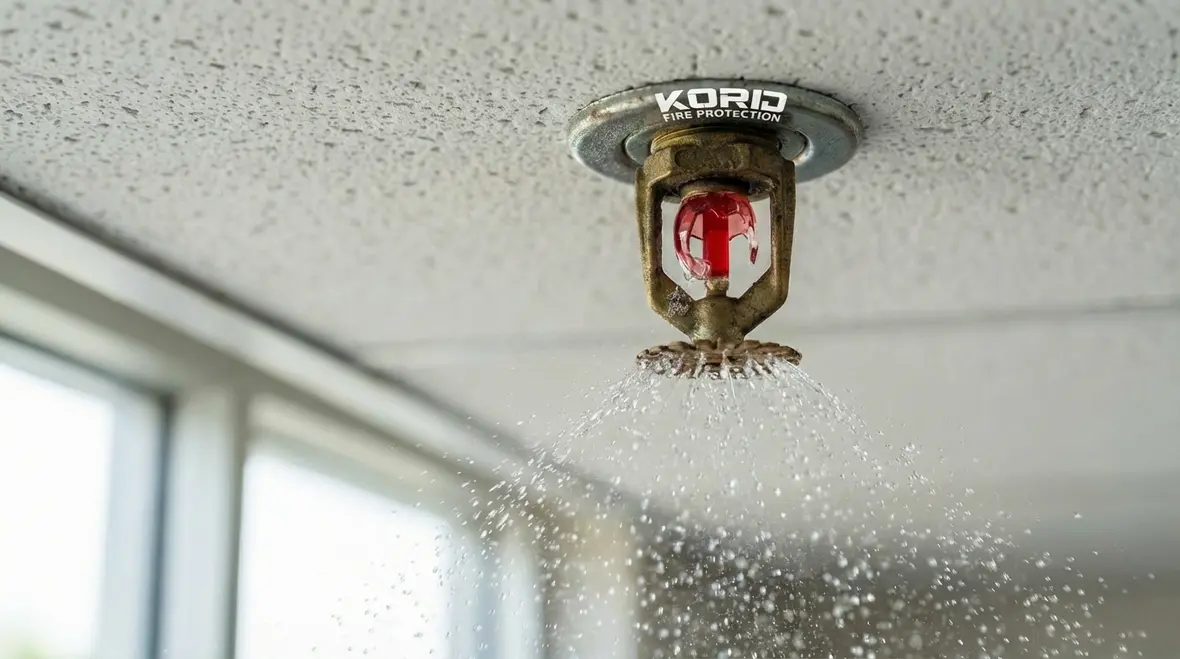
Sprinkler systems remain one of the most effective suppression methods. Contrary to movie scenes, every sprinkler head does not activate at once. Only the head exposed to sufficient heat opens. As a result, water discharge remains targeted and efficient.
Each sprinkler head contains a heat sensitive element, often a glass bulb filled with liquid. When the surrounding temperature rises to a specific point, the bulb breaks and releases water. Simple physics. Reliable performance.
However, sprinklers rely on adequate water flow. That is where fire pumps and pressure regulating valves come in. Fire pumps boost water pressure when municipal supply falls short. Meanwhile, control valves isolate sections for maintenance without shutting down the entire network.
In specialized spaces such as data centers, clean agent systems discharge gas instead of water. These systems suppress flames without damaging electronics. Because downtime can cost millions, precision becomes essential.
Therefore, suppression components must align with building use, occupancy type, and hazard level. One size never fits all.
If your facility relies on fire pumps, Kord’s article on how NFPA 20 regulates fire pump systems and their overview of fire pump testing requirements provide deeper guidance on keeping that backbone of suppression ready when it matters.
How Inspection, Testing, and Maintenance Keep Everything in Sync
A system is only as strong as its upkeep. Over time, dust accumulates in detectors. Valves can be accidentally closed. Batteries lose charge. Without routine care, even the best design weakens.
Regular inspection and testing verify that:
- Detectors respond within required sensitivity ranges.
- Control panels display accurate signals.
- Sprinkler heads remain unobstructed.
- Water flow alarms activate properly.
- Backup power supplies hold charge.
Kord Fire Protection technicians emphasize documentation during every visit. They record deficiencies, recommend corrections, and ensure compliance with local codes. Moreover, they educate building managers on what each test means. After all, knowledge reduces anxiety.
Testing also reveals how components interact under simulated conditions. For instance, activating a water flow switch should trigger both local alarms and remote monitoring alerts. If one link fails, the chain breaks. Therefore, comprehensive testing confirms not just individual function, but system harmony.
Dual Column Overview: Components and Their Interactions
Component
Smoke and Heat Detectors
Manual Pull Stations
Fire Alarm Control Panel
Notification Appliances
Sprinkler Heads
Water Flow Switches
Supervisory Switches
Fire Pumps
How It Interacts Within the System
Send signals to the control panel when thresholds are met, initiating alarms and possible suppression.
Provide occupants a direct method to trigger the alarm system.
Processes inputs, activates notification devices, and communicates with monitoring centers.
Alert occupants through sound and light, prompting evacuation.
Release water when heat activates the thermal element.
Notify the control panel that water is moving through pipes.
Monitor valve positions to ensure the system remains operational.
Increase water pressure when demand rises during suppression.
This interaction map shows that no component works in isolation. Instead, each relies on signals, pressure, or feedback from another. It is less like a solo performance and more like a well rehearsed orchestra.
Design Considerations Based on Building Type and Risk
Not all buildings face the same hazards. Consequently, system design varies widely.
Residential properties often prioritize early occupant notification. Offices focus on both life safety and asset protection. Industrial facilities may require specialized detection due to flammable materials.
Engineers evaluate factors such as:
- Occupancy load
- Ceiling height
- Combustible materials present
- Local code requirements
- Insurance standards
Because these elements differ, customization becomes essential. Kord Fire Protection technicians frequently walk clients through layout drawings, explaining why certain sprinkler types or detector placements make sense. They break down technical details into clear language. In doing so, they replace confusion with confidence.
Furthermore, integration with other building systems such as HVAC shutdowns or elevator recall enhances safety. When smoke is detected, air handling units may stop to prevent spread. Elevators may return to a designated floor. These coordinated actions show how deeply fire protection systems tie into overall building operations.
Fire Protection Systems and Code Compliance
Safety does not rely on guesswork. It follows established codes and standards.
National and local regulations outline requirements for installation, inspection, and maintenance. Compliance ensures systems perform as intended under real conditions. Moreover, it protects building owners from liability.
Regular audits and third party inspections confirm adherence. When deficiencies arise, timely correction prevents larger issues. As technicians often note, small adjustments today prevent major consequences tomorrow.
Additionally, documentation provides proof of due diligence. Should an incident occur, records demonstrate that the building owner maintained the system responsibly.
In short, compliance is not paperwork for its own sake. It is a structured path toward reliability and accountability.
Frequently Asked Questions
Secure Your Building with Expert Guidance
When every component communicates and every device performs its role, safety becomes dependable rather than hopeful. Kord Fire Protection technicians stand ready to design, inspect, and maintain systems that protect lives and property with steady precision. Do not leave coordination to chance. Contact the team today and ensure your building operates with confidence, clarity, and a fire defense network built to respond the moment it matters most.
If you are coordinating pumps, sprinklers, alarms, and hydrants across a complex property, consider pairing this overview with Kord’s in-depth resources on routine fire pump inspections and their NFPA 291 fire hydrant testing guide. Together, these services create a cohesive protection strategy tailored to your building.
Know Your Weapon Before You Fight the Flame
Kord Fire Protection is your go-to when it comes to all things fire protection. For over 20 years, we’ve been serving Southern California with the quality service and equipment to keep your home or business safe at all times. Our competitive prices reflect our unwavering commitment to protecting what matters most in the event of a fire emergency. Give us a call, send an email, or use that form!

Join Our Newsletter!
Get the latest fire safety tips delivered straight to your inbox From our Newsletter.