Fire Protection System Sensor Calibration in Australia
Quick Answer: Sensor calibration keeps fire protection systems accurate when conditions change, from dust and vibration to shifting water pressure and temperature swings. When sensors and control panels stay aligned, they detect threats sooner and reduce nuisance alarms. For many Australian facilities, fire alarm services from Kord Fire Protection can support calibration as a steady, audit ready service partner.

When a fire protection system starts behaving “almost right,” it is usually not because anyone forgot to care. It is because sensors drift over time, and that drift slowly chips away at efficiency. Our fire protection system sensor calibration ensures detection stays aligned with real-world conditions, not yesterday’s settings. And in facilities across Australia, that difference matters. It matters to operations, to compliance, and to the team that does not want alarms that go off like a false alarm in a movie that everyone already survived once.
Near the top of the priority list, facilities also benefit from thinking about calibration as part of the larger service lifecycle, not a lonely little task off in the corner pretending it can handle everything by itself. Kord Fire Protection has also written about the full lifecycle of fire protection servicing, and that broader view fits naturally here. Calibration works best when it is connected to inspection planning, reporting, maintenance timing, and long term system performance.
Why fire detection efficiency depends on calibration
Accurate inputs create accurate decisions
Fire protection efficiency is not just about owning quality equipment. It is about making sure that equipment interprets the environment correctly, at the moment it matters. Fire protection system sensor calibration corrects sensor response so that early warning remains early, not late. Over time, sensors can drift due to contamination, aging components, airflow patterns, humidity changes, and even normal site vibration.
When sensors drift, detection timing can slip. As a result, the system may either miss a developing condition or trigger unnecessarily. Both outcomes cost money. One costs through response delay and extra risk, and the other costs through downtime, investigations, and people getting real tired of checking panels at 2 a.m. like it is a daily ritual. Therefore, calibration becomes a key operational discipline, not a box to tick.
A well calibrated system also helps the control panel behave with more confidence. It receives cleaner, more dependable information and can respond the way the system design intended. That means alerts become more meaningful, escalation paths make more sense, and the whole fire protection setup stops feeling like it is improvising under pressure.
What happens when sensors drift out of spec
Small drift, big operational headaches
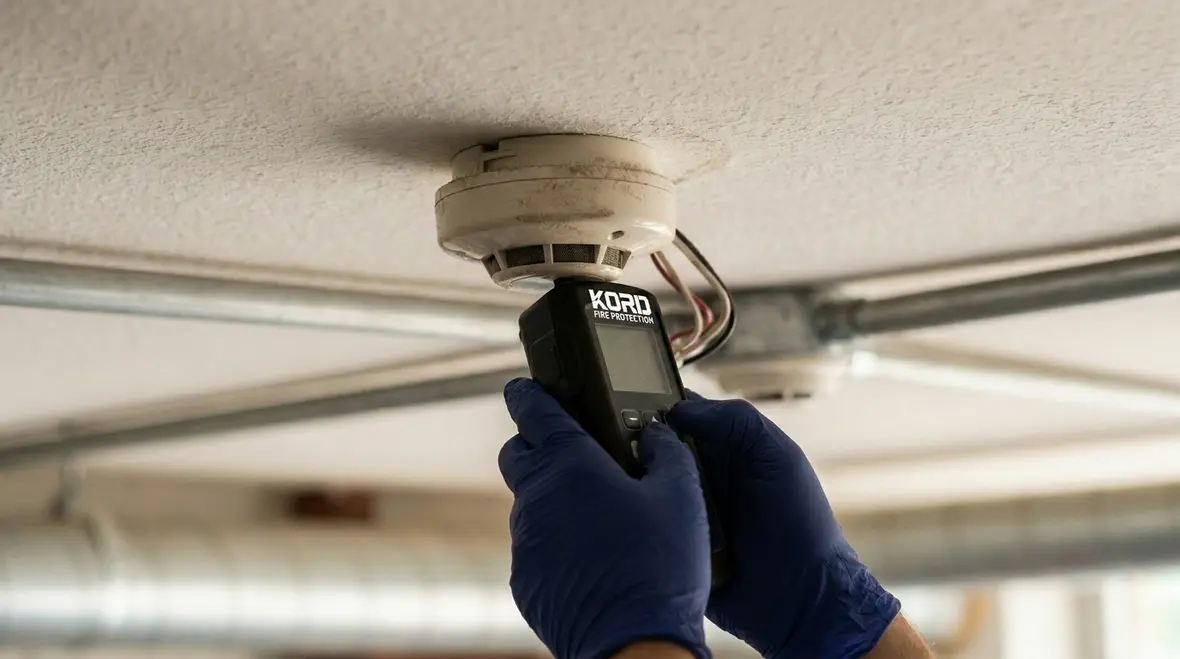
Drift is gradual, which makes it easy to underestimate. However, drift behaves like a slow leak. The system still works, but it loses performance quietly. For industrial, retail, and commercial facilities, that quiet loss can show up in several ways.
- Higher nuisance alarm frequency: Dirty or misaligned sensors may respond to normal conditions, forcing investigations and disrupting workflows.
- Reduced confidence during inspections: If calibration history is inconsistent, compliance teams spend more time verifying than reviewing.
- Slower response to real hazards: Sensitivity that has moved out of target ranges can delay alarm activation during early smoke or heat development.
- Inconsistent detection across zones: One area may trigger early while another lags, even under similar risk profiles.
Additionally, buildings rarely stay the same. Tenants change, stock levels shift, HVAC schedules evolve, and maintenance dust finds its way into places it does not belong. Consequently, sensors that were once calibrated for a different operating reality become less reliable.
This is one reason Kord Fire Protection’s article on proper device calibration preventing false alarms fits so well as a related read. The connection is straightforward: when devices drift, false activations rise, trust drops, and every alarm begins to sound like it might be another rehearsal nobody asked for.
How calibration improves response time and reduces downtime
Better signals mean fewer interruptions
Calibration improves efficiency by aligning the sensor’s readings with the expected behavior of the system. Then the control panel can make consistent decisions based on accurate inputs. This alignment supports quicker detection and more meaningful alarm events.
In practical terms, it helps facilities reduce downtime in two ways. First, it lowers nuisance alarms, so staff do not get pulled into repeat checks that waste time. Second, it improves the quality of alarms when emergencies happen, so response teams can act with clearer signals. In a retail environment, that might mean fewer interruptions to trading. In a facility with production lines, it means fewer operational stops and less disruption to safety workflows.
Also, when calibration is done correctly, the system’s behavior becomes predictable. And predictable systems help teams plan. They schedule response drills, refine evacuation processes, and coordinate service reports with confidence.
That predictability also makes advanced sensor strategies more useful. Kord’s related piece on advanced fire detection sensors for intelligent protection reinforces the same point from another angle. Intelligent detection is only as helpful as the quality of the data flowing through it, and calibration keeps that data from wandering off script.
Compliance readiness across Australia’s facility types
Documentation matters when the environment changes
Australia’s commercial, retail, and industrial sites face varied risk patterns and inspection expectations. Even when two sites use similar equipment, their environments differ. One warehouse might have dusty intake air and strong temperature swings. Another might have tight retail tenancies, high foot traffic, and frequent fit outs.
That is why fire protection system sensor calibration supports compliance readiness. It creates documented evidence that sensors perform within intended limits. It also helps facilities manage change, because calibration accounts for ongoing site realities rather than one-time installation assumptions.
Moreover, calibration supports audit trails. When teams can show accurate records and consistent testing, it reduces uncertainty during compliance reviews. It also helps prevent “surprise findings” that force urgent rework. Nobody wants that kind of surprise. It is like discovering an extra charge on the bill after the movie is already over.
For facilities that want their paperwork to work as hard as their equipment, Kord also covers the recordkeeping side in fire safety system documentation for compliance. Calibration data becomes far more valuable when it sits inside a consistent reporting process instead of disappearing into a folder everyone promises they will organize later.
Where Kord Fire Protection fits as a partner
From technical task to long term strategy
Calibration is technical, but it is also strategic. A facility does not just need readings. It needs a process that protects safety, reduces downtime, and supports long term asset management. This is where Kord Fire Protection becomes a vital partner for many teams.
Kord Fire Protection can support calibration as an ongoing service job, not a one-off event. That matters because sensors do not drift once. They drift repeatedly, especially in environments with dust, vibration, humidity, and changing airflow. When Kord handles the calibration workflow, facilities gain consistency. They also gain faster turnaround because the work follows a clear, repeatable approach.
In addition, Kord’s involvement helps facilities connect calibration to system performance. They can align calibration activities with the broader fire safety plan so the site does not treat calibration like it is separate from the rest of the fire protection lifecycle. Instead, calibration becomes part of a coherent strategy for detection reliability.
Think of it like having a reliable co-pilot. The plane still flies, but now the team is less stressed, more prepared, and nobody is improvising with a safety checklist from memory.
What Kord typically checks during calibration work
A practical look at the work behind the readings
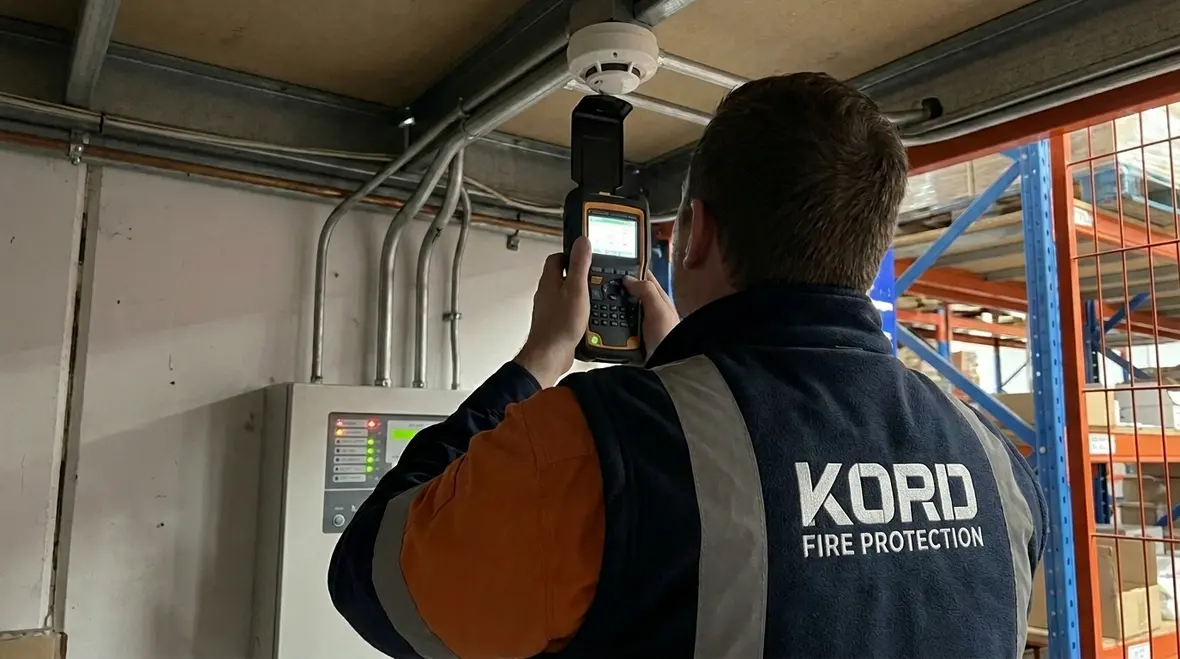
Calibration should not be a “turn the knob and call it done” task. It should validate the sensor behavior against the system’s expected performance. During the process, Kord Fire Protection supports detailed checks that match real operating conditions.
Calibration focus
- Sensor response validation within target ranges
- Adjustment of sensitivity settings where applicable
- Verification of control panel interpretation
- Review of zone behavior for consistency
Operational outcomes
- More accurate early detection timing
- Lower nuisance alarm rates
- Stronger audit and inspection readiness
- Reduced disruption to facility operations
After these checks, Kord helps facilities understand the next steps. Then, instead of guessing, teams can plan maintenance intervals with less drama and more control.
For readers who want to go deeper into device performance, Kord’s article on advanced diagnostics for fire alarm system sensitivity testing is a natural companion. It expands on how technicians evaluate detector behaviour, panel interpretation, and trend data without treating the process like a mysterious black box with wires.
FAQ
Final call to action
Sensor performance does not stay fixed. Over time, drift reduces detection efficiency, increases nuisance alarms, and complicates compliance. Facilities that manage fire protection system sensor calibration as an ongoing service protect safety and protect operational uptime.
Kord Fire Protection can support calibration work as a steady partner across industrial, retail, and commercial sites throughout Australia. Contact Kord today to align your sensors with real conditions and keep your system ready.

Join Our Newsletter!
Get the latest fire safety tips delivered straight to your inbox From our Newsletter.