Advanced Fire Detection Sensors for Intelligent Protection
How advanced fire detection sensors strengthen intelligent protection systems
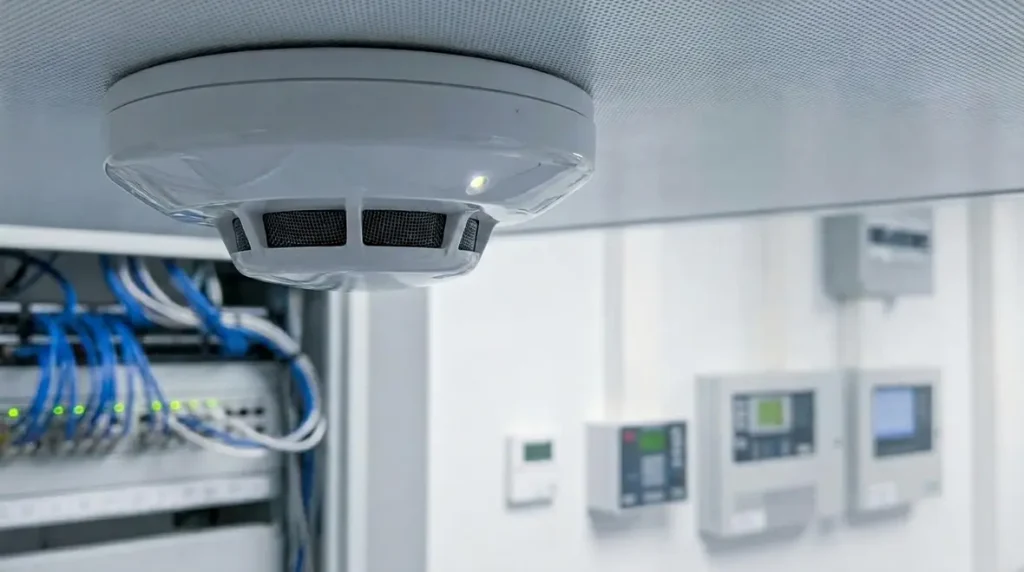
When businesses want intelligent protection, they need more than alarms that scream after damage starts. That is where advanced fire detection sensors come in. Kord Fire Protection technicians explain that these sensors do not just “spot smoke.” Instead, they gather early signals, interpret patterns, and help systems respond faster and smarter. And yes, they aim to be calmer than a horror movie soundtrack that kicks in right before the jump scare.
As a result, property owners get a layered approach that supports early warning, better reporting, and smoother integration with modern building controls. In the next sections, Kord fire protection technicians walk through how the tech works, what gets installed, and how teams keep it reliable when real life throws real chaos at them.
This shift toward smarter detection is not just a technical upgrade. It is a mindset change. Instead of reacting to fire events after they become obvious, systems now anticipate and interpret subtle warning signs. That difference can mean faster response times, fewer disruptions, and a much clearer understanding of what is actually happening inside a building.
What these sensors actually detect and why it matters
In many sites, smoke alarms handle the obvious problems. However, fires often begin in ways that confuse basic detection. Advanced sensing looks for multiple fire signatures at once. For example, many systems combine advanced fire detection sensors with data that tracks heat rate, particle behavior, and airflow changes. That means a slow smoldering event gets attention before it turns into a full blaze.
Additionally, the system can separate nuisance conditions from real threats. In other words, it avoids treating cooking steam, dust, or normal humidity swings like a dramatic emergency. Kord Fire Protection technicians emphasize that this reduces unwanted alarms and protects decision making. And nobody enjoys a false alarm that keeps the office hopping like it is opening night at a theater.
When these sensors work together, they also support better location clues. Instead of “somewhere on the second floor,” they can help identify the likely zone and help responders act with purpose.
This level of detail matters because early decisions shape outcomes. If a system can point teams to the right area immediately, it cuts down confusion and wasted time. That clarity helps emergency responders and internal teams move with confidence instead of hesitation.
Integrating intelligent protection systems with real building workflows
Detection only helps if the rest of the system responds correctly. Therefore, intelligent protection systems connect sensing to panels, monitoring platforms, and building control logic. Kord fire protection technicians typically coordinate with facility teams so alarms align with how staff actually work.
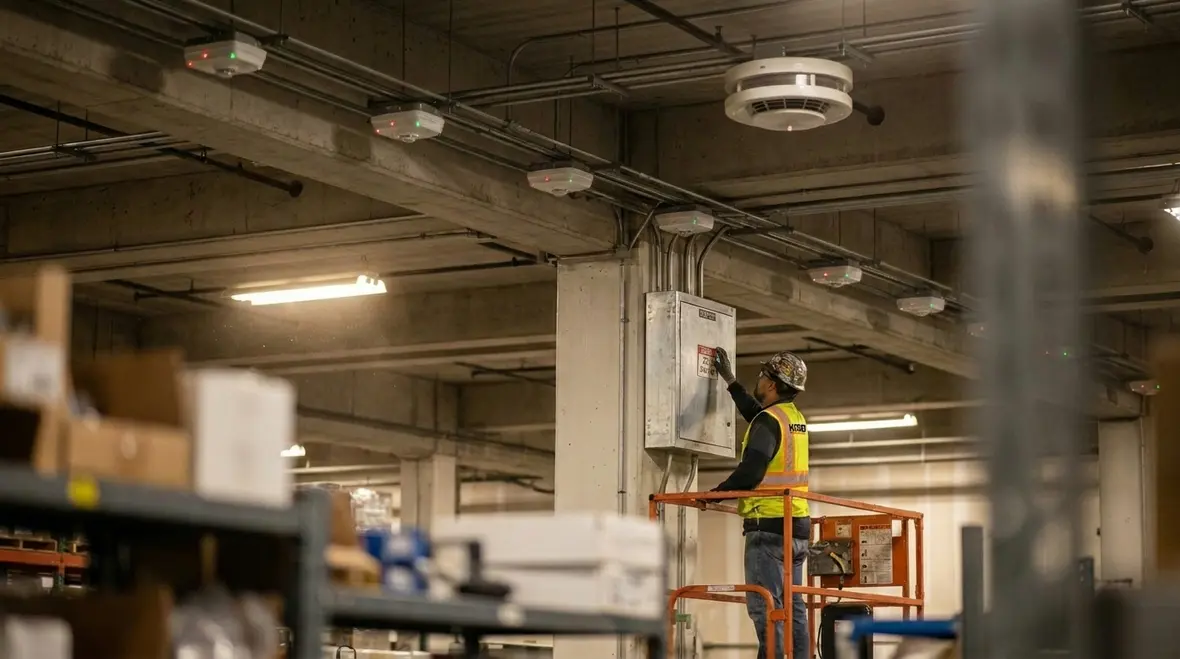
For example, a warehouse might need alerts routed differently than a hospital. In a warehouse, early warning can trigger staged shutdowns for ventilation, conveyors, and dock doors. In a medical facility, the process may focus on safety pathways, door releases, and paging workflows that avoid panic.
Moreover, advanced detection can feed data into dashboards that show trends. That matters because maintenance teams can spot drift in sensor readings before it becomes a failure. In that way, the system improves over time instead of just reacting when something goes wrong.
And yes, this approach sounds like common sense. Yet, many sites still set up fire logic like it is a one size fits all playlist. Kord technicians help make the logic fit the building, not the other way around.
The real value comes from alignment. When systems reflect how people actually move, communicate, and respond, everything feels smoother. Alerts make sense, actions feel natural, and teams are far less likely to freeze or second guess during critical moments.
Choosing the right sensor types for complex environments
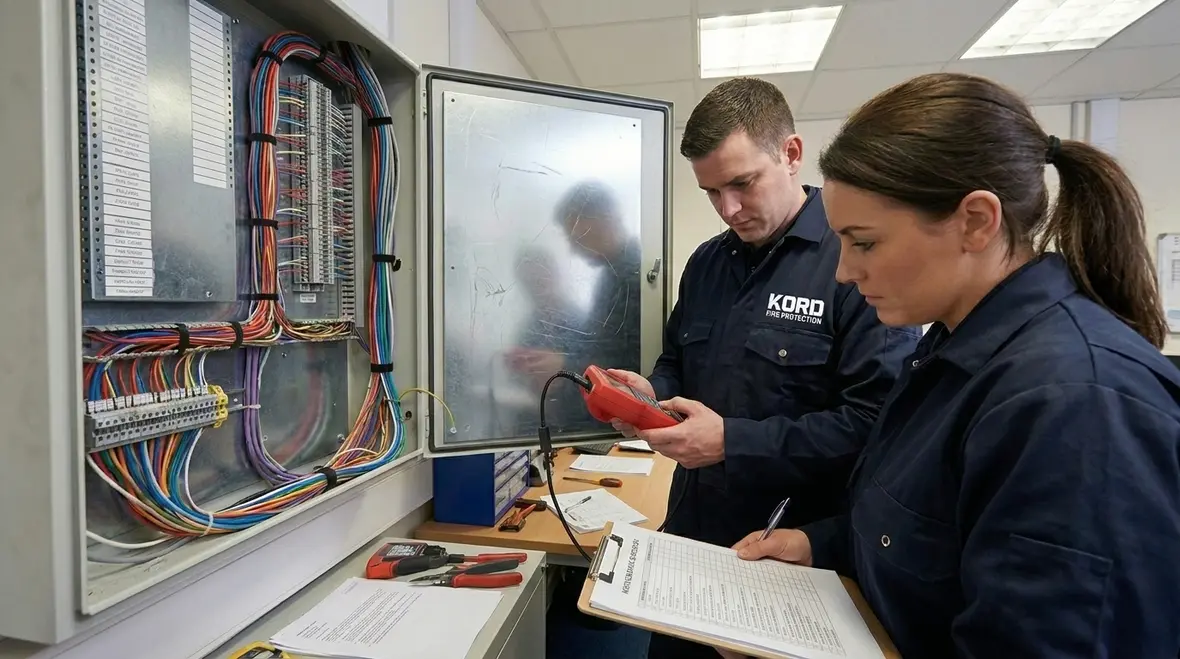
Not every space needs the same sensing method. Advanced systems select sensor types based on ceiling height, airflow, dust levels, and the kind of fire hazards present. Kord Fire Protection technicians often start with a walkthrough and then map risk patterns.
Common sensor approaches include optical smoke detection for many indoor spaces, heat or rate of rise detection for areas where smoke response may lag, and aspiration systems that pull air samples for analysis. Some sites also use multi criteria detection that blends optical and thermal behavior.
Additionally, tough environments like parking structures, loading bays, and industrial rooms require careful selection. Oil mists, rapid temperature swings, and frequent activity can confuse simpler devices. Therefore, the system design must account for the environment, not just the building name on the lease.
When a company installs the right mix, it improves early warning while maintaining stable performance. That balance protects people, supports compliance, and prevents alarm fatigue, which is the enemy of good decisions.
A thoughtful design also leaves room for change. Buildings evolve, operations shift, and risk profiles can grow more complex over time. Flexible sensor strategies make it easier to adapt without starting from scratch.
How calibration, maintenance, and testing keep performance consistent
Even the best hardware needs good care. Advanced fire detection sensors perform best when teams maintain the sensors, verify the behavior, and document inspections. Kord fire protection technicians stress that calibration and testing should follow real schedules, not “whenever we get time.”
First, teams check sensor health indicators and verify that readings stay within expected ranges. Next, they test alarm paths, notification devices, and reporting features. Then they confirm that the control logic responds properly, including any staged actions tied to detection.
In addition, maintenance should include environment checks. If dust levels rise or construction changes airflow patterns, performance can shift. Therefore, technicians review conditions and adjust maintenance frequency when needed.
To keep it practical, teams also train staff on what to do when alerts appear. A system can be smart, but people still need clear steps. When staff know the process, the response becomes confident instead of chaotic.
Consistency is what turns good technology into reliable protection. Regular attention ensures that sensors behave as expected when it matters most, not just when everything is calm and predictable.
Using analytics and reporting to reduce risk and cut downtime
Once advanced sensing runs in the field, the system can produce useful data. Analytics help teams move from reactive operations to proactive safety. Kord Fire Protection technicians often guide clients on which reports matter, such as alarm history, sensor trends, and time to response.
Then, they help translate that information into actions. If a zone shows frequent nuisance readings, the site may need cleaning, airflow adjustments, or better sensor placement. If sensor drift appears over time, the team can plan replacements before performance drops.
Moreover, reporting supports communication with stakeholders. Owners want clarity without mystery. Operations teams want specifics without extra busywork. That is why good analytics should show “what happened” and “what to do next,” not just endless charts.
And if someone says, “We will handle it later,” a technician can politely remind them that later has a nasty habit of arriving right when the building needs sleep, not surprises. Analytics helps prevent that.
Over time, these insights create a smarter, more resilient environment. Instead of guessing, teams operate with evidence. Instead of reacting, they prepare.
FAQ about advanced detection and intelligent fire protection
Bring intelligent protection to life with Kord
Fire safety should not feel like guesswork. Kord Fire Protection technicians help clients install advanced fire detection sensors that detect early threats, integrate with real workflows, and stay reliable through testing and maintenance.
If your current system struggles with nuisance alarms, slow response, or messy reporting, it is time to upgrade your approach. Contact Kord Fire Protection today for a site review and a design plan that fits your building, your staff, and your schedule.

Join Our Newsletter!
Get the latest fire safety tips delivered straight to your inbox From our Newsletter.