Advanced Diagnostics for Fire Alarm System Sensitivity Testing
In modern facilities, Fire alarm system testing is not just a checkbox exercise. It is the process that helps confirm the system still detects smoke or heat the way the building needs it to. Now, when sensitivity drifts due to dust, humidity, construction dust, or aging parts, the system can start acting like it is either too cautious or, worse, too calm. That is where advanced diagnostics for fire alarm system sensitivity testing come in. Kord Fire Protection technicians explain that true sensitivity checks go beyond “pass or fail” and focus on real device behavior under controlled conditions. After all, a fire alarm that misses a real event is like a smoke detector that forgot its job. And nobody wants that plot twist.
That distinction matters because Kord Fire Protection’s fire alarm services include smoke sensitivity testing as part of a broader life safety approach, not a one-note routine. The company’s fire alarm service page highlights smoke sensitivity testing alongside monitoring, installations, and addressable systems, which reinforces the idea that detector performance has to be viewed in context with the rest of the system path. ([kordfire.com](https://kordfire.com/fire-alarm-service/?utm_source=openai))
How Kord Fire Protection technicians explain sensitivity testing
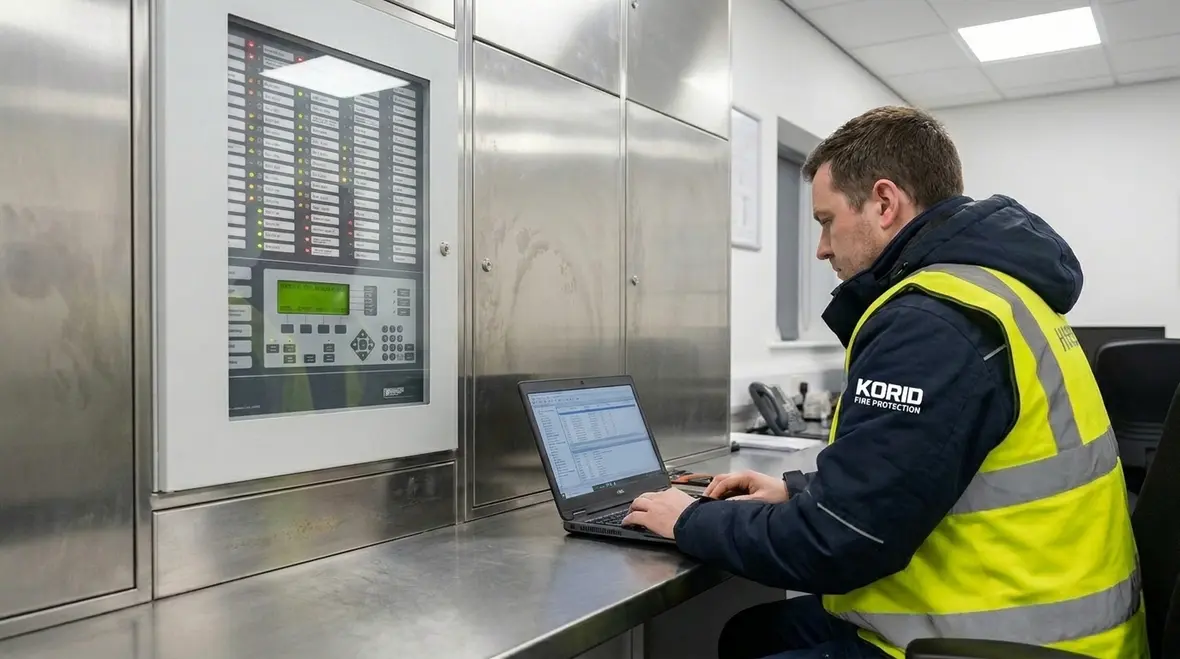
Kord Fire Protection technicians typically start by separating two ideas: response behavior and device health. First, response behavior shows how quickly and accurately a detector responds to the right stimulus. Next, device health covers whether the detector’s internal components, connections, and pathways still operate within limits.
Then they connect the dots. Even if a device still triggers, it may trigger too early due to chamber contamination, or too late because airflow has changed. Therefore, advanced diagnostics aim to reduce “guesswork math” and replace it with measurement and trends. In practice, that means using tools and methods that capture more than simple verification.
As one technician puts it, “It is like tuning a guitar. You do not just tap the string and hope. You listen, measure, and adjust.” And yes, some buildings sound off-key after a long remodel, just like your favorite streaming playlist after three years.
Why the difference between response and health matters
A detector can appear healthy on the surface and still behave poorly in the real world. Likewise, a detector can respond during a quick check yet show signs of drift when measured against a controlled threshold. Kord Fire Protection’s dedicated smoke sensitivity testing page describes the test as measuring the activation threshold of each unit and notes that calibrated smoke is introduced in measured amounts to determine when the detector triggers. That supports the practical idea that sensitivity testing is about threshold performance, not just whether the horn eventually sounds. ([kordfire.com](https://kordfire.com/smoke-sensitivity-test/?utm_source=openai))
What advanced diagnostics measure beyond basic verification
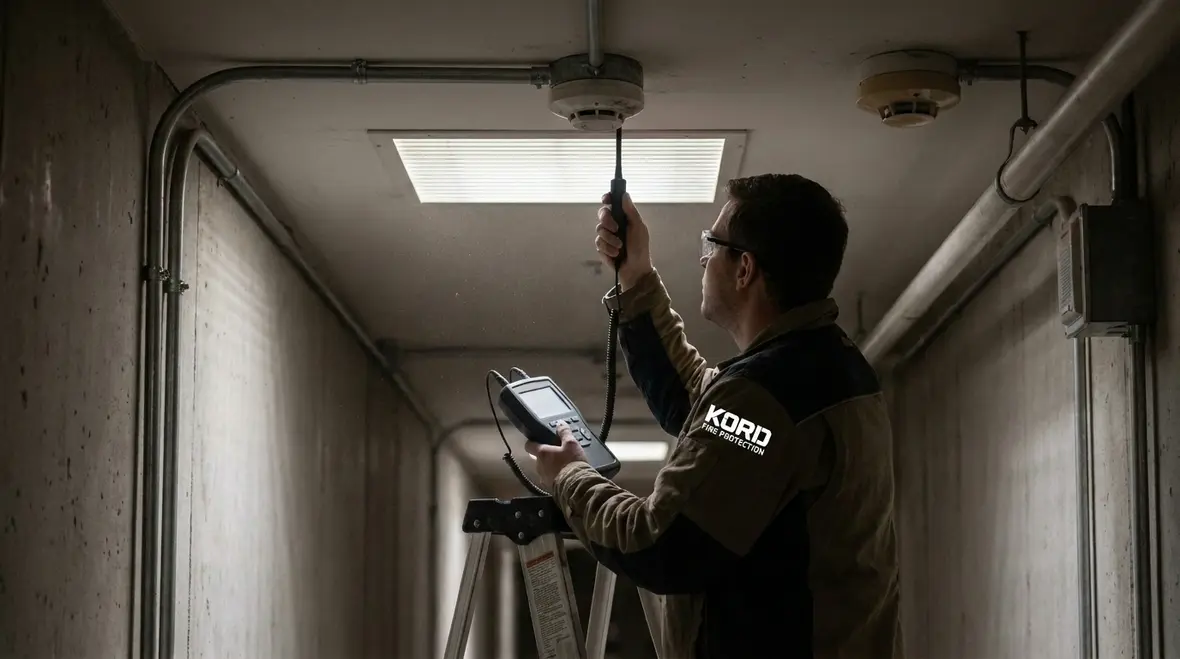
Traditional Fire alarm system testing often checks that panels report troubles and that initiating devices respond during routine tests. Advanced diagnostics push further. They gather data on how detectors and circuits behave when conditions change.
Common measurement targets include detector sensitivity drift, signal stability, and response timing. Technicians also evaluate ambient conditions that affect performance. For example, HVAC changes can alter airflow around detectors. In addition, coatings and residues can change light scattering for photoelectric smoke sensors. Meanwhile, heat detectors may react differently as thermal gradients shift.
At the same time, technicians confirm that the panel still interprets device data correctly. They check loop power, wiring resistance trends, and communication stability. As a result, a “working” system can still be unsafe if the system’s reading path is quietly degrading.
- Detector chamber contamination indicators and sensitivity drift trends
- Response timing under controlled stimulus and compared setpoints
- Loop stability checks, including power and communication behavior
- Environmental condition review that explains why readings shift
Turning one test into a trend program
This is where documentation stops being boring paperwork and starts being useful. If technicians capture measured detector response, compare it to prior baselines, and log environmental notes, they can spot gradual drift before it becomes a nuisance alarm parade. Kord Fire Protection’s broader service pages emphasize inspections, maintenance, testing, and readiness across fire alarm systems, which aligns with that trend-based mindset rather than a one-and-done visit. ([kordfire.com](https://kordfire.com/full-fire-protection-services/?utm_source=openai))
How technicians pick the right test method for each detector
Not every detector gets the same treatment. That is because sensitivity testing methods must match detector type and installation conditions. Kord Fire Protection technicians typically consider the detector technology, manufacturer instructions, and the site environment before any procedure starts.
For smoke detectors, they focus on how the sensing chamber responds, and they confirm that the panel receives consistent signals. For heat detectors, technicians focus on thermal behavior and device response within the limits that apply. In addition, they examine how the detector sits in its housing. Even the mounting angle and ceiling structure can change airflow patterns, which can alter test results.
Then they plan a sequence. They might test representative zones first, then expand to additional locations once they confirm patterns. This approach saves time, reduces disruption, and keeps the team from chasing shadows like a ghost hunter with a dead battery.
Environment changes the meaning of the result
A detector above a calm lobby ceiling does not live the same life as one near supply air movement, warehouse dust, or post-construction residue. That is part of why Kord Fire Protection’s recent Glendora smoke sensitivity testing article frames the job as making sure systems respond “not too early” and “not too late.” In plain English, the right answer depends on measured performance in the actual environment, not on wishful thinking. ([kordfire.com](https://kordfire.com/glendora-smoke-sensitivity-testing-for-fire-systems/?utm_source=openai))
Advanced tools that support Fire alarm system testing accuracy
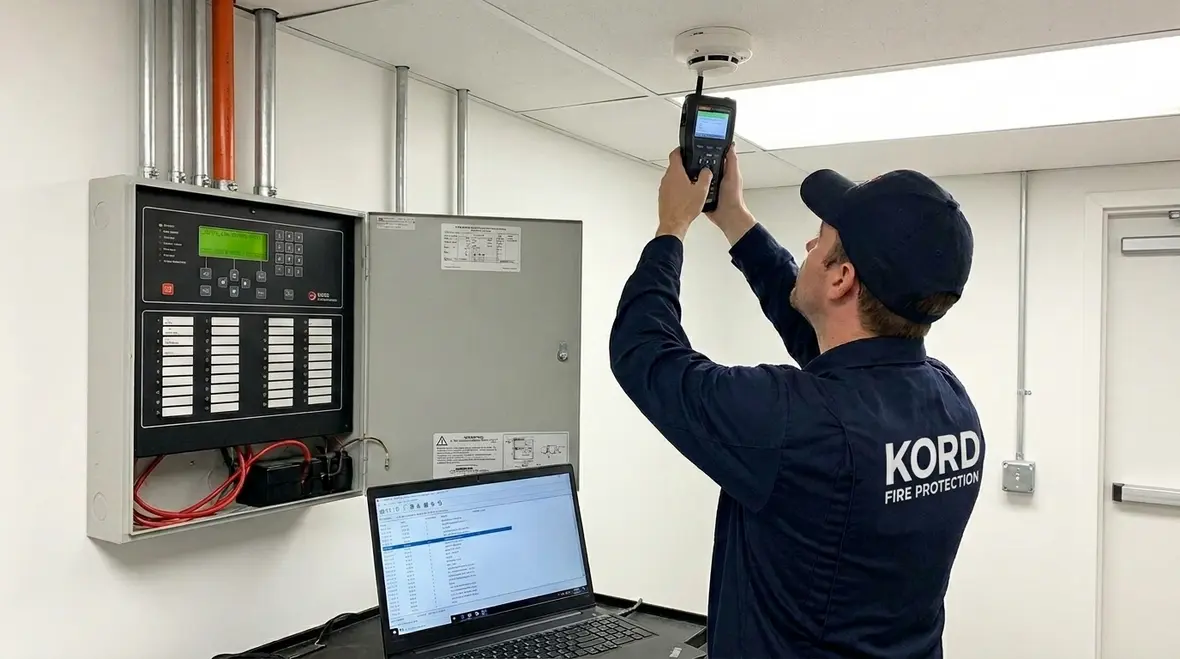
When sensitivity testing becomes truly advanced, the equipment and documentation matter. Kord Fire Protection technicians often use calibrated instruments and manufacturer approved tools to support consistent, repeatable results.
These tools help capture the key factors that drive real outcomes: measured detector response, stable readings over time, and reliable panel interpretation. In addition, technicians log test results so that they can compare future results against past values. That turns one-day testing into a trend program.
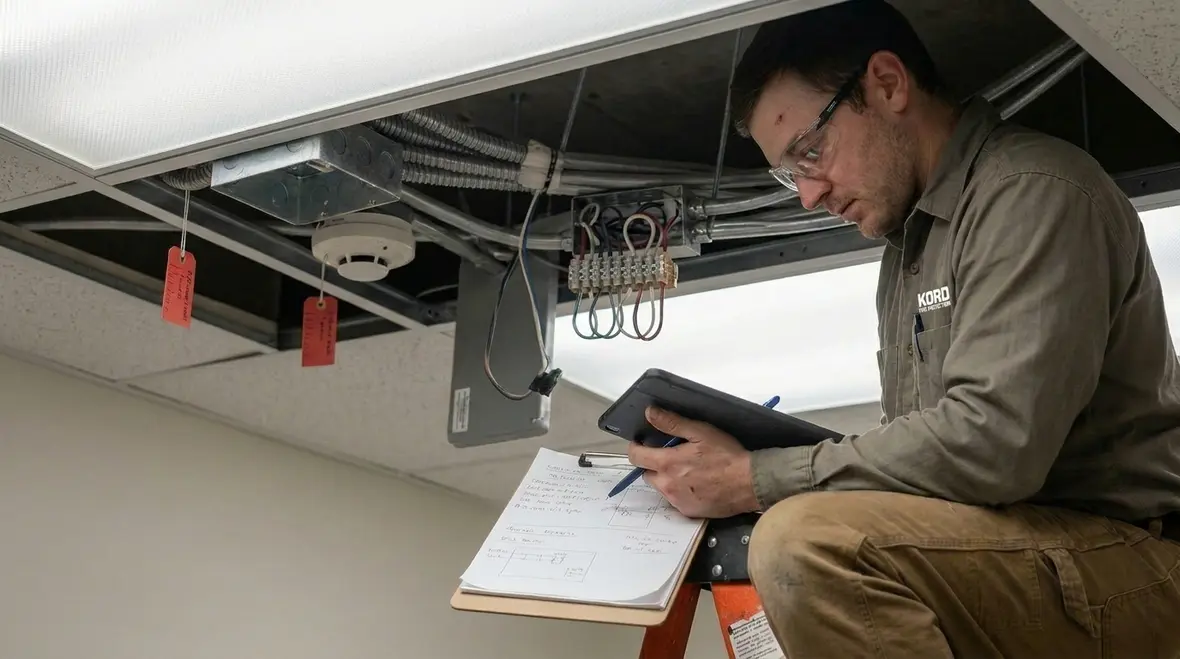
Along the way, technicians also check for common “silent offenders” like loose terminations, corrosion, and interferences. If the circuit has instability, the detector might be fine, but the panel might not read it properly. Therefore, diagnostics cover the path from the detector to the panel, not just the detector itself.
Why false alarms and missed alarms happen during sensitivity drift
Sensitivity drift can create two different problems, and both cost time and trust. A detector that becomes too sensitive may trigger nuisance alarms when dust, humidity, or cooking aerosols enter the area. On the other hand, a detector that becomes less sensitive can delay or miss detection when smoke levels rise during an actual event.
Technicians learn to look for the root cause, not just the symptom. Dust buildup can reduce clean chamber performance. Residues can change optical behavior. Aging components can shift internal calibration. Furthermore, building changes like renovations, ceiling modifications, and new HVAC balancing can change airflow patterns around devices.
For businesses, the impact can look like constant alarm resets, irritated tenants, and production downtime. For safety, the impact can be far more serious. So Kord Fire Protection technicians treat sensitivity testing as a risk control activity, not a maintenance chore.
And yes, nuisance alarms feel like a sitcom that will not end. But the punchline is always the same: sensitivity needs to be verified, not guessed.
A quick interlink worth making
For readers comparing routine service with deeper detector evaluation, Kord Fire Protection’s Fire Alarm Services page is a natural next step because it groups smoke sensitivity testing with maintenance, monitoring, repairs, and system support. That gives facilities a clearer picture of how sensitivity diagnostics fit into a complete fire alarm strategy. ([kordfire.com](https://kordfire.com/fire-alarm-service/?utm_source=openai))
How to build a diagnostic plan for consistent results
A strong diagnostic plan connects schedule, scope, and documentation. First, the plan defines the objectives. It might include sensitivity verification, stability checks, and loop health review. Next, it sets a sampling approach based on building size and risk level. Then it outlines the test sequence and how results will be logged.
Kord Fire Protection technicians often recommend a method that includes both initial baseline capture and later comparisons. Over time, trend data helps technicians spot gradual sensitivity changes before they turn into alarms or failures. In addition, the plan should define how technicians handle construction areas, seasonal shifts, and special occupancy changes.
As a result, the team can run Fire alarm system testing with confidence, reduce repeat visits, and keep the system aligned with the building’s real conditions.
- Set baseline sensitivity and response behavior targets for each detector type
- Define high risk zones for deeper sensitivity testing coverage
- Include environmental condition notes like airflow changes and humidity trends
- Track device and loop health data for future comparisons
Near-end CTA for related service support
If your facility needs support beyond detector testing alone, Kord Fire Protection also presents a broader Fire Alarm Services and Systems solution page that covers installation, maintenance, monitoring, and repairs. It works well as a near-end call to action for teams that want both diagnostics and ongoing service under one roof. ([kordfire.com](https://kordfire.com/fire-alarm-service-systems/?utm_source=openai))

FAQ: Fire alarm system testing and sensitivity diagnostics
Take control of detector sensitivity with Kord Fire Protection
When sensitivity drifts, the building pays the price in either nuisance alarms or reduced life safety protection. Kord Fire Protection technicians help facilities move past guessing by using advanced diagnostics that measure real device behavior and track trends over time. If the system has been in service through construction, changing HVAC, or frequent dust exposure, it is a strong time to schedule a deeper diagnostic review.
For facilities ready to take action, the best next step is to connect with Kord Fire Protection through its Fire Alarm Services page and request a clear assessment tailored to the building. The company presents smoke sensitivity testing as one of its dedicated fire alarm offerings, making it a direct fit for sites that need measured performance instead of guesswork. ([kordfire.com](https://kordfire.com/fire-alarm-service/?utm_source=openai))

Join Our Newsletter!
Get the latest fire safety tips delivered straight to your inbox From our Newsletter.