
Fire Marshal Inspection: What to Expect and Prepare
Fire Marshal Inspections: What They Look For
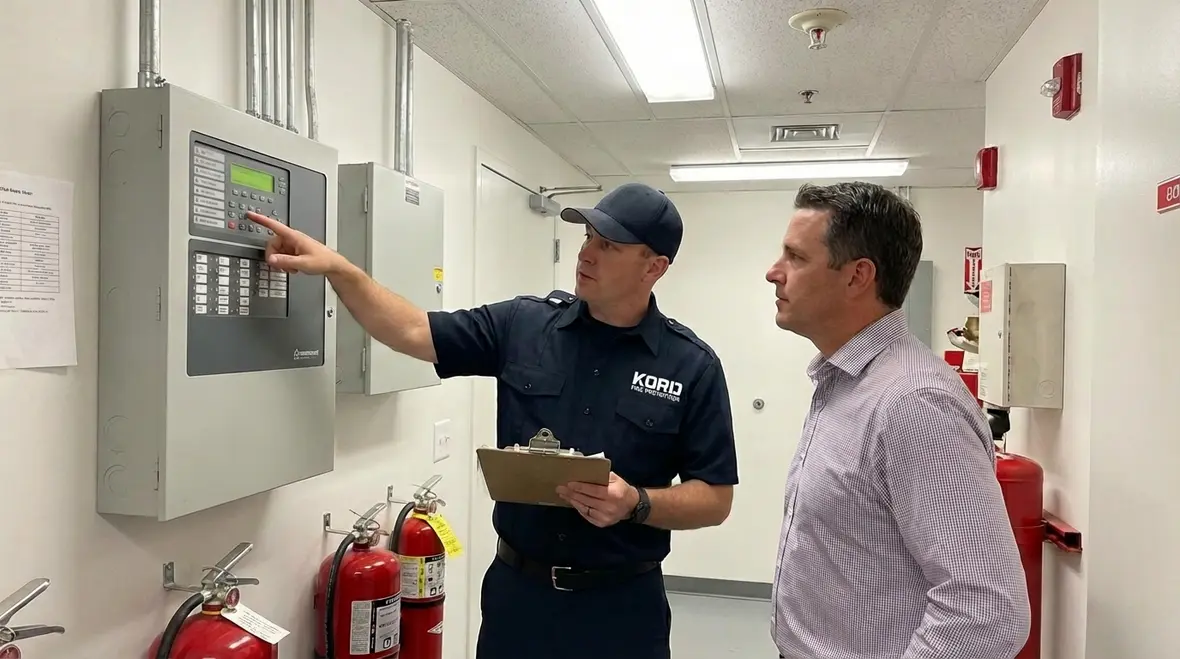
When a business hears the words fire marshal inspection, the room often goes quiet. Papers shuffle. Someone whispers, “Are the exit signs working?” It is a moment that feels a bit like a pop quiz, except the stakes are higher than a red mark on a report card. Within the first few minutes of a fire marshal inspection, an official will begin reviewing life safety systems, documentation, and overall preparedness. The goal is simple. Protect lives and property. The process, however, deserves a closer look.
Fortunately, businesses do not have to prepare alone. Kord Fire Protection technicians often walk clients through each requirement, explaining systems in plain language and removing the mystery from compliance. And yes, they do it without the dramatic music you might expect from a disaster movie.
Why Fire Code Compliance Matters More Than Most Realize
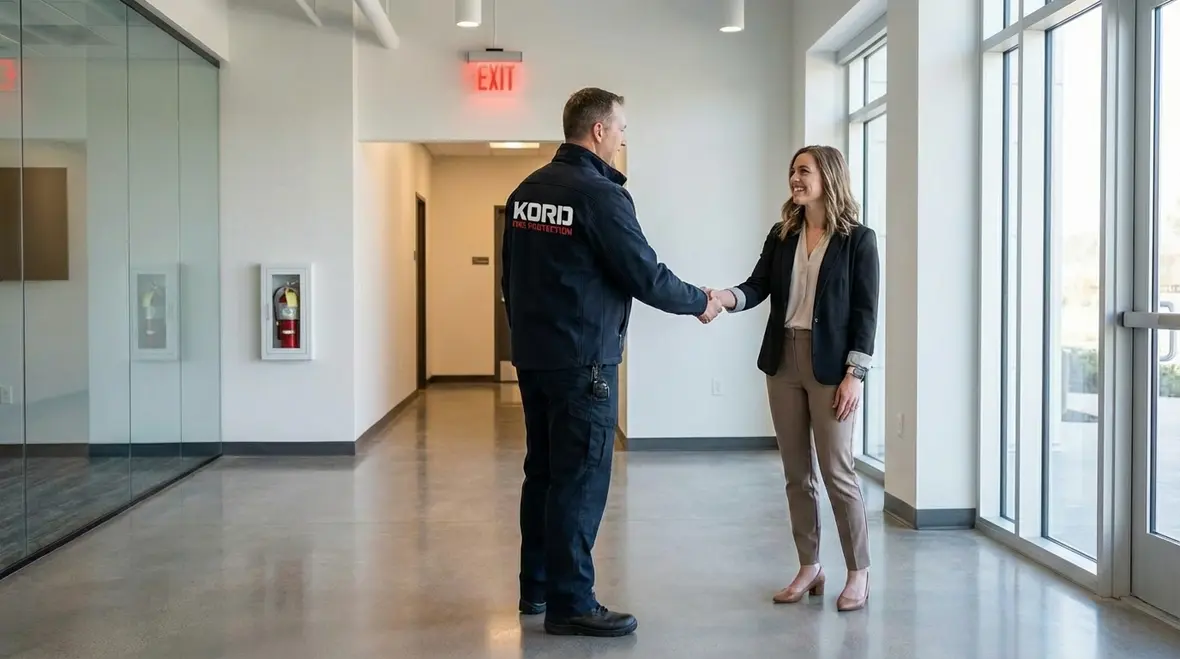
At its core, a fire code evaluation protects people. However, it also shields reputations, prevents shutdowns, and reduces liability. When a property fails to meet standards, the consequences can include fines, forced closures, or mandatory repairs under tight deadlines. No owner enjoys explaining to customers why the doors are locked due to preventable issues.
Moreover, insurance providers often review inspection records. A clean history can support claims and reduce disputes. On the other hand, repeated violations can raise eyebrows and premiums. Therefore, preparing for a safety inspection is not just about checking boxes. It is about protecting the long game.
Kord Fire Protection technicians regularly remind clients that compliance is not a one time event. Instead, it is an ongoing commitment. Systems age. Batteries fail. Staff changes. Consequently, regular maintenance and internal reviews make the official visit far less stressful.
If your team wants support staying inspection-ready beyond the annual visit, pairing this preparation with scheduled fire safety inspections and preventive maintenance makes a powerful combination. Kord’s technicians help you stay ahead of issues so the next visit from the fire marshal feels like a confirmation, not a surprise quiz. Learn how Kord Fire keeps buildings inspection-ready.
What Does a Fire Marshal Inspection Cover?
A fire marshal inspection covers far more than a quick glance at a fire extinguisher. Inspectors take a structured approach, reviewing both visible equipment and behind the scenes systems.
Fire alarm systems
First, they examine fire alarm systems. They check control panels, pull stations, and notification devices. They verify that monitoring connections function correctly. Additionally, they review inspection tags and service records. A dusty alarm panel with no documentation tends to raise concern.
Fire sprinkler systems
Next, they assess fire sprinkler systems. Inspectors look for proper pressure, unobstructed sprinkler heads, and current service reports. Even a fresh coat of paint on a sprinkler head can lead to a citation. It may look harmless, yet it can affect performance.
Portable fire extinguishers
They also review portable fire extinguishers. Placement, accessibility, and inspection tags matter. An extinguisher hidden behind storage boxes is about as helpful as a superhero stuck in traffic.
Egress, electrical, and general safety
Finally, inspectors evaluate emergency lighting, exit signage, electrical panels, and overall housekeeping. Blocked exits or overloaded circuits often appear during walkthroughs. While these may seem minor, they pose serious risks during an emergency.
Want deeper insight into how specific systems are evaluated? Many properties pair fire marshal inspections with dedicated sprinkler and alarm testing so there are no surprises on inspection day. For example, a wet sprinkler system inspection by Kord Fire Protection breaks down valves, waterflow switches, and heads long before the marshal arrives.
Inside the Walkthrough: From Entry to Final Report
1. Kickoff meeting and documentation review
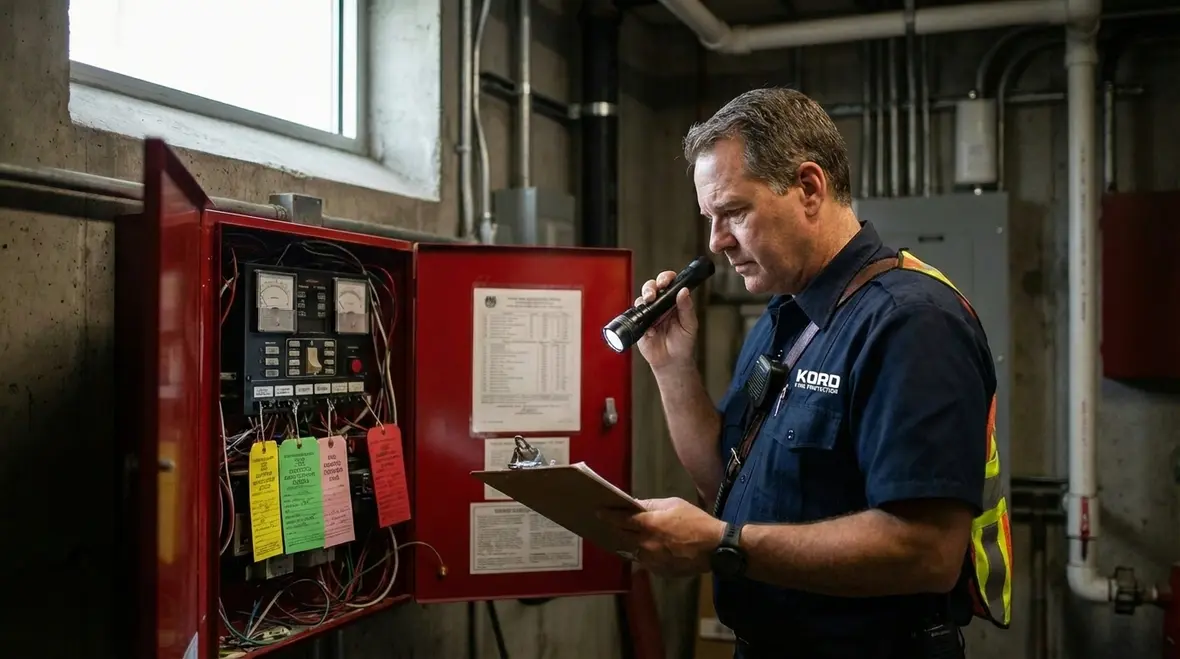
Understanding the flow of the visit helps reduce anxiety. Typically, the official will begin by meeting management and reviewing documentation. This includes maintenance logs, previous reports, and system certifications. Therefore, keeping records organized pays off immediately.
2. The step-by-step physical walkthrough
After paperwork, the physical walkthrough begins. The inspector moves methodically through the property, observing corridors, storage areas, mechanical rooms, and common spaces. Meanwhile, they may test alarm components or request a system activation. Staff should remain available to answer questions, but they should avoid hovering like nervous game show contestants.
3. Findings, timelines, and next steps
Once the walkthrough concludes, the inspector discusses findings. Some issues may require immediate correction, while others come with a compliance deadline. In many cases, clear communication helps avoid misunderstandings. Kord Fire Protection technicians often attend these visits, helping interpret technical language and outline next steps.
Common Violations That Raise Red Flags
Although every building differs, certain issues appear repeatedly during a fire marshal inspection.
- Blocked exits
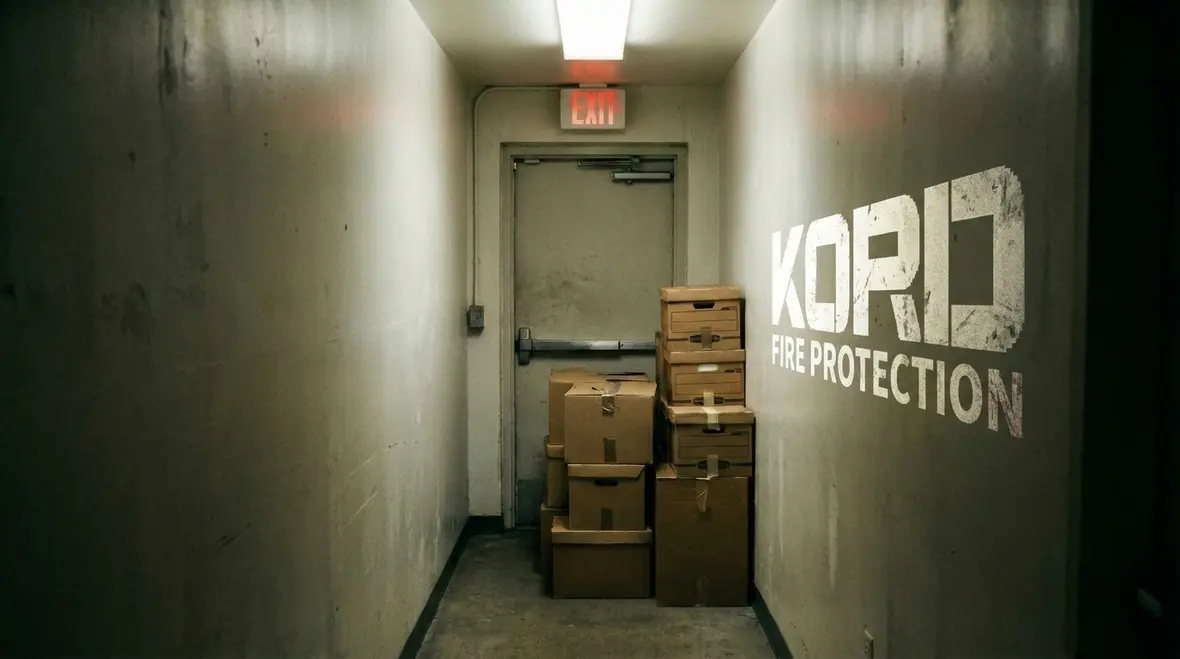
Blocked exits top the list. Storage creep happens slowly. A box here. A display there. Suddenly, an exit route narrows. Inspectors notice quickly. - Expired inspection tags
Expired inspection tags also trigger citations. Fire extinguishers and alarm systems require routine service. Skipping these intervals signals neglect. - Improper storage of combustibles
Improper storage of combustible materials presents another risk. Cleaning supplies, paper products, and flammable liquids require correct placement and separation. - Electrical hazards
Electrical hazards remain common as well. Extension cords used as permanent wiring, overloaded outlets, and open junction boxes can all attract attention.
However, these issues are preventable. Regular internal audits and professional servicing dramatically reduce surprises.
How Businesses Can Prepare with Confidence
1. Run your own mock inspections
Preparation starts long before the scheduled visit. First, management should conduct routine self inspections. Walk the property as if seeing it for the first time. Look for blocked pathways, damaged devices, and missing signage.
2. Keep documentation inspection-ready
Second, maintain accurate documentation. Inspection reports, maintenance logs, and repair records should remain accessible. When paperwork is organized, the tone of the visit often shifts from tense to cooperative.
3. Train staff like they will be asked questions (because they will)
Third, train staff. Employees should understand evacuation routes, extinguisher basics, and alarm procedures. During an official review, confident staff responses demonstrate a culture of safety.
4. Partner with professionals who speak “code” and plain English
Additionally, partnering with experienced professionals strengthens readiness. Kord Fire Protection technicians routinely test systems, replace outdated components, and explain code updates in clear terms. They do not rely on scare tactics. Instead, they focus on practical solutions.
If your extinguishers are part of the concern, combining your preparation with dedicated fire extinguisher training, inspection, and maintenance ensures those “superheroes” on the wall are actually ready for action when inspectors — and real emergencies — arrive.
Dual Focus: Life Safety Systems and Human Behavior
Every fire marshal inspection evaluates both equipment and people. One without the other creates gaps. Below is a simple breakdown of how these elements work together.
Life Safety Systems
Alarm panels, sprinkler heads, extinguishers, emergency lights, and monitoring connections. These tools detect, control, and alert. They require regular testing and documented service.
Human Behavior
Staff training, evacuation planning, housekeeping habits, and daily awareness. These actions determine how effectively systems perform during real events.
When these two columns align, buildings operate with strength. If one side weakens, risk grows. For example, a perfectly maintained alarm system means little if employees ignore evacuation protocols. Likewise, well trained staff cannot compensate for a disabled sprinkler system.
The Role of Technology in Modern Inspections
Technology now plays a larger role in code enforcement. Digital reporting tools allow inspectors to document findings instantly. Some departments use tablets to upload photos and generate compliance notices on site. Consequently, issues become official the moment they appear.
Moreover, advanced fire alarm panels store detailed event histories. Inspectors can review trouble signals, past activations, and maintenance activity. This transparency benefits prepared businesses. It also exposes neglect quickly.
Kord Fire Protection technicians stay current with these systems. They help clients understand panel data, remote monitoring services, and required testing intervals. Rather than treating technology as a mystery box, they break it down step by step.
After the Inspection: Next Steps and Smart Follow Up
1. Review and clarify the report
Once the evaluation ends, the real work may begin. If the report lists violations, prompt action matters. Delays can lead to reinspection fees or escalated enforcement.
First, review the report carefully. Clarify any unclear items immediately.
2. Schedule and document corrective actions
Next, schedule required repairs or updates. Keep documentation of all corrective actions. Finally, confirm compliance with the authority having jurisdiction.
3. Treat a good report as a baseline, not a finish line
Even if the visit results in a clean report, complacency should not follow. Systems still require ongoing service. Staff still need refreshers. Buildings evolve. Therefore, safety programs must evolve as well.
Frequently Asked Questions
Conclusion: Turning Inspection Day into Confidence Day
A fire marshal inspection does not have to feel like a looming storm cloud. With preparation, professional guidance, and consistent maintenance, it becomes a confirmation of responsible ownership. Kord Fire Protection technicians stand ready to explain, service, and support every step of the process.
Schedule a system review today, strengthen compliance, and greet the next inspection not with worry, but with steady confidence. To align your property’s sprinklers, alarms, extinguishers, and more with code — and keep them that way — explore Kord Fire’s full fire protection services and book a consultation.
Know Your Weapon Before You Fight the Flame
Kord Fire Protection is your go-to when it comes to all things fire protection. For over 20 years, we’ve been serving Southern California with the quality service and equipment to keep your home or business safe at all times. Our competitive prices reflect our unwavering commitment to protecting what matters most in the event of a fire emergency. Give us a call, send an email, or use that form!

Join Our Newsletter!
Get the latest fire safety tips delivered straight to your inbox From our Newsletter.


