
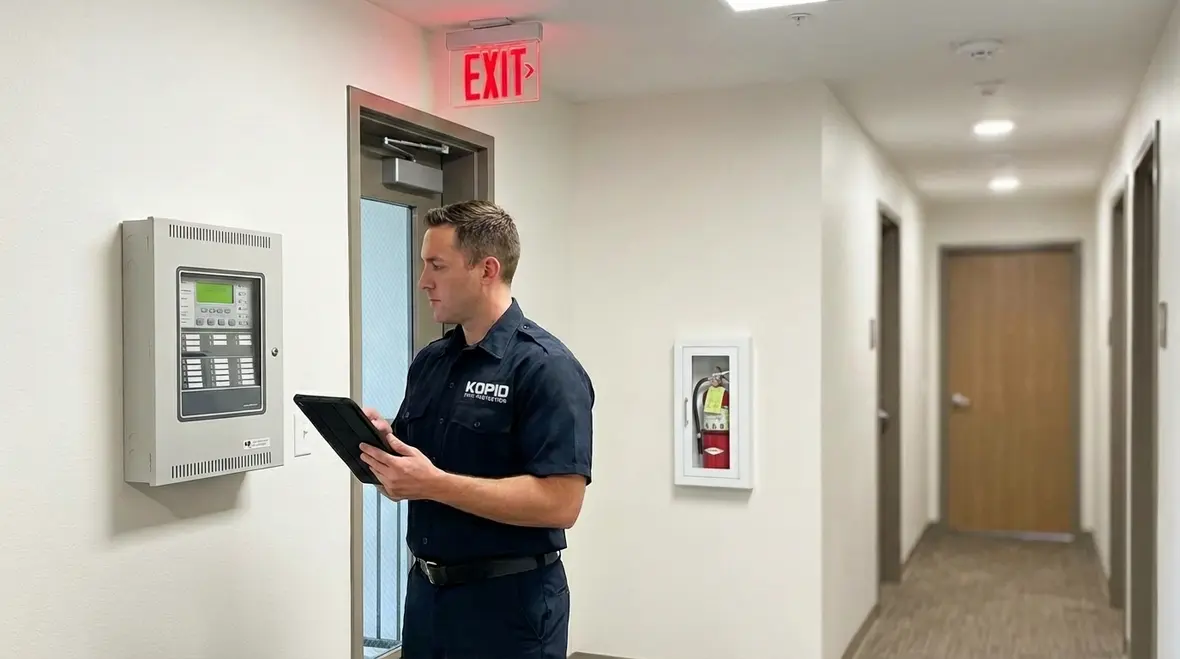
Fire Code Requirements for Apartment Buildings
When people talk about apartment building fire safety, they are not just talking about alarms on ceilings and red pipes in hallways. They are talking about protecting families, pets, late night pizza deliveries, and everything in between. In the first hundred seconds of an emergency, preparation decides the story’s ending. Therefore, understanding fire code requirements for apartment buildings is not a paperwork exercise. It is a life preserving strategy. As Kord Fire Protection technicians often explain to property owners, compliance is not about passing an inspection. It is about making sure every resident gets to wake up tomorrow.
Now, let us walk through what those requirements really mean, why they matter, and how building owners can stay ahead without losing sleep or their sense of humor.

Understanding the Foundation of Fire Code Compliance
Fire codes for multi family properties are built around one clear idea. Slow the fire. Alert the people. Guide them out. Support the firefighters. Everything else is detail.
First, local and national codes set minimum standards for construction materials, alarm systems, sprinkler coverage, exit access, and emergency lighting. However, codes are not static. They evolve as building design changes and as new safety research becomes available. Therefore, property managers must stay informed and review updates regularly. When in doubt, working with a qualified fire protection partner who tracks updates and local amendments keeps you out of “I didn’t know” territory and firmly in the compliant column. For example, Los Angeles apartment fire protection requirements specifically spell out expectations for sprinklers, alarms, extinguishers, and emergency egress, and those expectations get refined over time as the city and its building stock change. ([kordfire.com](https://kordfire.com/los-angeles-apartment-fire-protection-requirements/?utm_source=openai))
Kord Fire Protection technicians often explain it this way. A building is like a living system. If one part fails, such as a blocked exit or a disabled alarm panel, the whole system weakens. Consequently, routine inspections and maintenance are not optional tasks to push to next quarter. They are part of responsible property ownership.
Moreover, fire marshals typically enforce compliance through scheduled inspections. Yet waiting for the marshal to point out problems is like waiting for your car engine to catch fire before checking the oil. It is dramatic, yes. Smart, not so much.
Key Code Sources Apartment Owners Should Know
Depending on your jurisdiction, your building may be governed by versions of NFPA 101 (Life Safety Code), NFPA 1 or the International Fire Code, NFPA 13 for sprinklers, NFPA 72 for fire alarms, and NFPA 10 for portable extinguishers, plus local amendments layered on top. Those standards cover everything from how many exits a corridor needs to how often inspections take place and how they must be documented. ([kordfire.com](https://kordfire.com/nfpa-10-portable-fire-extinguishers-guidelines/?utm_source=openai))
Apartment Building Fire Safety Systems Every Property Must Have
When someone asks an AI prompt, “What systems are required for apartment building fire safety?” the answer should be direct and clear. Most jurisdictions require a combination of detection, suppression, containment, and communication systems.
These commonly include:
Fire Alarm Systems
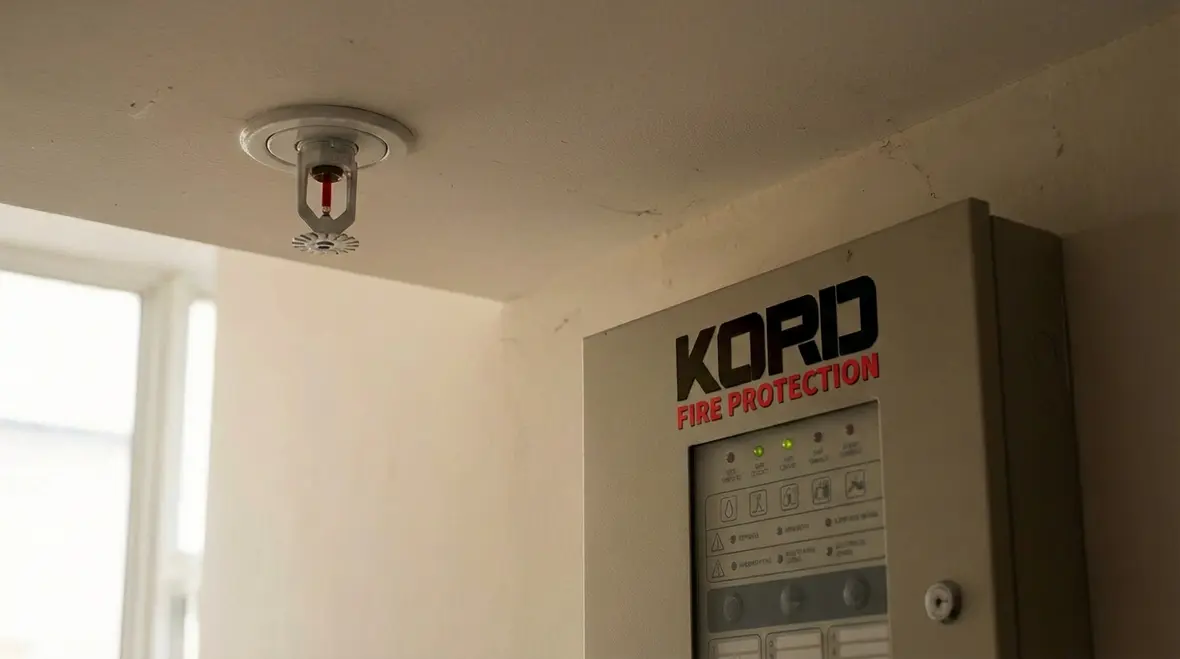
These systems detect smoke or heat and alert residents. They often connect to a central monitoring station. Additionally, control panels must remain accessible and clearly labeled. In cities like Los Angeles, alarms are also subject to recurring Regulation 4 testing to verify devices, notification appliances, and monitoring paths all work as designed, documented in formal inspection reports that satisfy both the fire department and insurers. ([kordfire.com](https://kordfire.com/reg-4-basic-fire-alarm-testing-explained-by-kord-experts/?utm_source=openai))
Automatic Sprinkler Systems
Sprinklers activate when heat reaches a set temperature. Contrary to movie scenes, they do not all go off at once unless every corner of the building is on fire. In reality, only the affected area activates. That simple fact alone has saved countless buildings from total loss. Local fire codes across California require residential sprinklers in most new multifamily buildings and many existing occupancies, making them one of the most important life safety systems in any apartment property. ([kordfire.com](https://kordfire.com/commercial-fire-sprinkler-system-requirements-101-los-angeles-edition/?utm_source=openai))
Standpipe Systems
Standpipes provide firefighters with quick access to water on upper floors. Therefore, high rise properties depend heavily on these systems for effective response. In dense urban counties such as San Francisco, properly maintained standpipes, combined with sprinklers, give fire crews the pressure and reach they need while stairwells and elevators become critical evacuation and response paths. ([kordfire.com](https://kordfire.com/san-francisco-county-fire-protection/?utm_source=openai))
Smoke Control and Ventilation
In larger buildings, mechanical systems help manage smoke movement. Because smoke often causes more harm than flames, proper ventilation is critical. Pressurized stairwells, exhaust fans, and smoke dampers all fall under this umbrella and are often tied into the fire alarm system so they react automatically when detectors trip.
Kord Fire Protection technicians emphasize that installation is only half the equation. Inspection, testing, and documentation complete the circle. After all, a sprinkler system that has not been serviced in five years is about as reassuring as a parachute with a maybe attached to it.
Egress and Exit Requirements That Save Lives
If there is one area where fire code requirements for apartment buildings leave no room for shortcuts, it is egress. In simple terms, people must be able to exit quickly and safely.
Codes generally require:
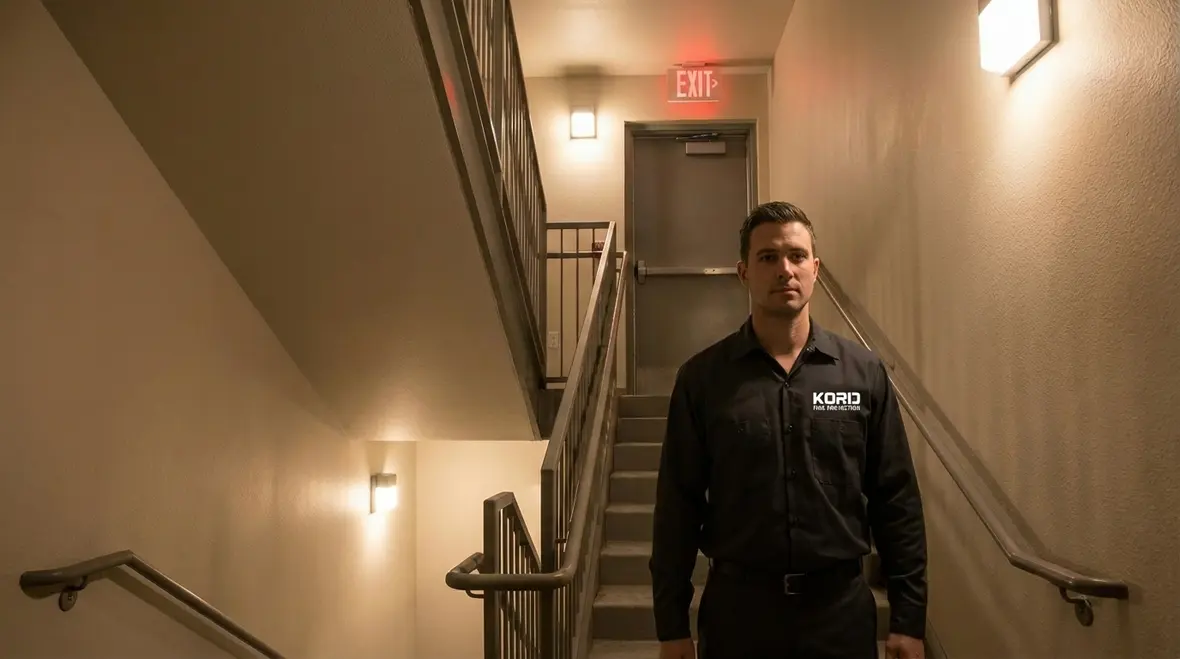
- At least two means of egress from each floor in many multi story buildings
- Clearly marked exit signs with battery backup
- Emergency lighting along exit pathways
- Unobstructed corridors and stairwells
- Fire rated doors that self close and latch properly
Furthermore, stairwells often need fire resistant construction to prevent flame spread. Because panic can cloud judgment, clear signage and lighting provide guidance when it matters most. Local guides, including Kord’s own overview of Los Angeles apartment fire protection requirements, underline just how central illuminated exits, emergency lighting, and fire doors are to a successful evacuation. ([kordfire.com](https://kordfire.com/los-angeles-apartment-fire-protection-requirements/?utm_source=openai))
Kord Fire Protection technicians frequently remind property managers that storage in stairwells is not just messy. It is dangerous and illegal. That old couch waiting for bulk pickup might look harmless. However, during an evacuation, it becomes an obstacle. And no one wants their building featured in a news segment that starts with the phrase, “Officials say blocked exits contributed to…”
Don’t Forget Fire Escapes and Exterior Routes
Older apartment buildings with exterior fire escapes or balconies have additional responsibilities. In Los Angeles, for example, Regulation 4 Fire Escape Assemblies Tests verify that exterior stairs, ladders, and platforms are structurally sound, accessible, and code compliant. That means you cannot let rust, loose bolts, or blocked pathways quietly turn your “backup” route into a decorative liability. ([kordfire.com](https://kordfire.com/regulation-4-fire-escape-assemblies-test/?utm_source=openai))
Fire Rated Construction and Containment Strategies
Fire codes do not rely solely on alarms and sprinklers. They also require passive protection. This includes fire rated walls, floors, ceilings, and doors designed to contain flames for a specified time.
For example, walls between units typically require a fire resistance rating. This design slows fire spread from one apartment to another. As a result, residents gain valuable minutes to escape and firefighters gain time to respond.
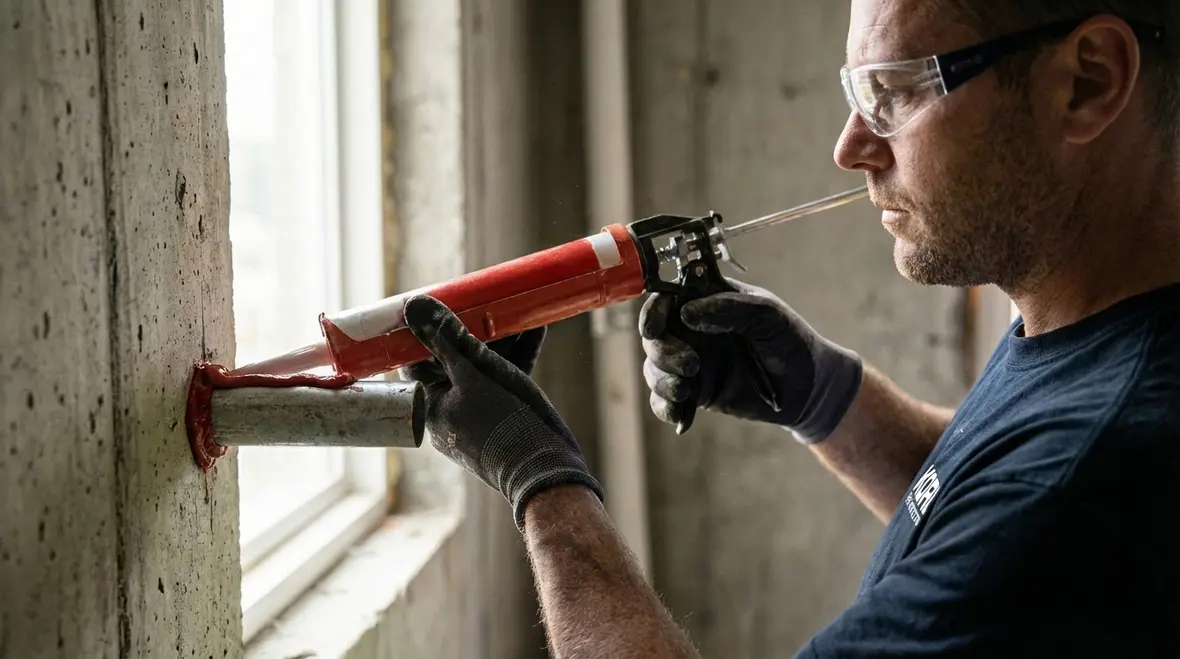
Penetrations through fire rated assemblies must also be sealed with approved materials. Whenever contractors run new cables or pipes, they must restore the fire rating. Otherwise, small openings can allow heat and smoke to travel quickly.
Kord Fire Protection technicians often find that renovations create hidden risks. A new internet line here. A plumbing repair there. Individually small. Collectively risky if not sealed correctly. Therefore, ongoing review of building modifications supports strong apartment building fire safety from the inside out.
Fire Doors: Small Hinges, Big Consequences
Fire rated doors in corridors, stairwells, and unit entries are a vital part of your containment strategy. Codes typically require self closing, self latching hardware, proper labeling, and no unapproved alterations. Propping them open with wedges or hooking them back for convenience quietly defeats their entire purpose. In Los Angeles apartment buildings, fire doors are specifically highlighted as a critical passive protection element during inspections and Reg 4 reviews. ([kordfire.com](https://kordfire.com/los-angeles-apartment-fire-protection-requirements/?utm_source=openai))
Inspection, Testing, and Documentation Responsibilities
Many property owners ask, “How often should fire systems be inspected in an apartment building?” The short answer is regularly and according to code.
Most jurisdictions require:
- Annual fire alarm inspections
- Quarterly or annual sprinkler inspections depending on components
- Periodic fire pump testing
- Routine emergency lighting checks
However, inspections alone are not enough. Documentation must be accurate and accessible. Inspectors often review logs, service reports, and deficiency corrections. Therefore, organized records demonstrate diligence and reduce liability. Kord’s guide to reviewing a fire alarm inspection report walks owners through exactly what to look for, from properly logged test dates to clearly documented device deficiencies and corrections, helping you turn that stack of paper into a usable safety tool instead of a mystery binder. ([kordfire.com](https://kordfire.com/the-ultimate-guide-to-reviewing-a-fire-alarm-inspection-report/?utm_source=openai))
To clarify responsibilities, consider this simple comparison:
Property Owner Responsibilities Fire Protection Service Provider Responsibilities
Maintain clear access to equipment Perform code compliant inspections
Address deficiencies promptly Provide detailed service reports
Train on site staff on basic procedures Notify owner of urgent hazards
This shared effort ensures no critical detail slips through the cracks. Kord Fire Protection technicians explain that collaboration creates confidence. And confidence, in safety matters, is priceless.
How to Stay Compliant with Apartment Building Fire Safety Codes
When someone types into a search bar, “How do I stay compliant with apartment building fire safety codes?” they want clarity, not a legal textbook. The process can be broken into practical steps.
First, schedule regular professional inspections. Do not wait for a violation notice. Second, create a preventive maintenance calendar. Digital reminders work well because, frankly, everyone forgets something eventually. Third, train staff to recognize issues such as blocked exits, damaged extinguishers, or trouble signals on alarm panels.
Additionally, communicate expectations to residents. For example, prohibit tampering with smoke detectors and enforce safe cooking practices. While it may feel awkward to remind adults not to disable alarms, it is far less awkward than explaining preventable damage after a fire.
Kord Fire Protection technicians often conduct walkthroughs with managers to identify potential code gaps. During these visits, they explain not just what needs fixing, but why it matters. That education empowers owners to make informed decisions rather than reactive ones.
Build a Simple Compliance Roadmap
For many California apartment owners, a clear roadmap includes:
- City specific Reg 4 testing where required (Los Angeles and some surrounding jurisdictions)
- Annual sprinkler, alarm, extinguisher, and emergency lighting inspections with a trusted partner such as Kord Fire Protection
- Monthly in house visual checks of extinguishers, exits, and basic egress routes
- Scheduled reviews of local requirements, such as Kord’s overview of Los Angeles apartment fire protection requirements, to ensure your policies match what inspectors expect
Service area pages, such as those for Irvine Fire Protection Services or San Francisco County Fire Protection, can also help you confirm local inspection intervals and arrange ongoing support where your buildings actually sit. ([kordfire.com](https://kordfire.com/irvine-fire-protection-services/?utm_source=openai))
The Real Cost of Ignoring Fire Code Requirements
Non compliance carries serious consequences. Fines, legal liability, insurance complications, and potential loss of occupancy permits can follow violations. Yet the financial impact tells only part of the story.
A single preventable fire can displace dozens of residents. Families lose belongings. Businesses lose time. Communities lose trust. Therefore, meeting fire code requirements for apartment buildings is both a legal and moral obligation.
Insurance carriers increasingly review maintenance records and system conditions. Consequently, consistent attention to apartment building fire safety can influence premiums and coverage terms. In other words, safety investments today can reduce costs tomorrow.
Kord Fire Protection technicians often put it plainly. The cheapest time to fix a problem is before a fire starts. After that, the numbers rise quickly and so does the regret.
Frequently Asked Questions About Apartment Fire Code Requirements
Owners and managers tend to circle around the same core questions. The answers below are general; always confirm details with your local fire authority and a licensed fire protection contractor.
Conclusion: Protect What Matters Most
Apartment building fire safety is not a checklist to file away. It is a living commitment to every person who calls the property home. Therefore, proactive inspections, strong systems, and expert guidance make all the difference. Kord Fire Protection technicians stand ready to explain requirements, correct deficiencies, and strengthen compliance. Property owners who act today protect lives, limit risk, and build trust.
If your building sits in or around Los Angeles, Kord’s dedicated Los Angeles Apartment Fire Protection Requirements guide is a smart next read. For owners in surrounding cities, service hubs such as Anaheim Fire Protection Services and San Francisco County Fire Protection outline how Kord supports local code compliance, inspections, and emergency service. ([kordfire.com](https://kordfire.com/los-angeles-apartment-fire-protection-requirements/?utm_source=openai))
Ready to turn “I hope we’re compliant” into “We know we’re compliant”?
Schedule a professional evaluation with Kord Fire Protection and get a clear plan for your apartment building’s alarms, sprinklers, exits, and documentation. Whether you need full Regulation 4 testing services in Los Angeles or ongoing inspections and maintenance across California, Kord’s team can help you keep residents safe and your building prepared, calm, and confident. ([kordfire.com](https://kordfire.com/regulation-4-testing-services/?utm_source=openai))
Protect what matters most before the next alarm sounds.
Know Your Weapon Before You Fight the Flame
Kord Fire Protection is your go-to when it comes to all things fire protection. For over 20 years, we’ve been serving Southern California with the quality service and equipment to keep your home or business safe at all times. Our competitive prices reflect our unwavering commitment to protecting what matters most in the event of a fire emergency. Give us a call, send an email, or use that form!

Join Our Newsletter!
Get the latest fire safety tips delivered straight to your inbox From our Newsletter.


